GAF Energy
GAF Energy
GAF Energy
Shenzhen GAF Energy Co., Ltd. is a globally recognized, professional Lithium Battery Manufacturer specialized in advanced LiFePO4 energy storage systems and renewable power configurations. From our ISO-certified manufacturing base in Shenzhen, China, we formulate and deliver high-performance energy infrastructure specifically tailored for residential, commercial, industrial, and telecom networks. As Kenya rapidly scales its telecommunication landscape—spearheaded by major infrastructure upgrades from Safaricom, Airtel, and Telkom Kenya—the demand for reliable telecom backup batteries has transitioned from a supporting asset to a mission-critical utility.
This comprehensive whitepaper unpacks the technical trajectories, operational realities, and localized engineering strategies of deploying industrial lithium backup solutions across Kenya. We combine tier-1 cell manufacturing resilience with localized engineering criteria to assure continuous cellular uptime, even under severe grid fluctuations and remote environmental constraints.
Engineered for extreme performance, high energy density, and seamless integration with hybrid solar and grid installations.
Telecom infrastructure developers and tower management companies (TowerCos) operating across Kenya face a unique trifecta of operational stresses. First, the national grid managed by Kenya Power (KPLC), while improving, remains susceptible to frequent outages (load shedding) and erratic voltage swings. Second, the rapid deployment of 5G infrastructure in urban nodes like Nairobi, Mombasa, and Kisumu demands unprecedented power draws that legacy lead-acid batteries simply cannot support. Third, rural base stations (located in the Rift Valley, Northern Arid zones, and coastal hinterlands) must run entirely off hybrid solar setups where ambient temperatures regularly exceed 40°C.
Under these challenging conditions, conventional Valve-Regulated Lead-Acid (VRLA) batteries suffer from thermal runaway, rapid capacity degradation, and frequent maintenance requirements. The industrial consensus has decisively shifted toward Lithium Iron Phosphate (LiFePO4) chemistry, which offers exceptional thermal thresholds, up to 10 times the cycle life of lead-acid, and intelligent remote monitoring via automated Battery Management Systems (BMS).
Deploying target-specific configurations across the distinct geographical and infrastructural realities of East Africa.
Located across rural provinces (e.g., Samburu, Turkana). These stations run primarily on solar arrays. GAF Energy's 48V 150Ah and 200Ah LiFePO4 packs act as the primary reservoir, cycling daily under intense solar exposure without capacity fading.
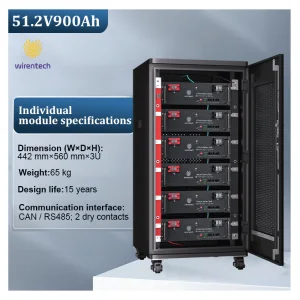
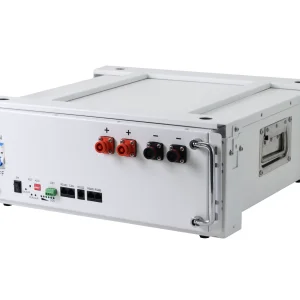
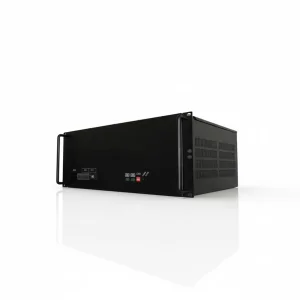
Deployed in major cities such as Nairobi and Mombasa. These areas require compact, high-density cabinet arrays. Our rack-mounted 19-inch 100Ah/150Ah modules integrate directly into standard racks, maximizing footprint efficiency.
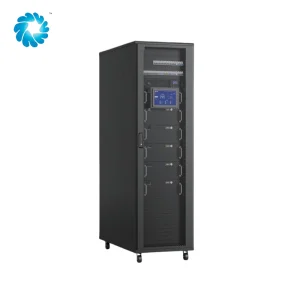
Ensuring continuity for M-Pesa platforms and bank transaction networks. High-voltage lithium rack systems coupled with industrial-grade 42U UPS architectures provide milli-second level cutovers during total grid failures.
How emerging battery architectures and digital monitoring networks are reshaping global telecom operations.
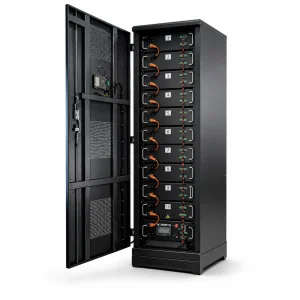
Worldwide, telecom operators are transitioning from standard low-voltage 48V systems to high-voltage battery cabinets (ranging from 192V to over 500V). Higher operating voltages minimize transmission losses across cables, increase conversion efficiency through central UPS systems, and support heavier loads with smaller wire cross-sections. This is particularly relevant for major regional carrier facilities and centralized server warehouses across East Africa.
Additionally, the transition from local control panels to cloud-integrated telemetry represents a major technological leap. Every battery unit exported by GAF Energy is designed to support smart Modbus, CANbus, and RS485 communication protocols, allowing engineers in Nairobi to monitor health metrics, temperature, and cycle counts remotely.
Looking toward the 2026-2030 horizon, the energy storage landscape will see the commercialization of Sodium-ion (Na-ion) alternatives and solid-state safety frameworks. Na-ion batteries boast excellent low-temperature characteristics and lower raw material costs, making them a strong backup candidate. However, LiFePO4 remains the undisputed gold standard for high energy density, cycle resilience, and mature manufacturing reliability.
GAF Energy continuously invests a significant percentage of annual revenues into R&D to test next-generation thermal mitigation systems, ensuring our battery cabinets remain resilient against local environmental challenges and thermal events.
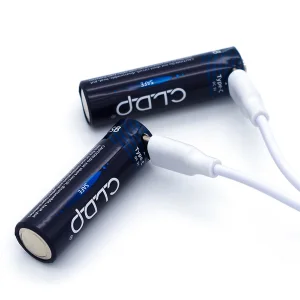
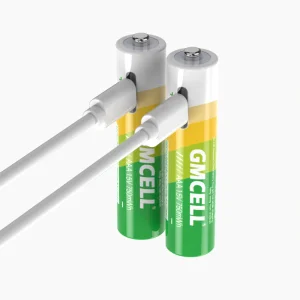
Reliable auxiliary power, compact consumer cells, and micro-UPS units for field engineers and remote maintenance teams in Kenya.
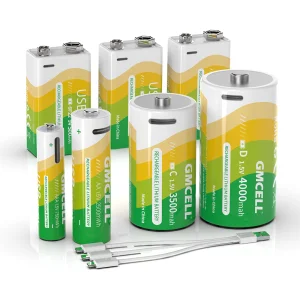
Choosing an experienced Chinese manufacturer like Shenzhen GAF Energy Co., Ltd. provides significant economic and technical advantages for Kenyan enterprises and infrastructure developers. Shenzhen sits at the heart of the global lithium battery supply chain, granting us direct access to high-grade raw lithium compounds, state-of-the-art semiconductor components for BMS assemblies, and advanced thermal casing technologies. This vertical integration allows us to keep production costs low while maintaining strict quality controls.
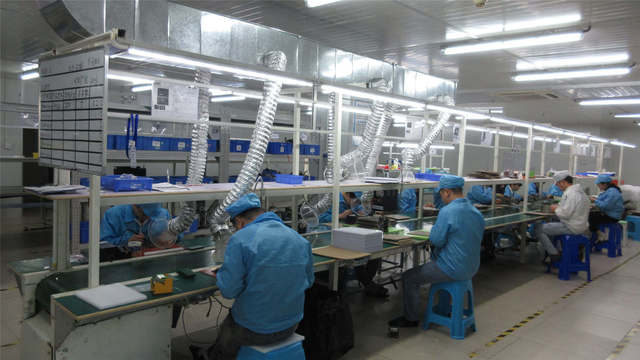
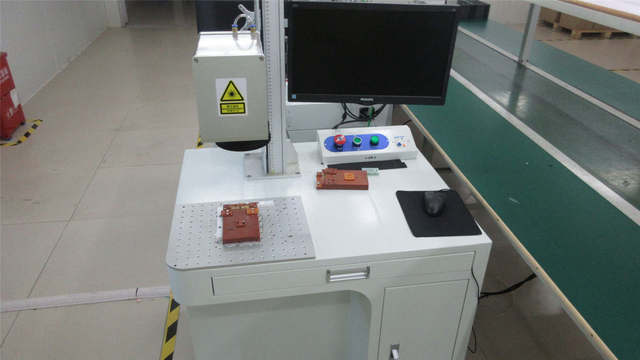
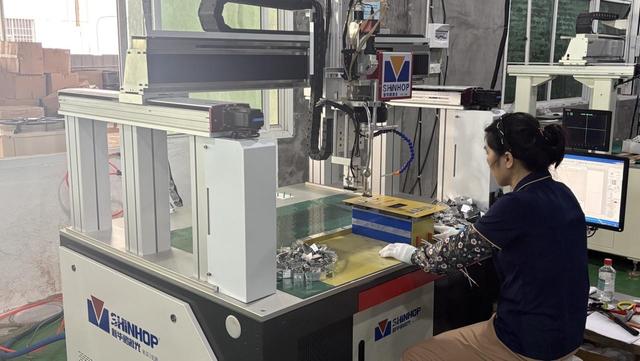
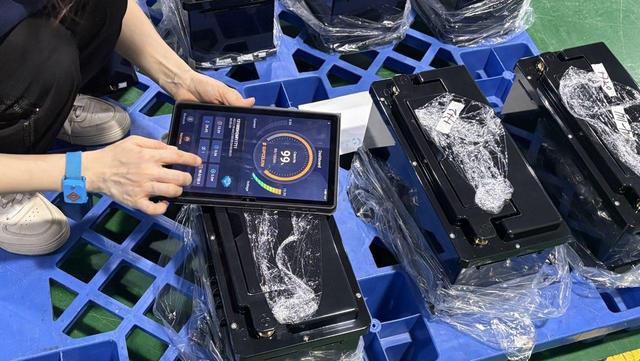
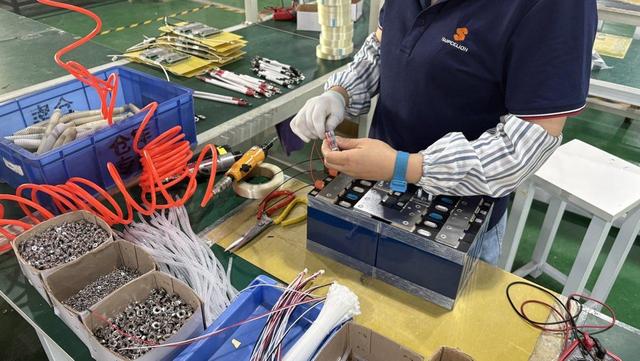
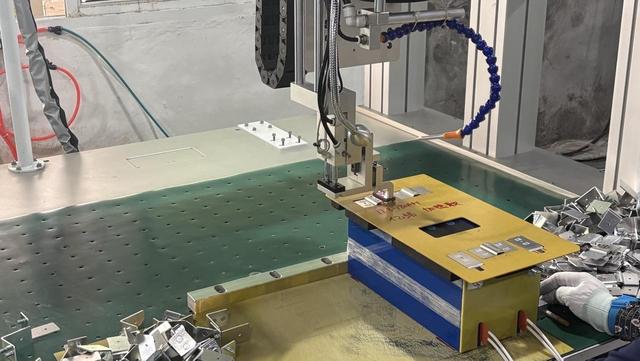
We operate advanced, modern manufacturing facilities equipped with automated assembly lines, high-precision cell sorters, and comprehensive environmental testing chambers. Every production run undergoes rigorous charge/discharge cycle validation, vibration tests, and high-temperature stress tests to guarantee performance in East Africa's diverse climates. Furthermore, our robust shipping network from the Port of Shenzhen to the Port of Mombasa ensures reliable, safe delivery of hazardous materials (UN3480) with full customs documentation.
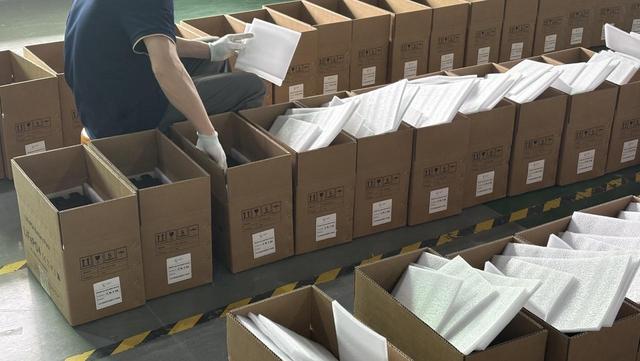
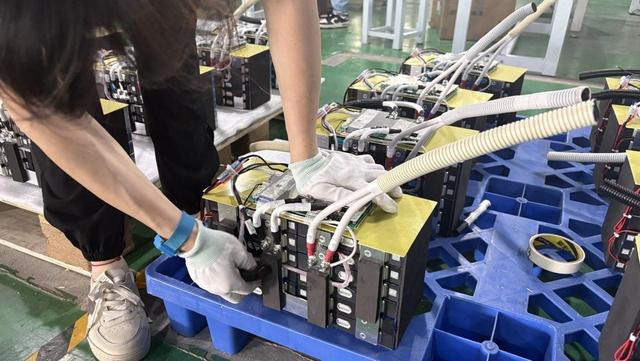
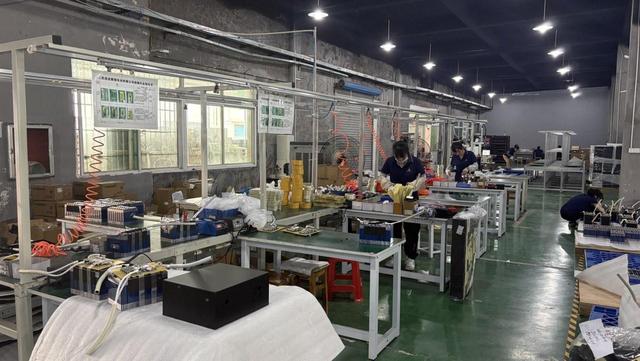
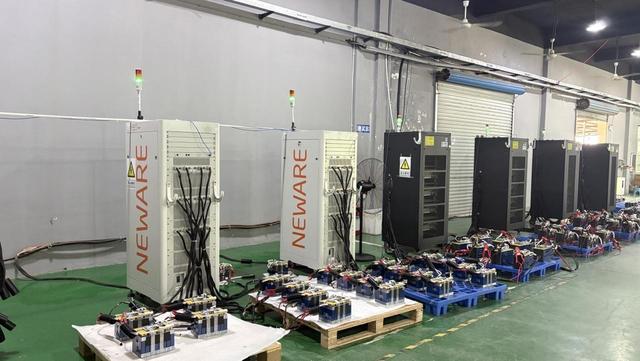
Importing industrial lithium-ion batteries into Kenya requires strict adherence to local regulations. All imports must comply with the Kenya Bureau of Standards (KeBS) guidelines. GAF Energy facilitates the mandatory Pre-Export Verification of Conformity (PVoC) process, providing certified test reports to prevent customs delays at the Port of Mombasa.
Additionally, we work closely with local engineering partners to provide technical documentation, installation guides, and remote commissioning support. Our batteries feature standardized communication ports, allowing local installation teams to quickly configure and integrate the units with existing hybrid power networks.
Expert technical answers addressing localized challenges and deployment concerns in Kenya.
Explore our complete range of certified power solutions, ready for integration into East African telecom systems.
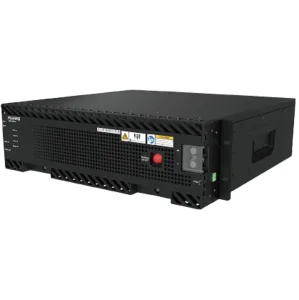
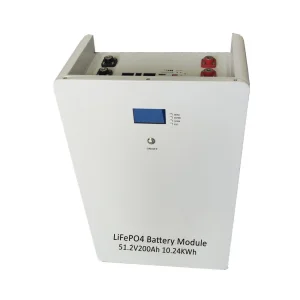
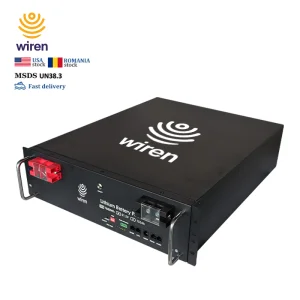
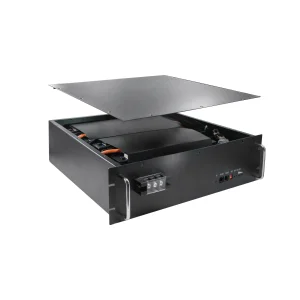
Partner with GAF Energy for customized, reliable, and compliant lithium battery systems. Contact our engineering team in Shenzhen today to receive a detailed quote and custom specifications for your project.