GAF Energy
GAF Energy
GAF Energy
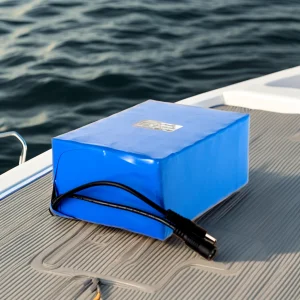
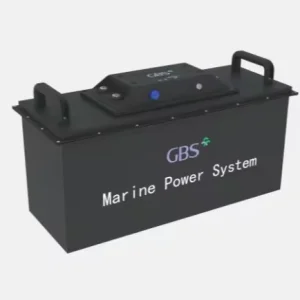
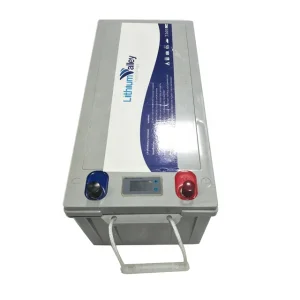
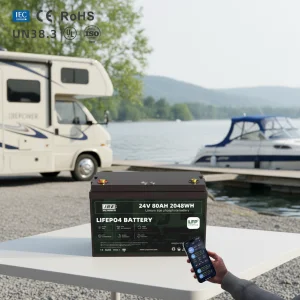
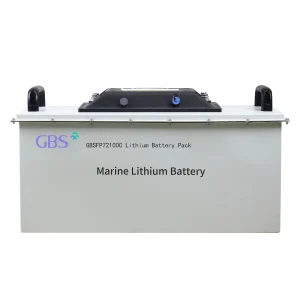
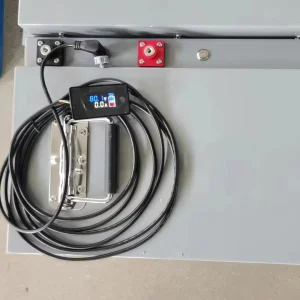
Browse our primary selection of industrial-grade marine power cells, built-in BMS systems, and semi-solid state configurations optimized for high vibration and saline marine conditions.
Global decarbonization policies mandate that commercial and recreational vessels drastically lower greenhouse gas emissions. The International Maritime Organization (IMO) targets a 50% reduction in total annual GHG emissions from international shipping by 2050 compared to 2008. Consequently, deep-cycle marine lithium battery packs are replacing auxiliary diesel generators. Shipowners now leverage clean power to run onboard HVAC, navigation, and propulsion systems, bypassing emissions surcharges in regulated ports.
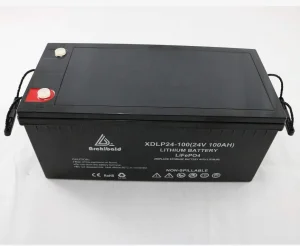
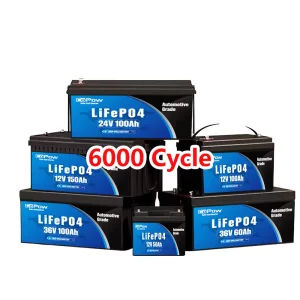
Marine architects increasingly favor Lithium Iron Phosphate (LiFePO4) over traditional AGM or Gel lead-acid batteries. The physical chemistry of LFP yields a high power density, saving over 50% in battery weight and 60% in footprint. This improves vessel draft, increases speed, and optimizes space utilization inside tight hulls. Additionally, LiFePO4 cells maintain a stable flat voltage curve during discharge, ensuring consistent power output to critical marine electronics.
The emergence of solid-state and semi-solid-state lithium technology is setting new safety and energy-density thresholds. Semi-solid-state batteries substitute liquid organic electrolytes with hybrid gel polymers. This design effectively mitigates dendrite propagation and prevents thermal runaway under mechanical puncture. For marine vessel operators, this transition translates to enhanced peace of mind when crossing turbulent open waters.
As global trade lanes evolve, purchasing directors require supply chains that offer scale, consistency, and technological agility. Shenzhen stands as the world's premier lithium manufacturing hub. By anchoring operations in this ecosystem, Chinese exporters deliver crucial competitive advantages for overseas partners:
Chinese factories operate in close proximity to major raw material refineries and component manufacturers. From cathode precursors to advanced thermal paste and active balancing BMS chips, every tier of the production supply chain is co-located. This vertical integration buffers clients against global raw material volatility and shortens prototyping phases for custom configurations.
Top-tier Chinese manufacturers operate ISO 9001:2015, ISO 14001, and OHSAS 18001 certified production lines. To meet strict international customs regulations, export products undergo extensive testing. Batteries are certified to comply with UN38.3, CE, RoHS, FCC, UL1973, and IEC 62619, ensuring safe transit and deployment in European, North American, and Australian markets.
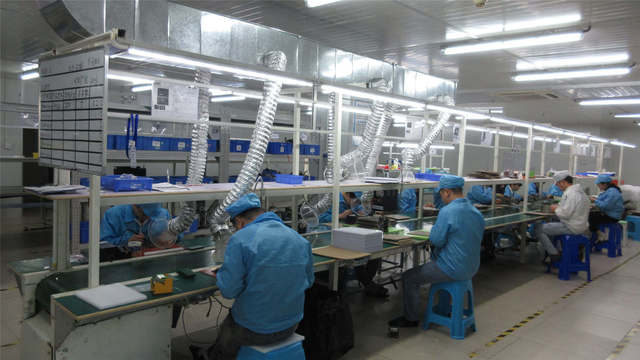
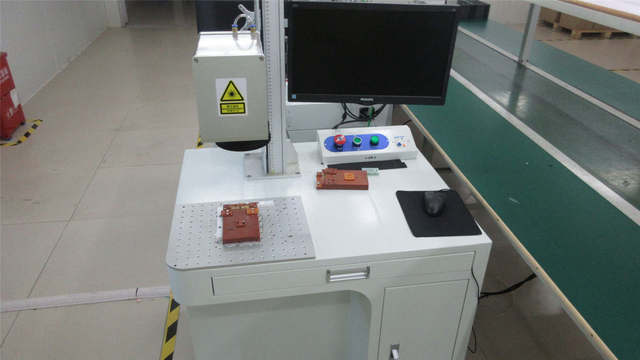
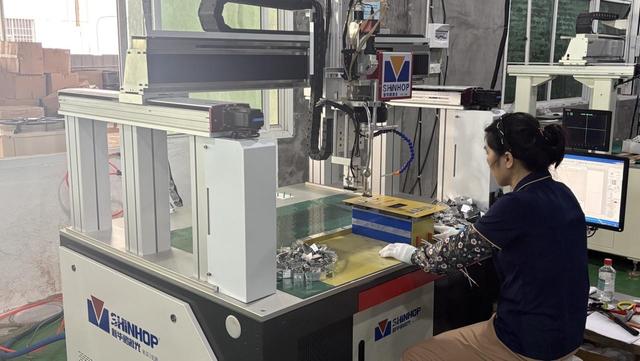
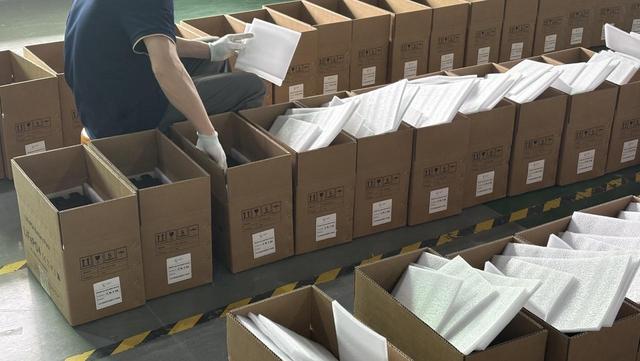
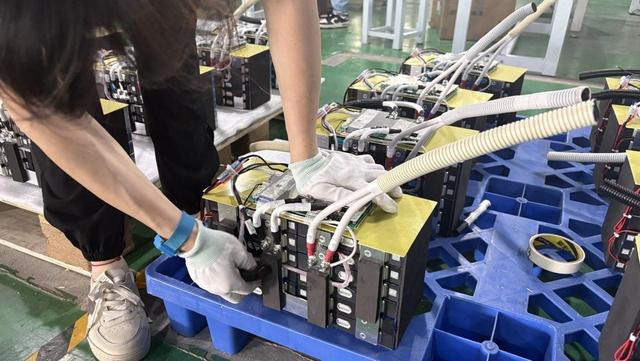
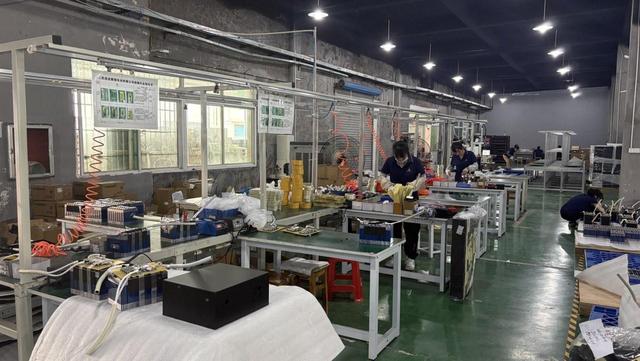
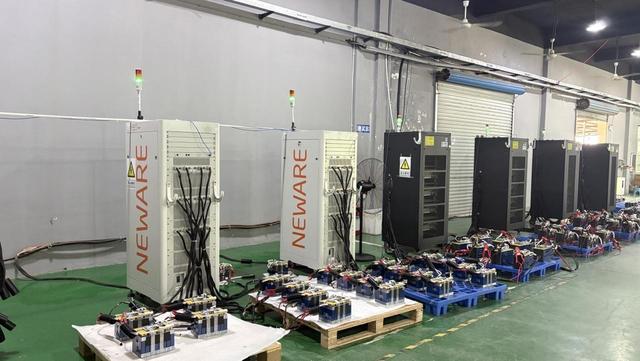
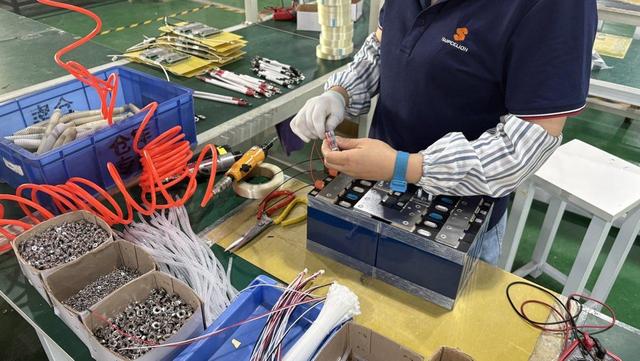
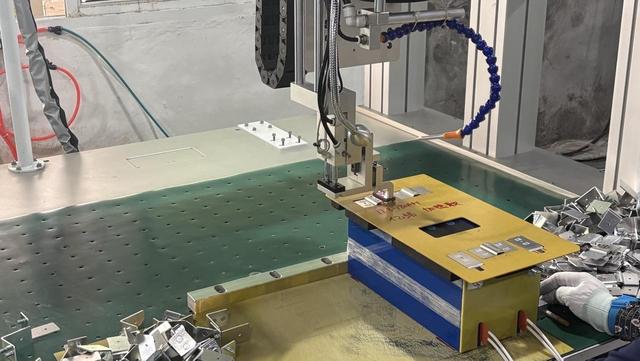
Automated laser welding, matching cell sorting, and computerized aging systems reduce human error in cell assembly. GAF Energy's automated assembly lines ensure that internal resistance, open-circuit voltage, and capacities are balanced across all battery strings, extending system life and performance.
Shenzhen GAF Energy Co., Ltd. is a professional Lithium Battery Manufacturer | LiFePO4, Energy Storage & Renewable Power Solutions dedicated to delivering advanced energy storage technologies for residential, commercial, industrial, and renewable energy applications worldwide. With a focus on innovation, safety, and sustainability, the company provides high-performance lithium battery solutions that support the growing global demand for clean and reliable energy.
Headquartered in Shenzhen, China, GAF Energy operates modern manufacturing facilities equipped with advanced production equipment, automated assembly lines, and comprehensive quality management systems. The company specializes in the research, development, and production of LiFePO4 batteries, lithium-ion battery systems, residential energy storage batteries, commercial and industrial energy storage systems (ESS), solar storage batteries, rack-mounted battery systems, high-voltage battery solutions, and customized battery packs.
GAF Energy places strong emphasis on product quality and technological innovation. By utilizing premium battery cells, intelligent battery management systems (BMS), and rigorous testing procedures, the company ensures excellent safety, long cycle life, stable performance, and high energy efficiency. Every battery system is designed to meet the demanding requirements of renewable energy integration, backup power applications, and modern energy management solutions.
In addition to standard product offerings, GAF Energy provides comprehensive OEM and ODM services for distributors, energy solution providers, solar installers, system integrators, and private-label brands. From product design and engineering to manufacturing and technical support, the company delivers flexible solutions tailored to specific project requirements.
Serving customers across North America, Europe, Australia, Southeast Asia, Africa, and the Middle East, Shenzhen GAF Energy Co., Ltd. has established long-term partnerships based on product reliability, competitive pricing, and responsive customer service. Committed to accelerating the transition toward sustainable energy, the company continues to invest in advanced battery technologies and renewable energy innovations, helping customers achieve greater energy independence and long-term environmental benefits.
Marine environments vary, ranging from quiet fresh-water lakes to harsh saltwater oceans. Our engineering department designs specialized lithium battery solutions to match these unique conditions:
Yachts require quiet, emissions-free power for house loads like lighting, stoves, and air conditioning. Our high-voltage battery storage systems store energy from solar arrays and engines. This allows owners to run silent operations at anchorage without running loud diesel generators overnight.
Commercial tugboats, ferries, and fishing fleets rely on robust power systems. Our heavy-duty 48V and 96V LiFePO4 packs deliver the high discharge rates needed for hybrid propulsion, electric winches, bow thrusters, and onboard refrigeration systems.
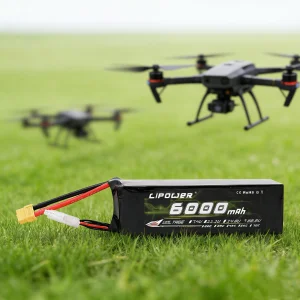
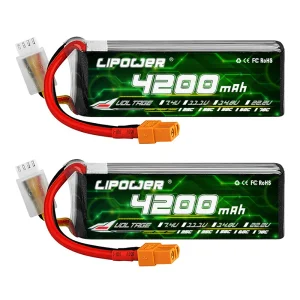
Compact bait boats and RC research vessels require lightweight, high-capacity power. We offer 7.4V, 11.1V, and 22.2V high-discharge Lipo and Li-ion battery packs. These power solutions provide extended run times and reliable motor performance in compact spaces.
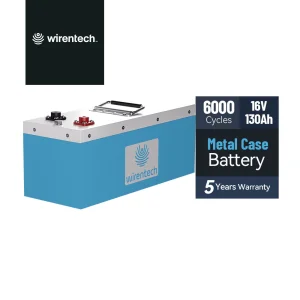
Saltwater is highly corrosive and conductive. To prevent water ingress, our marine batteries feature sealed, impact-resistant ABS/PC cases or custom metal enclosures with IP65, IP67, or IP68 ratings. These enclosures include integrated pressure valves to release gas while keeping moisture out.
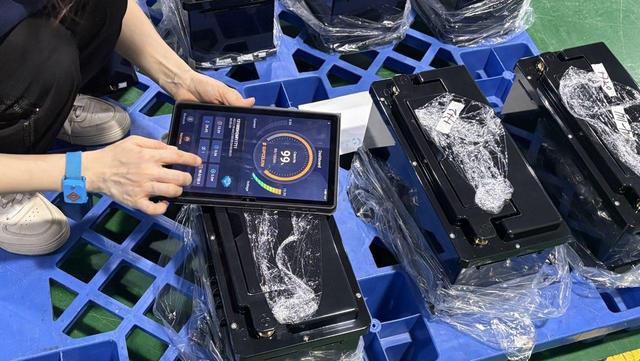
The Battery Management System (BMS) acts as the brain of the battery. GAF Energy designs intelligent BMS setups that protect against over-current, over-charge, over-discharge, short-circuits, and extreme temperatures. An active balancing function keeps cell voltages uniform, maximizing usable energy capacity and cycle life.
Our premium marine batteries support common communication protocols like CANbus, RS485, and Modbus. This allows integration with onboard systems (like Victron or SMA) and mobile apps, giving operators real-time visibility into state of charge (SoC), cell health, and operational diagnostics.
For B2B purchasers, distributors, and engineering contractors, selecting a manufacturing partner involves reviewing key technical and logistical criteria:
Always request Grade A cells with certified batch codes. Many low-cost suppliers install Grade B cells that have minor imperfections, leading to rapid capacity loss. Shenzhen GAF Energy uses only verified Grade A cells to ensure long-term reliability and capacity retention.
Marine retrofits often require custom shapes to fit existing battery compartments. Ensure your supplier offers comprehensive OEM and ODM support, including custom sheet metal design, layout engineering, and customized BMS program integration.
Lithium batteries are classified as Class 9 Dangerous Goods. Reliable exporters must provide MSDS, UN38.3 test summaries, and safety documentation for air, sea, and land freight. This helps prevent delays at customs and ensures safe handling during transit.
Common questions from boat owners, marine electricians, and industrial buyers regarding our lithium battery systems.
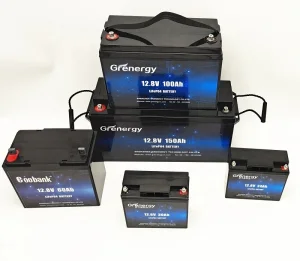
These deep-cycle and specialized battery options offer long cycle life and reliable power for recreational marine, commercial shipping, and off-grid solar storage configurations.