 GAF Energy
GAF Energy
GAF Energy
Explore our top-tier line of commercial and industrial battery systems engineered for longevity, high discharge capacities, and seamless grid integration.
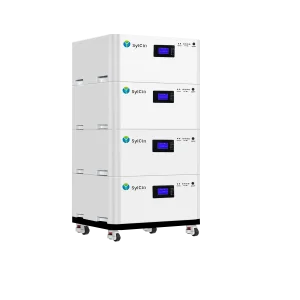
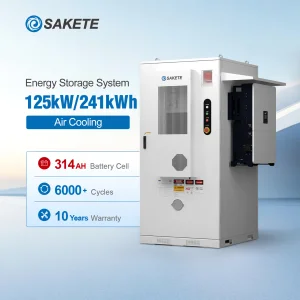
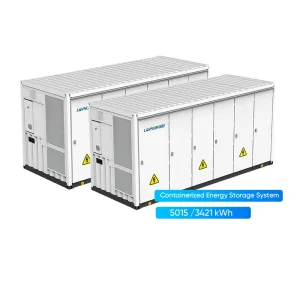
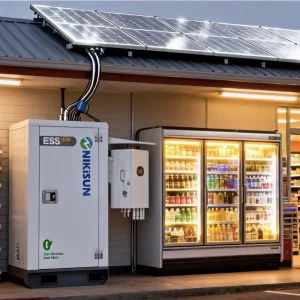
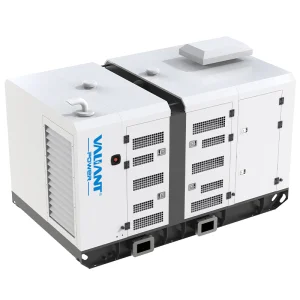
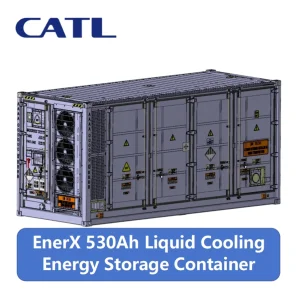
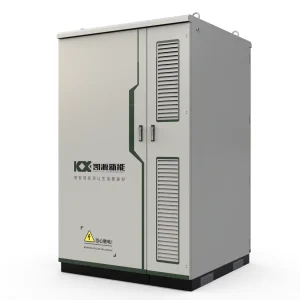
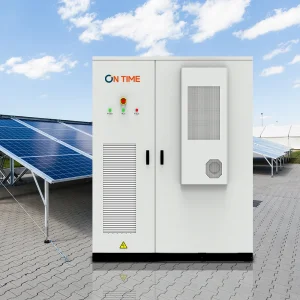
Shenzhen GAF Energy Co., Ltd. represents the absolute state-of-the-art in clean energy storage technology development and production.
Shenzhen GAF Energy Co., Ltd. is a professional Lithium Battery Manufacturer | LiFePO4, Energy Storage & Renewable Power Solutions dedicated to delivering advanced energy storage technologies for residential, commercial, industrial, and renewable energy applications worldwide. With a focus on innovation, safety, and sustainability, the company provides high-performance lithium battery solutions that support the growing global demand for clean and reliable energy.
Headquartered in Shenzhen, China, GAF Energy operates modern manufacturing facilities equipped with advanced production equipment, automated assembly lines, and comprehensive quality management systems. The company specializes in the research, development, and production of LiFePO4 batteries, lithium-ion battery systems, residential energy storage batteries, commercial and industrial energy storage systems (ESS), solar storage batteries, rack-mounted battery systems, high-voltage battery solutions, and customized battery packs.
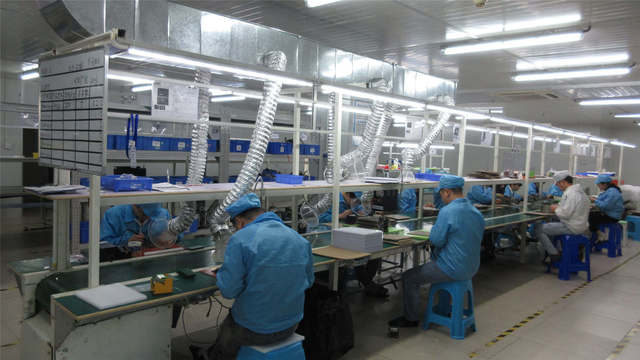
GAF Energy places strong emphasis on product quality and technological innovation. By utilizing premium battery cells, intelligent battery management systems (BMS), and rigorous testing procedures, we ensure excellent safety, long cycle life, stable performance, and high energy efficiency.
We provide comprehensive OEM and ODM services for distributors, energy solution providers, solar installers, system integrators, and private-label brands. From product design and engineering to manufacturing and technical support, we deliver flexible solutions tailored to specific project requirements.
Serving customers across North America, Europe, Australia, Southeast Asia, Africa, and the Middle East, Shenzhen GAF Energy Co., Ltd. has established long-term partnerships based on product reliability, competitive pricing, and responsive customer service.
How utility-scale and enterprise energy storage networks leverage dynamic software integration to deliver instant ROI and carbon offset compliance.
Utility companies globally impose severe financial penalties on C&I facilities during localized peak demand hours. Integrated ESS units dynamically discharge during these critical high-demand windows, minimizing peak demand metrics and slashing electricity bills without interrupting operational capacity.
Modern production facilities cannot afford grid instability. By configuring GAF Energy high-voltage battery storage racks alongside distributed solar arrays and backup generators, enterprises create a self-sustaining microgrid that seamlessly decouples (islands) from the grid during blackouts.
Adding DC fast chargers to an existing facility can exceed substation capacities. Our energy storage containers act as localized buffers, storing grid energy overnight to power multiple high-speed electric vehicle charging runs during the day without taxing local infrastructure limits.
Forward-thinking enterprises leverage GAF Energy battery installations to store clean solar power during peak generation hours instead of exporting it to the grid. This maximizes self-consumption rates, reduces dependency on fossil-fuel peaking plants, and provides verifiable, auditable data metrics to fulfill international ESG corporate standards.
A deep-dive technical comparison of active chemistries, advanced thermal cooling architectures, and lifetime optimization curves.
Lithium Iron Phosphate (LiFePO4) remains the industry gold standard due to its exceptional thermal stability and long-term economic viability. However, Sodium-Ion chemistry represents an emerging frontier.
Sodium-Ion systems offer superior temperature performance down to -30°C and lower raw-material dependency, providing options for specialized geo-climates.
Our premium models employ advanced liquid-cooling systems, maintaining internal cell temperature variances under 2°C. This prevents localized hot spots that accelerate degradation.
Air-cooled cabinets offer a cost-effective, low-maintenance design ideal for standard climates with moderate discharge patterns.
GAF Energy's research team actively monitors solid-state and semi-solid battery advancements to design future product generations.
By removing flammable liquid organic solvents, next-generation cells will theoretically double energy densities while providing inherent protection against cell failure propagation.
Inside the advanced production ecosystems of Shenzhen GAF Energy, where robotics and strict testing converge to guarantee zero-defect cells.
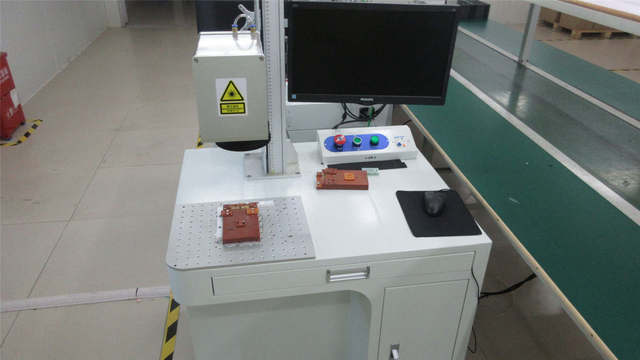
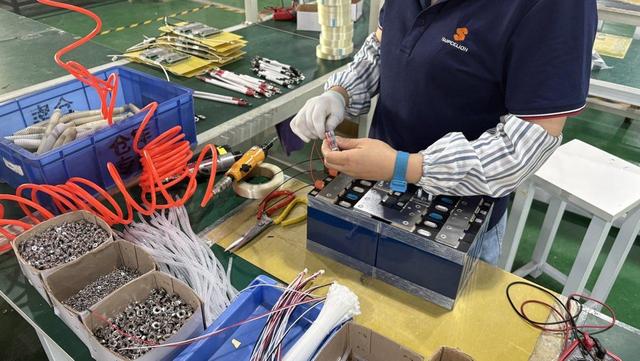
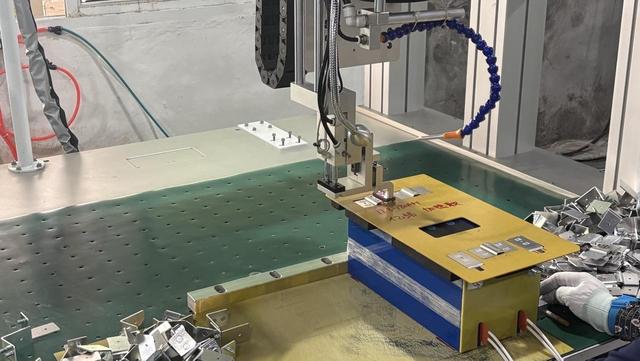
Shenzhen GAF Energy operates high-precision robotic assembly systems to ensure precise, uniform pack integration. By using automated laser-welding, cell sorting, and capacity grading rigs, we eliminate variance in internal resistance and capacities, which is critical to maximizing the life of a multi-megawatt battery array.
Located in China's premier battery supply cluster, we maintain direct partnerships with top-tier cell and material suppliers. This ensures stable raw material pricing and priority access to Grade-A prismatic cells, protecting our partners from global supply chain volatility and erratic lead times.
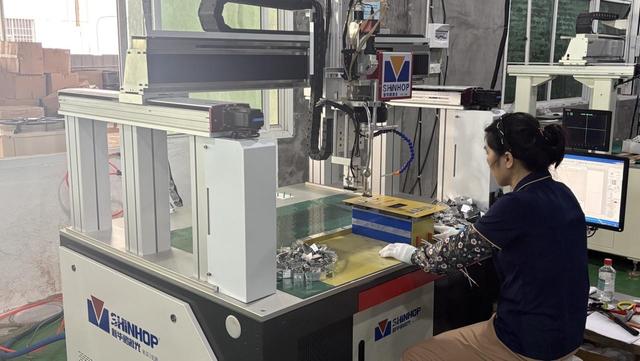
Every sub-assembly undergoes automatic Optical Inspection (AOI), high-potential insulation testing, and full charge-discharge cycles before warehouse packaging. Operational Quality Control (OQC) logs are stored to provide full traceability.
Our containment vessels incorporate fire barriers and aerosol fire suppression systems. Individual modules feature integrated safety valves to manage internal cell pressure releases and prevent thermal runaway propagation.
All GAF battery systems feature proprietary smart BMS systems with CAN/RS485 interfaces. This enables continuous monitoring of cell voltages, temperatures, and state-of-charge (SoC), preventing overcharge and over-discharge.
A comprehensive methodology for commercial buyers to evaluate manufacturers, calculate Levelized Cost of Storage (LCOS), and assess lifetime return on investment.
When issuing an RFQ for C&I projects, buyers must calculate the Levelized Cost of Storage (LCOS) rather than focusing solely on upfront hardware costs. LCOS incorporates the initial capital expenditure (CAPEX), ongoing operational/maintenance expenses (OPEX), degradation rate, round-trip efficiency (RTE), and expected cycle life.
Using high-efficiency cell balancing and robust thermal management keeps the Round-Trip Efficiency (RTE) above 90%, preventing energy loss during standby or high-load conditions and maximizing project ROI.
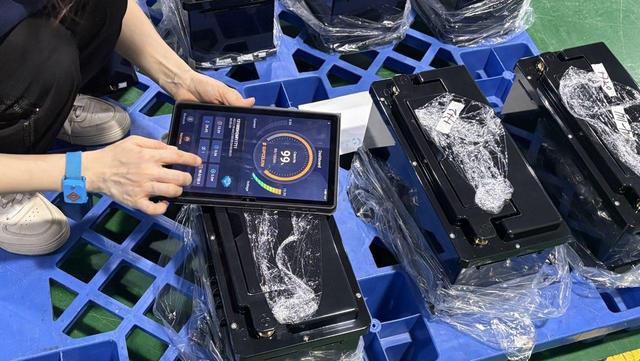
Ensure the design reflects the exact power-to-energy ratio (C-rate) required. High-power applications (frequency regulation) need high C-rates (e.g., 1C or 2C), while energy-shifting applications require lower C-rates (0.5C or 0.25C) with larger capacities.
Verify that performance degradation warranties guarantee at least 70% to 80% remaining capacity at the end of the warranty term. Review the operational boundaries (temperature limits, depth of discharge, daily cycle counts) required to maintain warranty coverage.
Confirm the ESS container/cabinet easily interfaces with existing Energy Management Systems (EMS) and local SCADA platforms via standard Modbus TCP/IP, DNP3, or CAN protocols to support remote monitoring and dispatch.
Navigating compliance standards, local testing, and certification requirements to ensure safe, legal project integration.
Safety compliance is crucial for commercial projects. GAF Energy structures and tests its systems to meet international standards. Our systems are certified under UL 1973 for battery packs in stationary applications and UL 9540A to evaluate thermal runaway fire propagation, facilitating project approvals with local building inspectors and fire departments.
For European markets, we maintain full CE compliance, IEC 62619 safety standards, and UN 38.3 certification for safe lithium battery transport. In Australia, our products meet Clean Energy Council (CEC) requirements, ensuring compatibility with regional grid codes.
By partnering with local engineering networks, we offer commissioning support, permitting guidance, and field repair services to ensure reliable operation.
Answering the technical, operational, and commercial questions raised by engineering and procurement teams.
Under standard conditions (25°C temperature, 0.5C charge/discharge rate, 80% Depth of Discharge), GAF Energy cells deliver 6,000 to 8,000 cycles before capacity degrades to 80% of its original rating. Standard performance varies depending on the operational configuration and thermal management system.
Liquid cooling systems directly circulate coolant through cooling plates adjacent to the cell faces. This maintains uniform temperatures with a variance of <2°C, which can extend overall system life by 20% compared to air-cooled designs in hot climates. Air-cooled systems are more cost-effective and simpler to maintain, making them suitable for moderate environments.
Yes, our systems are compatible with hybrid power setups. Using intelligent Power Conversion Systems (PCS), GAF Energy batteries can synchronize with diesel generators and solar PV arrays, optimizing fuel efficiency and providing backup power during grid failures.
We employ a multi-layered safety architecture. This includes cell-level safety vents, module-level insulating materials, and a cabinet-level monitoring system. In the event of high temperature detection, integrated aerosol or gas fire suppression systems activate automatically to mitigate risk.
We supply full UL/IEC testing documentation and grid compliance certificates. Our engineering team assists local system integrators with drawing packages, safety files, and parameter settings to support connection approvals with local utilities.
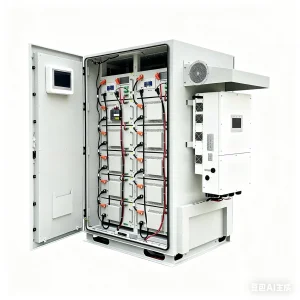
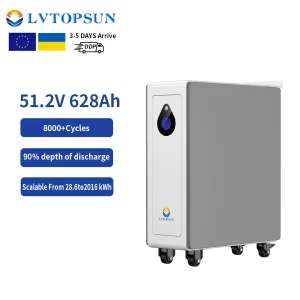
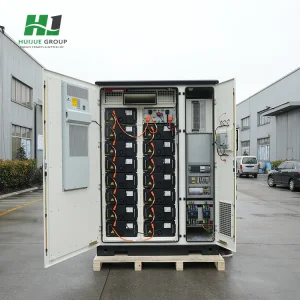
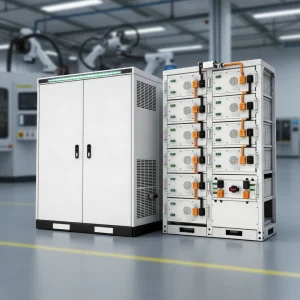
From mid-sized industrial cabinets to megawatt-class containerized stations, explore our systems designed to scale with your energy needs.
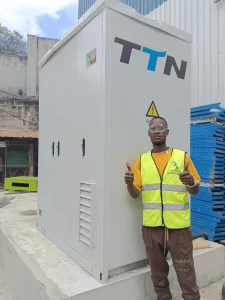
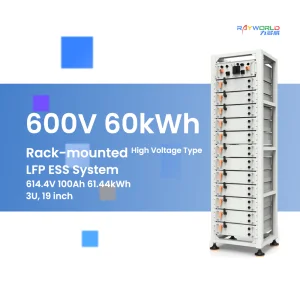
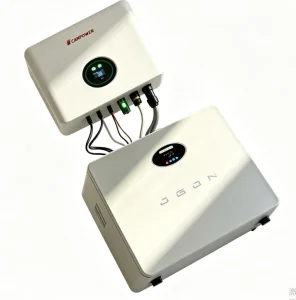
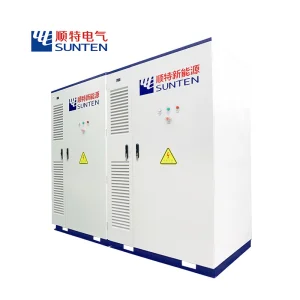
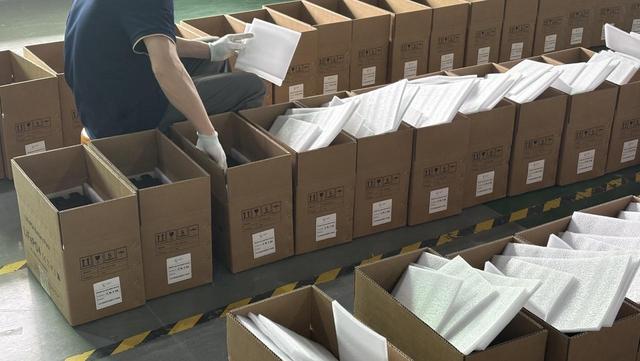
Transparency builds trust. Explore our production lines, testing laboratories, and shipping docks in Shenzhen.
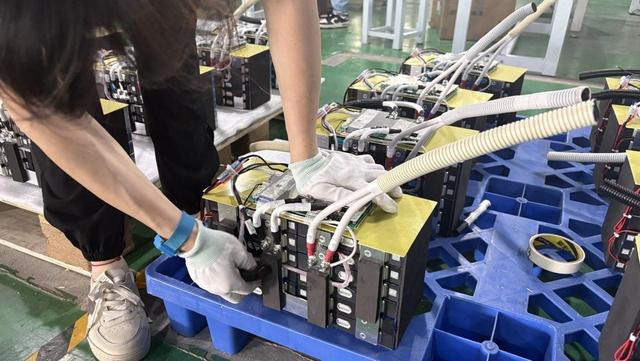
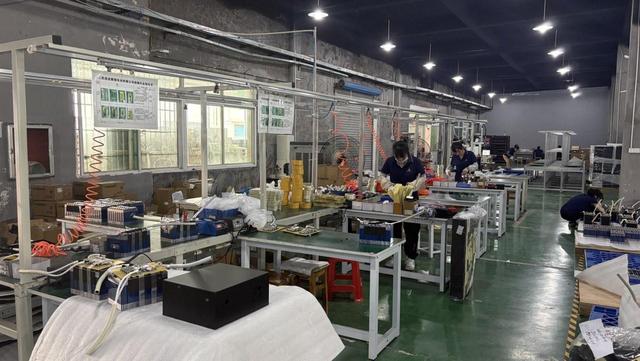
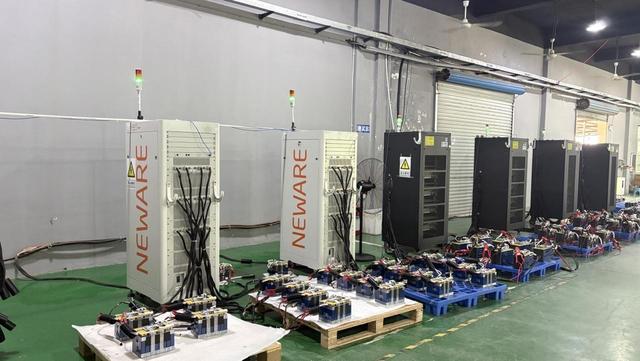
Shenzhen GAF Energy Co., Ltd. continues to invest in advanced battery technologies and renewable energy innovations. By integrating smart manufacturing with strict quality control, we help customers achieve energy independence and support the transition toward sustainable energy.