GAF Energy
GAF Energy
GAF Energy
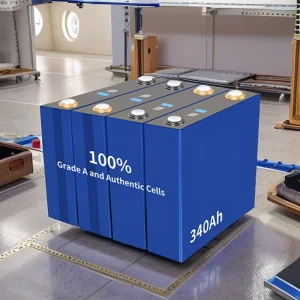
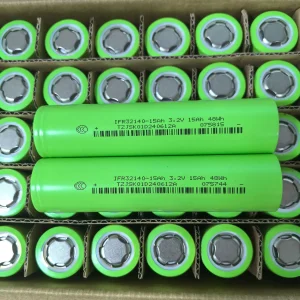
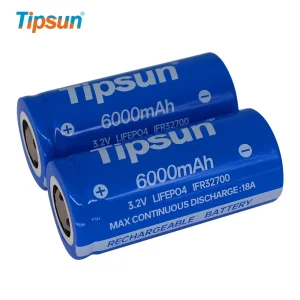
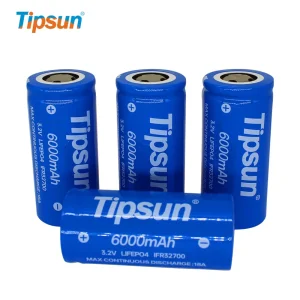
The global battery market is undergoing a seismic shift. Once dominated by lead-acid configurations and cobalt-heavy lithium chemistries (such as NMC/LCO), modern industrial power architectures are rapidly standardizing on Lithium Iron Phosphate (LiFePO4, or LFP). This migration is fueled not merely by environmental mandates, but by fundamental thermodynamic and electro-chemical advantages. For commercial and industrial (C&I) applications, utility grids, and localized e-mobility, LiFePO4 delivers an uncompromised balance of safety, operational longevity, and economic efficiency.
"According to global B2B procurement intelligence, over 62% of utility-scale energy storage system (BESS) projects announced globally in the last 24 months have specified LFP chemistry over NMC. This choice centers around thermal runaway mitigation and optimized levelized cost of storage (LCOS)."
As a leading pioneer headquartered in the hardware epicenter of the world, Shenzhen GAF Energy Co., Ltd. stands as a key partner in this market transition. GAF Energy designs, refines, and manufactures Grade A LiFePO4 cell systems, smart battery management units, and integrated cabinet energy solutions that satisfy the stringent regulatory criteria of North American, European, and Asia-Pacific industrial sectors.
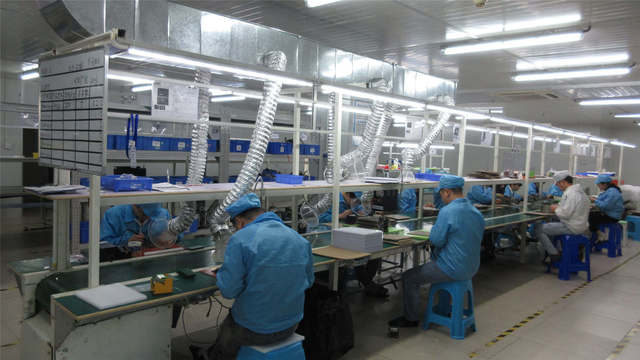
The transition from niche backup systems to central utility grid infrastructure is accelerating. Industrial procurement directors must understand these three key performance indicators:
Across key economic corridors, LiFePO4 has transitioned to the primary baseline chemistry. In North America, utility companies are replacing retired gas-peaker plants with high-voltage LFP rack storage arrays. In Europe, driven by volatile energy markets and strict grid resilience guidelines, commercial properties are deploying containerized LFP storage units to bypass peak-tariff thresholds. Meanwhile, across the fast-developing logistics networks of Southeast Asia and Latin America, light industrial fleets, telecom arrays, and solar mini-grids are choosing LFP cells to ensure uninterrupted operation under extreme climatic conditions.
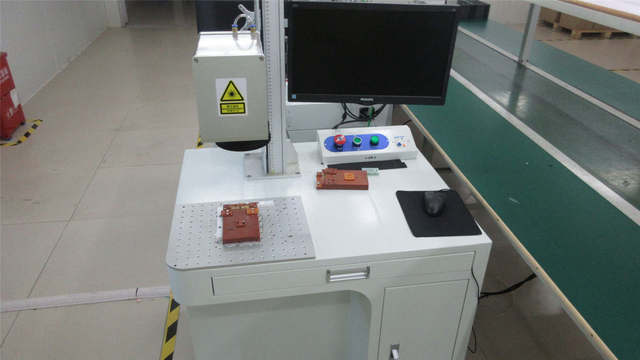
For international procurement departments, understanding the geography of the battery supply chain is vital. China does not merely assemble battery packs; it anchors the foundational supply chain from raw ore extraction and precursor refining to cathode crystallization and automated cell winding.
This deep vertical integration creates distinct operational advantages:
Shenzhen GAF Energy Co., Ltd. leverages this localized technological ecosystem to offer fast production turnarounds, custom sheet-metal rack sizing, and specialized BMS configurations that would be cost-prohibitive in other regions.
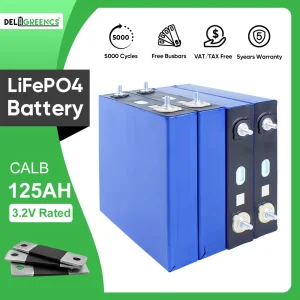
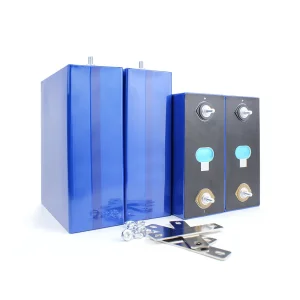
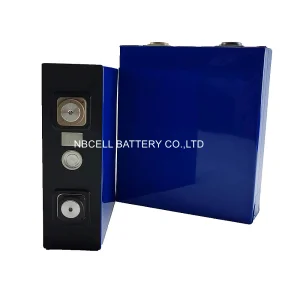
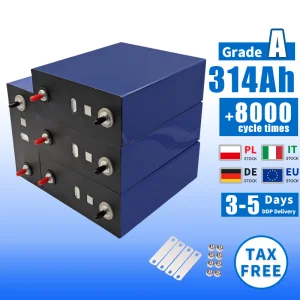
Different applications require specific structural form factors. Designers and system builders must carefully evaluate whether cylindrical cells (e.g., 32700, 32140) or larger prismatic cells (e.g., 280Ah, 314Ah) are best suited for their systems' thermal profile, capacity goals, and structural constraints.
| Parameter | Prismatic Cells (e.g., 280Ah - 340Ah) | Cylindrical Cells (e.g., 32700 / 32140) |
|---|---|---|
| Volumetric Energy Density | High (Optimized for space-constrained stationary enclosures) | Moderate (Requires space between rounded cells for cooling) |
| Structural Integrity & Swelling | Requires compression plates to manage normal expansion cycles | Self-contained steel casing limits swelling, ideal for high vibration |
| BMS Complexity | Lower (Fewer connections required for high capacity packs) | Higher (Requires extensive busbar welding and monitoring networks) |
| Typical Application Scenarios | Utility BESS, Telecom Base Stations, Heavy Commercial UPS | E-bikes, Solar Streetlights, Light Mobility, Small Portable Power |
| Thermal Dissipation Profile | Requires liquid cooling or engineered air channels for heavy C-rates | Natural air cooling is highly effective due to uniform surface gaps |
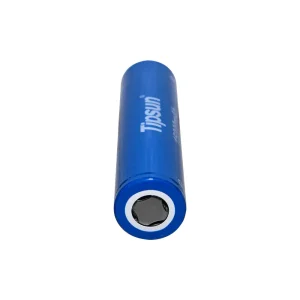
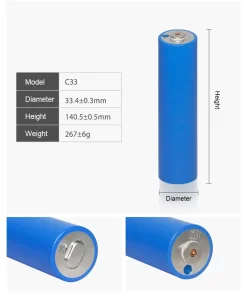
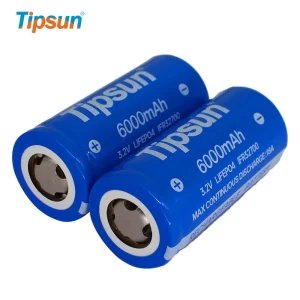
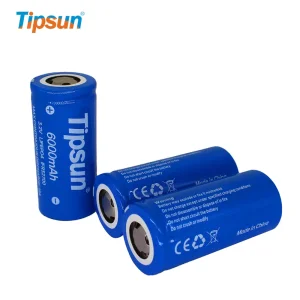
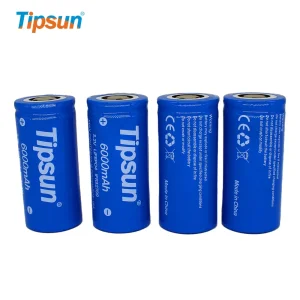
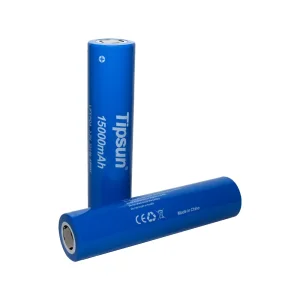
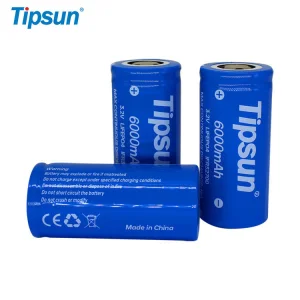
Engineering Focus: Our cylindrical line-up—including the 32700 6000mAh and the 32140 15Ah cells—incorporates built-in safety vents and current interrupt devices (CIDs) that mechanically disconnect the cell circuit if internal pressure exceeds safety margins.
Commercial facilities deploy high-capacity 12.8V and 48V rack-mount systems to dynamically store energy during low-rate night hours and discharge during high-demand daytime peaks, dramatically lowering demand charges.
Replacing high-maintenance lead-acid blocks with GAF Energy's compact 48V LFP systems. These solutions deliver a operational lifespan of over 10 years, even when housed in remote, unconditioned outdoor cabinets.
Off-grid systems utilize our scalable 280Ah and 314Ah prismatic blocks to store intermittent solar and wind energy, providing stable 24/7 power to agricultural facilities and remote residential communities.
Cylindrical LiFePO4 cells are the standard choice for golf carts, electric scooters, AGVs (Automated Guided Vehicles), and marine propulsion systems, offering deep cycling capability and excellent resistance to physical shock.
Headquartered in Shenzhen, China, Shenzhen GAF Energy Co., Ltd. operates modern manufacturing facilities equipped with advanced production equipment, automated assembly lines, and comprehensive quality management systems.
The company specializes in the research, development, and production of LiFePO4 batteries, lithium-ion battery systems, residential energy storage batteries, commercial and industrial energy storage systems (ESS), solar storage batteries, rack-mounted battery systems, high-voltage battery solutions, and customized battery packs. By utilizing premium battery cells, intelligent battery management systems (BMS), and rigorous testing procedures, the company ensures excellent safety, long cycle life, stable performance, and high energy efficiency.
OEM & ODM Capabilities:
From initial chemistry matching and custom sheet-metal casing development to intelligent communication protocol configuration (RS485, CAN, Modbus), we provide comprehensive support for private-label brands and system integrators.
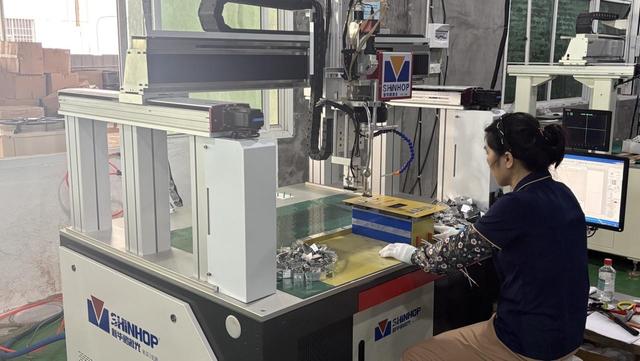
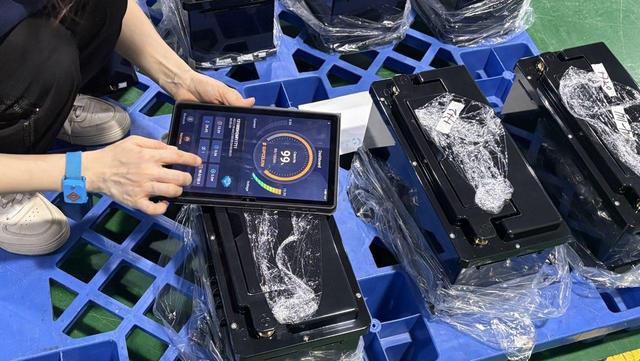
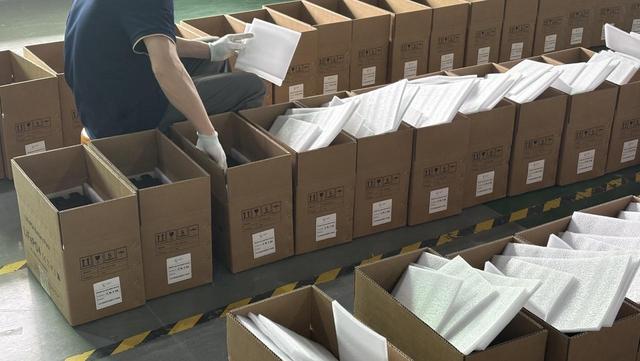
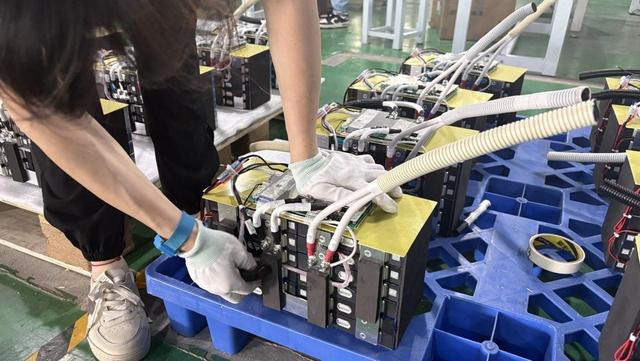
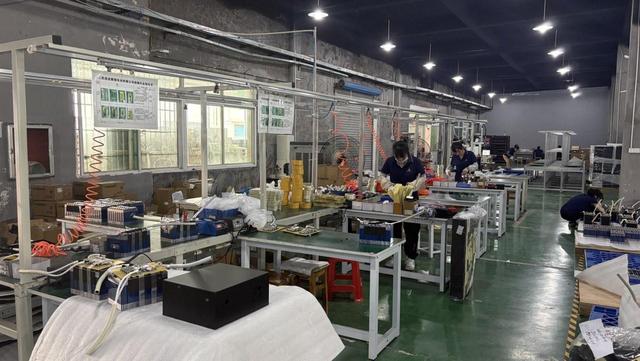
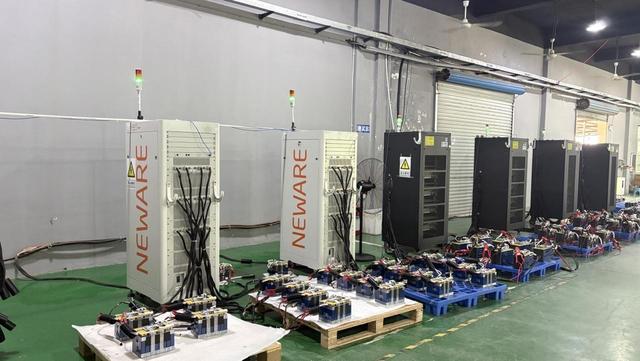
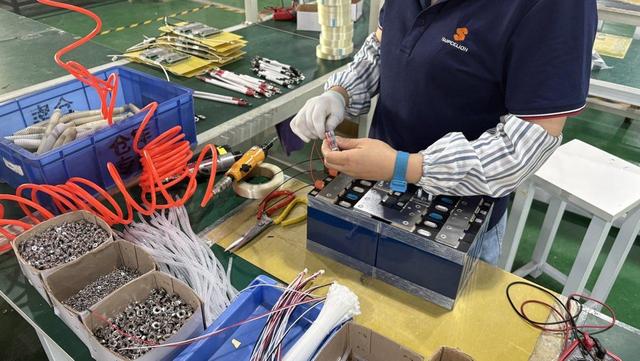
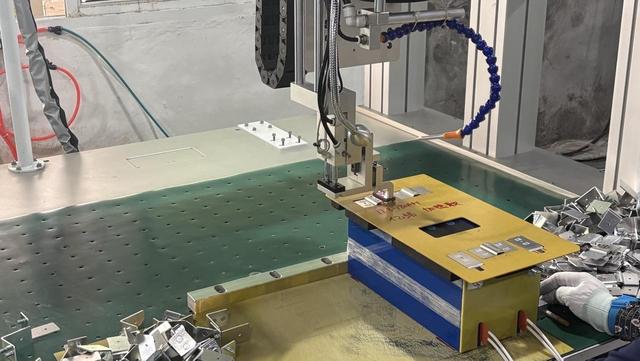
To ensure stable supply chains and prevent premature battery degradation, procurement departments should adhere to a strict evaluation checklist when auditing factories.
Grade A cells are matched using precise automated equipment to group units with nearly identical capacities, internal DC resistances, and open-circuit voltages. This step prevents unbalanced cell degradation within the pack.
Verify the presence of dual-processor BMS boards that offer protection against over-voltage, under-voltage, over-current, and thermal anomalies. Higher capacity systems benefit from active balancing schemes.
Verify that LFP cells carry standard international certifications including UL1973 (for stationary storage), IEC62619 (industrial applications), CE compliance, and UN38.3 (transportation safety testing).
Adding manganese to the iron-phosphate lattice to create Lithium Manganese Iron Phosphate (LMFP), boosting nominal cell voltage from 3.2V to 3.7V and increasing energy density by up to 20%.
Transitioning from liquid organic solvents to solid state materials. This change reduces thermal runaway risk to near zero while expanding operational temperature limits.
Developing integrated mechanical and chemical recycling paths that allow over 95% of lithium, iron, and phosphate materials to be reclaimed directly on site.