GAF Energy
GAF Energy
GAF Energy
Tier-1 certified high-performance Lithium-ion and LiFePO4 batteries engineered for residential, commercial, industrial, and marine applications.
The transition toward renewable energy, electric mobility, and grid stability has elevated Lithium-ion (Li-ion) batteries from small consumer electronics components to structural cornerstones of the global economy. As countries enact stringent net-zero mandates, the reliance on stable, reliable, and energy-dense battery systems has surged dramatically.
Today, the market is characterized by a strategic pivot away from traditional lead-acid chemistries towards Lithium Iron Phosphate (LiFePO4) and Nickel Manganese Cobalt (NMC) formulations. LiFePO4 has captured a dominant market share in stationary energy storage systems (BESS) and heavy commercial vehicles. This is driven by its exceptional cycle life (often exceeding 6,000 cycles at 80% DOD), non-toxic composition, and extreme thermal runaway resistance.
For B2B procurement officers, distributors, and engineering integrators, identifying tier-1 exporters and reliable factories is crucial to securing supply chains, guaranteeing quality compliance, and optimizing the Levelized Cost of Storage (LCOS).
Why South China and the Shenzhen region command over 70% of the world's commercial lithium-ion supply chain.
From chemical processing of raw precursor materials to cathode sheet coating, automated cell winding, and smart BMS programming, Chinese factories benefit from clustered localized supply chains. This minimizes transit times, lowers sub-component costs, and maximizes product consistency.
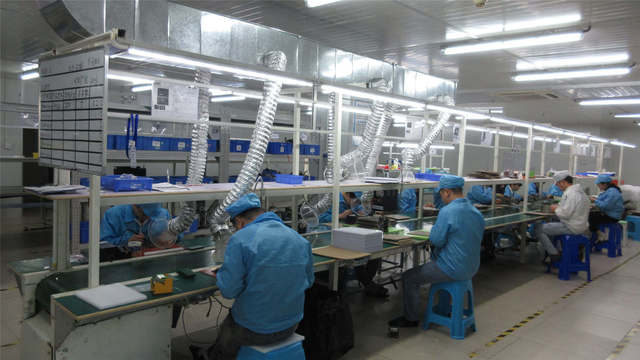
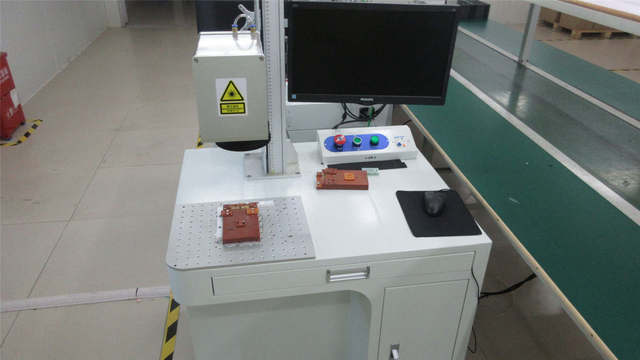
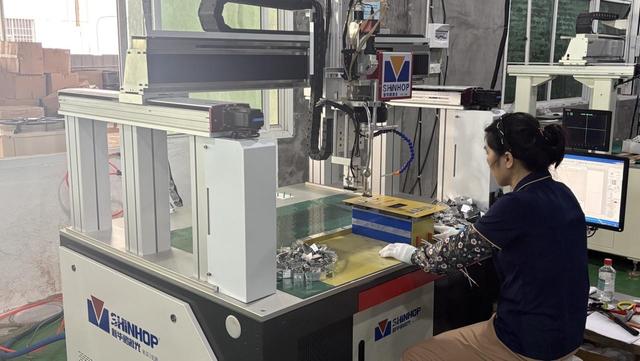
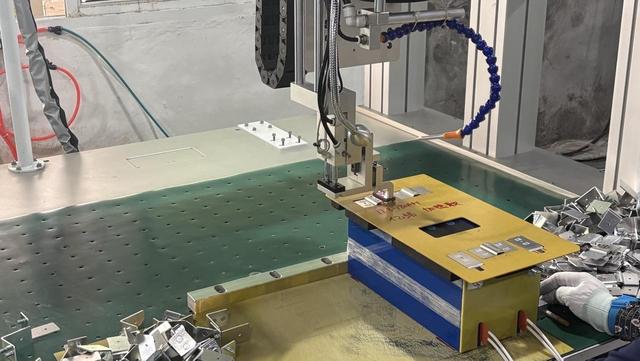
Leading factories utilize automated assembly and sorting lines equipped with computer vision alignment, high-precision slurry coaters, and climatic chamber testing modules. This reduces human variance to near-zero and ensures cell batch uniformity.
Shenzhen's advanced exporters maintain international certifications including UL1642, UL2054, UL1973, CE, CB, KC, MSDS, and UN38.3. This ensures smooth customs clearance and compliance for global distributors and enterprise users.
A side-by-side engineering comparison designed for B2B procurement buyers selecting systems for specific operational conditions.
| Performance Indicator | Lithium Iron Phosphate (LiFePO4) | Nickel Manganese Cobalt (NMC) | Primary Industrial Application |
|---|---|---|---|
| Nominal Cell Voltage | 3.2V - 3.25V | 3.6V - 3.7V | LFP is standard for solar storage; NMC is preferred for weight-sensitive applications. |
| Volumetric Energy Density | 120 - 180 Wh/kg | 200 - 280 Wh/kg | NMC offers higher density; LFP provides long cycle life in stationary systems. |
| Thermal Runaway Limit | 600°C (Highly Stable) | 220°C (Requires Advanced Cooling) | LFP is inherently safer for residential and enclosed environments. |
| Cycle Lifespan (80% DOD) | 4,000 - 8,000 Cycles | 1,000 - 2,500 Cycles | LFP systems deliver lower Levelized Cost of Storage over time. |
| Optimal Charging Temp Range | 0°C to 45°C (Requires heating below 0°) | -20°C to 55°C | Both chemistries require smart BMS monitoring in extreme climates. |
From off-grid solar storage to electric vehicle power, our systems are optimized for reliable performance across a range of applications.
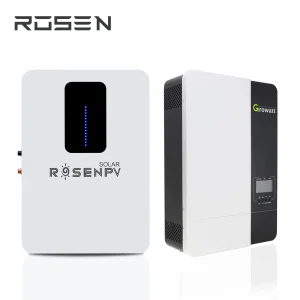
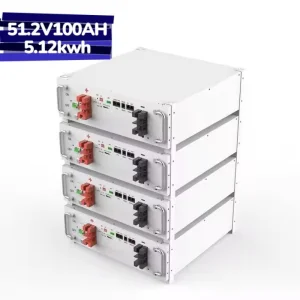
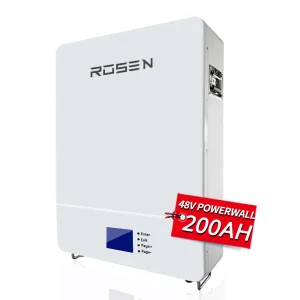
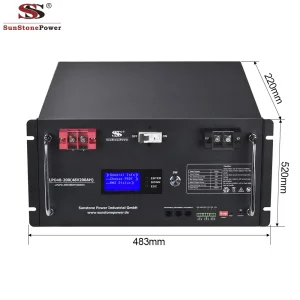
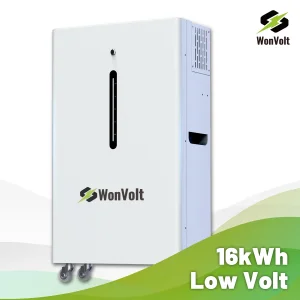
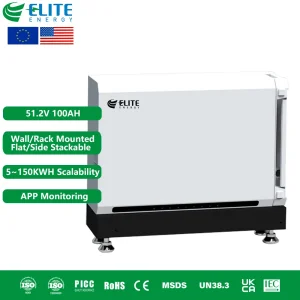
Homeowners globally utilize wall-mounted and rack-mounted LiFePO4 batteries (such as 48V 100ah and 200ah packs) to store solar energy. By utilizing smart BMS, these systems enable load shifting, peak-shaving, and reliable emergency backup power during grid failures.
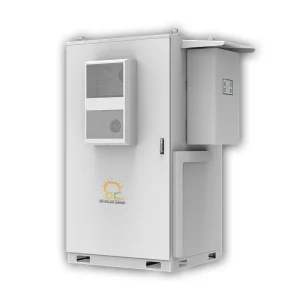
Large manufacturing facilities experience high demand charges during peak utility hours. Industrial high-voltage battery cabinets mitigate these spikes, saving substantial operational costs and serving as critical UPS backups for machinery.
12V, 24V, 48V, and 72V customized packs are optimized for golf carts, electric trucks, three-wheelers, and electric bikes. These batteries offer rapid acceleration, long ranges, and reliable performance over thousands of charging cycles.
Harsh marine environments demand shockproof, IP65/IP67 rated, rust-resistant lithium-ion solutions. Deep-cycle LiFePO4 battery banks power trolling motors, on-board living systems, and auxiliary electronics without the weight penalty of lead-acid.
Essential technical indicators and engineering benchmarks that procurement teams should audit when selecting a battery exporter.
Specify and demand Grade A Cells. Grade A cells are verified to have full nominal capacity, low internal resistance, and consistent cycle lifespans. Lower grade cells can compromise pack performance.
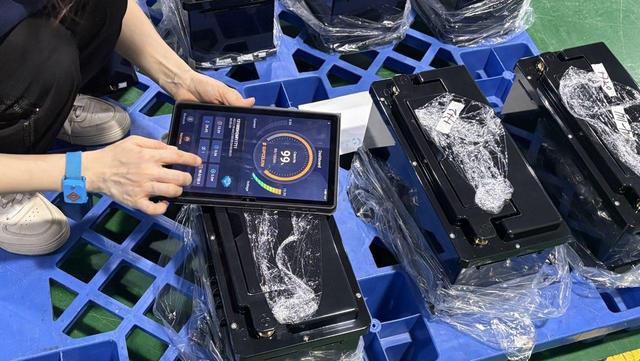
Ensure the built-in Smart BMS includes over-charge, over-discharge, over-current, and thermal cutoff protections. Additionally, check for active cell balancing, CANbus/RS485 communication protocols, and Bluetooth monitoring capability.
High-voltage and high-density battery packs require structural thermal management. Insist on aluminum heat sinks, thermal insulation materials between cells, or active fan cooling systems.
Verify testing documentation for UN38.3 (mandatory for air/sea transit), UL1973/UL9540A (for residential systems in North America), and IEC62619 (for global industrial energy storage installations).
The battery industry is moving rapidly toward higher safety profiles, increased energy densities, and sustainable sourcing. As factories scale, key developments are shaping the global market:
A professional Lithium Battery Manufacturer specializing in high-performance LiFePO4, Energy Storage, and Renewable Power Solutions.
Shenzhen GAF Energy Co., Ltd. is dedicated to delivering advanced energy storage technologies for residential, commercial, industrial, and renewable energy applications worldwide. With a focus on innovation, safety, and sustainability, we provide high-performance lithium battery solutions that support the growing global demand for clean and reliable energy.
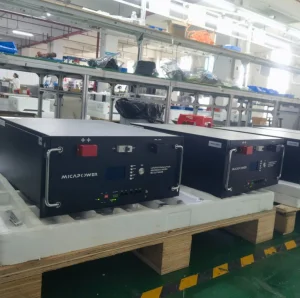
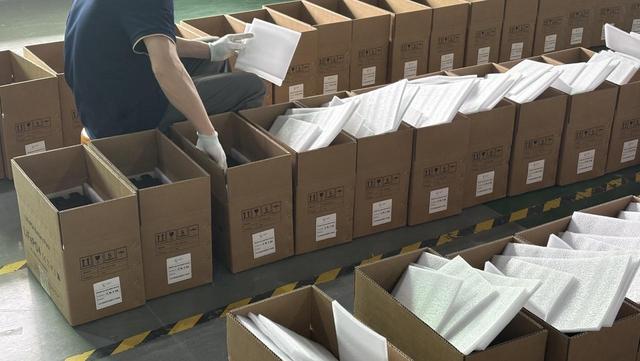
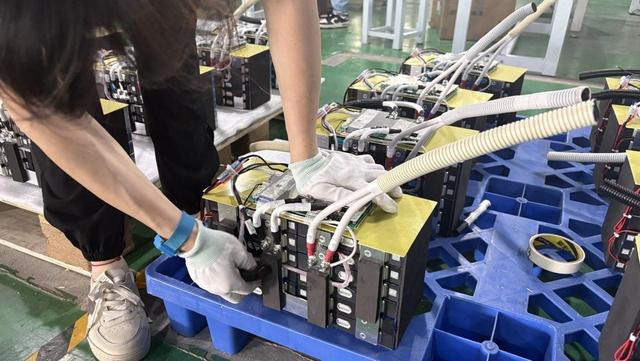
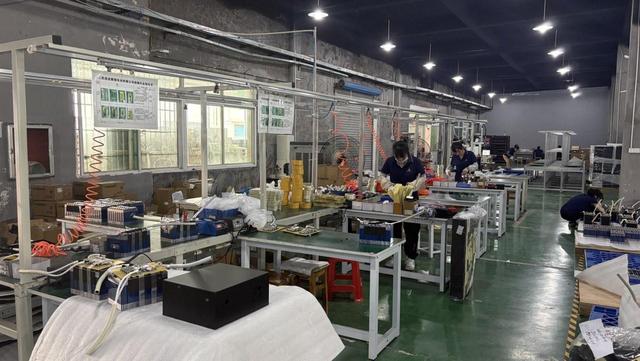
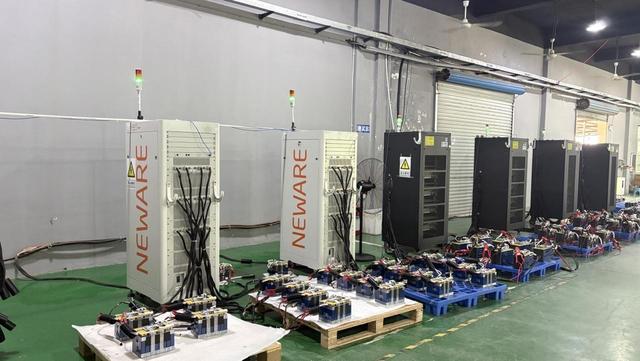
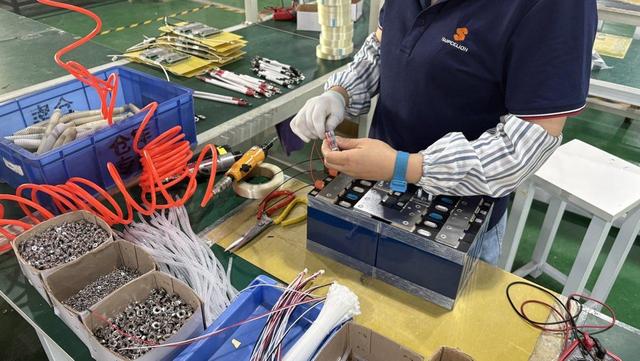
Headquartered in Shenzhen, China, GAF Energy operates modern manufacturing facilities equipped with advanced production equipment, automated assembly lines, and comprehensive quality management systems. The company specializes in the research, development, and production of LiFePO4 batteries, lithium-ion battery systems, residential energy storage batteries, commercial and industrial energy storage systems (ESS), solar storage batteries, rack-mounted battery systems, high-voltage battery solutions, and customized battery packs.
We place strong emphasis on product quality and technological innovation. By utilizing premium battery cells, intelligent battery management systems (BMS), and rigorous testing procedures, we ensure excellent safety, long cycle life, stable performance, and high energy efficiency. Every battery system is designed to meet the demanding requirements of renewable energy integration, backup power applications, and modern energy management solutions.
In addition to standard product offerings, GAF Energy provides comprehensive OEM and ODM services for distributors, energy solution providers, solar installers, system integrators, and private-label brands. From product design and engineering to manufacturing and technical support, we deliver flexible solutions tailored to specific project requirements.
Serving customers across North America, Europe, Australia, Southeast Asia, Africa, and the Middle East, Shenzhen GAF Energy Co., Ltd. has established long-term partnerships based on product reliability, competitive pricing, and responsive customer service. Committed to accelerating the transition toward sustainable energy, we continue to invest in advanced battery technologies and renewable energy innovations, helping customers achieve greater energy independence and long-term environmental benefits.
Technical and logistics answers designed to help procurement managers make informed decisions.
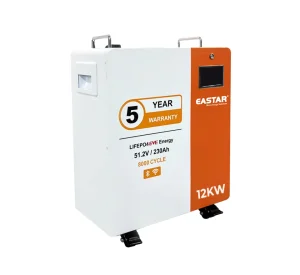
We provide comprehensive warranty coverage across our product line. Depending on the product specification, we offer 3-year, 5-year, and up to 10-year warranties on LFP cell series. The warranty is backed by capacity retention guarantees, ensuring the battery retains at least 70% of its original capacity over the warranty period under recommended operating conditions.
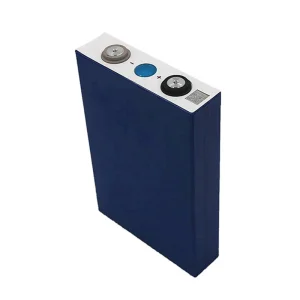
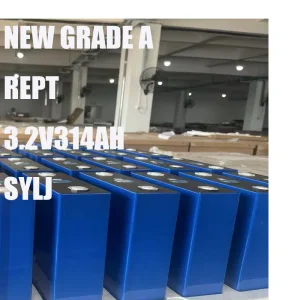
We utilize Tier-1 A-grade cells sourced from leading manufacturers (such as EVE, REPT, and DMEGC) as well as our own high-standard cells. These cells undergo screening and matching for capacity, voltage, and internal resistance before assembly, ensuring long cycle life and optimal performance.
Yes. Our integrated Smart BMS systems support common communication protocols including RS485, CANbus, and RS232. They are pre-configured to communicate with popular hybrid inverters such as Growatt, Deye, Victron, Goodwe, and SMA. Custom protocol matching is also available through our OEM/ODM services.
Standard product orders are processed quickly, particularly for stock items held in our local warehouses. For customized OEM/ODM projects (including custom plastic molds, sheet metal designs, or customized BMS programming), prototype design takes 15-20 days, and mass production takes 30-45 days following design approval.
Lithium-ion batteries are classified as Class 9 Dangerous Goods. We provide all necessary shipping documentation, including UN38.3 test reports, MSDS sheets, and Safe Transport Certificates. We partner with specialized dangerous goods freight forwarders to manage sea, air, and land transportation in compliance with international regulations.
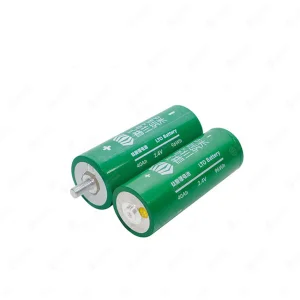
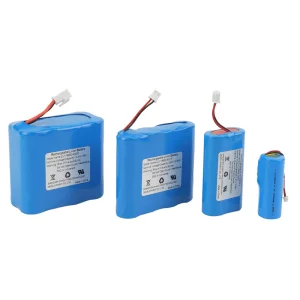
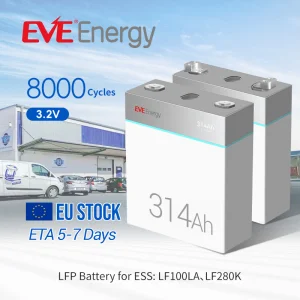
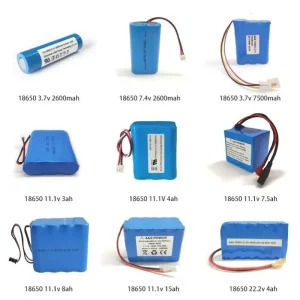
High-capacity individual cells, cylindrical battery packs, and vehicle-grade starting battery systems designed for industrial integrations.