GAF Energy
GAF Energy
GAF Energy
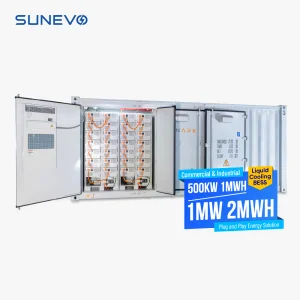
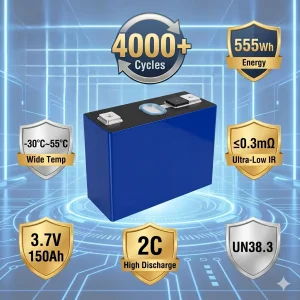
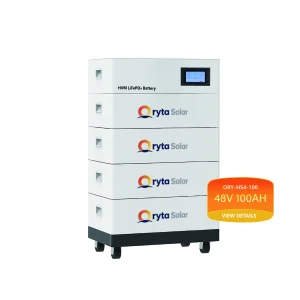
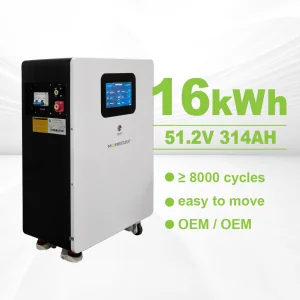
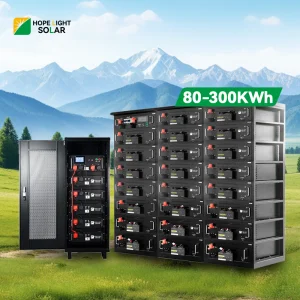
As the global energy paradigm pivots dynamically toward clean electrification, intermittent renewable resources like solar photovoltaic (PV) generation require highly robust stabilization interfaces. Solar storage batteries represent the critical linkage converting variable solar irradiance into predictable, dispatchable base-load power. From utility-scale grid support mechanisms to residential backup infrastructure, Battery Energy Storage Systems (BESS) represent the foundation of modern grid architecture.
For modern commercial enterprises, energy resilience is directly linked to operational stability. Industrial processes, automated manufacturing centers, and high-density data campuses require consistent power input. Deploying large-scale LFP (Lithium Iron Phosphate) solar storage systems mitigates the hazards of grid voltage fluctuations and blackouts. By leveraging peak shaving and load-shifting algorithms, facilities can purchase power during low-demand off-peak periods, store it, and discharge it during peak tariff hours, drastically lowering Demand Charges (peak power pricing) and maximizing return on investment (ROI).
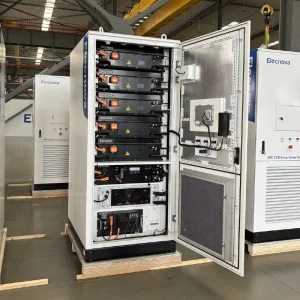
Modern microgrid configurations integrated with high-voltage battery storage (307.2V up to 614.4V+) minimize transmission thermal losses and support seamless active filtering. By adopting bidirectional PCS (Power Conversion Systems), operations can convert AC to DC for storage and reverse the flow dynamically to support regional grids during frequency deviations.
Shenzhen GAF Energy Co., Ltd. is a professional Lithium Battery Manufacturer | LiFePO4, Energy Storage & Renewable Power Solutions dedicated to delivering advanced energy storage technologies for residential, commercial, industrial, and renewable energy applications worldwide. With a focus on innovation, safety, and sustainability, the company provides high-performance lithium battery solutions that support the growing global demand for clean and reliable energy.
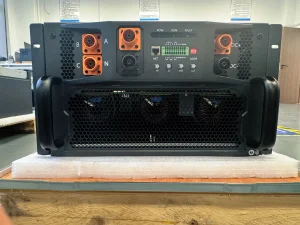
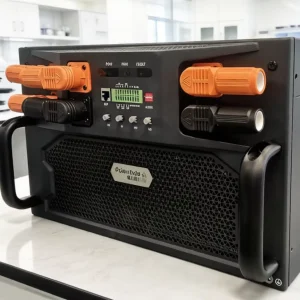
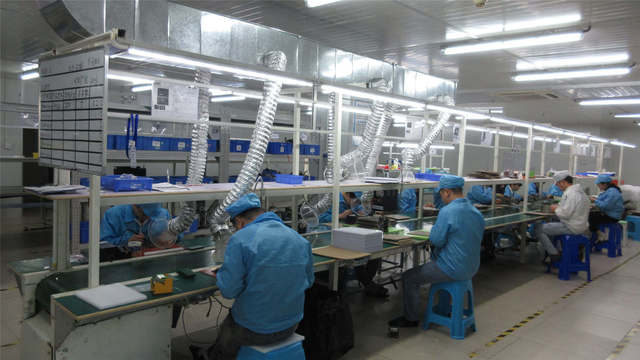
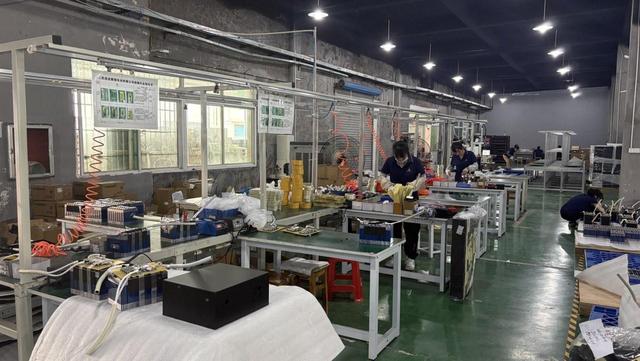
Headquartered in Shenzhen, China, GAF Energy operates modern manufacturing facilities equipped with advanced production equipment, automated assembly lines, and comprehensive quality management systems. The company specializes in the research, development, and production of LiFePO4 batteries, lithium-ion battery systems, residential energy storage batteries, commercial and industrial energy storage systems (ESS), solar storage batteries, rack-mounted battery systems, high-voltage battery solutions, and customized battery packs.
GAF Energy places strong emphasis on product quality and technological innovation. By utilizing premium battery cells, intelligent battery management systems (BMS), and rigorous testing procedures, the company ensures excellent safety, long cycle life, stable performance, and high energy efficiency. Every battery system is designed to meet the demanding requirements of renewable energy integration, backup power applications, and modern energy management solutions.
The global leadership of Chinese manufacturing in the lithium battery value chain is driven by supply chain integration, technological refinement, and economies of scale. Centered in industrial clusters like Shenzhen, companies like GAF Energy leverage direct access to raw materials and refined components, including cathode materials, electrolyte formulations, anode structures, and smart BMS components.
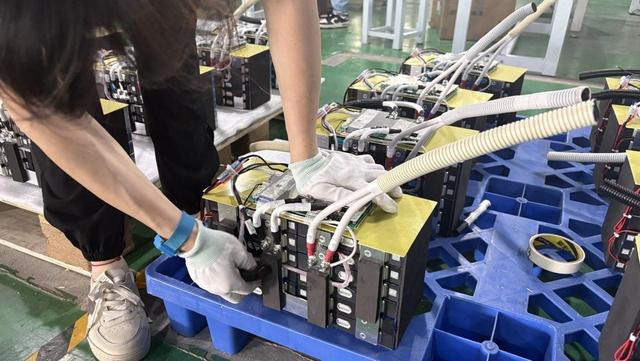
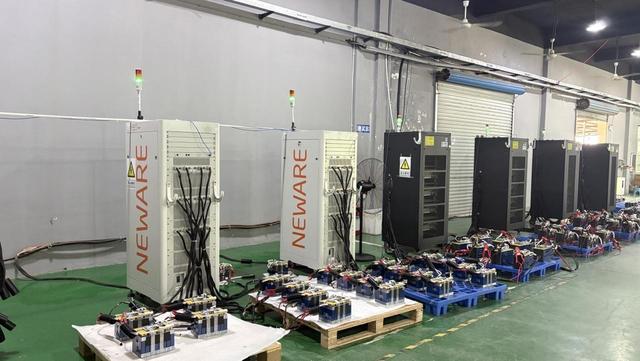
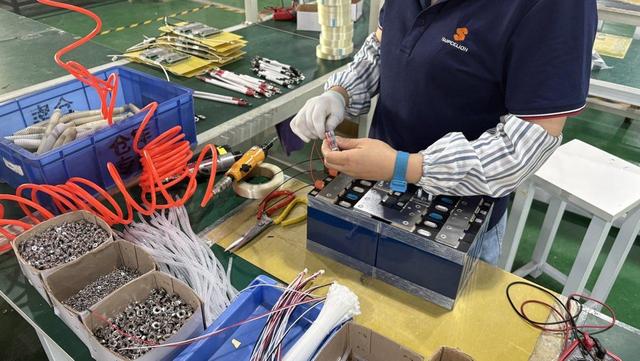
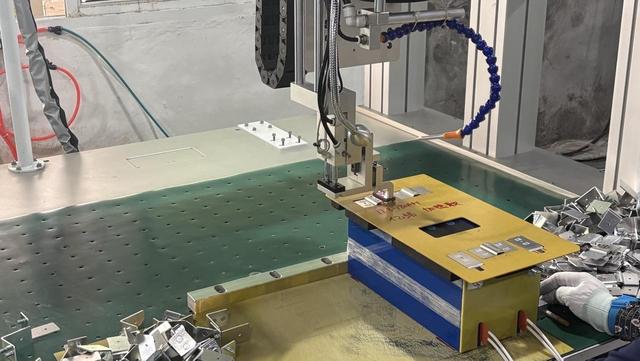
This physical proximity eliminates high transport latency, ensuring that GAF Energy operates at peak capital efficiency. The transition from raw lithium cells to integrated battery pack units involves complex automated calibration processes. Advanced equipment handles sorting, matching, and welding with extreme precision. GAF Energy's manufacturing process uses automated voltage and internal resistance sorting systems to group matched cells, minimizing imbalance risks and extending overall pack life.
Furthermore, the industrial scaling achieved within China reduces the Levelized Cost of Storage (LCOS) for international buyers. Exporting high-capacity systems globally requires compliance with strict logistics protocols (such as UN38.3 packaging, IMDG Class 9 hazardous goods clearance, and customized sea/rail shipping solutions). GAF Energy's established export infrastructure ensures secure, compliant, and cost-effective transport to North America, Europe, Australia, and growing emerging markets.
| Parameter | NMC Ternary Cells | LiFePO4 (LFP) Cells | Solid-State Tech (CALB Class) |
|---|---|---|---|
| Energy Density | High (200-260 Wh/kg) | Moderate (140-180 Wh/kg) | Extremely High (280+ Wh/kg) |
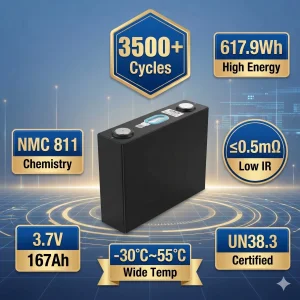
| Cycle Lifetime (80% DoD) | 3,500 - 4,000 Cycles | 6,000 - 8,000 Cycles | Up to 10,000 Cycles |
| Thermal Runaway Temp | ~150°C | ~270°C | >350°C (Highly Stable) |
| Primary Applications | EVs, Logistics AGVs, Portable Power | C&I Storage, Home Systems, Solar ESS | Next-Gen ESS, Special Heavy Duty |
To maximize energy yield and reliability, storage systems must be configured for their specific operating environment. GAF Energy designs and delivers customized solutions tailored to regional grid conditions and client requirements.
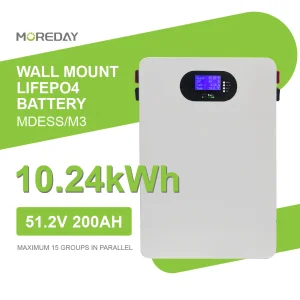
Optimized for regions with high electricity tariffs (e.g., Germany, Italy, Australia). Homeowners use stacked, wall-mounted, or floor-mounted 10kWh to 20kWh systems to store daytime solar energy, maximizing self-consumption and securing power during grid outages.
Tailored for factories, logistics centers, and retail parks. High-capacity containerized layouts (500kWh to 2MWh+) provide peak shaving, offset demand spikes, and support emergency operations, ensuring critical systems remain online during power cuts.
Engineered for isolated areas, island grids, and mining sites. Integrating 125kW/135kW bidirectional PCS with diesel generators and solar arrays ensures continuous, clean power and reduces reliance on fuel imports.
The battery energy storage industry is evolving rapidly, driven by three key technological shifts:
When source-evaluating solar storage batteries from global manufacturers, procurement teams must look beyond initial purchase price. Key evaluation metrics include:
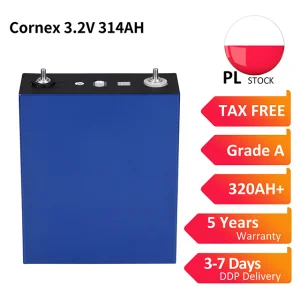
We ensure system stability by selecting only Grade A cells from top-tier brands (e.g., CATL, EVE, Cornex, CALB). Before pack assembly, our automated testing systems sort and match cells by voltage, capacity, and internal resistance. Additionally, our intelligent BMS balances cell state-of-charge during both charge and discharge cycles, preventing local degradation.
High-voltage designs (up to 512V and above) reduce current requirements for the same power output. Lower currents decrease transmission-line energy losses and require thinner cabling, reducing installation complexity and lowering system costs for C&I applications.
Lithium Iron Phosphate (LiFePO4) is the industry standard for stationary storage due to its long life (up to 8,000 cycles at 80% DOD), exceptional thermal stability, and low cost. NMC chemistries, while offering higher energy density, are typically preferred for space-constrained mobile applications like electric vehicles, AGVs, and forklifts.
We provide end-to-end design, engineering, and manufacturing services for private-label brands and installers. This includes custom battery pack dimensions, specific capacity ratings, communication protocols, and integrated branding solutions.
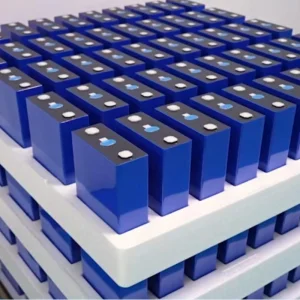
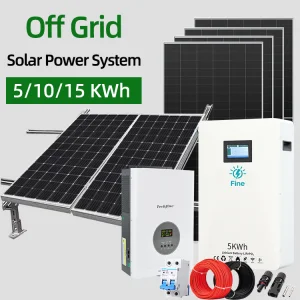
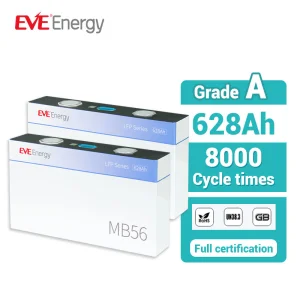
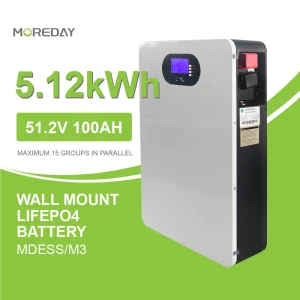
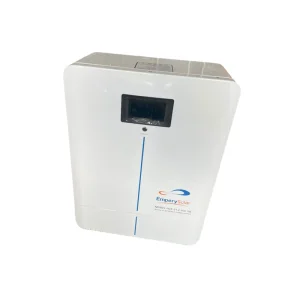
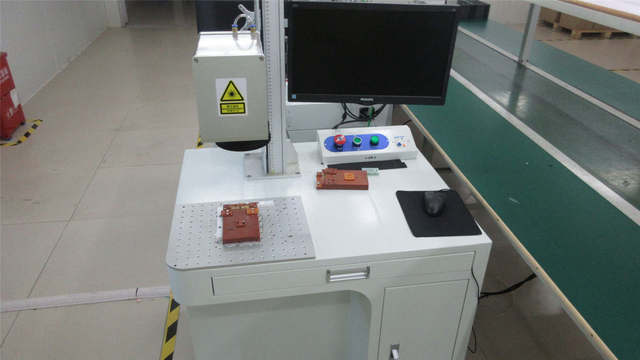
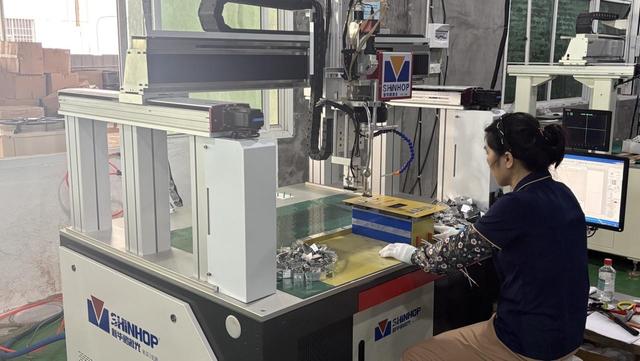
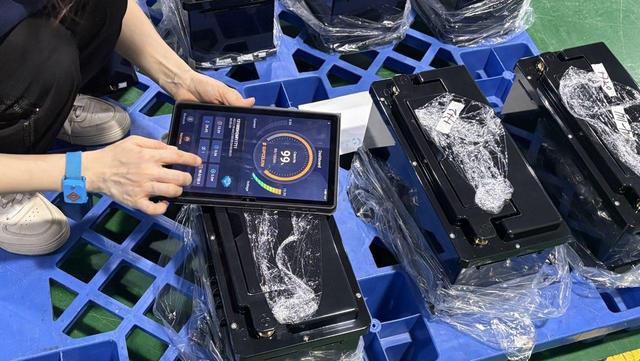
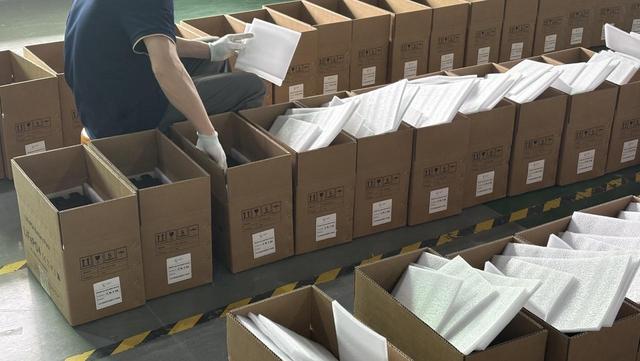
To guarantee the performance and reliability of our battery systems, GAF Energy operates automated manufacturing facilities. Our production line integrates cell grading, auto-sorting, advanced laser welding, and multi-stage testing systems. This rigorous manufacturing process ensures that every delivered battery pack meets global safety and performance standards.
Serving customers across North America, Europe, Australia, Southeast Asia, Africa, and the Middle East, Shenzhen GAF Energy Co., Ltd. has established long-term partnerships based on product reliability, competitive pricing, and responsive customer service. Committed to accelerating the transition toward sustainable energy, the company continues to invest in advanced battery technologies and renewable energy innovations, helping customers achieve greater energy independence and long-term environmental benefits.