GAF Energy
GAF Energy
GAF Energy
Explore our high-density battery storage packages, standard dynamic low-voltage stackable options, and smart all-in-one systems engineered for peak performance.
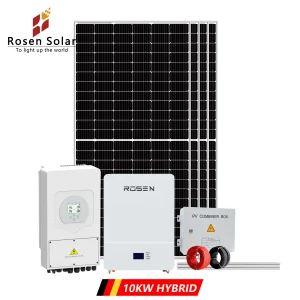
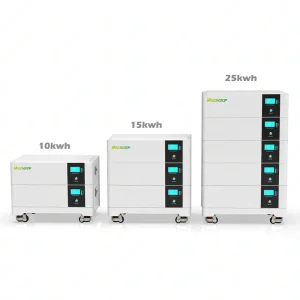
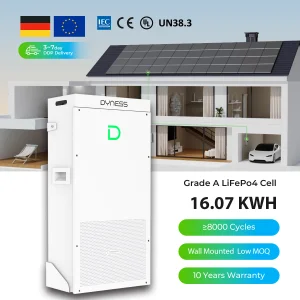
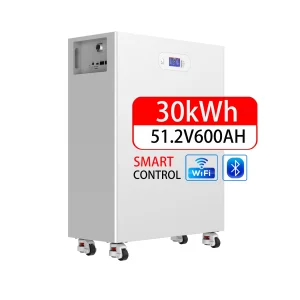
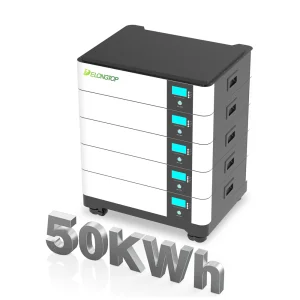
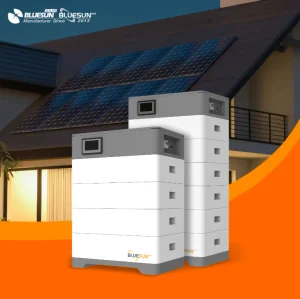
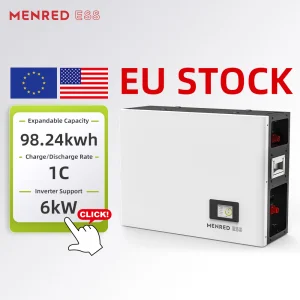
The global residential energy paradigm is shifting rapidly from passive consumption to grid-interactive resilience. Homeowners and grid operators alike are adopting decentralized storage systems. Driven by fluctuating electricity tariffs, localized grid instability, and the continuous adoption of microgeneration solar photovoltaics (PV), Residential Energy Storage Batteries have transformed from luxury fallback appliances into fundamental building blocks of modern smart homes.
As global energy grids face extreme climate volatility and aging infrastructure, localized energy resilience is becoming critical. In regions such as Western Europe, North America, and Australia, dynamic time-of-use (TOU) tariffs encourage consumers to store off-peak solar power or cheap night-rate electricity from the grid. This energy is then discharged during high-cost peak evening periods. This practice, known as peak shaving or load shifting, maximizes the return on investment (ROI) for clean energy investments while easing strain on utility infrastructure.
Moreover, modern residential BESS systems are no longer isolated energy silos. Via advanced cloud APIs and Internet-of-Things (IoT) energy managers, these units form Virtual Power Plants (VPPs). By aggregating thousands of home batteries, software platforms can inject power back into the utility grid during sudden supply deficits, compensating owners at premium rates. Shenzhen GAF Energy Co., Ltd. sits at the heart of this macro transition, producing highly adaptive, robust battery platforms that facilitate multi-directional energy flows and maximize levelized cost of storage (LCOS) efficiency.
Engineered to deliver long-term structural integrity and optimized chemical cycle lifetimes.
| Parameter Details | Low-Voltage (LV) Systems (48V / 51.2V) | High-Voltage (HV) Systems (>100V - 400V) | }
|---|---|---|
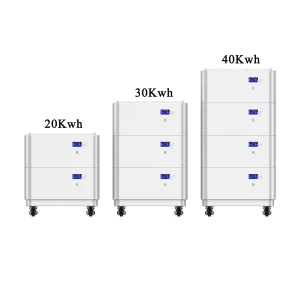
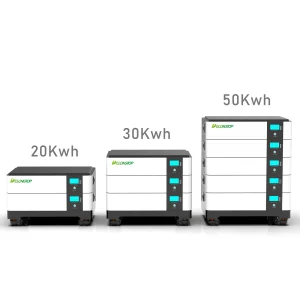
| Typical Capacity Configurations | 5.12 kWh to 30 kWh (scalable in parallel) | 10 kWh to 80 kWh (scalable in series) |
| System Architectures | High-current, simplified cell balancing, parallel design | Low-current, highly efficient conversion, series architecture |
| Target Applications | Retrofits, direct off-grid backups, modular expansions | New high-power installations, EV quick-charging integration |
| Round-Trip Efficiency | ~91% - 93% | ~95% - 97% (lower cabling thermal losses) |
| Installation Overhead | DIY-friendly, lower electrical safety rating requirements | Requires specialized high-voltage certified installers |
The chemical composition of your energy storage unit determines its long-term safety, efficiency, and lifecycle costs.
Unlike Lithium Nickel Manganese Cobalt Oxide (NMC) cells, Lithium Iron Phosphate (LiFePO4) boasts a robust olivine structure. This structure creates extremely strong covalent bonds between phosphorus and oxygen atoms, preventing oxygen release under high operating temperatures. Consequently, the threshold for thermal runaway is above 270°C, virtually eliminating the risk of fire or explosion in residential applications.
LiFePO4 chemistry easily achieves between 6,000 and 11,000 partial cycles before capacity degrades to 80% of its original rating. This means a daily-cycled battery system can operate reliably for over 15 to 20 years. This longevity drastically lowers the levelized cost of energy storage, making LFP the most economical solution for long-term home installations.
LFP cells are free from cobalt and nickel, eliminating the ethical and environmental challenges associated with mining those materials. They are much easier to recycle and pose far lower environmental hazards at the end of their operational life, aligning with modern corporate environmental, social, and governance (ESG) targets.
For distributors, system integrators, and solar developers, procuring Residential Energy Storage Batteries involves looking far beyond sticker prices. The complex logistics, international compliance rules, and technical integration requirements demand an experienced manufacturing partner.
Exporting battery systems requires strict adherence to international safety frameworks. Manufacturers must maintain up-to-date compliance certifications, including:
Global distributors frequently require tailor-made solutions. Professional manufacturers provide bespoke battery configurations, custom casing dimensions, customized communication protocols (CANbus/Modbus/RS485), and private labeling to help clients build local brand equity while using proven internal technology.
Shenzhen GAF Energy Co., Ltd. is a professional Lithium Battery Manufacturer | LiFePO4, Energy Storage & Renewable Power Solutions dedicated to delivering advanced energy storage technologies for residential, commercial, industrial, and renewable energy applications worldwide. With a focus on innovation, safety, and sustainability, the company provides high-performance lithium battery solutions that support the growing global demand for clean and reliable energy.
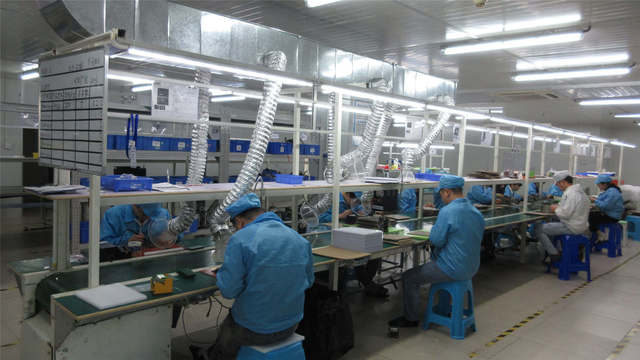
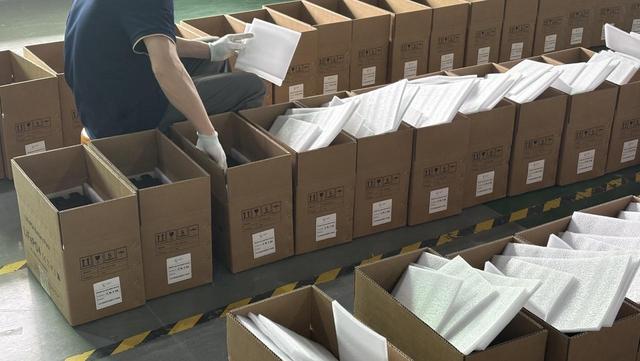
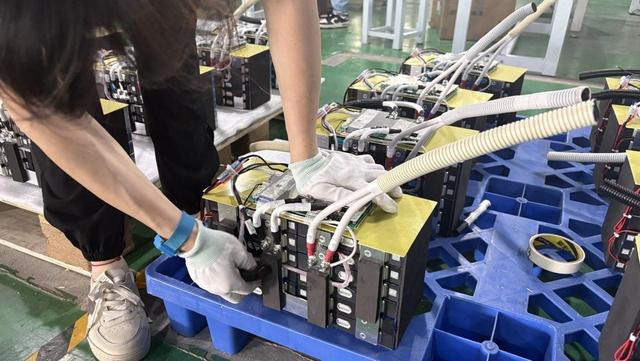
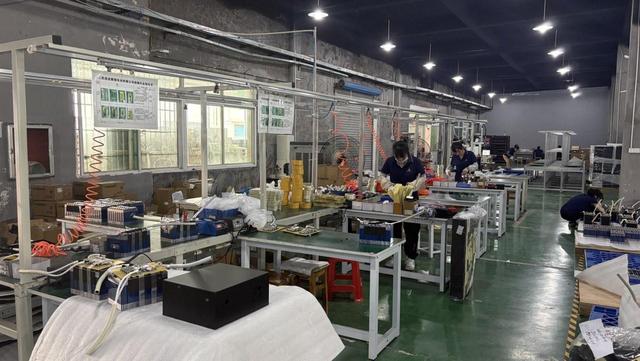
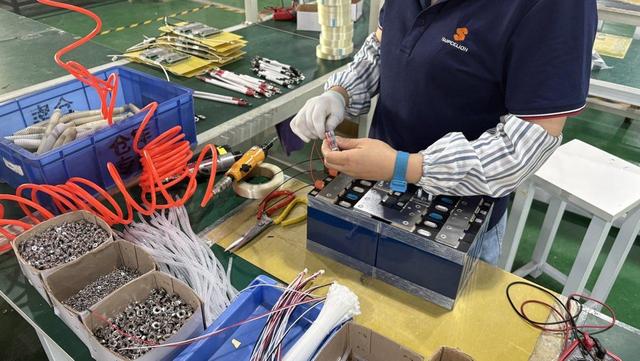
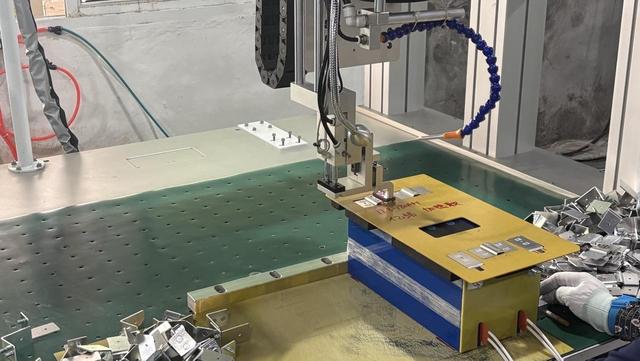
Headquartered in Shenzhen, China, GAF Energy operates modern manufacturing facilities equipped with advanced production equipment, automated assembly lines, and comprehensive quality management systems. The company specializes in the research, development, and production of LiFePO4 batteries, lithium-ion battery systems, residential energy storage batteries, commercial and industrial energy storage systems (ESS), solar storage batteries, rack-mounted battery systems, high-voltage battery solutions, and customized battery packs.
GAF Energy places strong emphasis on product quality and technological innovation. By utilizing premium battery cells, intelligent battery management systems (BMS), and rigorous testing procedures, the company ensures excellent safety, long cycle life, stable performance, and high energy efficiency. Every battery system is designed to meet the demanding requirements of renewable energy integration, backup power applications, and modern energy management solutions.
In addition to standard product offerings, GAF Energy provides comprehensive OEM and ODM services for distributors, energy solution providers, solar installers, system integrators, and private-label brands. From product design and engineering to manufacturing and technical support, the company delivers flexible solutions tailored to specific project requirements.
Serving customers across North America, Europe, Australia, Southeast Asia, Africa, and the Middle East, Shenzhen GAF Energy Co., Ltd. has established long-term partnerships based on product reliability, competitive pricing, and responsive customer service. Committed to accelerating the transition toward sustainable energy, the company continues to invest in advanced battery technologies and renewable energy innovations, helping customers achieve greater energy independence and long-term environmental benefits.
The future of home energy storage lies in smart integration, high safety profiles, and next-generation battery chemistry.
Tomorrow's batteries are smart, connected nodes. With integrated IoT sensors, modern battery systems can analyze weather forecasts, monitor local energy consumption patterns, and predict peak prices. This allows the system to charge and discharge autonomously, optimizing costs without requiring user intervention.
While LiFePO4 remains the industry standard, sodium-ion technology is emerging for cold-climate applications, while solid-state cells promise to double energy density. Future storage designs will support multi-chemistry integration, allowing modules to run on either technology depending on availability and environmental needs.
Second-life utilization frameworks are becoming standard. At 80% capacity, retired EV batteries can be repurposed into stationary home storage units, while dedicated recycling pipelines recover raw active minerals to feed directly back into local cell manufacturing loops.
Providing expert answers to key technical questions raised by distributors and project engineers.
Low-Voltage (LV) systems typically operate at 48V or 51.2V. They are safer to install, highly modular, and offer simple plug-and-play scaling in parallel. High-Voltage (HV) systems operate at 100V to 400V+. They offer higher round-trip DC-to-DC conversion efficiency, lower transmission losses, and are ideal for high-power demands and large hybrid inverter integration.
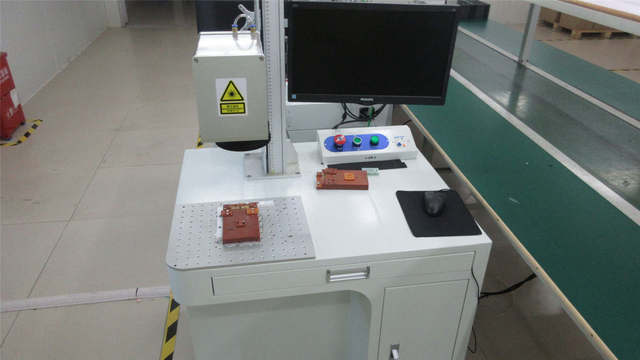
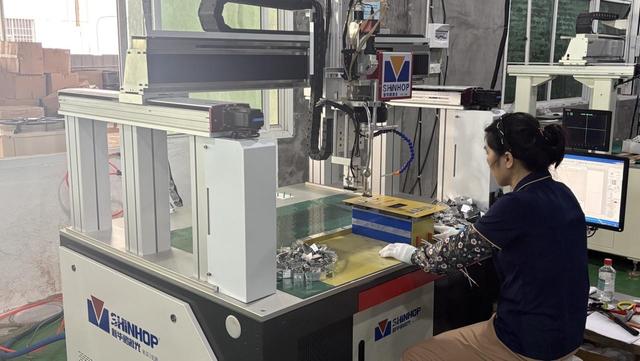
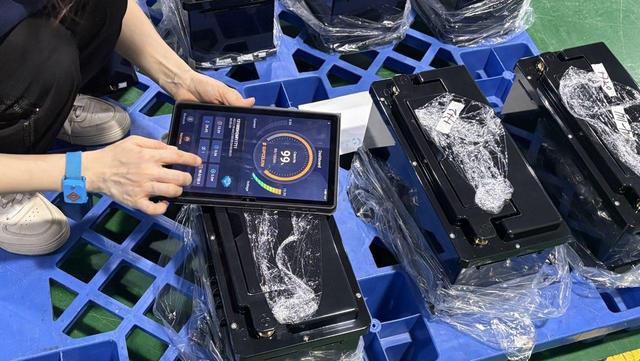
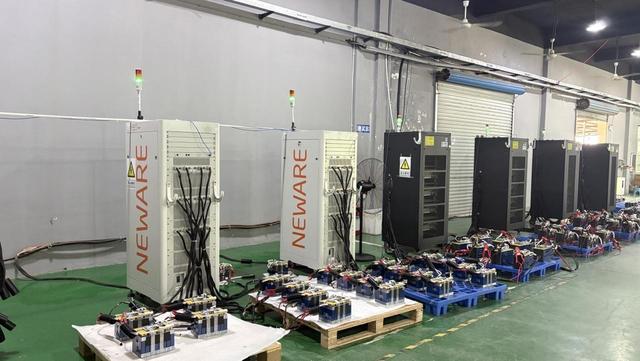
Every battery system undergoes a multi-stage automated testing protocol. This includes cell capacity matching, high-precision laser welding quality checks, active BMS calibration, and full temperature-controlled charge-discharge aging cycles. We source only A-grade prismatic LiFePO4 cells to ensure maximum structural integrity and prevent early capacity degradation.
Yes. GAF Energy batteries are programmed to communicate seamlessly with major hybrid inverter brands, including Victron Energy, SMA, Deye, Growatt, Solis, and Luxpower. The integrated Smart BMS supports CANbus, RS485, and Modbus communication protocols out of the box, allowing easy firmware integration.
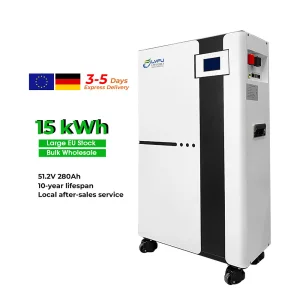
We maintain dedicated local stock in EU warehouses (such as Germany and Poland), enabling quick shipping within Europe. For wholesale, custom OEM, or bulk container orders shipped directly from our Shenzhen facility, typical production lead times range from 20 to 30 days depending on raw material backlogs and customization requirements.
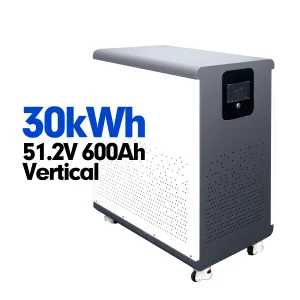
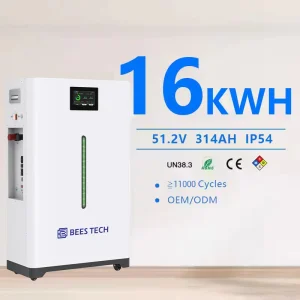
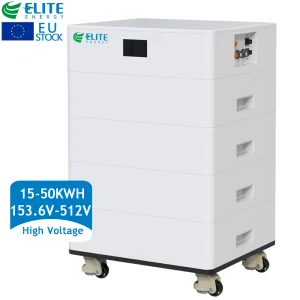
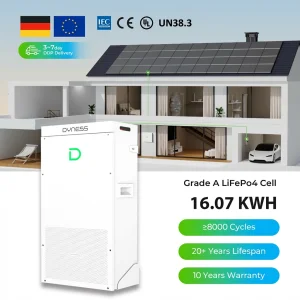
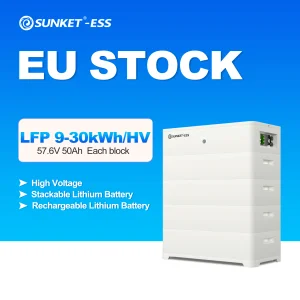
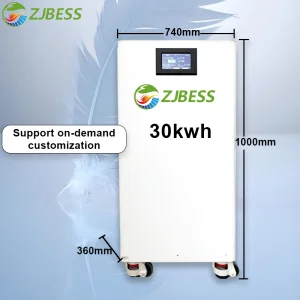
Our high-capacity series is designed to handle demanding home loads, microgrid integration, and reliable backup power.