GAF Energy
GAF Energy
GAF Energy
Explore our top-tier battery system offerings, engineered with highly-integrated BMS technologies, robust cycle durability, and global safety certifications.
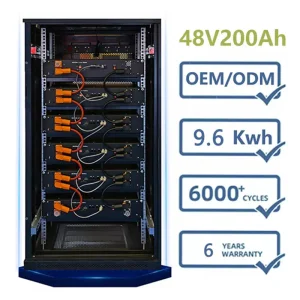
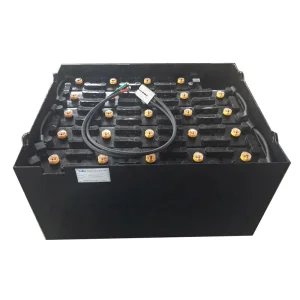
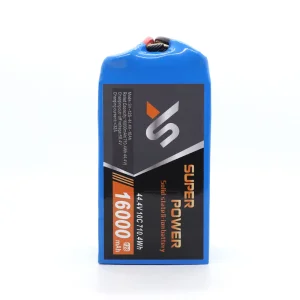
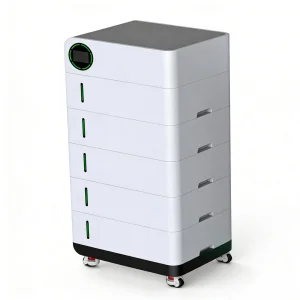
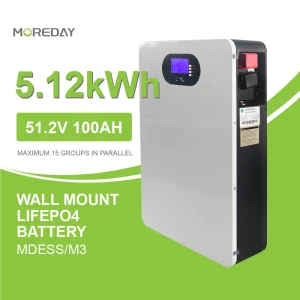
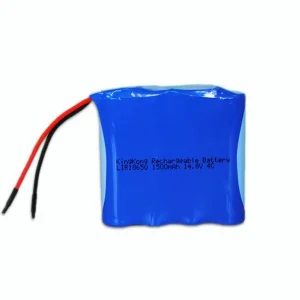
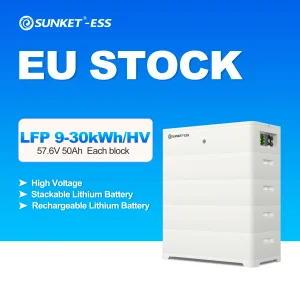
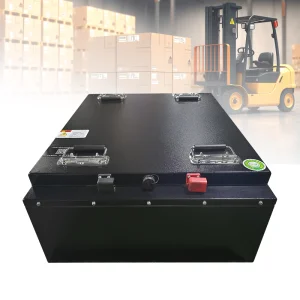
As energy structures globally undergo severe transitions toward decarbonization, finding a resilient, high-quality backup power manufacturer has evolved from a procurement necessity to a critical risk-management decision. Shenzhen GAF Energy Co., Ltd. operates at the forefront of this revolution. Based in China's high-tech manufacturing hub, Shenzhen, GAF Energy is a specialized, vertically-integrated Lithium Battery Manufacturer specializing in advanced LiFePO4, Energy Storage Systems (ESS), & Renewable Power Solutions.
Our core mission centers around engineering lithium-based architectures that maximize uptime, cycle integrity, and structural safety across multiple sectors: from heavy-duty industrial warehouses to off-grid solar-powered communities. Utilizing grade-A cells, intelligent Battery Management Systems (BMS), and precision structural design, GAF Energy ensures that every system performs reliably under demanding ambient conditions and severe grid instability.
China produces more than 75% of the world’s lithium-ion battery configurations. This dominance is not merely a product of cheap labor, but a result of deep vertical supply chain integration. In Shenzhen, GAF Energy operates an ecosystem that leverages raw-material proximity, cutting-edge automated assembly lines, and high-level R&D infrastructure.
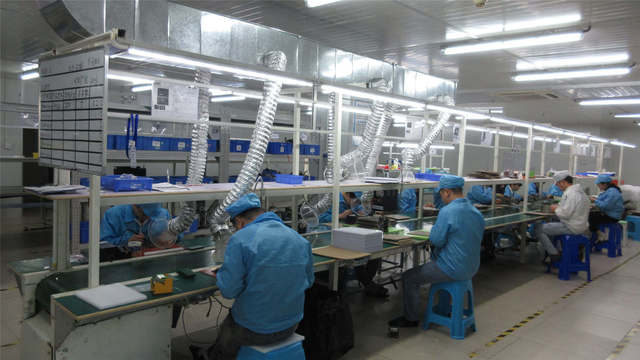
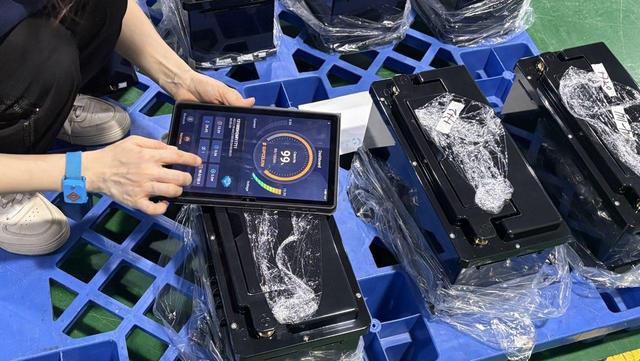
Because the components of a backup power system—such as cathode materials, graphite anodes, separators, liquid electrolytes, and smart BMS circuit boards—are sourced locally, the assembly phase undergoes zero logistics lag. GAF Energy harnesses this rapid integration loop to design bespoke architectures. Our factories incorporate highly sophisticated Automated Optical Inspection (AOI) machines, automated cell grading systems, and massive capacity-testing banks that verify thermal stability and discharge curves prior to global shipment.
From chemical-grade lithium carbonate purification to electrode coating, GAF Energy’s localized network ensures stable material pricing and uncompromised ingredient purity.
Precise capacity grading and impedance profiling guarantee that battery pack assemblies maintain consistent SOC metrics, drastically mitigating early module decay.
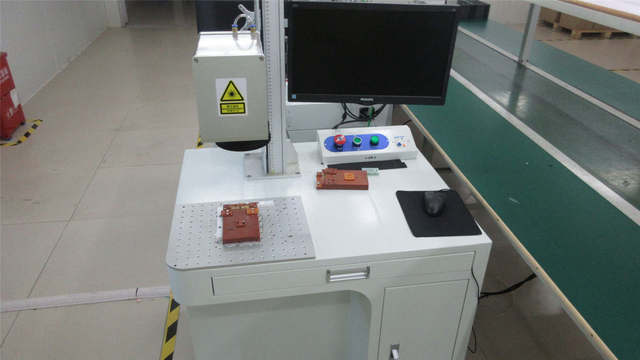
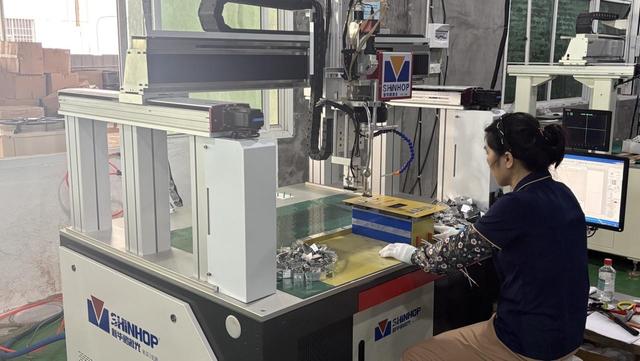
By utilizing automated laser-welding robots and automated structural housing lines, we scale up production speed while keeping cell connection resistance down to micro-ohm levels.
Deploying massive chemical energy storage systems involves stringent regulatory scrutiny. Without appropriate certifications, importing energy assets poses significant legal and fire hazard challenges. GAF Energy prioritizes compliance by designing products that natively conform to top-tier global testing benchmarks.
Our lithium backup platforms (specifically our LiFePO4 series) undergo extensive evaluations. We supply full technical documentation including UN38.3 test reports, MSDS certifications, UL1973/UL9540A testing procedures, CE, IEC 62619, and FCC approvals. This provides custom-duty clear paths and streamlined utility connection permits globally.
| Standard / Certification | Core Focus Area | GAF Energy Implementation Protocol |
|---|---|---|
| UL 1973 / UL 9540A | Thermal runaway fire propagation & battery safety in stationary use | Tested under severe puncture and overcharge profiles; ensures zero fire spread beyond the module. |
| IEC 62619 | Safety requirements for industrial secondary lithium cells & batteries | Integrated redundant protection circuitry in the BMS to halt anomalies prior to casing exposure. |
| UN 38.3 & MSDS | Global transport safety & hazardous materials handling documentation | Strict vibration, impact, low-pressure simulation, and thermal shock testing prior to shipping. |
| CE / RoHS | European environmental compliance & electromagnetic compatibility | Lead-free component assembly and optimized shielding components to prevent EMI grid noise. |
Different applications require drastically different power delivery metrics. For instance, heavy machinery traction requires intense low-impedance current discharge, whereas telecom base stations call for prolonged, low-amp current delivery. Our team analyzes these specific operational profiles to advise on cell selections.
Equipping electric forklifts and AGVs with heavy-duty AGM or LFP traction packs that tolerate high mechanical vibration and rapid multi-phase recharging.
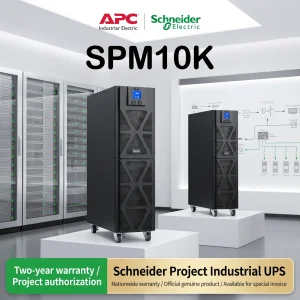
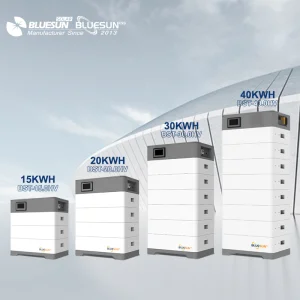
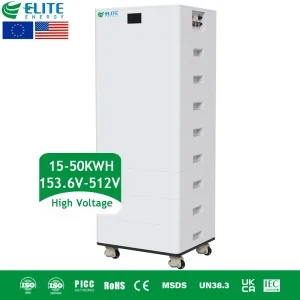
Integrating sub-millisecond UPS backup systems powered by high-voltage LFP stacks, preventing database drops during instantaneous grid failure events.
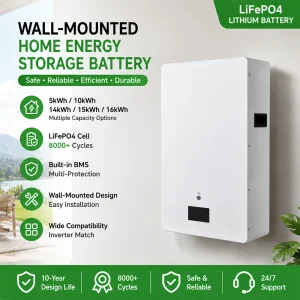
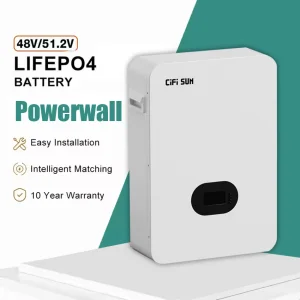
Utilizing high-density home powerwalls that store surplus midday photovoltaic energy to power properties during expensive peak rate windows.
Engineering ultra-lightweight Lithium Polymer packs designed to supply high energy-to-mass ratios, extending commercial UAV surveillance cycles.
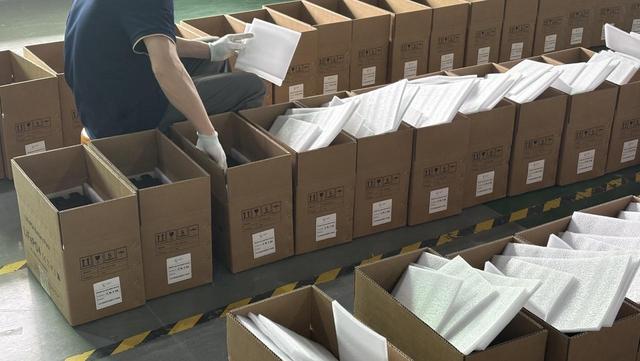
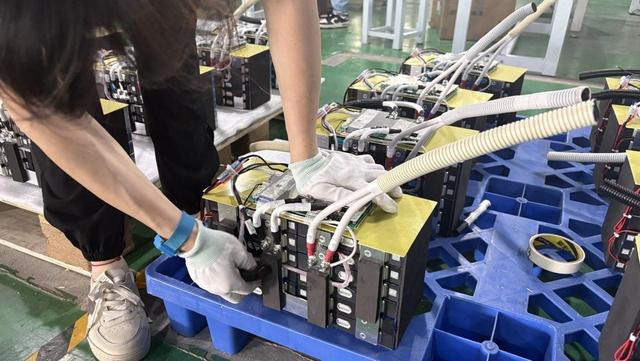
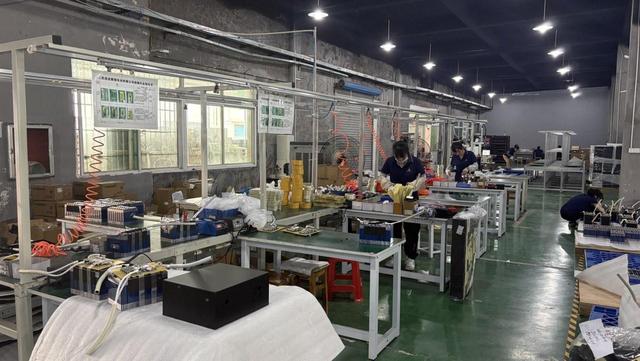
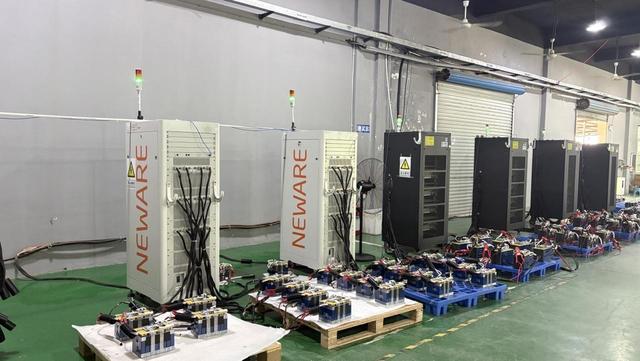
Transparency is key to establishing long-term commercial partnerships. Below we present actual visual captures of GAF Energy’s battery pack manufacturing processes, testing chambers, raw stock inventories, and delivery pre-checks.
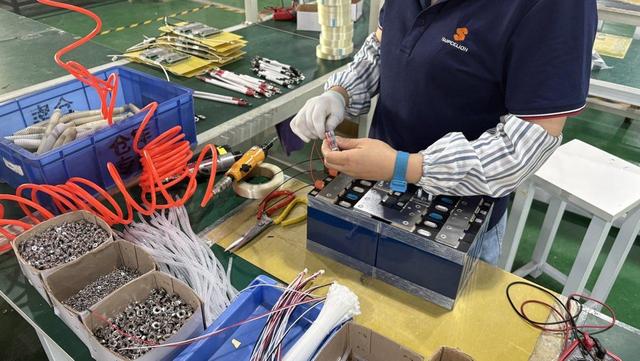
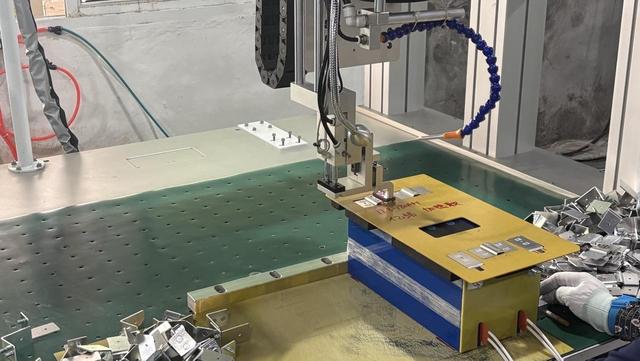
The backup power solutions market is shifting rapidly from traditional 12V and 24V setups toward ultra-high-voltage systems operating between 400V and 800V. This architecture reduces currents significantly, keeping wire dimensions small and minimizing transmission heat loss. Additionally, smart grid integration is becoming standard. Contemporary backup power systems must communicate directly with smart solar inverters using standard CAN bus or RS485 interfaces.
GAF Energy’s R&D division has spent years refining the communication layer of our battery solutions. Through integrated Cloud-BMS telemetry, owners and operations managers can track cell health, calculate SOC, and predict degradation patterns remotely via a clean user dashboard. This keeps operating costs low and prevents sudden, unannounced system failures.
Find detailed explanations to critical questions commonly raised by system designers, distributors, and engineering procurement professionals.
Lithium Iron Phosphate (LiFePO4) exhibits superior thermal and chemical stability compared to NMC (Nickel Manganese Cobalt) chemistries. The strong covalent bond between phosphorus and oxygen in the PO4 framework resists high temperatures and keeps the battery safe from structural collapse during extreme thermal scenarios, virtually eliminating the risk of explosive thermal runaway.
Yes. GAF Energy designs its battery management systems to support wide compatibility protocol settings. Using our software tool, you can select specific communication configurations to integrate seamlessly with global inverter brands like SMA, Growatt, Deye, Victron, and GoodWe over CAN or RS485 lines.
Our batteries operate efficiently between -20°C and +60°C. For sub-zero installations, we offer modules integrated with automatic heater elements. These elements pre-heat the cells using charge current, preventing dangerous low-temperature lithium plating.
Custom battery packs requiring layout design, cell selection, BMS programming, and housing molding typically take 4 to 6 weeks from approval to assembly. Bulk custom components or standard modular stack packs can be expedited sooner thanks to our dedicated material inventory.
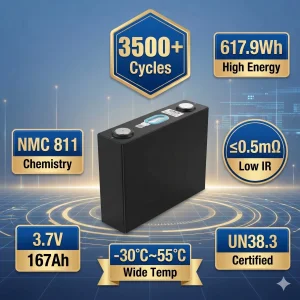
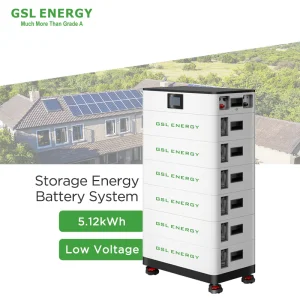
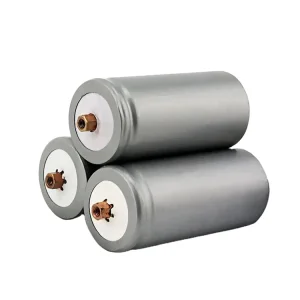
Browse GAF Energy’s specialized range, extending from compact residential powerwalls to industrial prismatic cells and UPS cabinets.