1 / 5
 GAF Energy
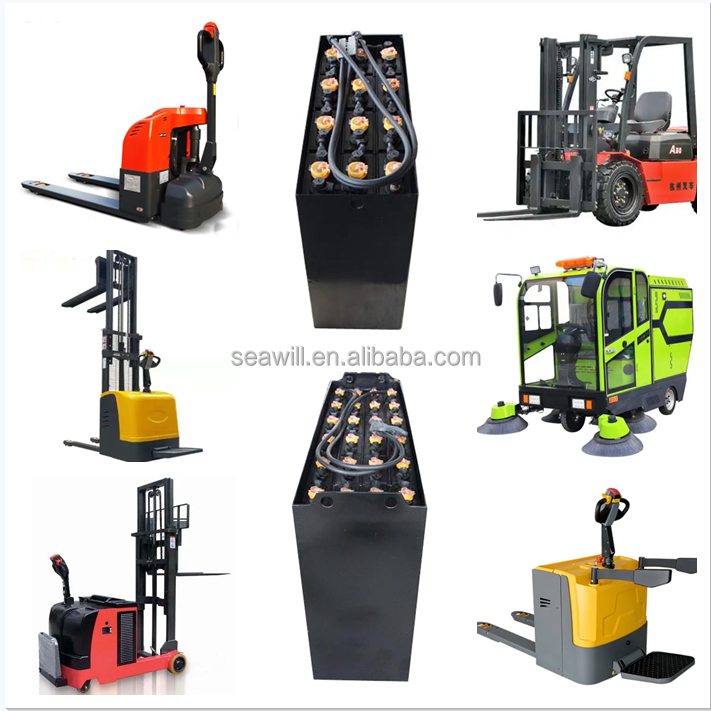
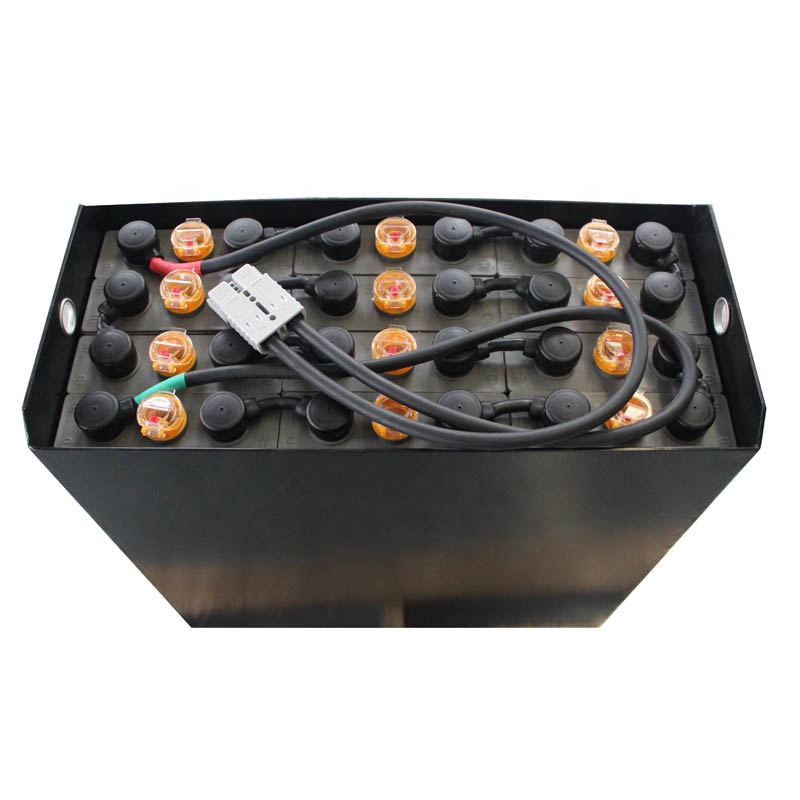
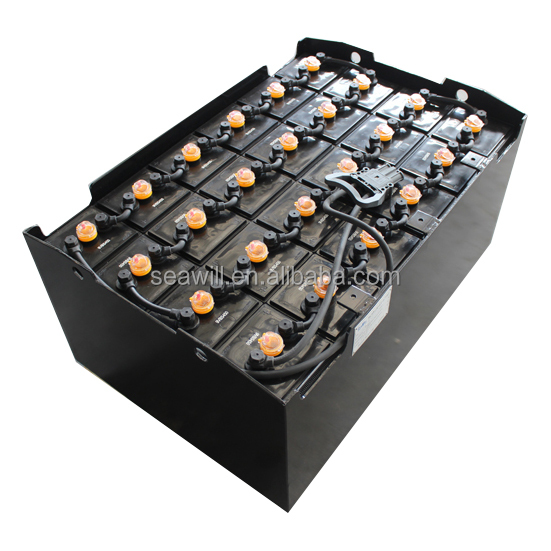
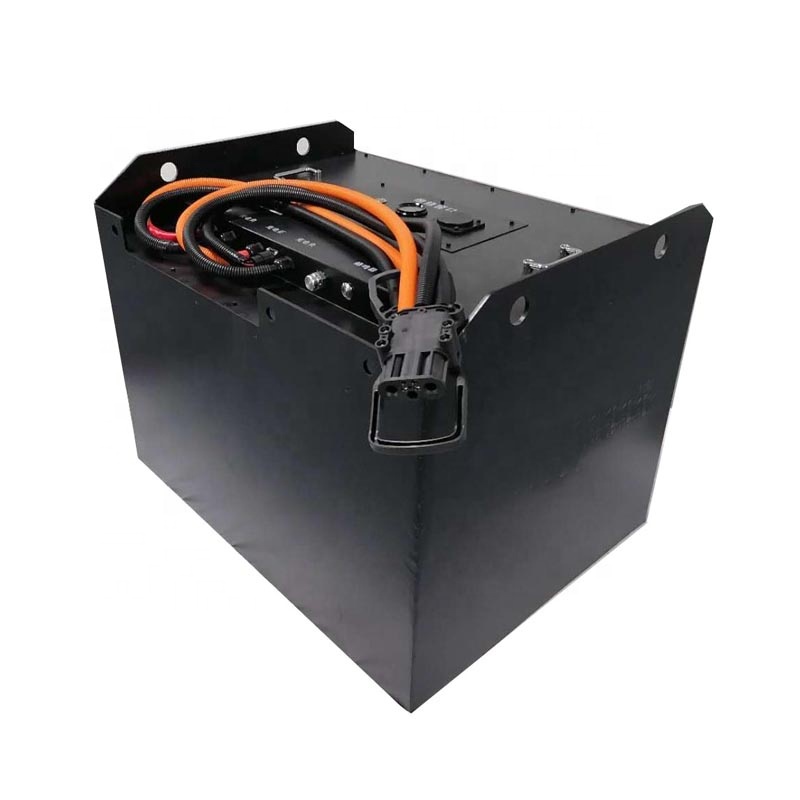
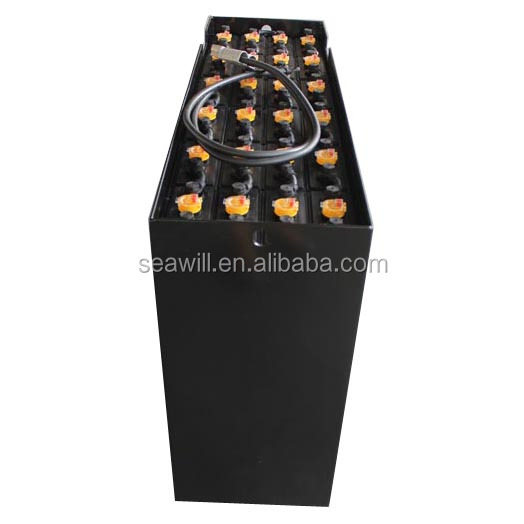
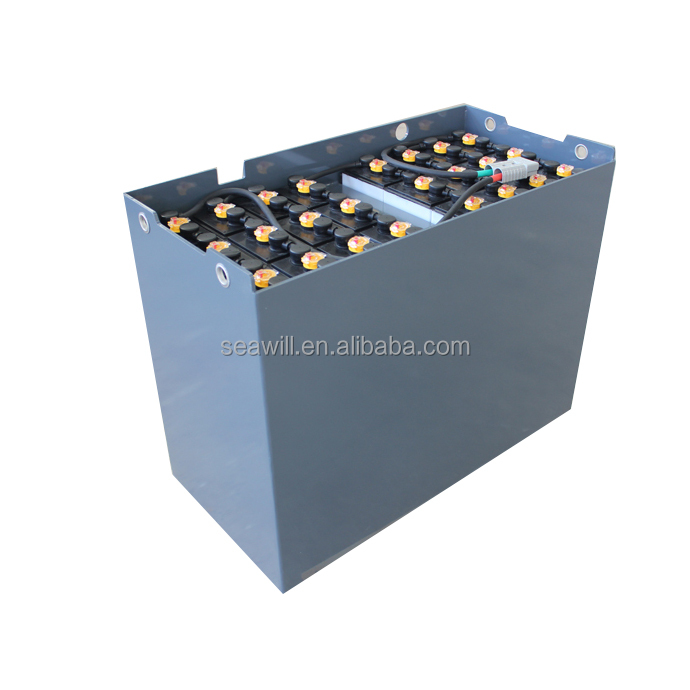
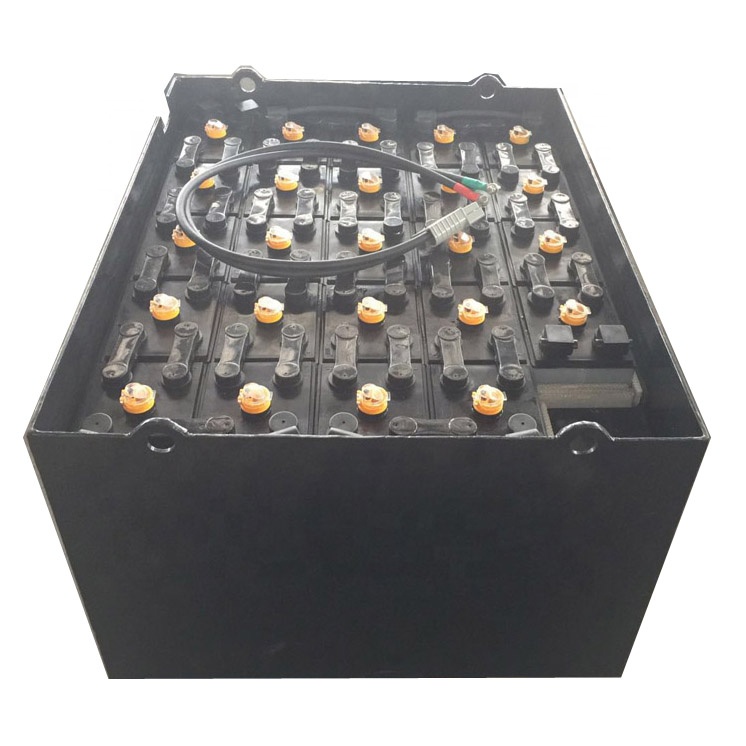
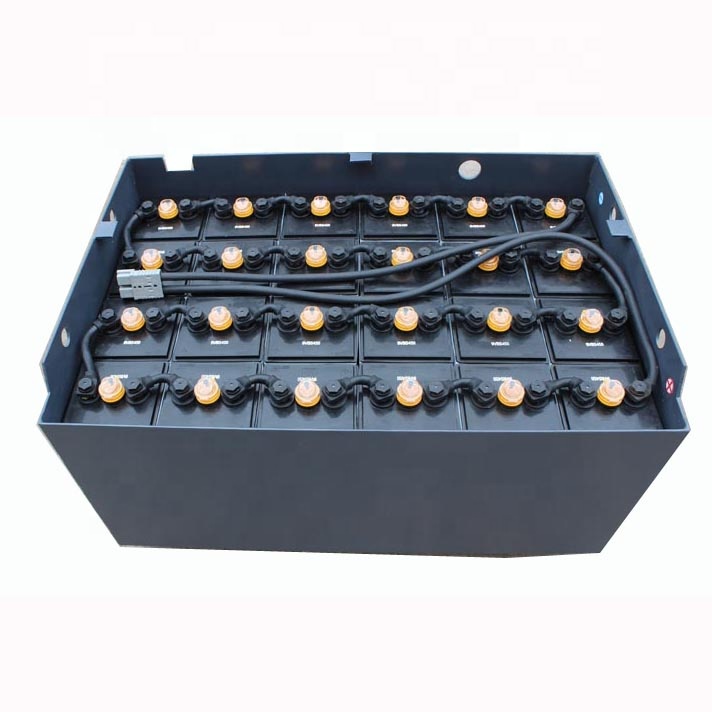
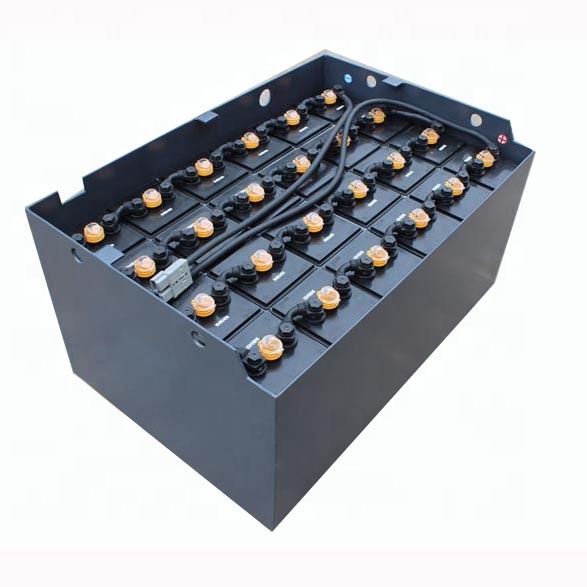
Applicable for electric forklifts, electric transporting cars, electric stacker cars, electric pallet trucks, tunnel/Metro locomotives, road vehicles and other deep-cycle DC power supply equipment.
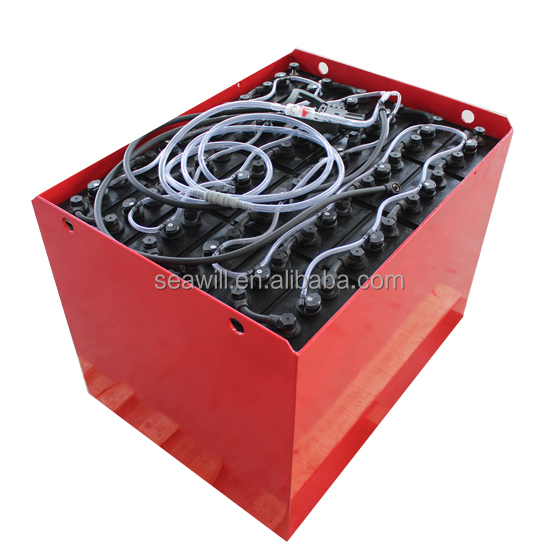
New batteries and automatic liquid injection systems can be designed according to the needs of users.
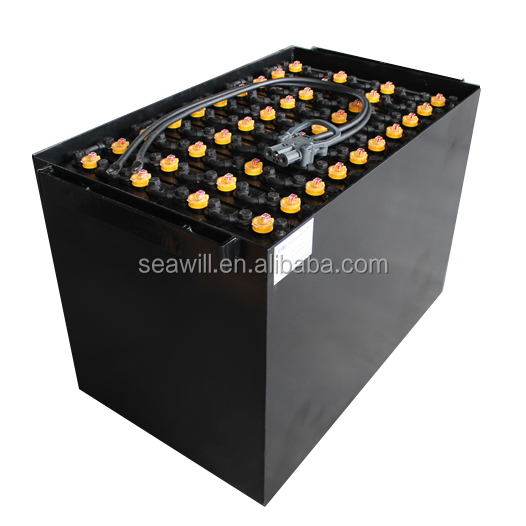
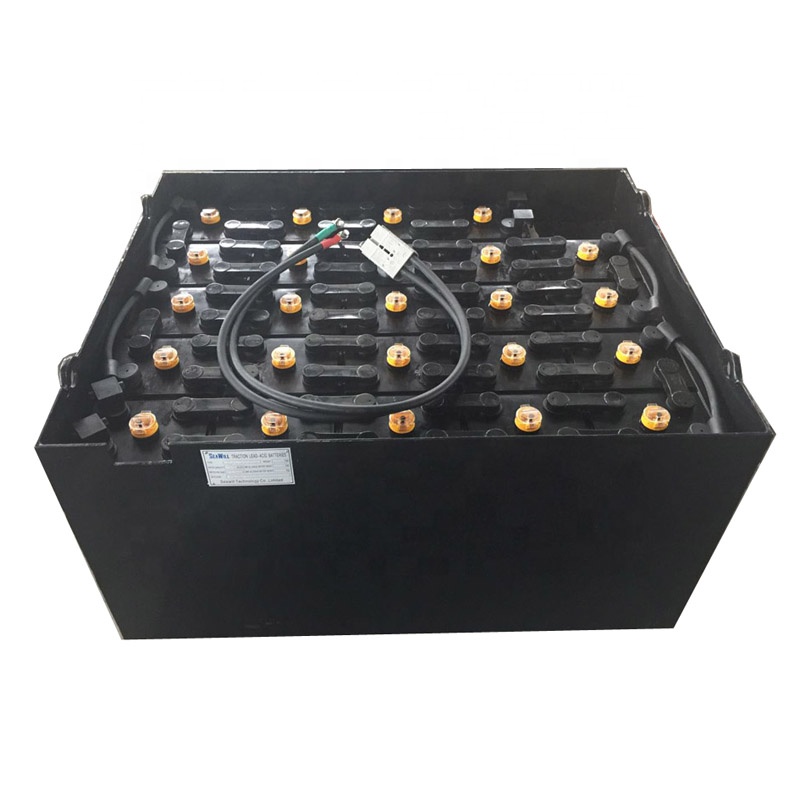
| Item | 48 volt forklift battery 640Ah/48v 8PZS640 AGM traction lead acid battery for electric forklift |
| Application | Electric Forklifts, electric vehicles, Solar Energy Storage Systems |
| Battery model | 48V 8PZS640 |
| Certification | CE |
| Cell's model | 8PZS640 |
| Weight | 970kgs( 48V 640AH with metal box) |
| weight(dry) | 29.4kg |
| weight(wet) | 39.3kg |
| Metal box's dimension | 1009.65 * 787.4 * 534 mm |
| Keyword | 48 volt forklift battery |
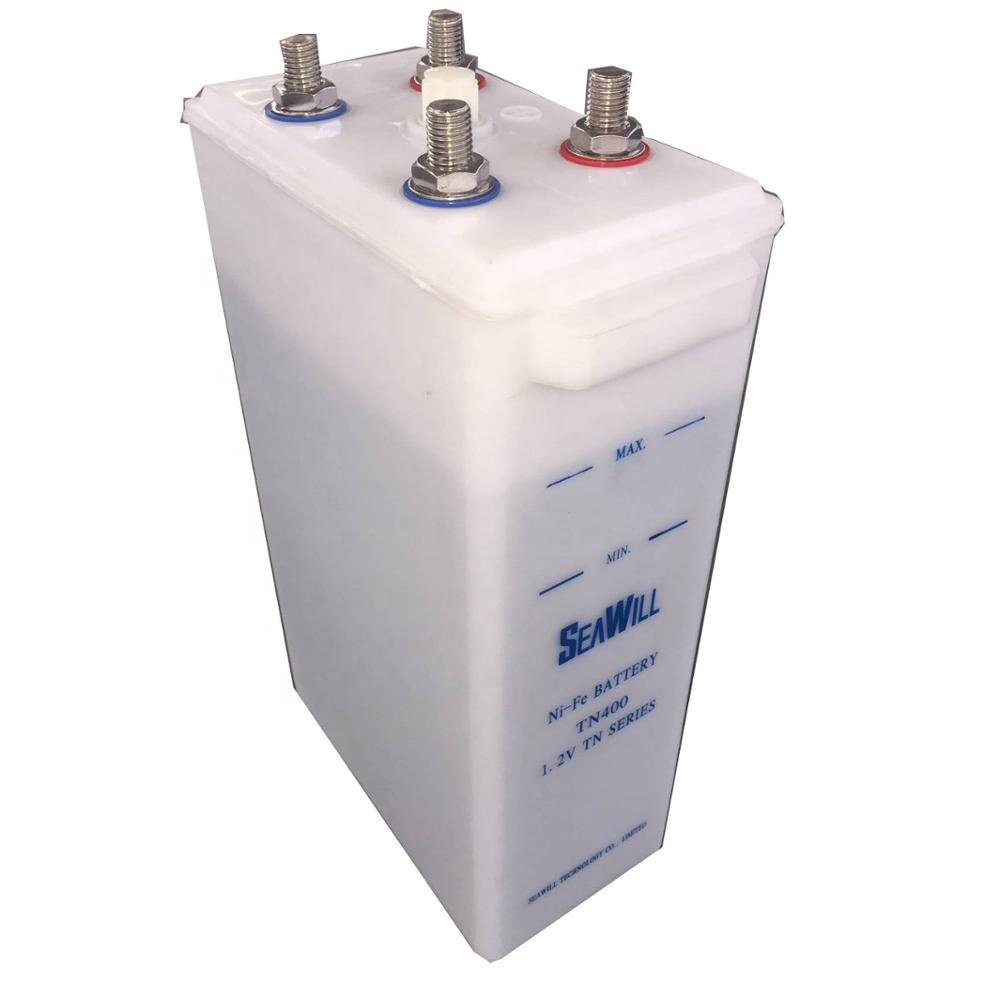
| Size | 155 * 198 * 430 * 465mm (single cell) |
| Battery type | Lead acid battery |
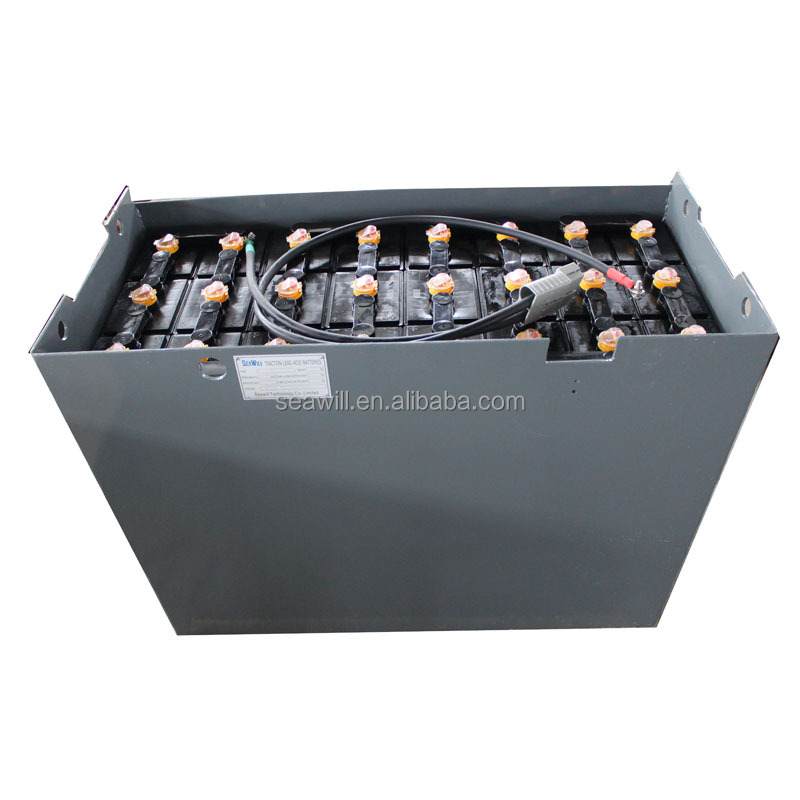
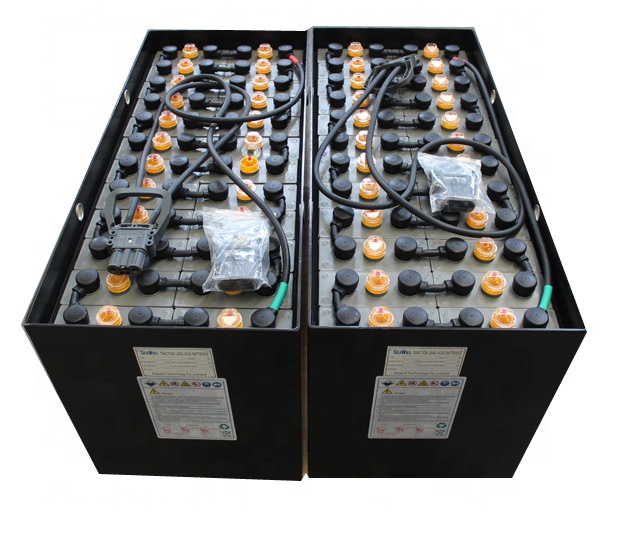
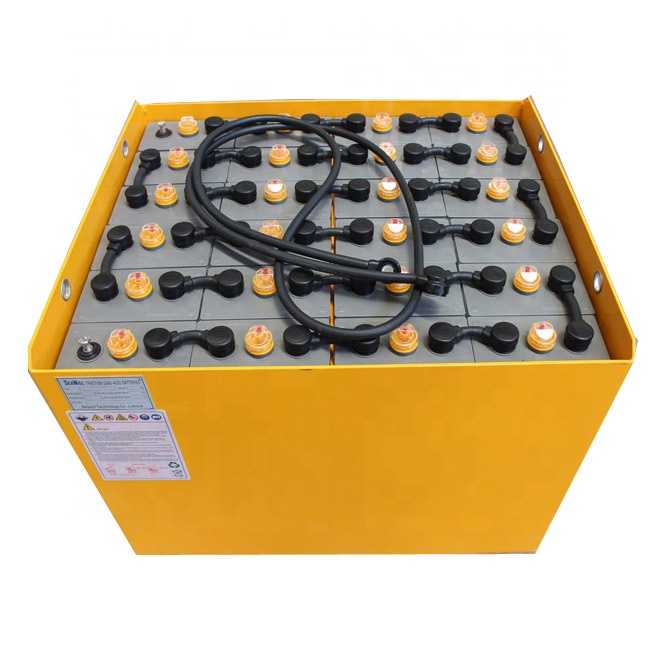
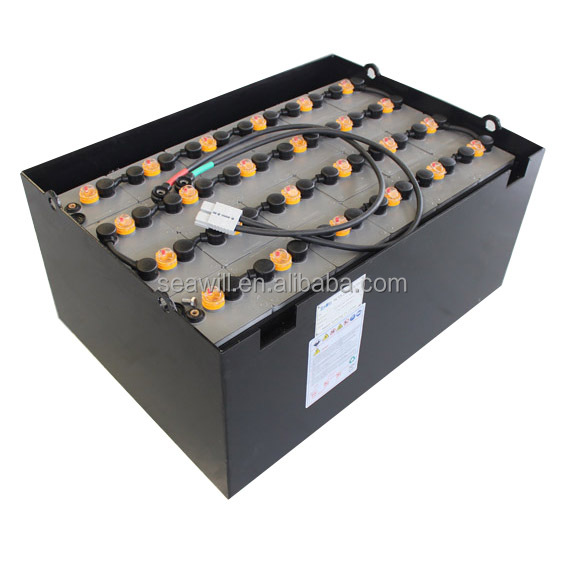
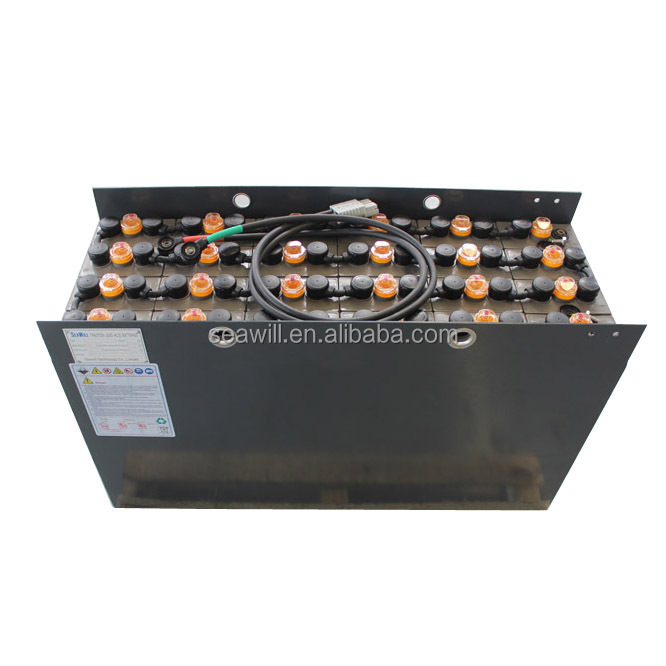
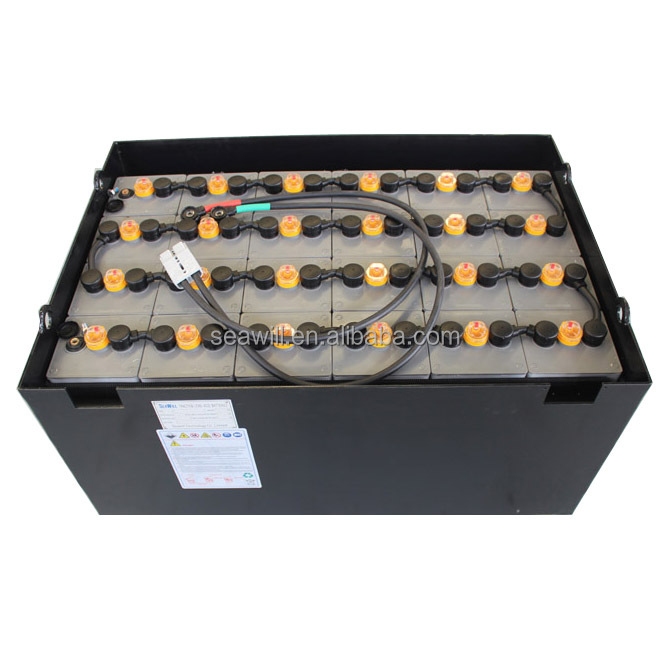
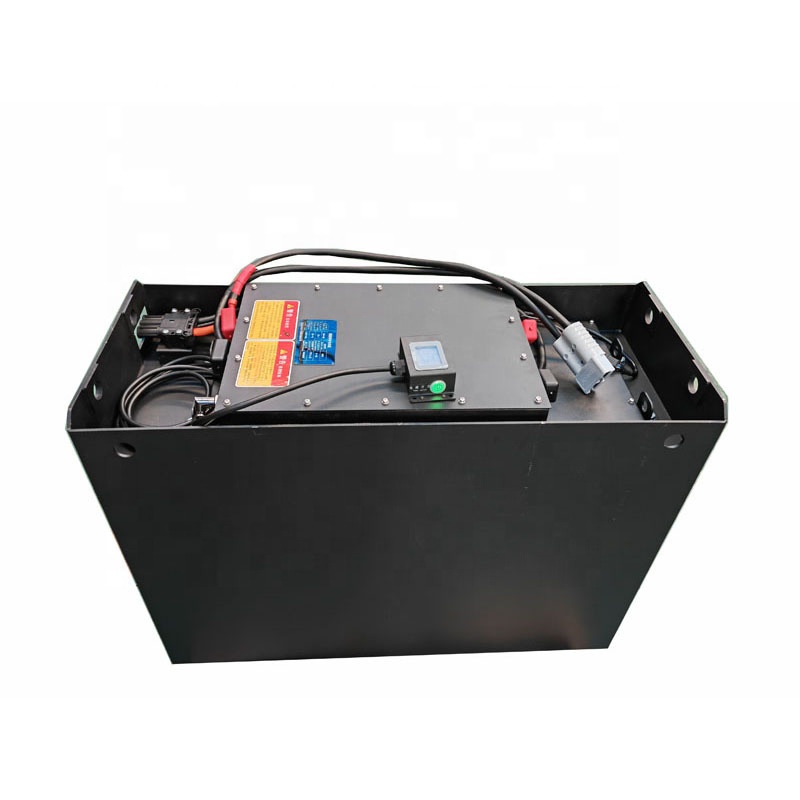
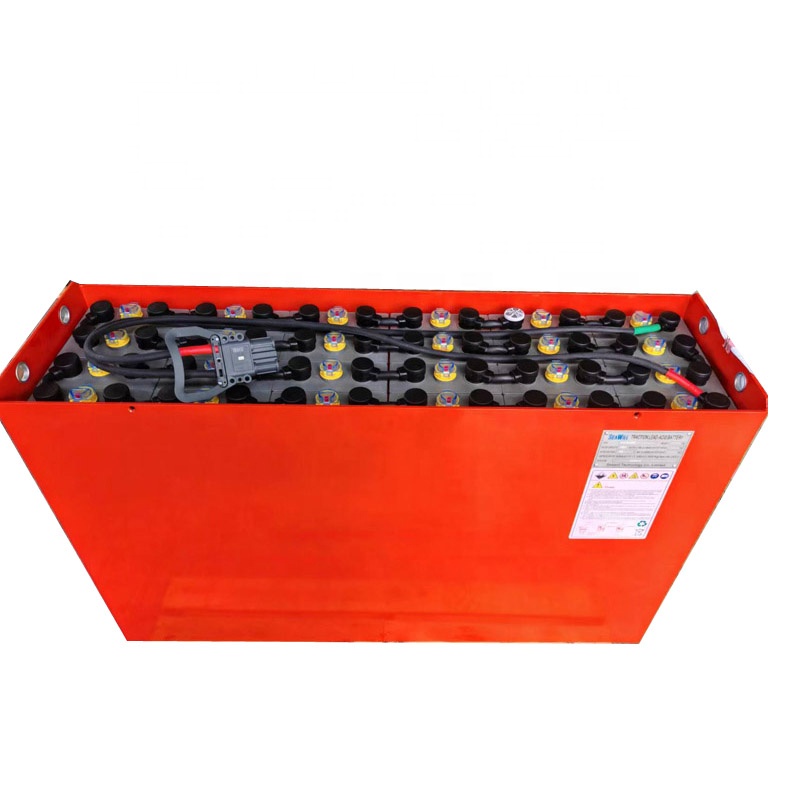
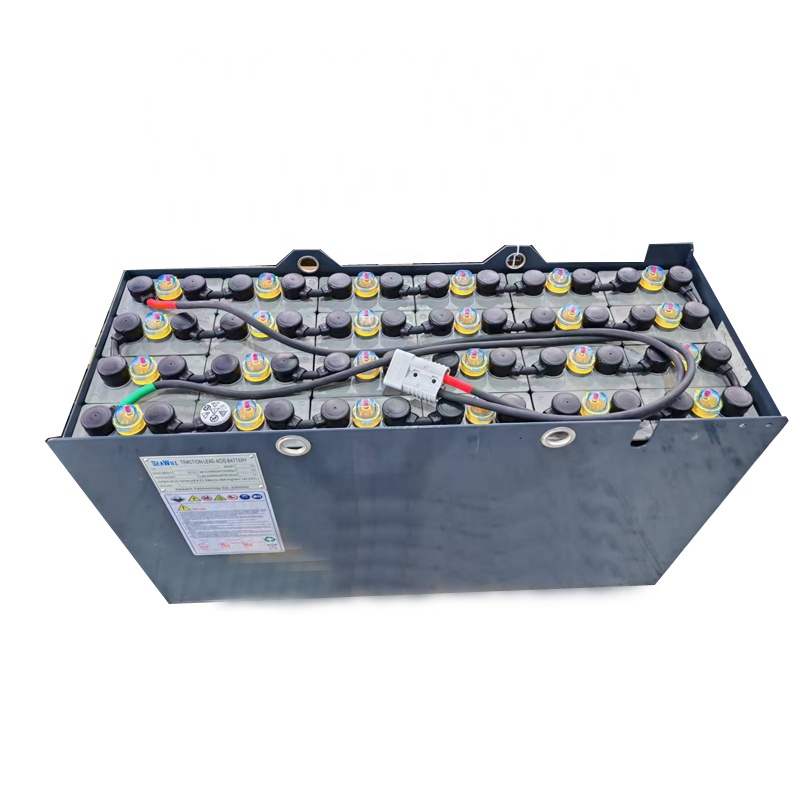
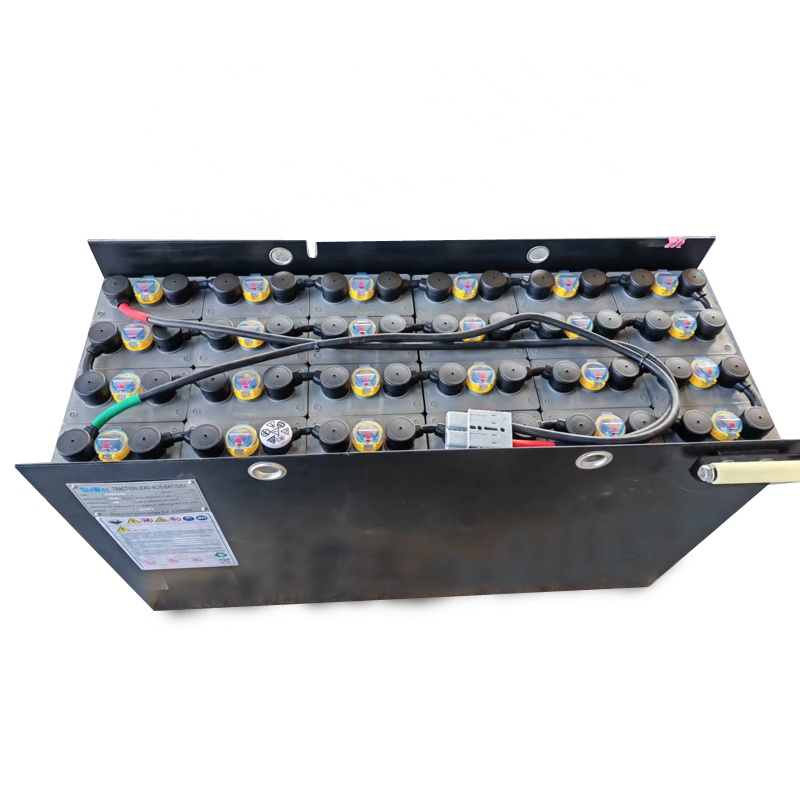
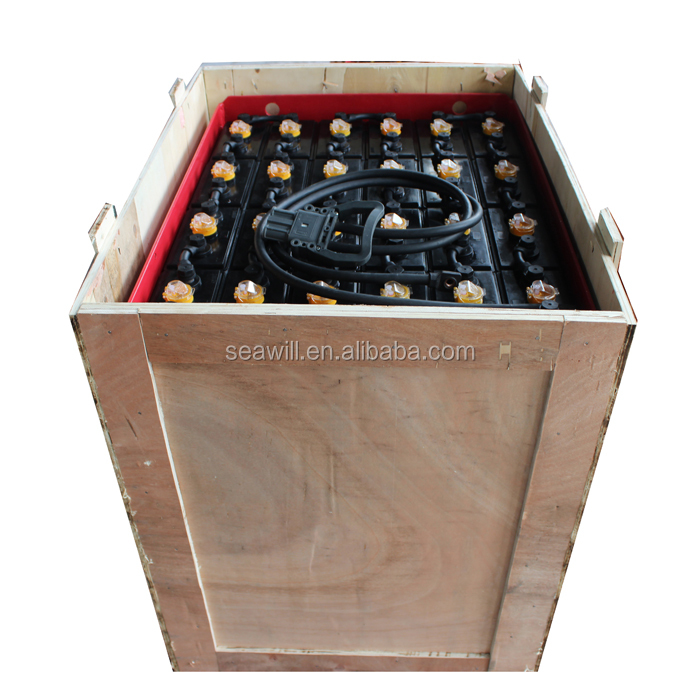
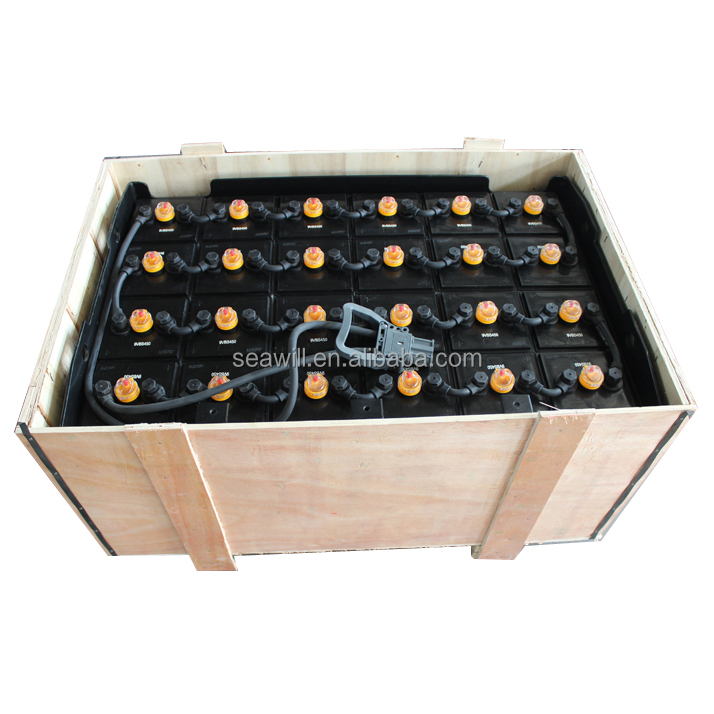
To better ensure the safety of your goods, professional, environmentally friendly, convenient and efficient wooden box packaging services will be provided.
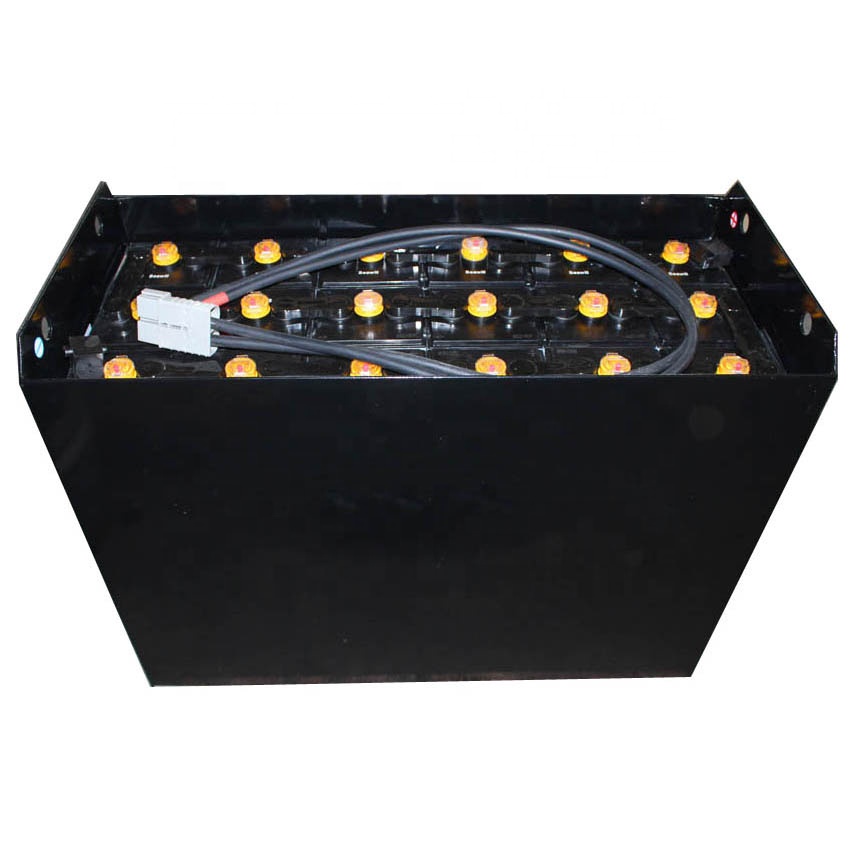
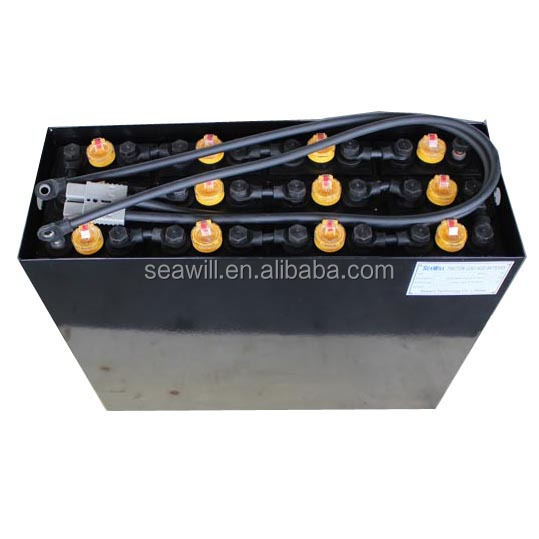
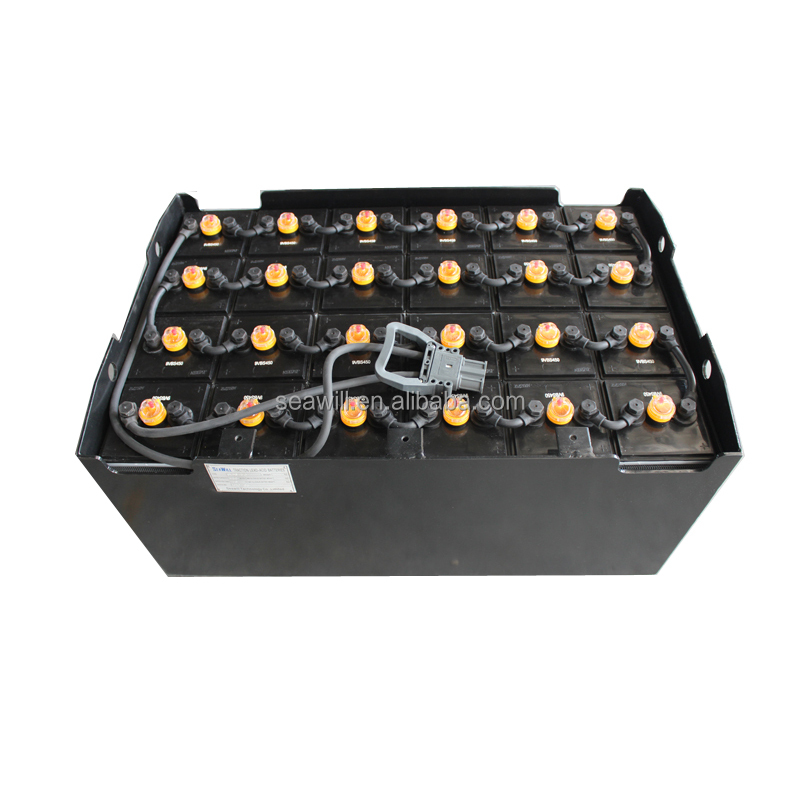
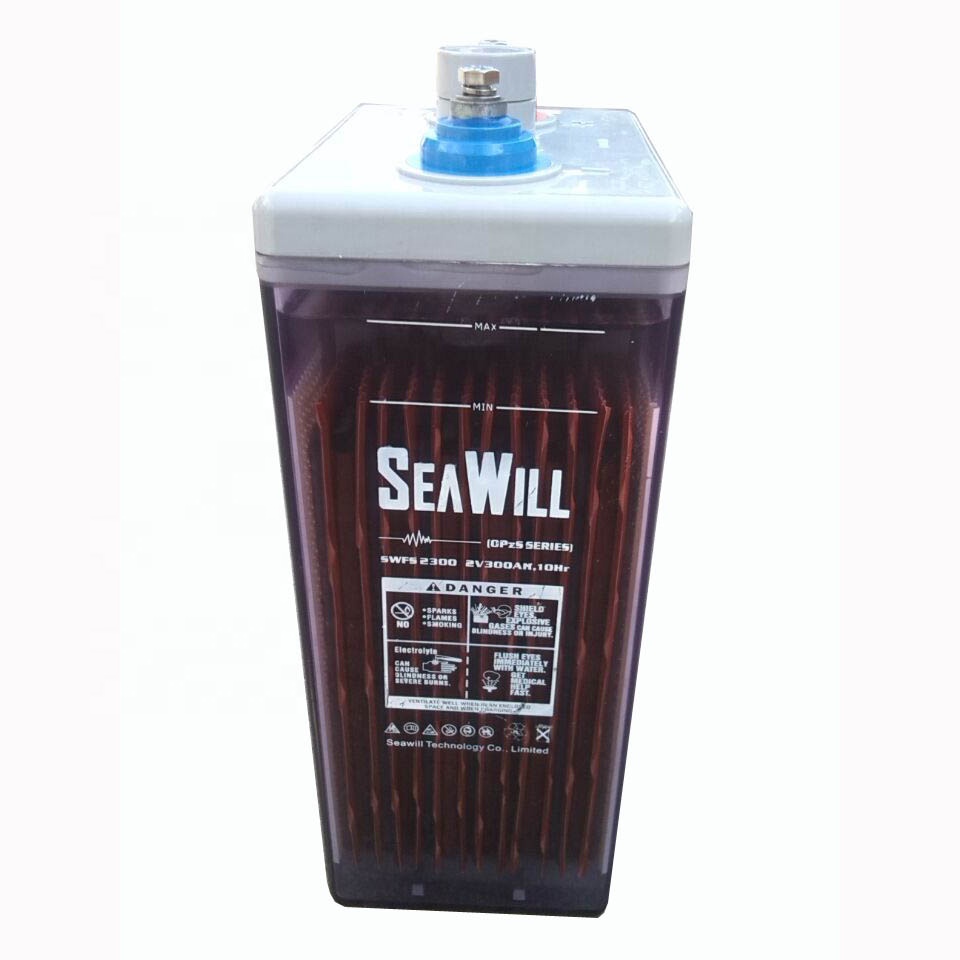
Check the acid level every week (need to fill distilled water or deionized water every 3 days if the battery is working in high temperatures). If the electrolyte's level is too low, it might cause the battery plate to be destroyed and shorten the battery's service life.
Methods of checking level: Open the vent cap. If the electrolyte is lower than the top of the vent cap, it means the electrolyte level is too low and needs filling with distilled water or deionized water. If the electrolyte is parallel to or higher than the vent cap, it is in the proper position.
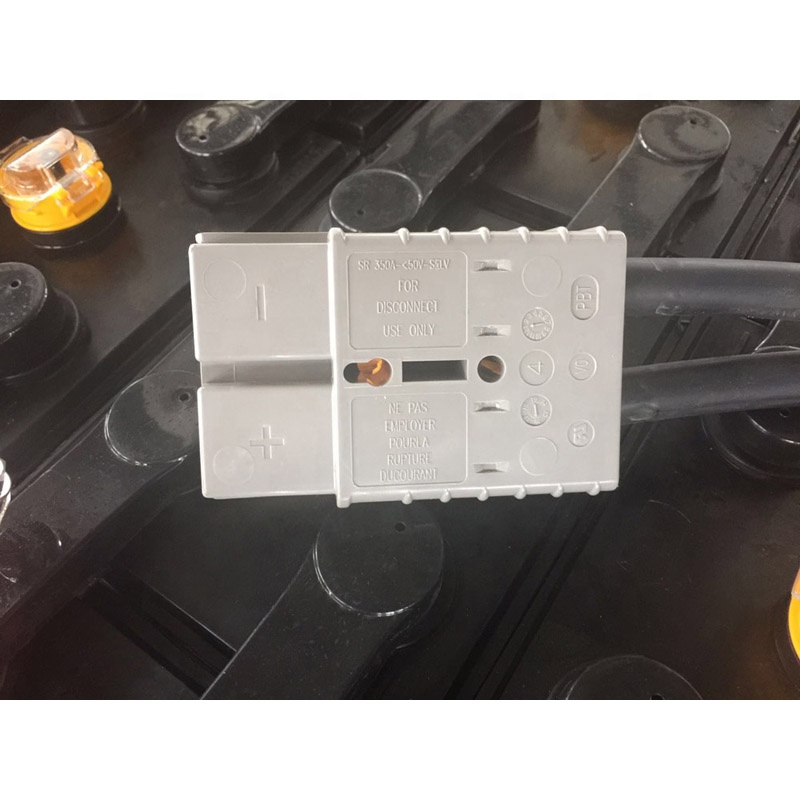
Must check if there is any corrosion between connector pole's joining and leading wires, also check if the cap has any deformation or overheating problem.
A dirty battery exterior can cause creepage; the battery surface must be kept clean and dry.
Fill distilled water or deionized water according to the electrolyte level. Do not fill too much distilled water in order to delay filling time. Too much distilled water will cause lower specific gravity, and the electrolyte could spill over. This situation will corrode the metal box and cables, affecting the battery's service life and causing creepage.
Gas is produced when charging, so keep a well-ventilated environment with no naked lights. The oxygen and acidic gas produced during charging can affect the surrounding environment. There may be an electric arc when pulling out the charging plug; please cut off the charger's switch before pulling out the plug. Much hydrogen is present after finishing the charge; naked lights are strictly not allowed.
The battery should receive an equalizing charge every month (meaning small charging current but long charging time) in order to maintain the battery's capacity and ensure a long service life.
Method of equalizing charge: Charge the battery regularly. After finishing the charge, press the switch for equalizing charge, and charge the battery continuously for 24-36 hours. During the equalizing charge, record every single cell's voltage, density, and temperature. After finishing the equalizing charge, adjust the electrolyte's density and level as per the user manual.
Must be operated by a professional engineer.
The battery surface must be kept clean. Dirt on the surface can cause short circuits, as well as corrosion to the terminals and connectors. Please use a wet cloth to clean the battery to avoid static electricity. If there is no leakage hole at the bottom of the metal box, please avoid using water to clean the battery to prevent excess water from corroding the box. If there is a leakage hole at the bottom of the metal box, you can use water to clean the battery.
Do not cause a short circuit. Short circuits can occur after rain; keep the battery in an open-air, shaded, and protected location.
Used batteries still retain capacity. Please store them according to the standard storage method.
Use an inhalation densitometer to check the density. Do not spill electrolyte out of the battery, and make sure to wear protective clothing.
Should refer to a professional engineer, especially when filling the electrolyte.
Urgent handling is required if the battery turns over or is destroyed.
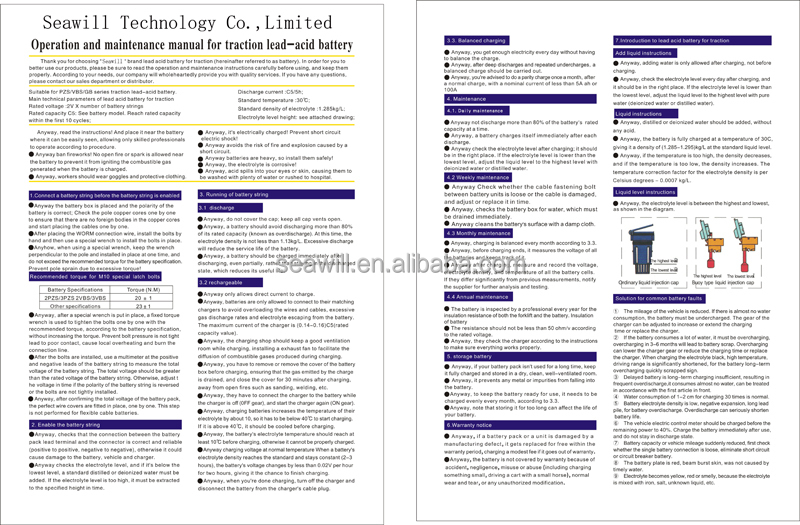
A professional operation manual will be provided together with the batteries. Dry batteries and wet batteries are all available depending on the customer's choice.
For dry batteries, customers will need to fill the acid upon receiving the batteries. For wet batteries, customers simply need to charge the batteries before use.