GAF Energy GAF Energy

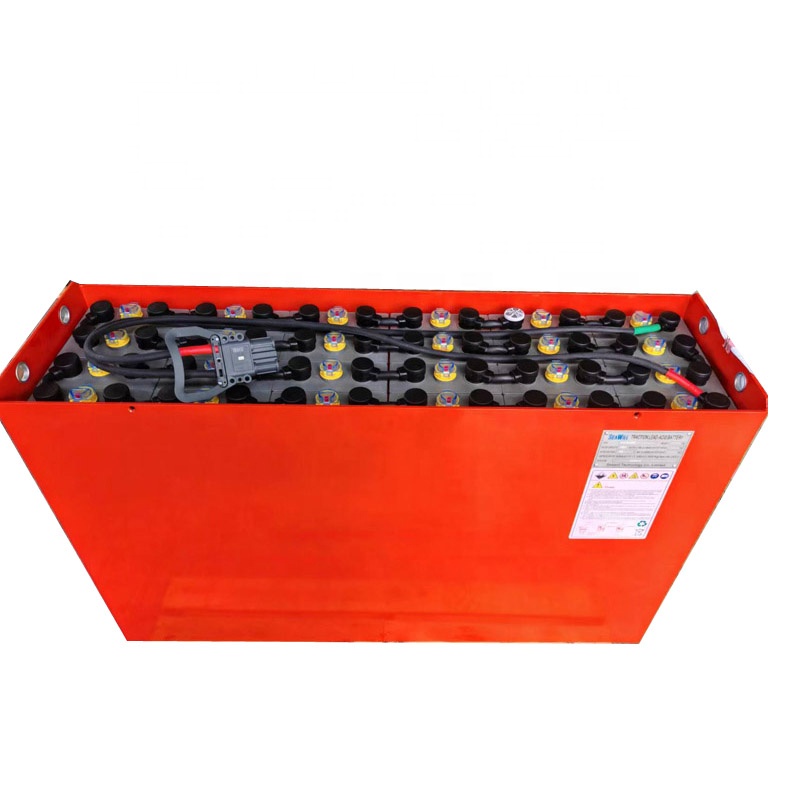
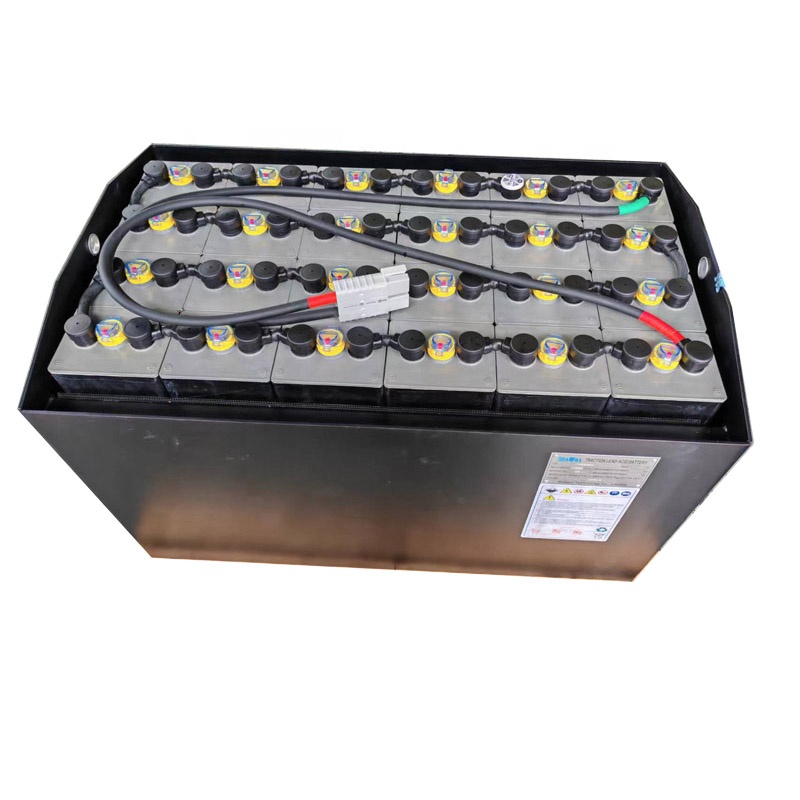
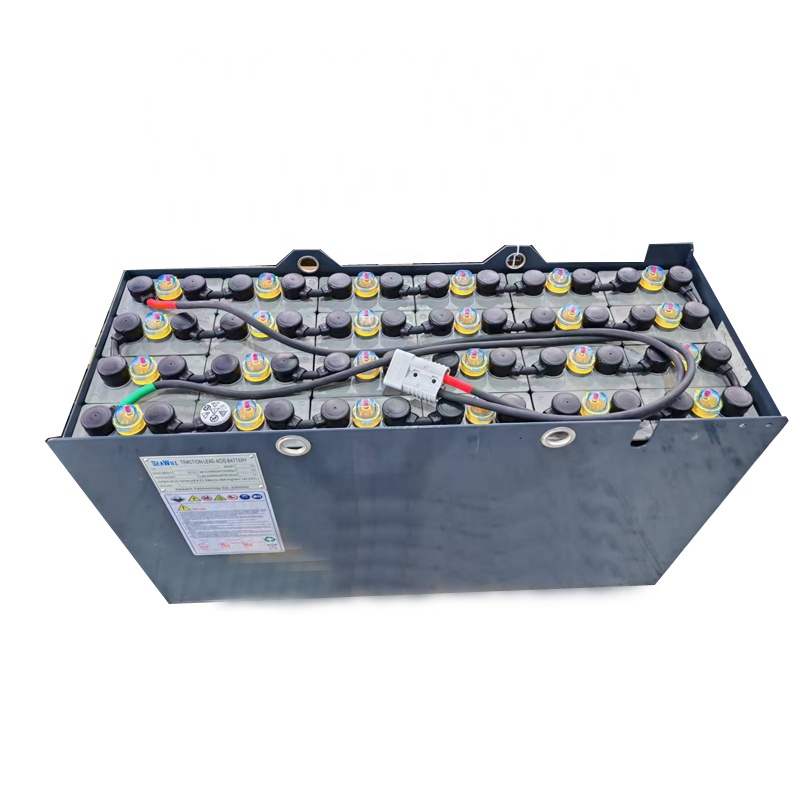
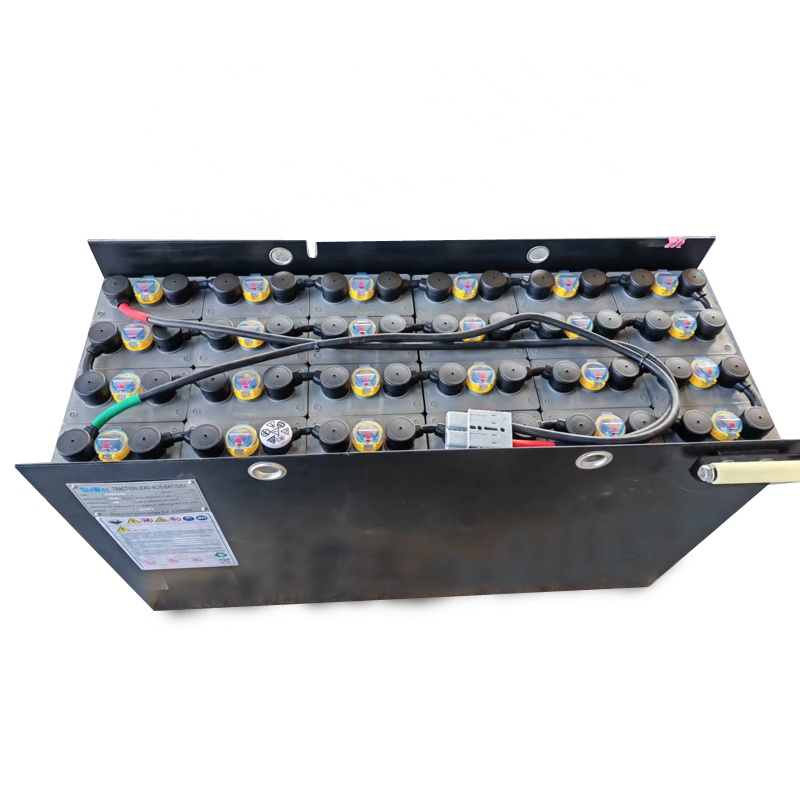
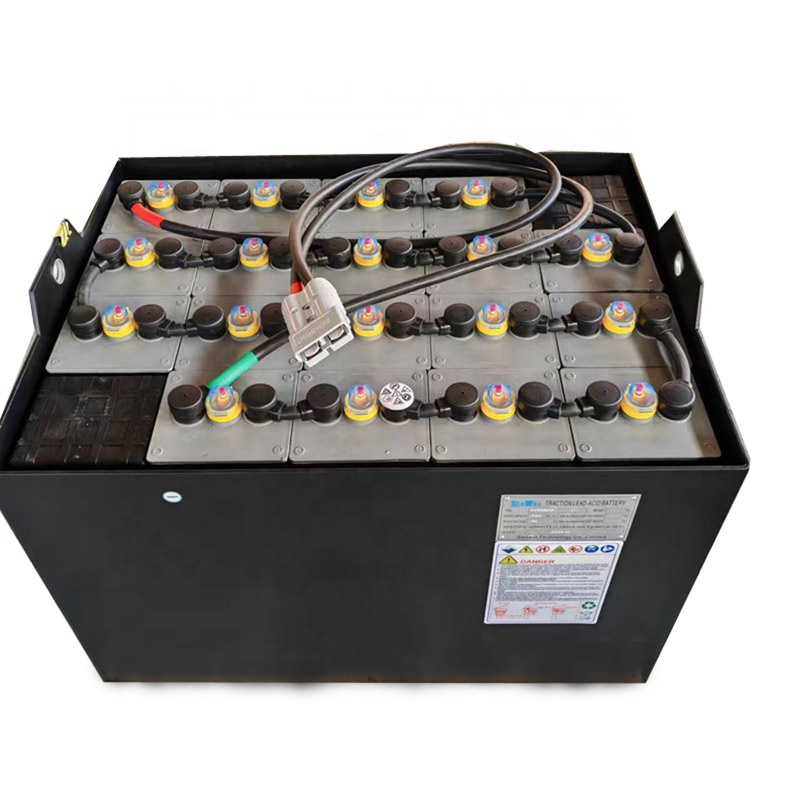
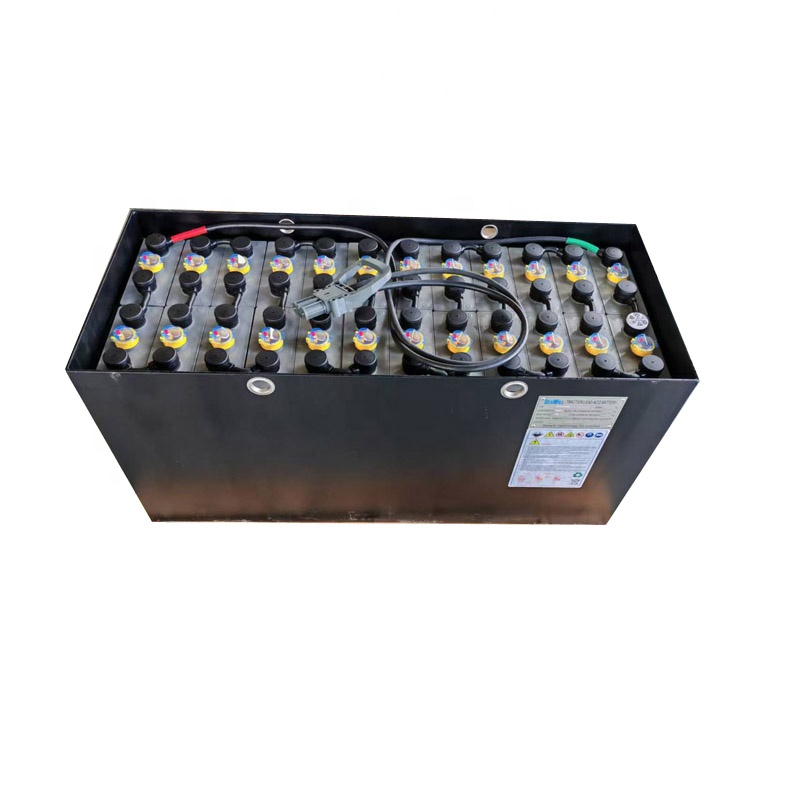
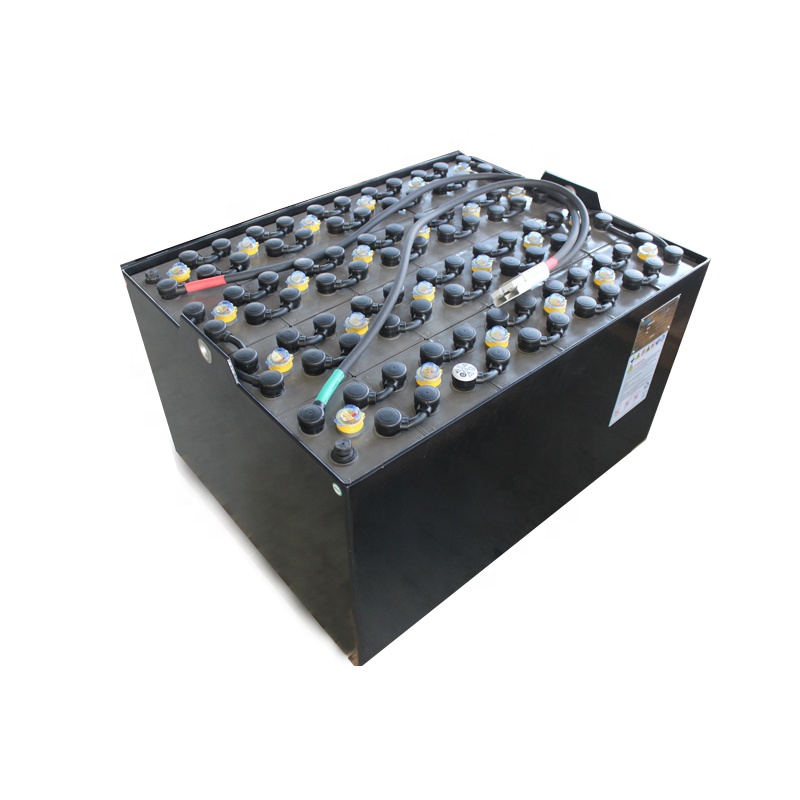
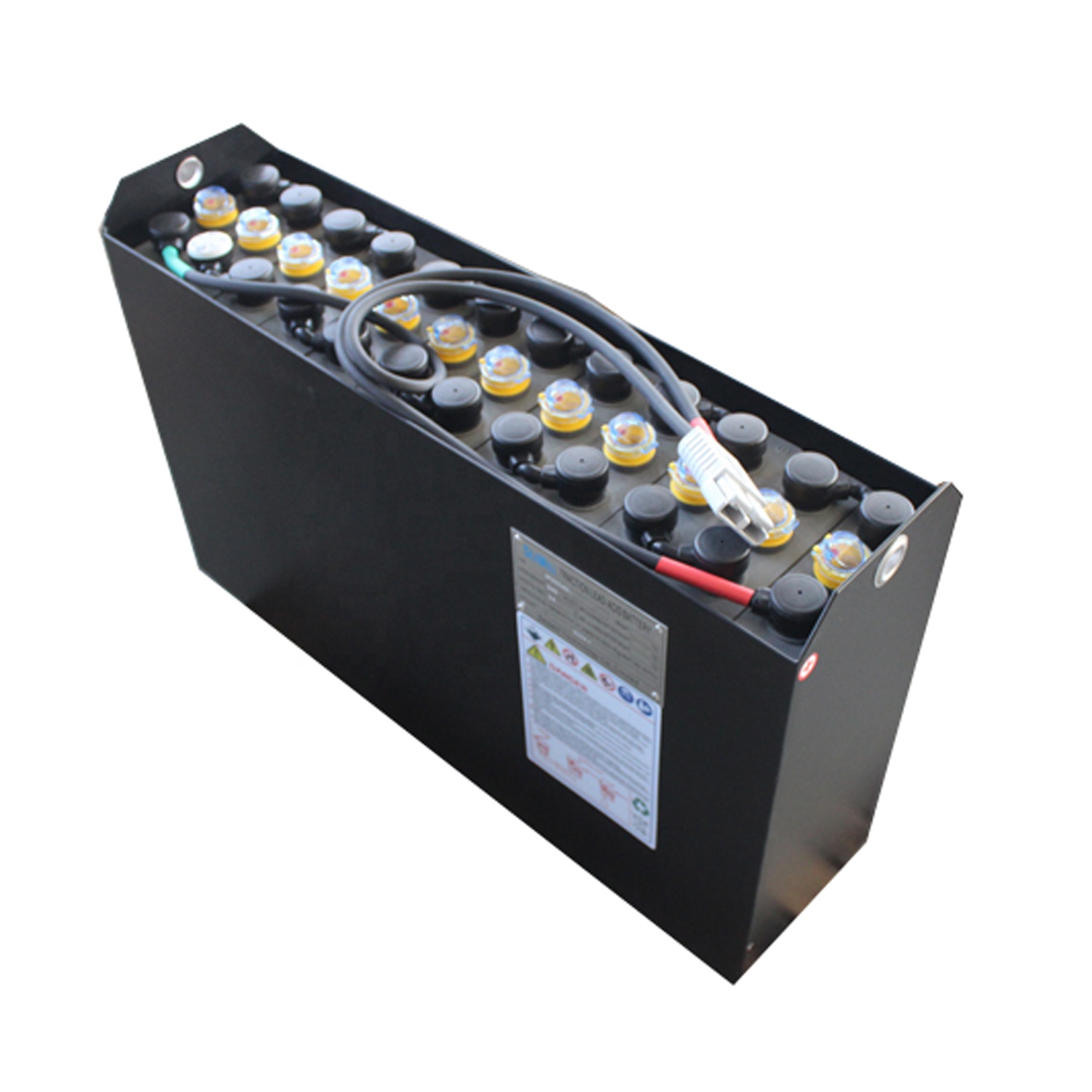
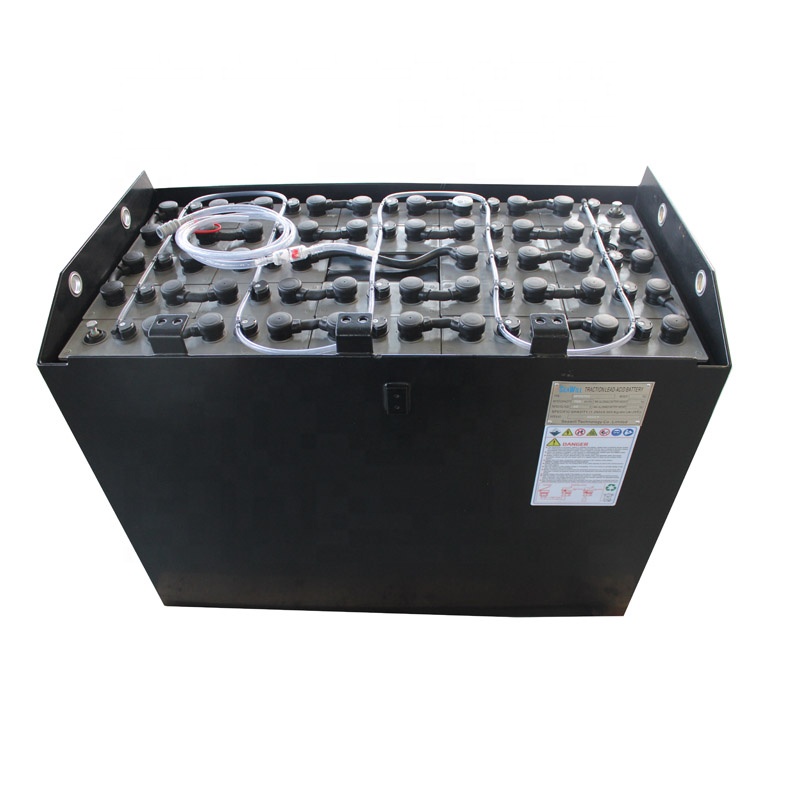
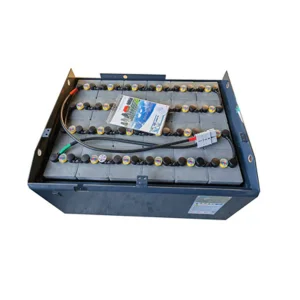
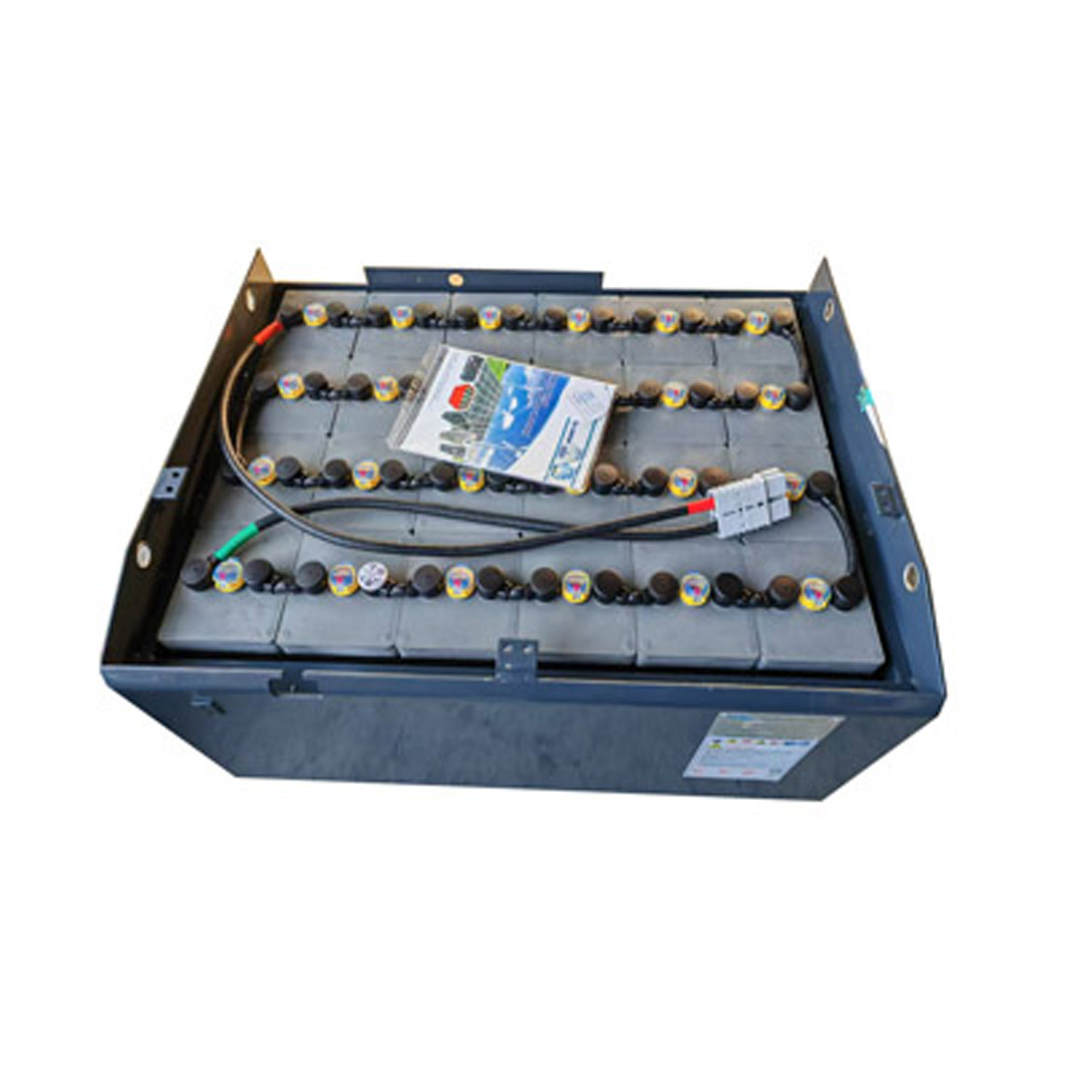
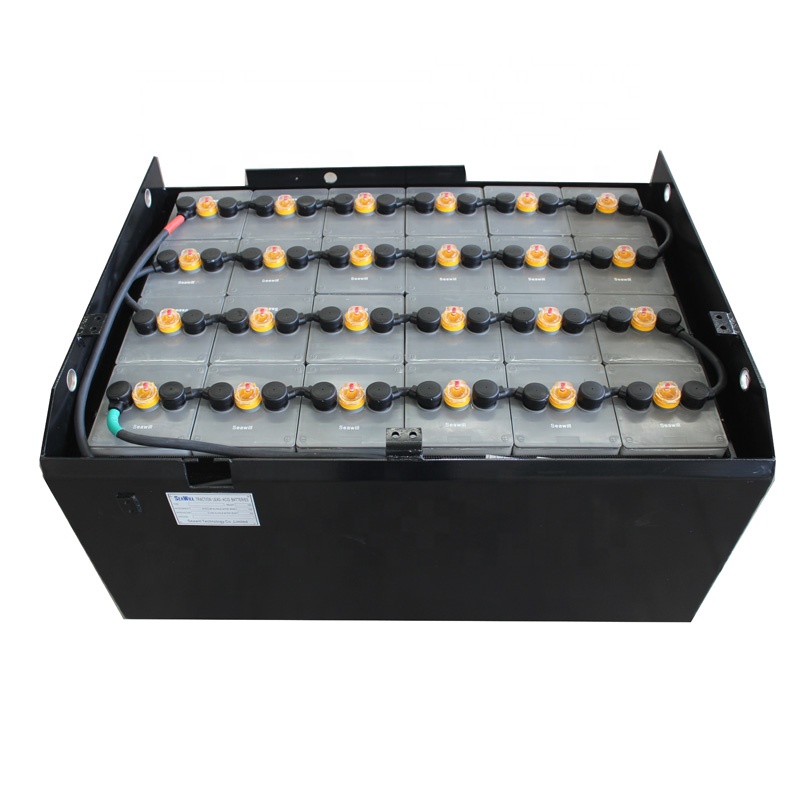
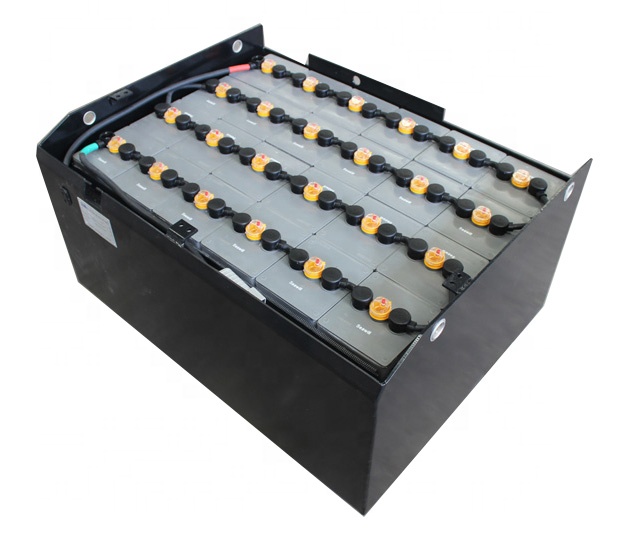
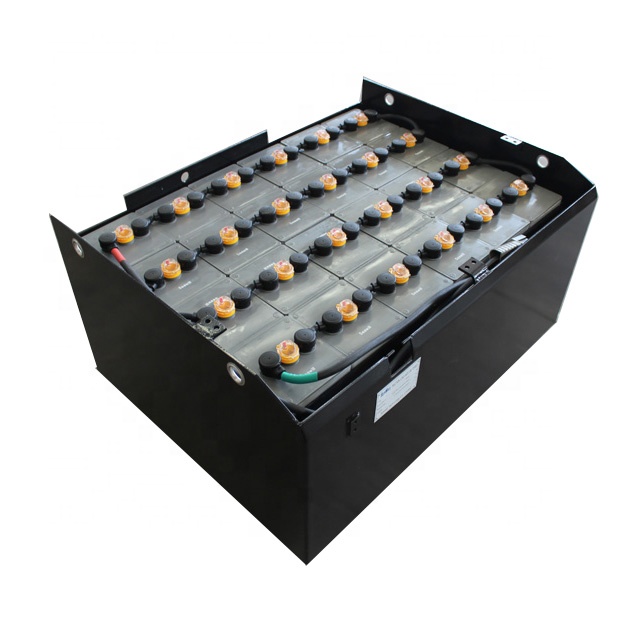
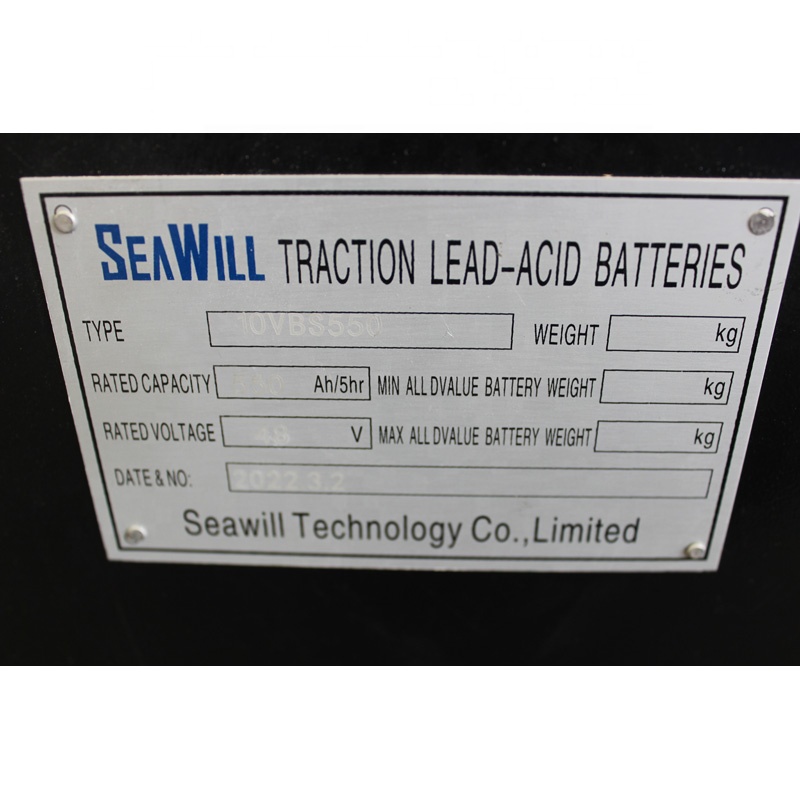
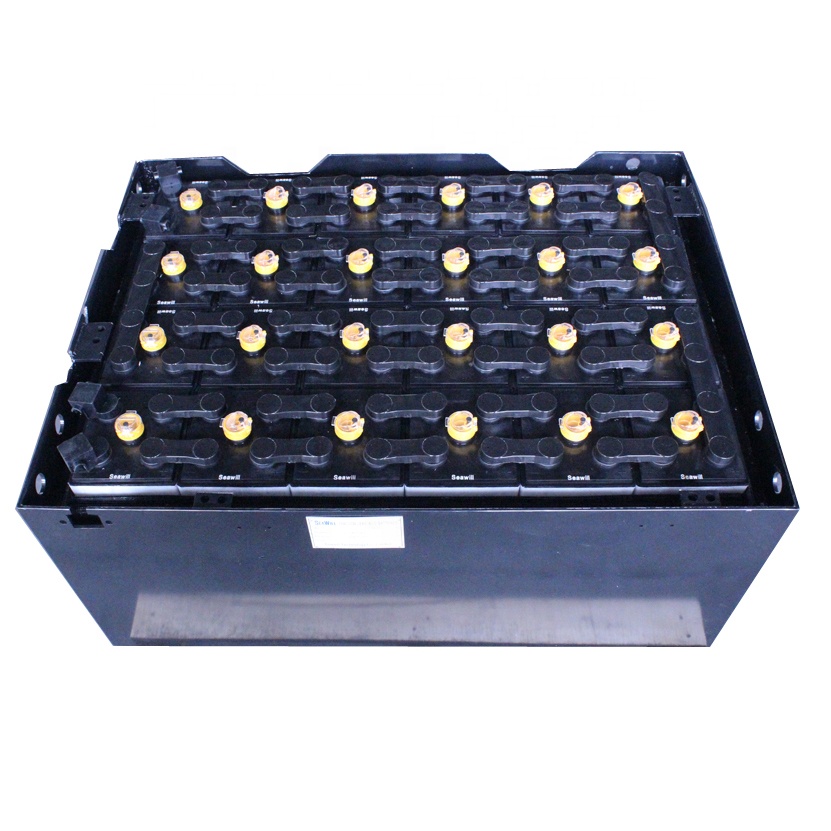
Rechargeable Traction Battery Forklift Battery 48v 550Ah 10VBS550 VBS Type Electric Balanced Forklift Battery

Product Description

Specification
item Traction battery forklift battery 48v 550Ah/10VBS550
Application Electric Forklifts, electric vehicles, Solar Energy Storage Systems
Battery Size 48V 10VBS550
Certification CE
Model Number 10VBS550
Weight 860kgs( 48V 480AH with metal box)
weight(dry) 23.5kg
weight(wet) 34.5kg
Metal box's dimension 1080*670*590MM
Model type traction battery forklift
Size 109*158*690*720mm(single cell)
Battery type Lead acid battery
Product Description
Product Image 1
Product Image 2
Product Image 3
Product Image 4
Product Image 5
Product Image 6
Product Image 7
Product Image 8
Product Image 9
Product Image 10
Accessories
Accessories

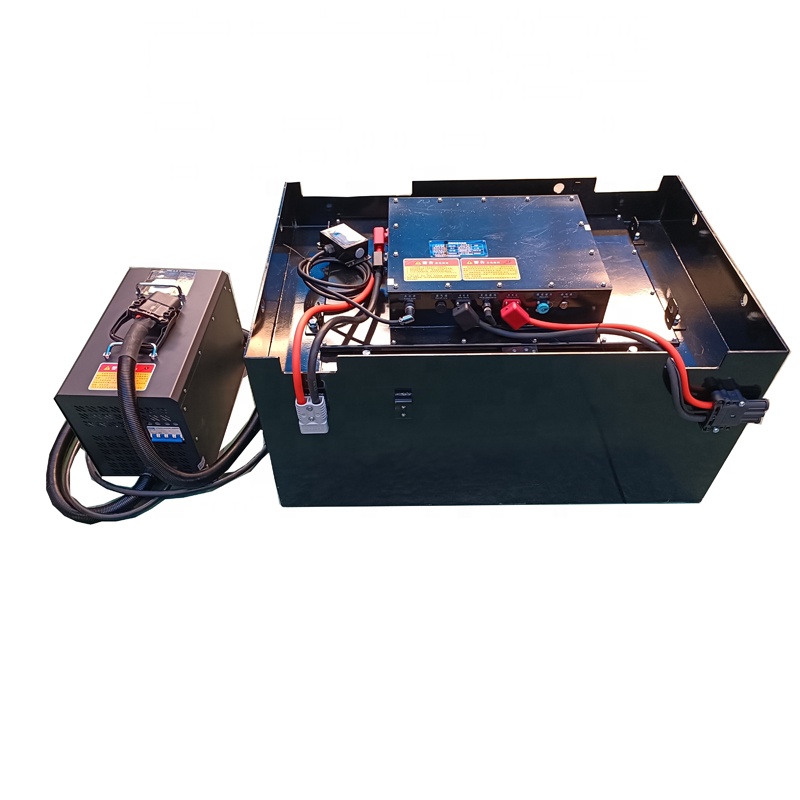
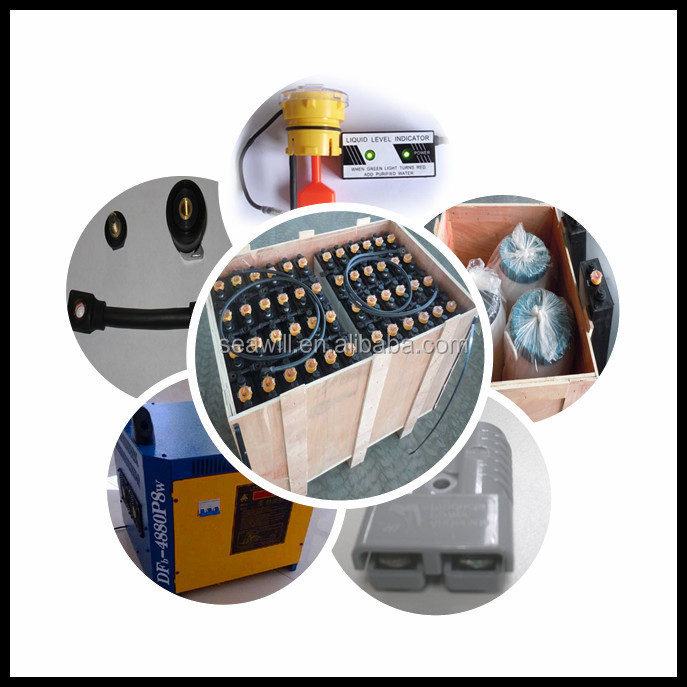
Self-watering system, bolted type connection cables, welded type connection cables, REMA plug, Anderson plug, Charger can be supplied available according to different battery models.
Packing & Delivery
Packing Image 1
Packing Image 2

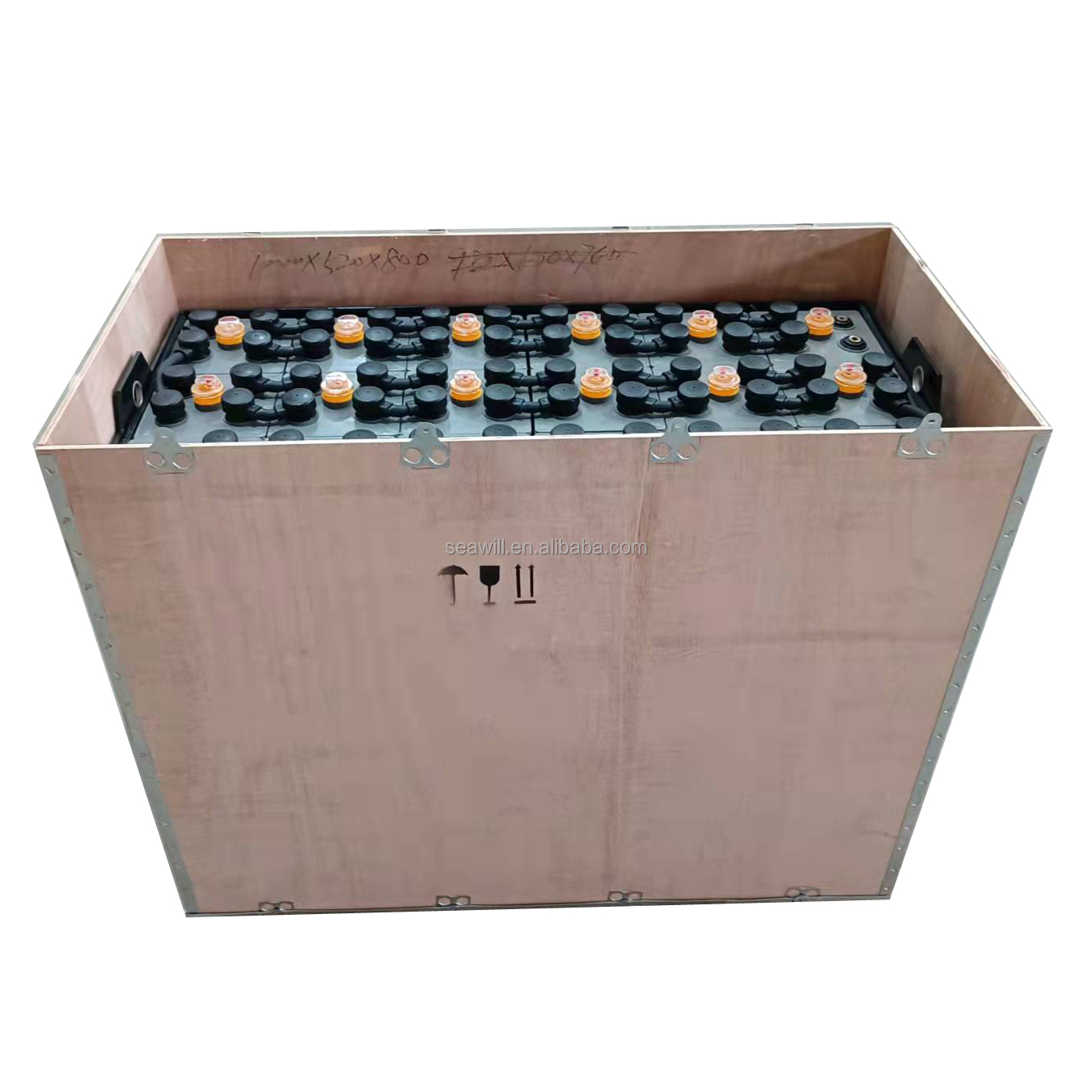
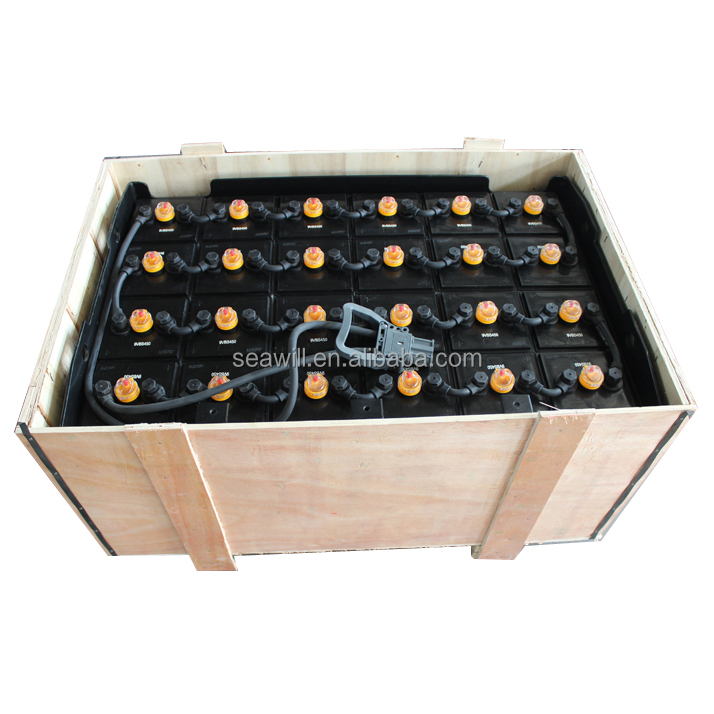
To better ensure the safety of your goods, professional, environmentally friendly, convenient and efficient wooden box packaging services will be provided.
Forklift battery's daily maintenance
Maintenance Graphic
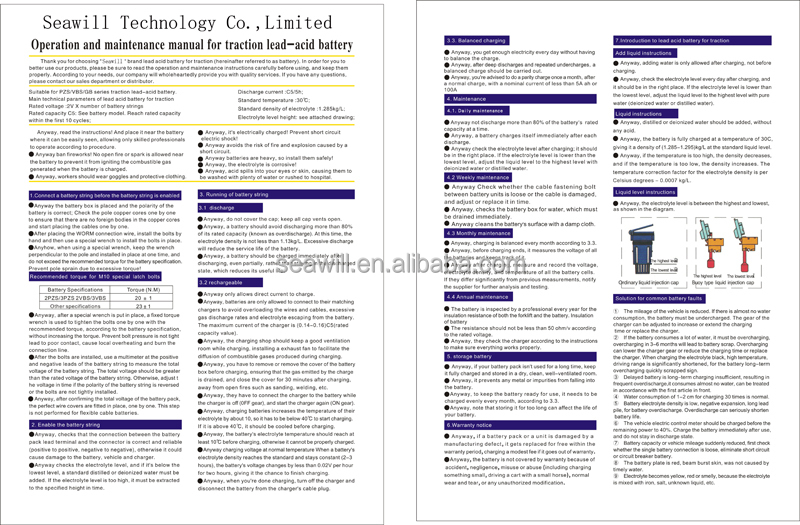
1. Daily Check
1) Electrolyte level: Check the acid level every week (need to fill distilled water or deionized water every 3 days if battery working in the high temperature). If the electrolyte’s level is too low, it might cause battery plate destroyed and shorten battery’s service life. Method of checking: Open the vent cap; if the electrolyte is lower than the top of the vent cap, fill distilled or deionized water until it reaches the proper parallel position.
2) Connector, connecting wires and cap: Must check if there is any corrosion between connector pole’s joining and leading wires, also check if the cap had the transmutative situation or over-heat problem.
3) Appearance: Battery’s exterior dirt would cause creepage, must keep battery’s surface to be clean and dry.
2. Maintenance
1) Fill water: Fill distilled water or deionized water according to electrolyte level. Do not overfill; excess water causes lower specific gravity, leading to electrolyte spillage, corrosion of the metal box and cables, and reduced battery life.
2) Charging: Charging generates gas. Maintain a well-ventilated environment and avoid naked lights. To prevent electric arcs, switch off the charger before disconnecting the plug.
3) Equalizing charge: The battery requires an equalizing charge monthly (low current, long duration) to maintain capacity and longevity. Charge normally, then initiate the equalizing charge for 24-36 continuous hours. Record voltage, density, and temperature of each cell.
4) Connection Maintenance: Must be operated by a professional engineer.
5) Clean: Keep the surface clean to avoid short circuits and corrosion. Clean with a wet cloth to prevent static electricity. Do not wash with water unless the metal box has a bottom drainage hole.
3. Storage
1) Storage location: Do not short-circuit the battery. Store in a shaded, dry outdoor or indoor location sheltered from rain.
2) Used battery: Used batteries still retain capacity; store them according to standard storage guidelines.
4. Electrolyte's operation
1) Check density: Use a suction hydrometer to check density. Wear protective clothing and avoid spilling electrolyte.
2) Other operations: Consult a professional engineer, especially when filling electrolyte.
3) Electrolyte leakage: Handle urgently in case of tipping or structural damage.
Dry batteries or Wet batteries?
Dry and Wet Batteries

A professional operation manual will be provided together with the batteries. Dry batteries and wet batteries are all available depending on selection. For dry batteries, acid must be filled upon receipt. For wet batteries, simply charge them before initial use.
Product Parameters
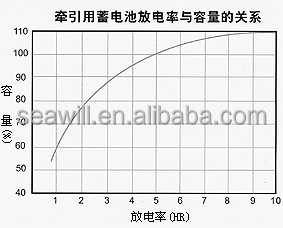
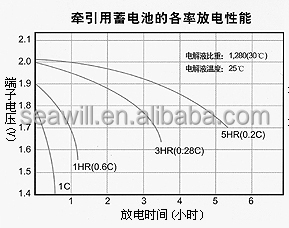
Parameter Chart 1
Parameter Chart 2
Parameter Chart 3
Parameter Chart 4
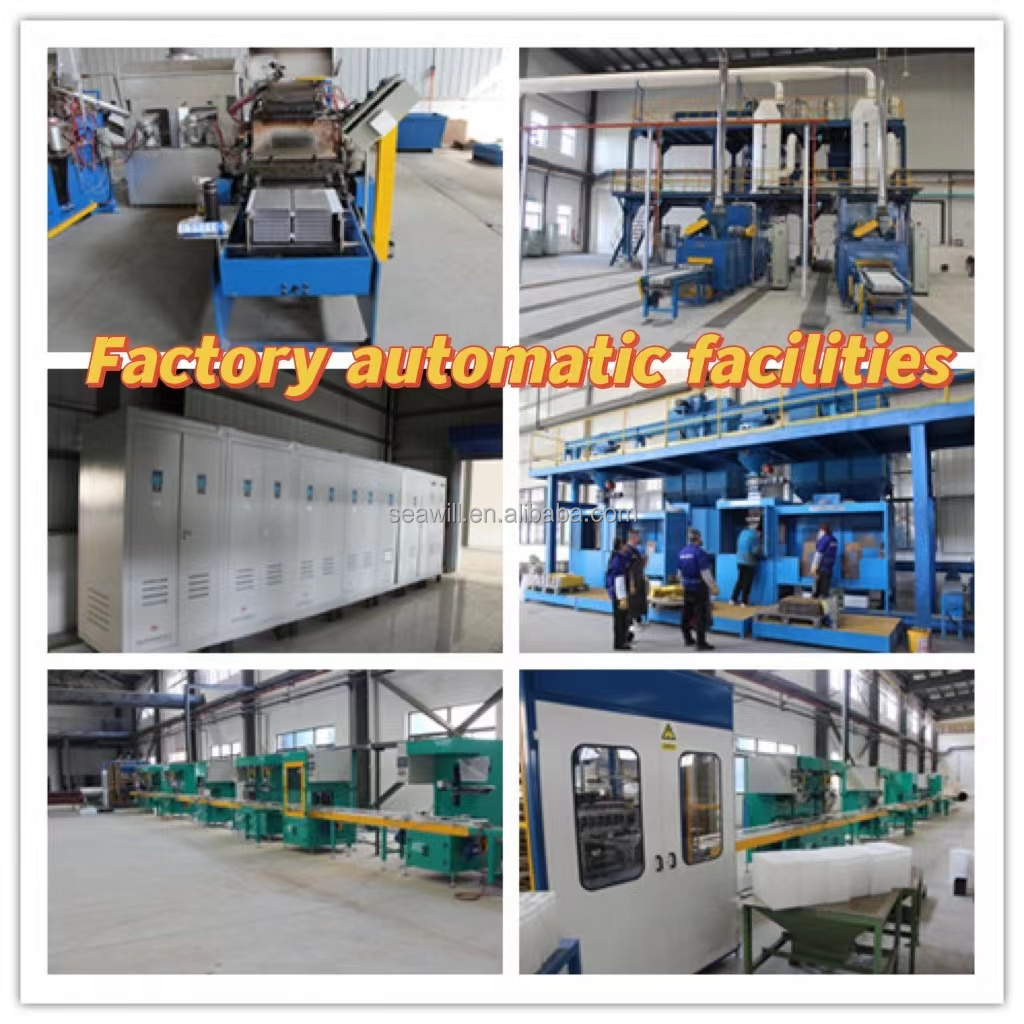
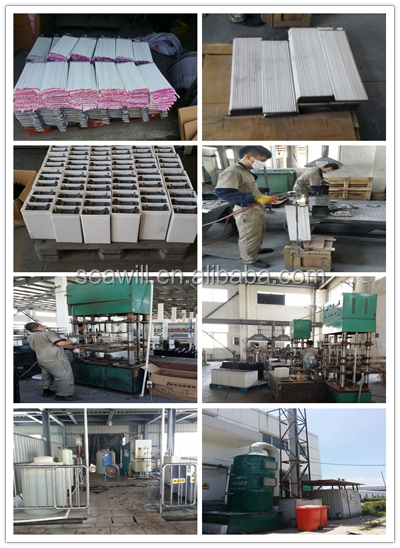
Production & Manufacturing Facilities
Production Facility 1
Production Facility 2
Production Line Graph
Facility Overview
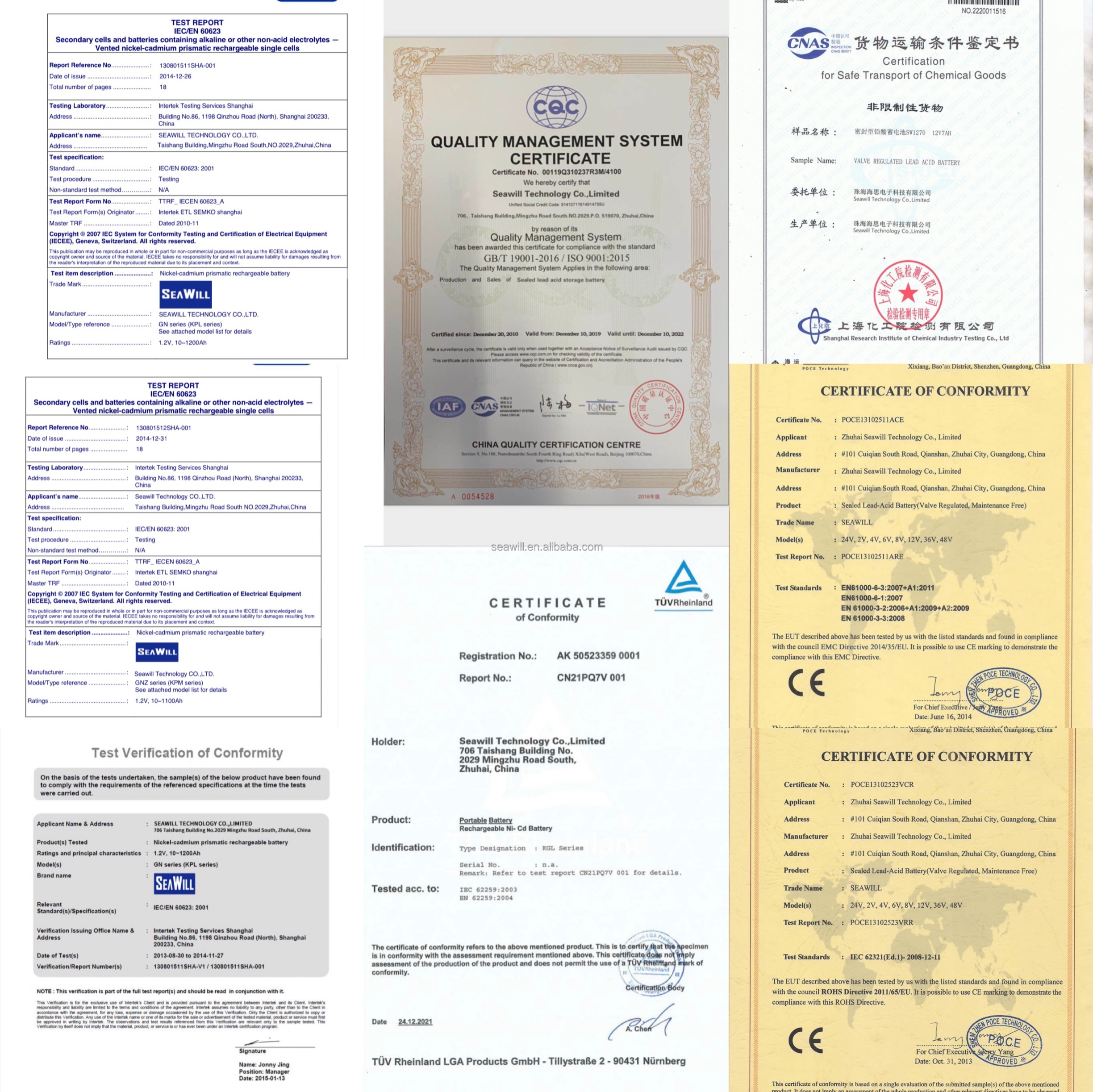
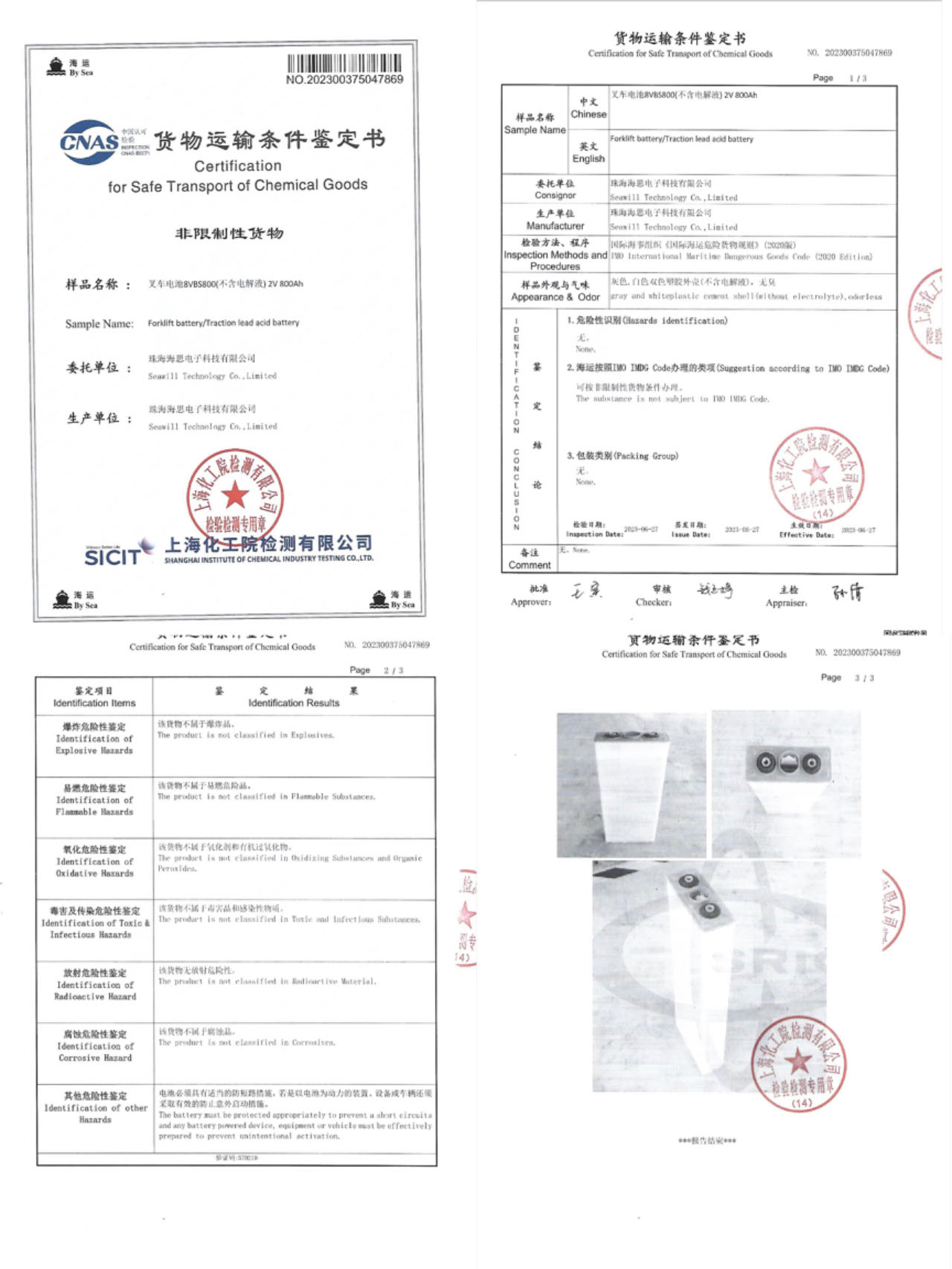
Transport Certificate

Professional transport certification is available for sea shipment and road transport. Reliable forwarders with over 15 years of battery export experience handle logistics for worry-free delivery.
Frequently Asked Questions
What applications are these traction forklift batteries suitable for?
These batteries are ideal for electric forklifts, electric vehicles, and solar energy storage systems.
How is the product quality guaranteed?
Quality is assured through standard pre-production testing and inspection protocols, which include evaluating a pre-production sample before mass fabrication and a final inspection of all units prior to shipment.
What types of batteries are available under your supply?
A full range of batteries is available, including sealed lead-acid batteries, nickel-cadmium batteries, nickel-iron batteries, forklift traction batteries, and tubular plate OPzV/OPzS batteries.
What is the difference between dry and wet forklift batteries?
Dry batteries require customers to fill them with acid upon delivery. Wet batteries are pre-filled with electrolyte and only require charging before immediate operational use.
What delivery and payment options are accepted?
Delivery terms include FOB, CFR, CIF, and EXW. Accepted payment currencies include USD, EUR, JPY, AUD, HKD, and CNY via payment methods such as T/T, L/C, MoneyGram, Western Union, and Escrow.

Related Products