GAF Energy GAF Energy

150kwh 200kwh Electric Car Battery Pack, Battery Lithium 400V 500V 150 kw Electric Car, Replaceable Battery Electric Car

Product Description

150kwh 200kwh Electric Car Battery Pack
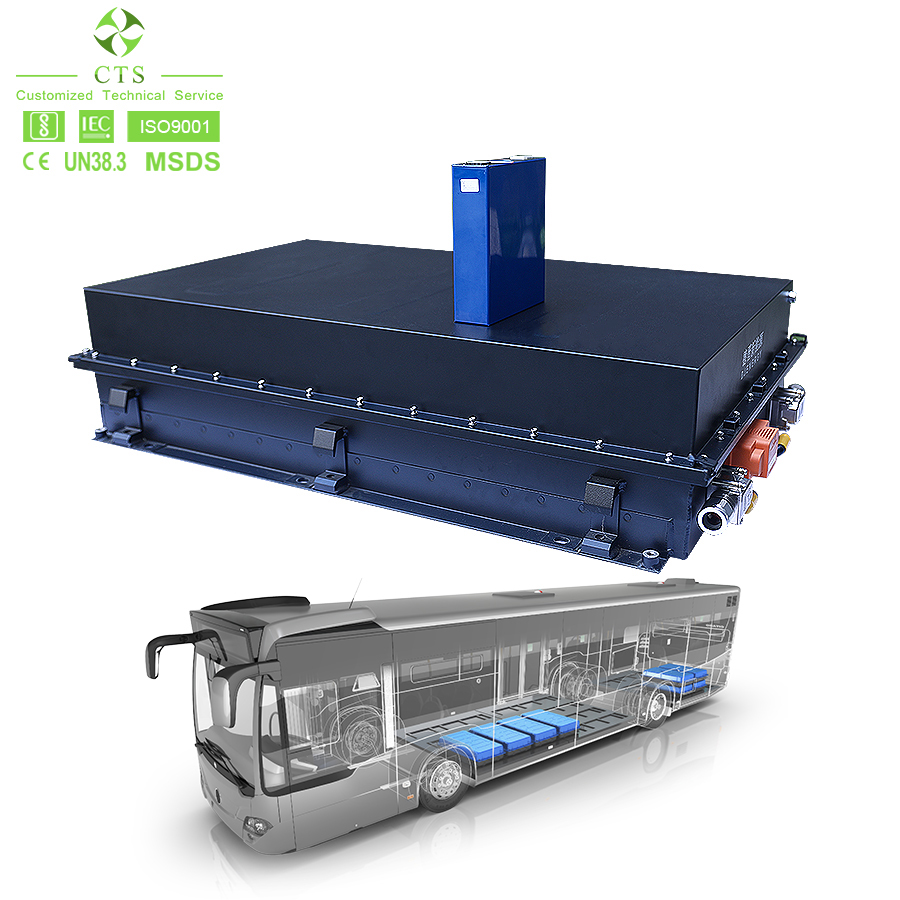
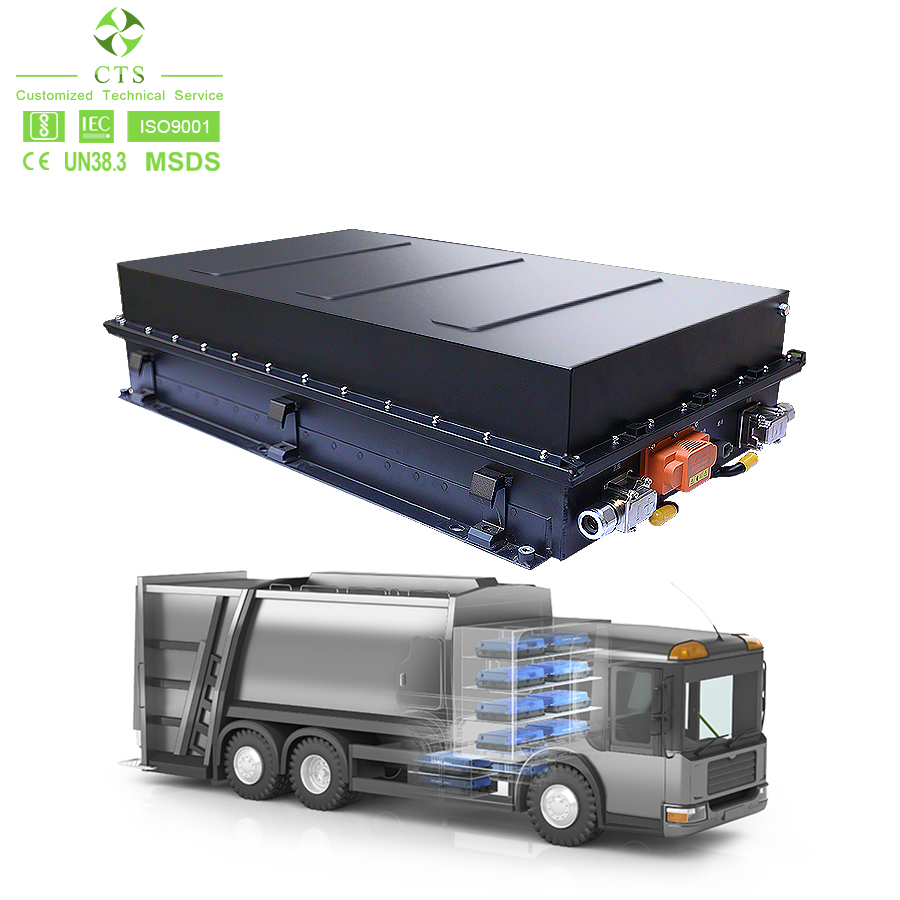
Lithium Battery 400V 500V 150kW Electric Car, Replaceable Battery System. Our standard modules are widely used in public buses, industry vehicles (such as mining trucks and tunnel vehicles), large capacity AGVs, and skyline cranes. We have premium experience across various global markets.
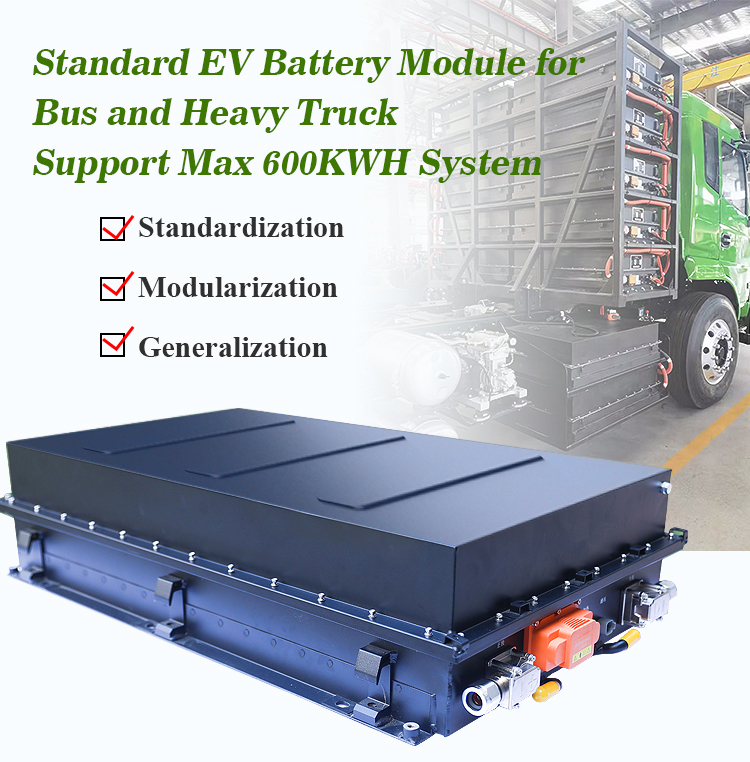
Standard EV Battery Module
Standard EV Battery Module for Bus and Heavy Truck

Supports Maximum 600KWH Power Systems
✔️
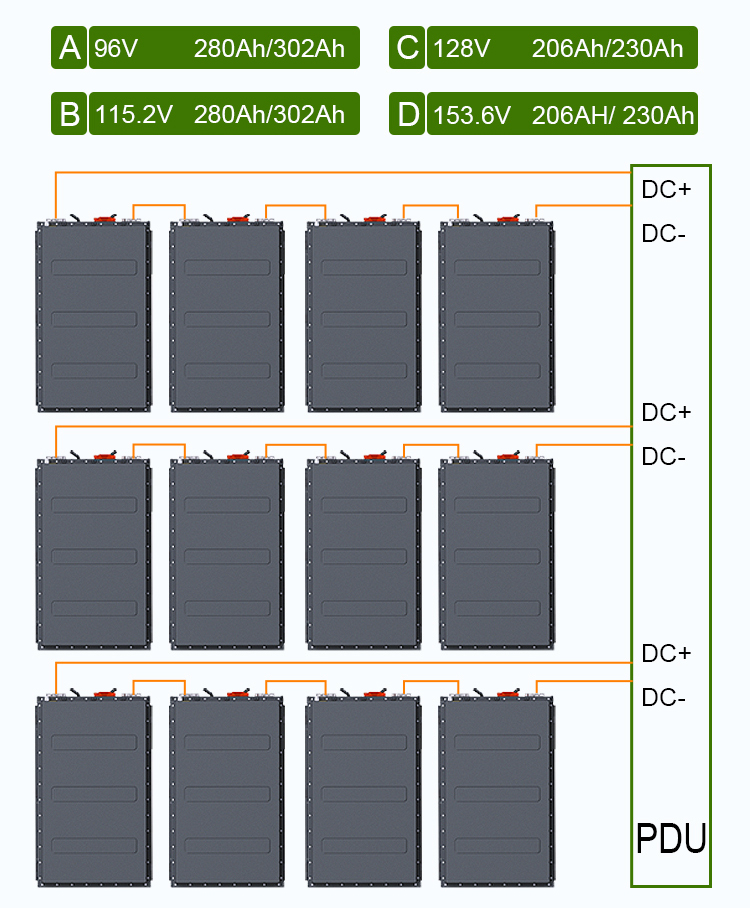
Multiple voltage and capacity choices: Support the max connection of 12 modules (4S3P) in one system. Below are modules available, which can be connected freely up to max 656V, 600KWH.
✔️
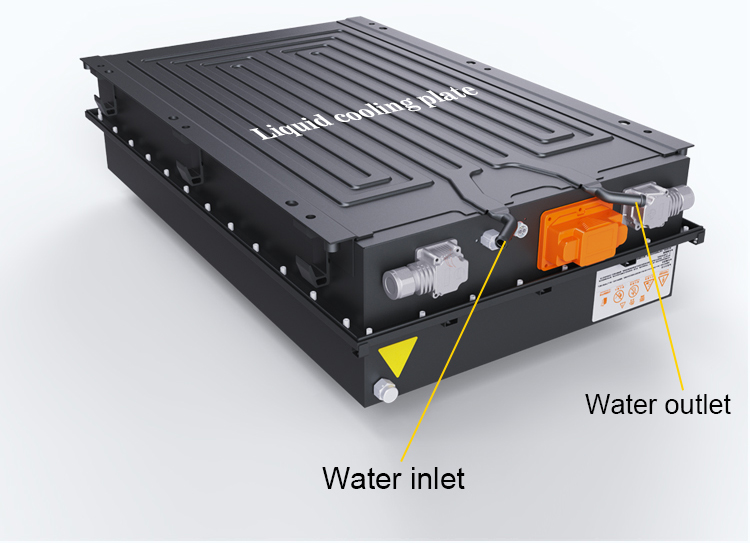
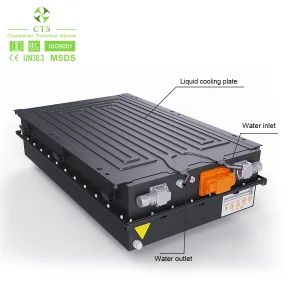
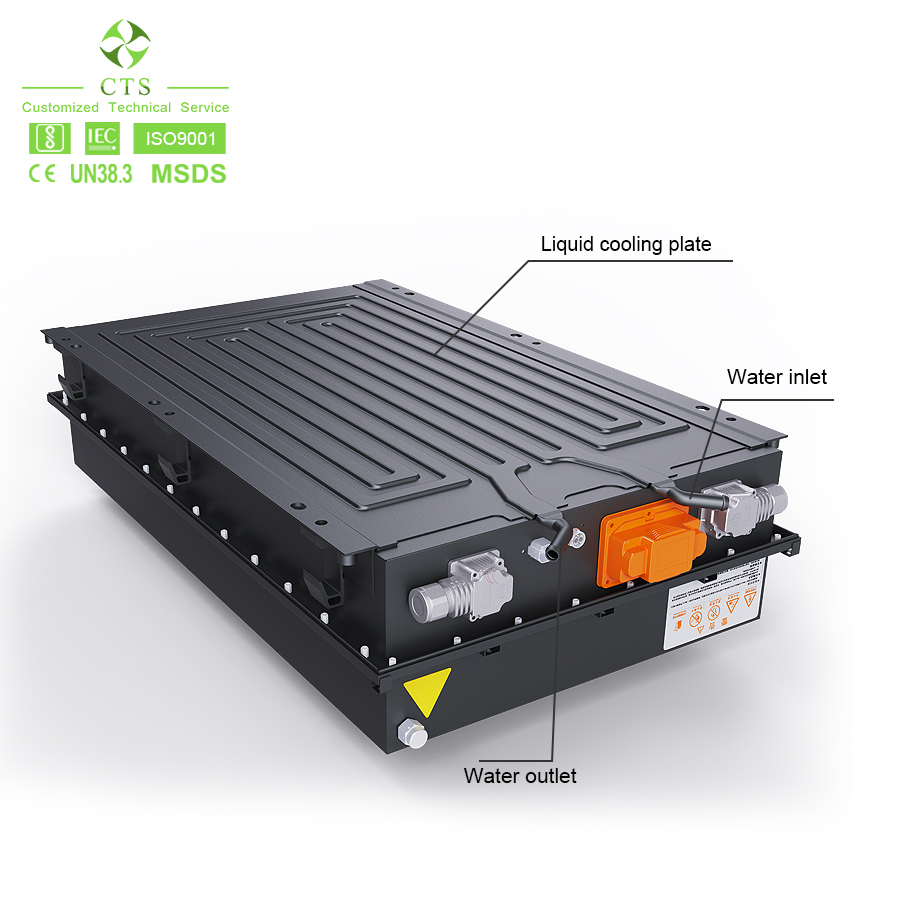
Longer life: Redesigned liquid cooling system for improved thermal consistency and longer operating life.
✔️
Safer EV Battery Module: Reliable LiFePO4 cells configured with a multi-tiered safety system.
EV Battery Module Details
What is an EV battery module?
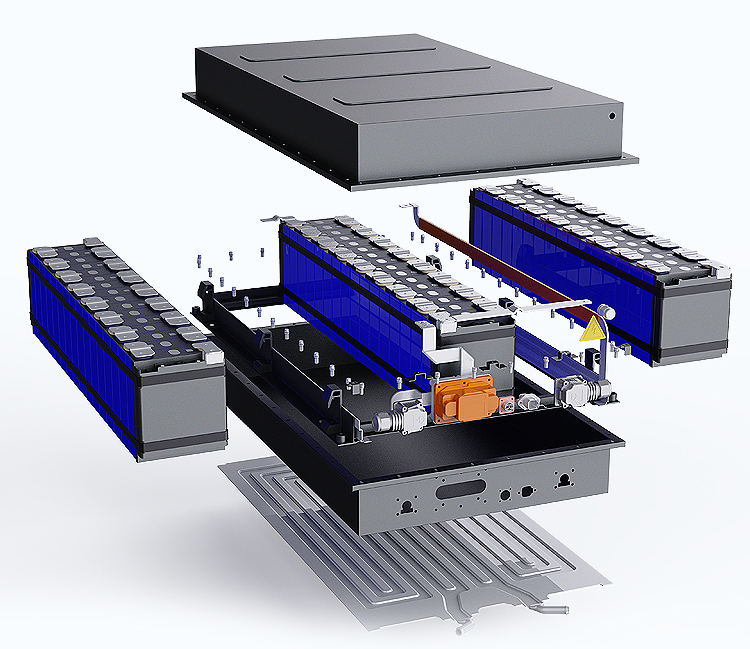
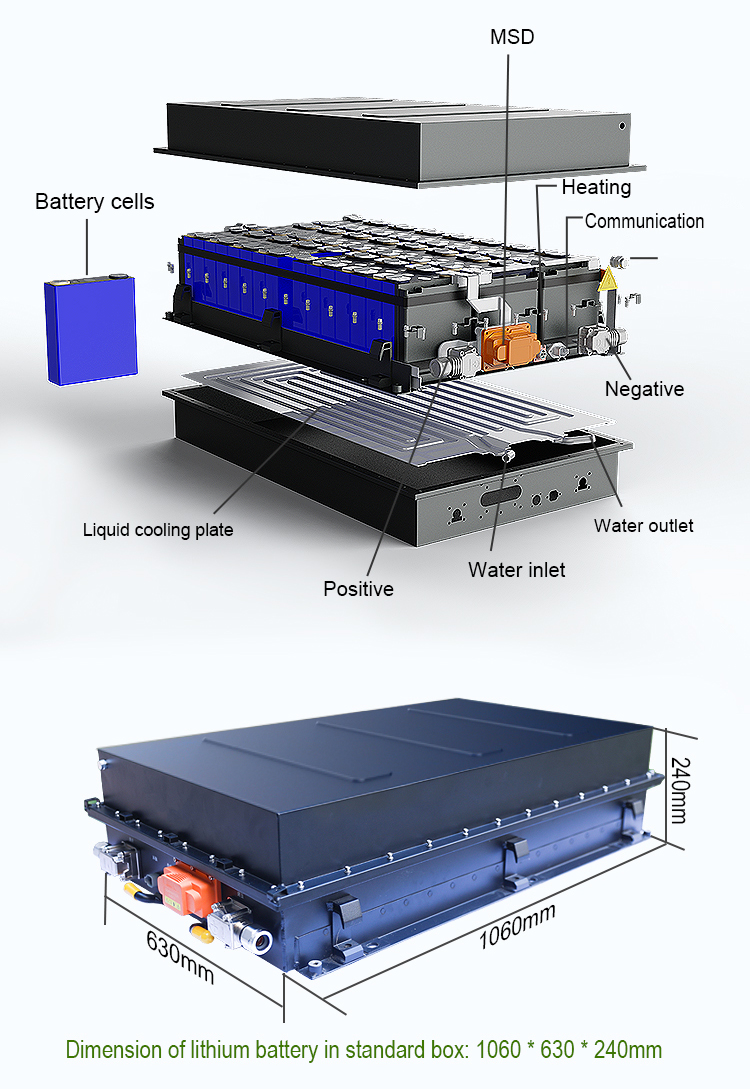
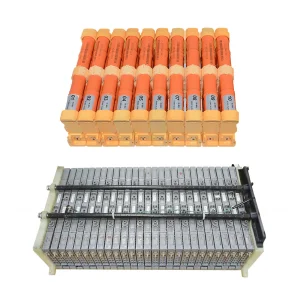
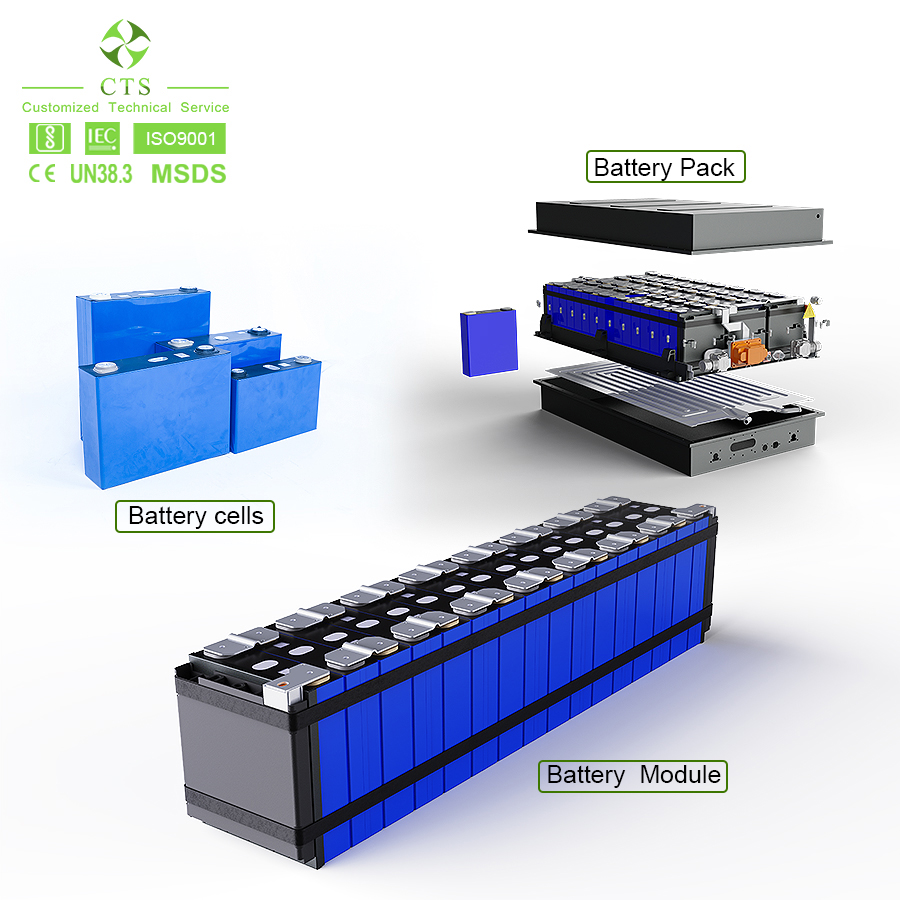
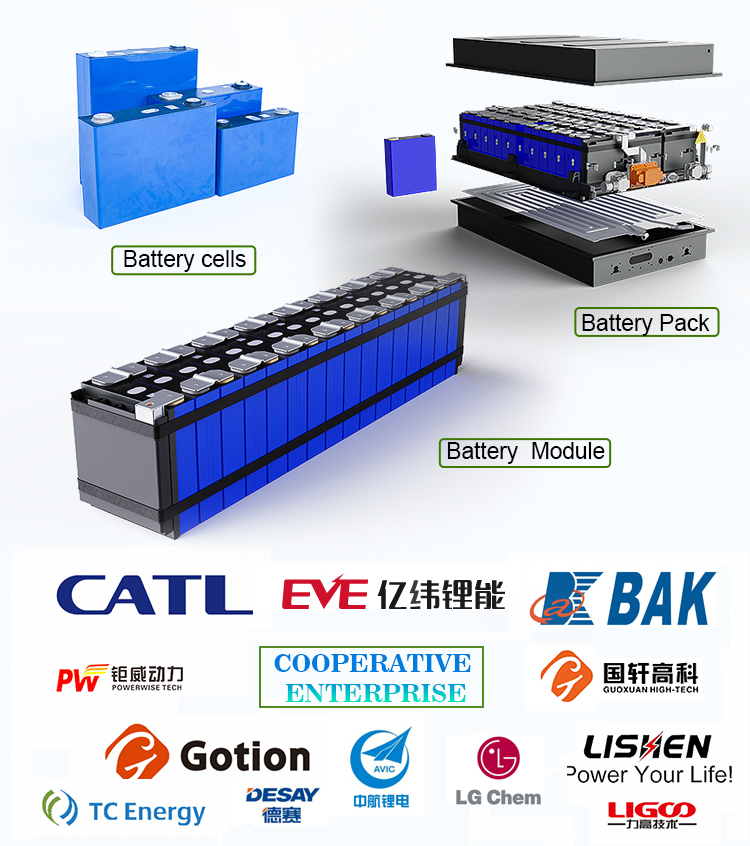
EV module and pack systems are assembled by both OEMs and automotive manufacturers. A module is composed of individual battery cells welded or physically attached to each other, wrapped in protective steel plates, with poles connected to establish correct system voltage.
How big is a standard EV battery module?
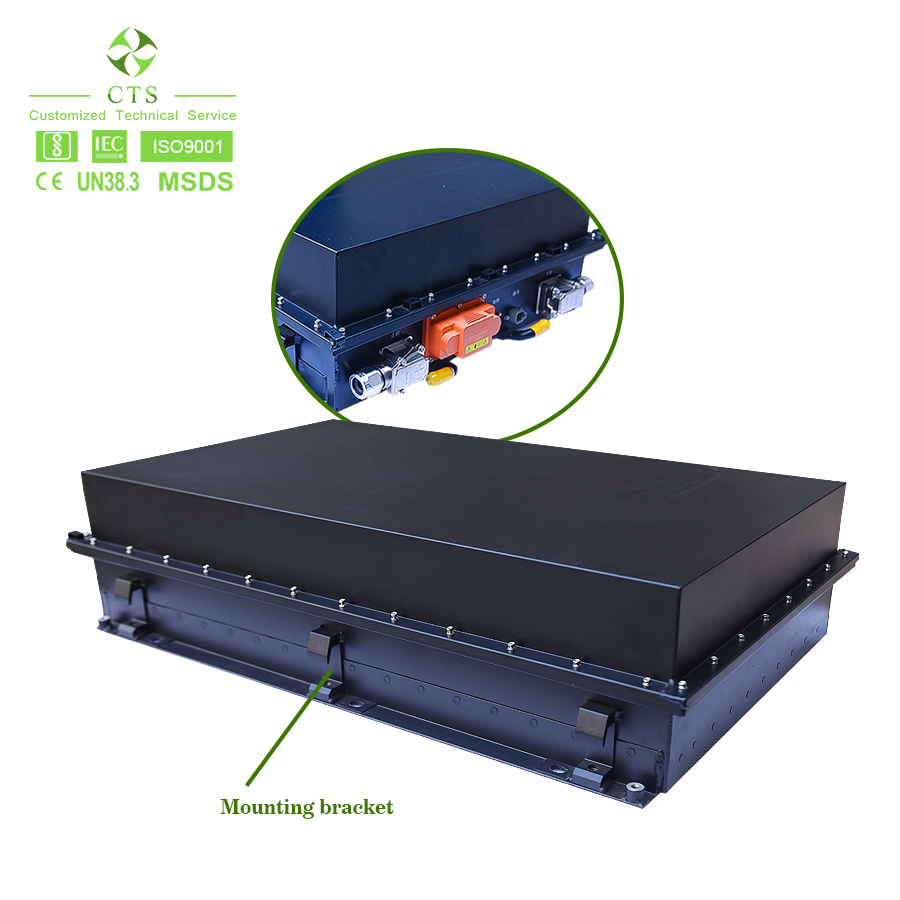
Dimensions: 1060 x 640 x 240 mm (Length x Width x Height).
Technical Specifications
MODEL F128206 F128230 F153206 F153230
ELECTRICAL SPECIFICATIONS
Cell Type - Chemistry 3.2V 206ah 3.2V 230ah 3.2V 206ah 3.2V 230ah
Rated Voltage 128V 128V 153.6V 153.6V
Energy 26.386kWh 29.44kWh 31.16kWh 35.328kWh
IP Protection IP67
Cycle life >3000 cycles (90% DOD, 0.5C)
Standard EV Battery Module Facts
🛠️
PACK System Core Technology integration.
⚖️
Compact + Lightweight Design for optimal space utilization.
🌡️
Patented Smart Thermal Liquid Technology for heat regulation.
🧩
Modular Design + Single Module Drivable architecture.
🔩
All standard component parts are molded for consistency.
🔋
Advanced Cell Core Technology optimization.
Power-type Li-ion battery featuring long cycle life and fast charging/discharging capabilities to support the mobility requirements of electric vehicles.
Why Choose This Standard EV Battery Module?
✔️
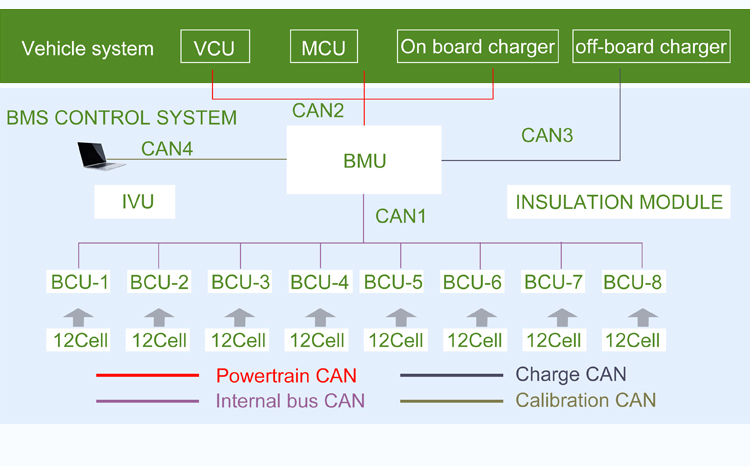
SOC Calculation: Real-time dynamic calibration taking vehicle operating conditions into consideration. Multi-method combinational algorithm offering high accuracy measurement of cell voltage, temperature, and pack current built upon extensive experimental data.
✔️
Faults Diagnosis: Monitors insulation anomalies, water leakage, cell voltage boundaries, high/low temperature warnings, communication failures, contactor welds, power connections, and temperature sensor faults.
Lithium Battery System Diagram
Electric Vehicle Lithium-Ion Battery System
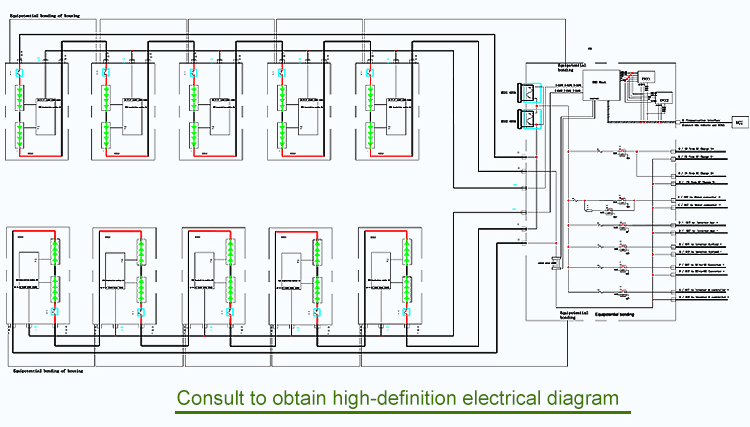
Electrical diagram of the lithium battery system within a standard box: Two-way high voltage input with double-gun charging capability. Two-way high voltage output (water cooling compressor output & motor driving output). Single-way low voltage output interface for communication with the vehicle.
System Interface and Indicators
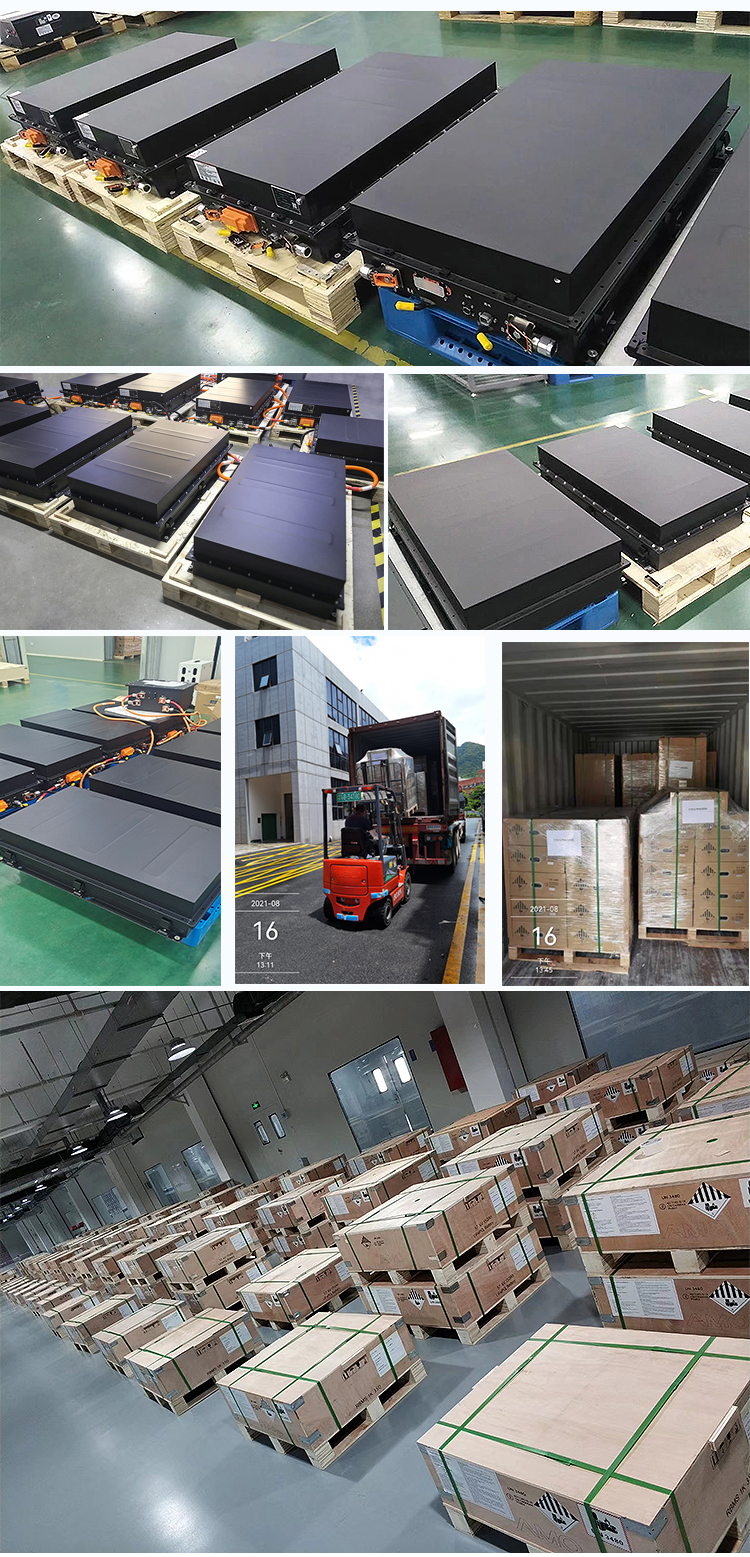
Production & Quality Showcase
Frequently Asked Questions
What applications are these EV battery modules designed for?
Our standard battery modules are widely utilized in public buses, industrial vehicles (such as mining trucks and tunnel vehicles), large capacity Automated Guided Vehicles (AGVs), and skyline cranes.
What is the maximum system configuration capacity?
The system supports a maximum connection of 12 modules in a 4S3P configuration, allowing for systems up to 656V voltage and 600KWH overall capacity.
What are the physical dimensions of a standard module?
A standard module measures exactly 1060 x 640 x 240 mm (Length x Width x Height) and uses a robust casing layout for vehicle integration.
How does the system ensure long cycle life?
The modules feature a redesigned patented liquid cooling thermal management system that ensures temperature consistency across all cells, extending cycle life to over 3000 cycles at 90% Depth of Discharge (DOD).
What integrated safety features does the system have?
The system monitors critical states dynamically, including insulation quality, water leakage, voltage boundaries, cell temperatures, communication health, and potential contactor weld risks to ensure stable performance.

Related Products