GAF Energy
GAF Energy
GAF Energy
Berlin’s ambitious transition toward climate neutrality by 2040, as codified in the updated Berliner Klimaschutz- und Energiewendegesetz (EWG Bln), has placed immense structural demands on metropolitan grid systems. Under the *Solargesetz Berlin* mandate, solar PV installations are now compulsory for all new residential, commercial, and industrial constructions, as well as significant roof renovations. This decentralized solar expansion introduces high volatility into local distribution networks operated by Stromnetz Berlin GmbH.
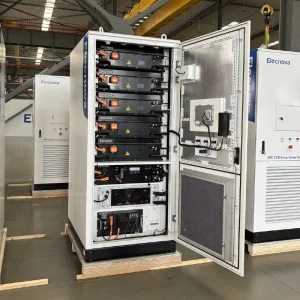
Without robust energy storage infrastructure, commercial operators face steep network charges driven by peak demand pricing. Local commercial parks, such as the Adlershof Science and Technology Hub (WISTA) or the manufacturing zones in Spandau and Tempelhof-Schöneberg, require high-capacity, grid-interactive Lithium Iron Phosphate (LiFePO4) systems to mitigate peak-shaving costs.
Our utility-grade and industrial battery storage units operate as dynamic network nodes. By providing local frequency containment reserves (FCR), automatic frequency restoration reserves (aFRR), and supporting "atypical grid usage" (§ 19 StromNEV) frameworks, GAF Energy’s technologies allow German developers to significantly reduce capital expenditure and secure long-term, predictable ROI.
Seeking tailored engineering parameters for Berlin's grid codes?
Send Inquiry NowWhy Shenzhen GAF Energy Co., Ltd. serves as the premier supply bridge for German EPC contractors, system integrators, and distributors.
GAF Energy collaborates directly with primary lithium cell giants (such as CATL, EVE, and Cornex). By securing Tier-1 A-grade prismatic cells directly from refined raw lithium stocks, we bypass intermediate supply layers, ensuring unparalleled cell consistency, lower internal resistance, and matched thermal behavior.
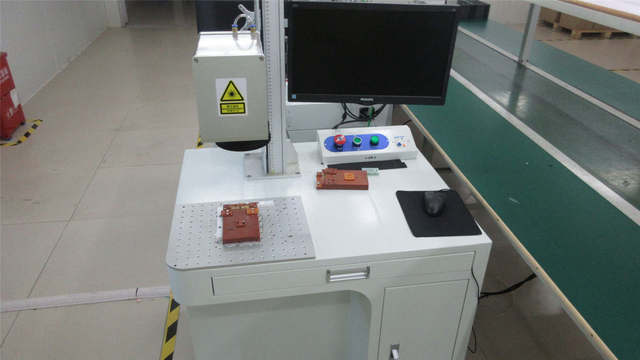
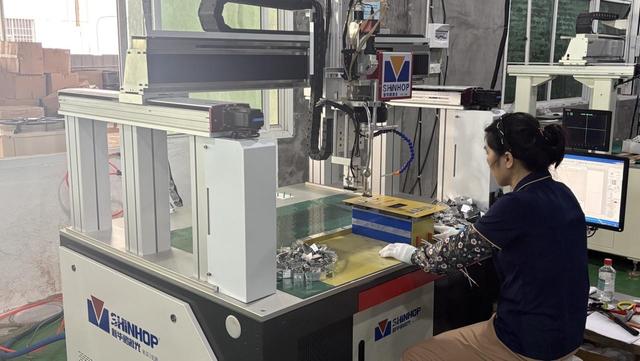
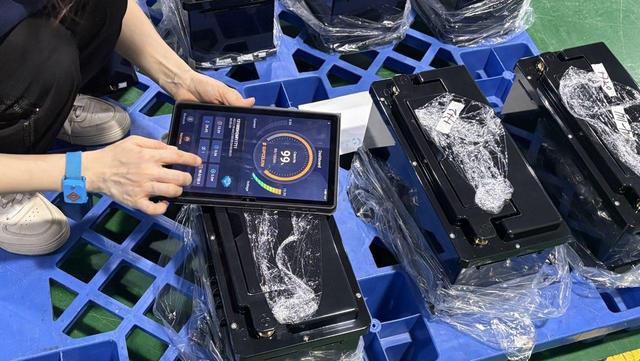
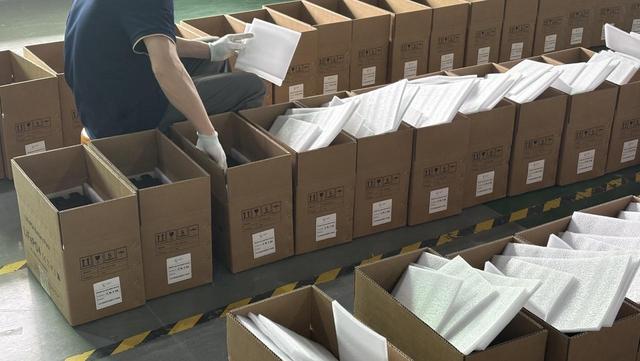
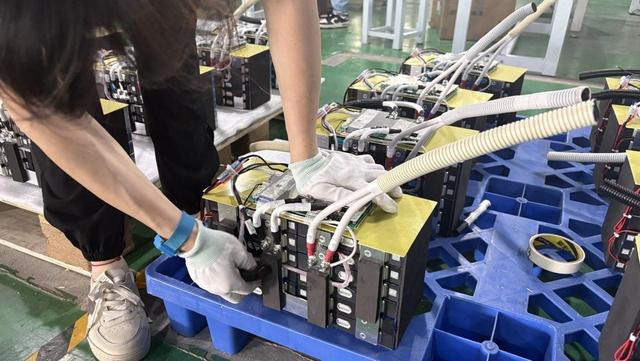
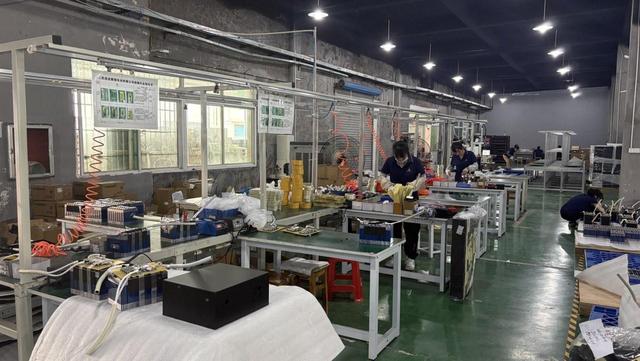
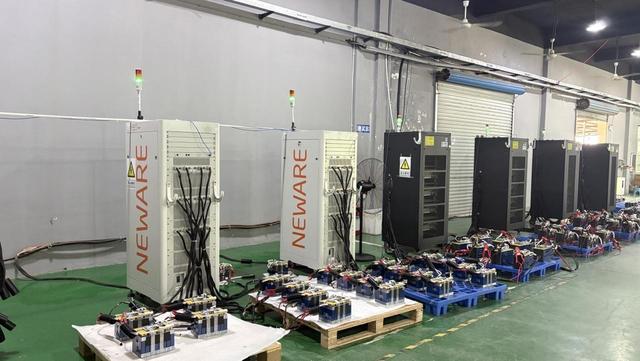
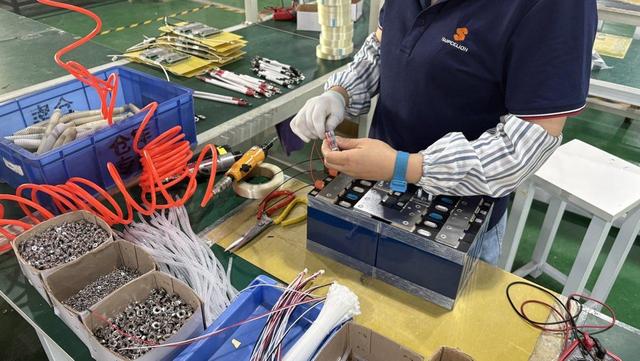
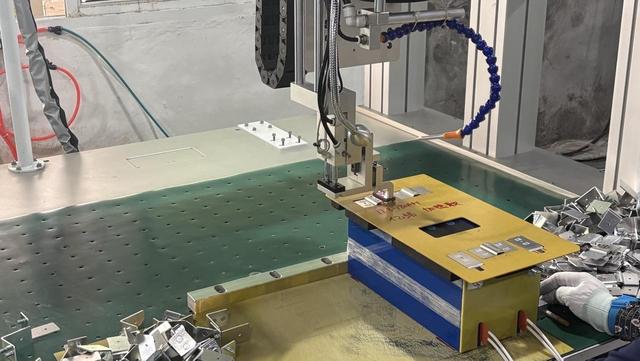
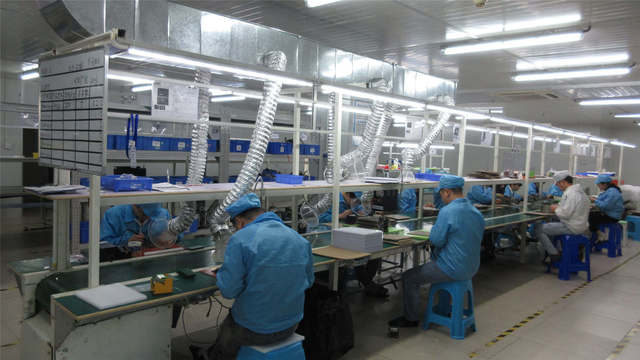
Located in the heart of China’s global battery cluster, our Shenzhen factory features highly automated production lines, laser welding technology, and advanced automated EOL (End-of-Line) testers. This concentration of specialized technical talent allows us to engineer products to strict German safety standards (VDE, CE, UN38.3).
For European procurement managers, purchasing directly from a high-efficiency Chinese manufacturer reduces Levelized Cost of Storage (LCOS) by up to 35% compared to local European assemblers. Standardized manufacturing scaling ensures consistent delivery cycles, even amidst complex sea-freight logistics.
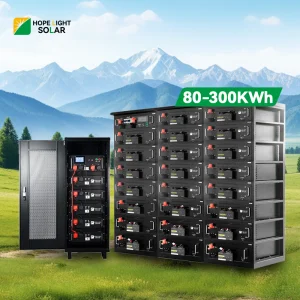
Implementing utility battery storage in Berlin requires navigating precise regulatory constraints. Our engineering division optimizes BESS (Battery Energy Storage Systems) for three primary application scenarios highly requested in the German capital:
Addressing the engineering demands of modern European grid infrastructures.
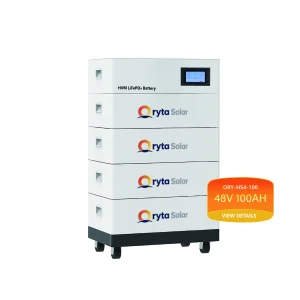
The global energy storage industry is undergoing rapid technological advancement. The transition from legacy low-voltage chemistry blocks (48V) to multi-tier high-voltage DC architectures represents a significant milestone. High-voltage battery configurations (ranging from 307V to over 800V DC) minimize cable losses, optimize round-trip system efficiency, and allow direct coupling with central bidirectional inverters.
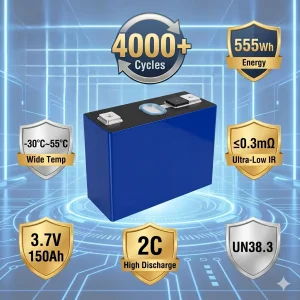
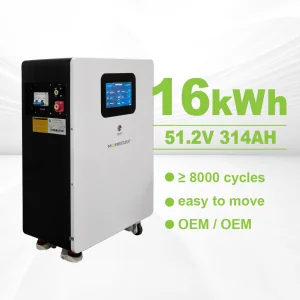
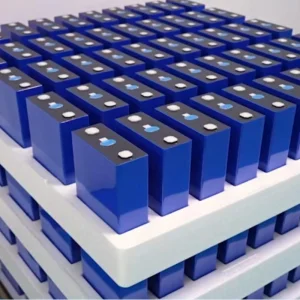
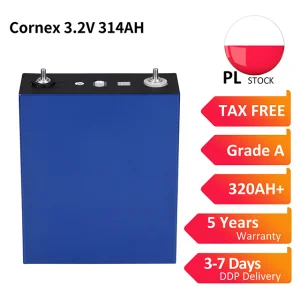
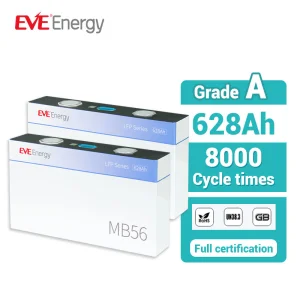
Another major trend is the development of ultra-dense prismatic chemistries. The market is transitioning from standard 280Ah lithium-ion formulations to high-capacity 314Ah, 340Ah, and even 628Ah cells. These large-format cells offer higher volumetric energy densities, requiring fewer system components, reducing structural weight, and minimizing interconnection points. This significantly increases system reliability and thermal management efficiency.
"The implementation of intelligent active balancing BMS systems is crucial. Passive balancing systems simply burn off excess energy as heat, whereas GAF Energy’s active balancing modules redistribute charge dynamically across cells. This technology extends system lifespan by up to 25% under variable load cycles."
Furthermore, European safety regulations require rigorous thermal runaway mitigation protocols. Compliance with standards such as UL 9540A and VDE-AR-E 2510-50 is mandatory for commercial installations in Germany. This requires multi-tier safety designs:
GAF Energy incorporates these advanced safety layers into all commercial and containerized systems, assuring Berlin regulators, zoning offices, and insurance underwriters of system safety and compliance.
High-capacity battery packs, residential storage units, and utility-scale containerized power stations.
Expert advice from GAF Energy's senior engineering team on optimizing risk, tariffs, and regulatory compliance.
Procuring industrial assets requires compliance with the EU's Carbon Border Adjustment Mechanism (CBAM) and the German Supply Chain Due Diligence Act (Lieferkettensorgfaltspflichtengesetz). Ensure your battery partner provides certified supply chain transparency reports, verification of non-conflict materials, and carbon-footprint declarations.
For grid connection in the 50Hertz transmission region, power conditioning systems (PCS) and battery management systems (BMS) must conform to VDE-AR-N 4105 (low voltage) or VDE-AR-N 4110 (medium voltage) standards. Verify that the bidirectional inverters and battery packs carry accredited laboratory certifications before customs declaration.
Large-scale battery storage requires specialized commissioning, integration, and maintenance. Confirm your partner offers remote diagnostics via CAN/Modbus, rapid spare parts availability, and engineering support for your local EPC contractor.
Semantic search queries and technical clarifications for the Berlin energy storage market.
In Germany, companies with high energy consumption can apply for an individual network tariff under § 19 paragraph 2 of the StromNEV (German Electricity Network Charges Ordinance). By using a battery storage system for peak shaving during peak periods, the company can lower its peak demand charge. This requires charging the battery when grid load is low and discharging it during peak load windows, which helps stabilize the local distribution grid.
For grid-connected lithium-ion battery storage systems in Germany, compliance with VDE-AR-E 2510-50 is standard for safety verification. This standard covers the entire system, including battery cells, battery management systems (BMS), and power conversion systems. Battery cells should also be certified under IEC 62619 for safety in industrial applications, and the overall system must bear the CE mark, complying with Low Voltage Directive (2014/35/EU) and EMC Directive (2014/30/EU).
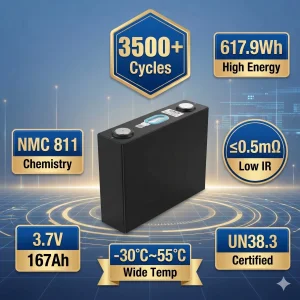
Lithium Iron Phosphate (LiFePO4) is the preferred chemistry for stationary energy storage systems (ESS) due to its high thermal stability, long cycle life (typically 6,000 to 10,000 cycles at 80% DoD), and safety under mechanical stress. NMC (Nickel Manganese Cobalt) chemistries offer higher energy density, making them suitable for space-constrained applications, such as electric vehicles and specific material handling equipment, though they typically feature a shorter cycle life (3,500 to 5,000 cycles).
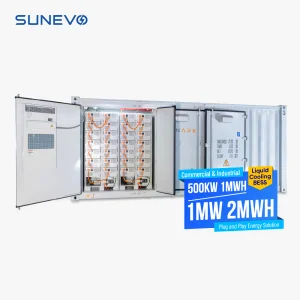
Berlin temperatures can drop below freezing during winter. Lithium-ion batteries, including LiFePO4, experience reduced charge acceptance and capacity at temperatures below 0°C. To maintain optimal performance and prevent lithium plating, our outdoor-rated containerized energy storage systems (20FT/40FT solutions) feature integrated liquid thermal management systems and thermal insulation, maintaining the internal temperature range between 15°C and 25°C.
Shenzhen GAF Energy Co., Ltd. is a professional Lithium Battery Manufacturer | LiFePO4, Energy Storage & Renewable Power Solutions dedicated to delivering advanced energy storage technologies for residential, commercial, industrial, and renewable energy applications worldwide. With a focus on innovation, safety, and sustainability, the company provides high-performance lithium battery solutions that support the growing global demand for clean and reliable energy.
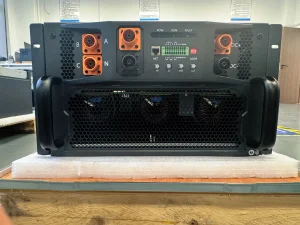
Headquartered in Shenzhen, China, GAF Energy operates modern manufacturing facilities equipped with advanced production equipment, automated assembly lines, and comprehensive quality management systems. The company specializes in the research, development, and production of LiFePO4 batteries, lithium-ion battery systems, residential energy storage batteries, commercial and industrial energy storage systems (ESS), solar storage batteries, rack-mounted battery systems, high-voltage battery solutions, and customized battery packs.
GAF Energy places strong emphasis on product quality and technological innovation. By utilizing premium battery cells, intelligent battery management systems (BMS), and rigorous testing procedures, the company ensures excellent safety, long cycle life, stable performance, and high energy efficiency. Every battery system is designed to meet the demanding requirements of renewable energy integration, backup power applications, and modern energy management solutions.
In addition to standard product offerings, GAF Energy provides comprehensive OEM and ODM services for distributors, energy solution providers, solar installers, system integrators, and private-label brands. From product design and engineering to manufacturing and technical support, the company delivers flexible solutions tailored to specific project requirements.
Serving customers across North America, Europe, Australia, Southeast Asia, Africa, and the Middle East, Shenzhen GAF Energy Co., Ltd. has established long-term partnerships based on product reliability, competitive pricing, and responsive customer service. Committed to accelerating the transition toward sustainable energy, the company continues to invest in advanced battery technologies and renewable energy innovations, helping customers achieve greater energy independence and long-term environmental benefits.