 GAF Energy
GAF Energy
GAF Energy
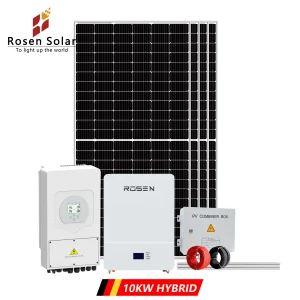
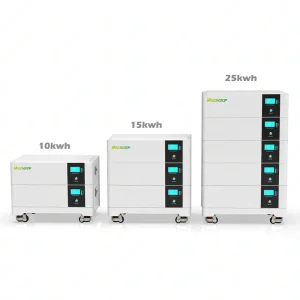
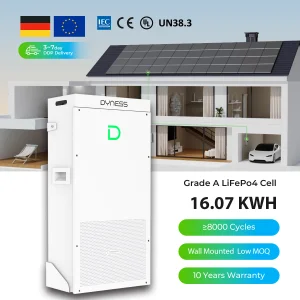
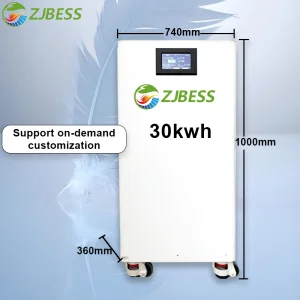
The Turkish energy landscape is undergoing a paradigm shift. With rapid urbanization, increasing industrialization, and high population density across major cities like Istanbul, Ankara, and Izmir, the demand for stable electricity has reached unprecedented levels. Historically reliant on fossil fuels and external energy imports, Turkey's National Energy Plan (Türkiye Ulusal Enerji Planı) outlines a roadmap to scale back carbon footprints while aggressively integrating renewable installations. For residential consumers, this macro-level transition manifests directly in volatile household electricity tariffs, occasional regional grid instability, and the rising economic sense of self-generation via rooftop solar photovoltaics (PV).
Currently, Turkish households face two primary challenges: rising electricity pricing structures and localized grid fluctuations caused by aging transmission infrastructure under peak summer and winter loads. The introduction of net-metering regulations (Aylık Mahsuplaşma) has incentivized residential users to install solar power systems on rooftops. However, pure solar generation without energy storage fails to resolve the mismatch between peak production at noon and peak demand in the evening. This mismatch, coupled with the threat of power outages in key agricultural and industrial-adjacent residential zones, has transformed residential energy storage batteries from a luxury asset into a critical, high-return infrastructure investment.
By integrating advanced Lithium Iron Phosphate (LiFePO4) battery chemistries, Turkish homeowners can achieve up to 80-90% self-consumption levels. Furthermore, because Turkey's industrial and residential zones are closely intertwined, small-to-medium home businesses, private workshops, and agricultural estates leverage residential battery packs to run critical appliances, safeguard expensive machinery from grid surges, and manage peak-shaving operations to stay within lower utility tariff brackets.
As a major manufacturer located in Shenzhen, China—the undisputed global capital of lithium battery technology and raw material supply chains—Shenzhen GAF Energy Co., Ltd. stands as the ultimate strategic partner for Turkish battery importers, energy project developers, and solar system distributors. While many suppliers operate as simple assembly traders, GAF Energy runs a highly vertically integrated manufacturing process, combining high-grade A-class LiFePO4 cells with locally developed, intelligent Battery Management Systems (BMS) to guarantee prolonged system lifetimes.
By manufacturing in Shenzhen, GAF Energy directly secures tier-1 cell allocations from top-tier cell manufacturers, bypassing third-party price markups. We pass this cost advantage directly to Turkish importers, helping them mitigate the financial impact of Turkish Lira (TRY) exchange rate fluctuations. Furthermore, our strategic proximity to major shipping terminals allows us to offer optimized logistics, handling transit pathways through the Mediterranean and Black Sea directly to crucial Turkish trade hubs including the Ports of Ambarlı, Mersin, and Izmir.
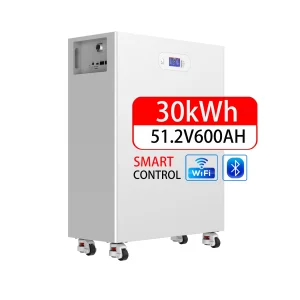
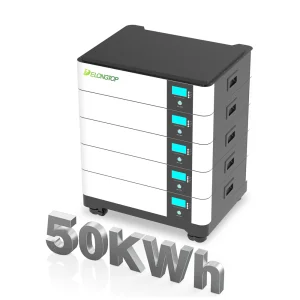
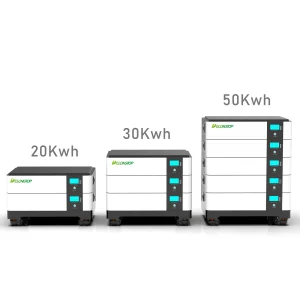
Turkish households possess varied infrastructure setups, from three-phase grid connections in high-end western estates to single-phase systems in traditional residential blocks. GAF Energy's R&D department provides extensive customization options. We can customize voltage outputs, cabinet sizing, stackable capacities (ranging from 5kWh modules up to 50kWh systems), communications protocols with European and Asian hybrid inverters, and branding/private label configurations tailored to local Turkish solar installers.
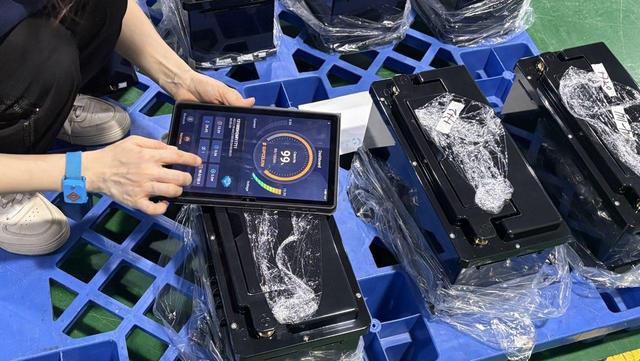
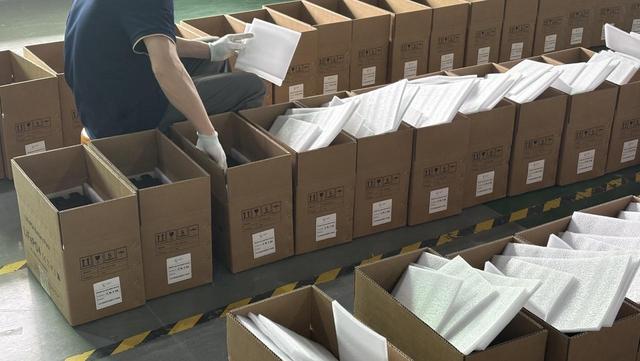
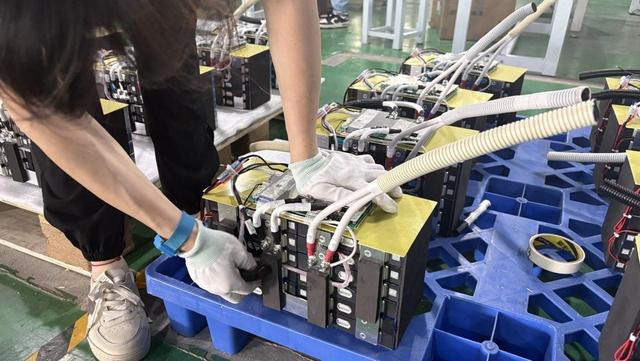
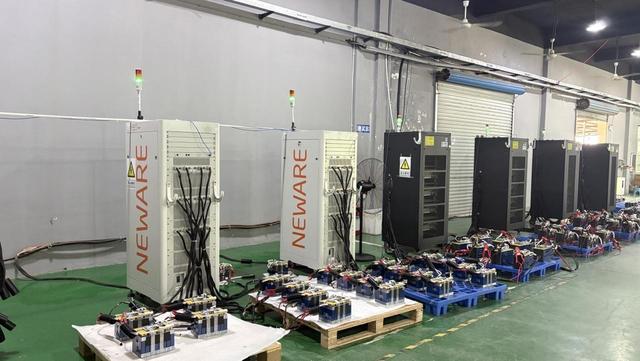
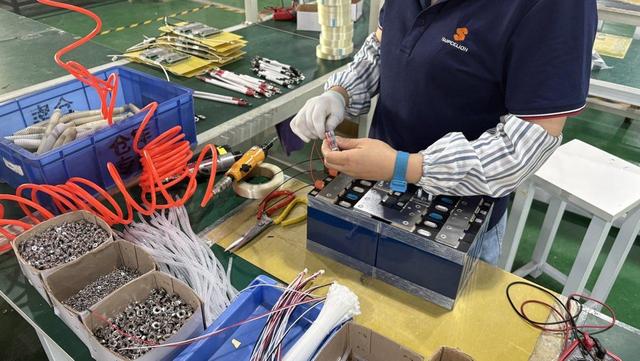
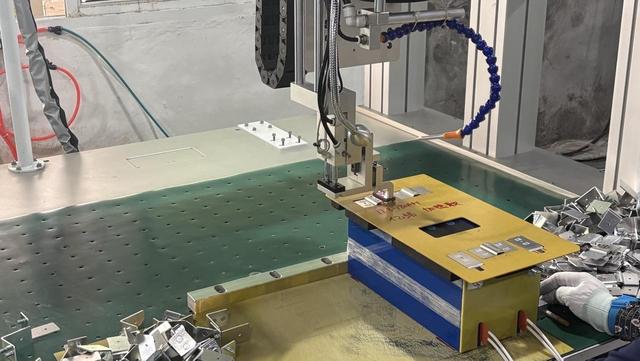
Every single battery module built by GAF Energy undergoes a multi-phase QA procedure including cell grading, high-temperature aging chambers, continuous charge/discharge testing, and vibration simulation. Our products carry all required global certifications, including UN38.3, CE, IEC 62619, and MSDS. This guarantees smooth customs clearance at Turkish entry points and ensures local compliance with the Turkish Standards Institution (TSE).
The application of residential energy storage system (ESS) solutions in Turkey must align with local architectural formats and regional grid conditions. GAF Energy has developed specialized application models to match the precise requirements of Turkish consumers:
Villas along the Aegean and Mediterranean coasts experience high cooling demands in summer. Solar installations combined with high-voltage stackable LiFePO4 batteries (such as our 20kWh to 40kWh systems) provide seamless backup, maintaining air conditioning and pool pump operations during local brownouts, all while maximizing solar self-consumption.
For agricultural properties and rural estates in the Anatolian region, connection to the main grid is either cost-prohibitive or unstable. High-capacity all-in-one energy storage systems with integrated inverters provide reliable, long-term power to operate light machinery, automated watering systems, and residential domestic setups.
In densely populated urban areas, wall-mounted, space-saving 51.2V LiFePO4 units (like the Dyness Powerbrick equivalent or GAF Energy rack-mounted units) provide rapid UPS-grade energy backup during municipal grid downtime, protecting critical home automation, work-from-home offices, and heating electronics.
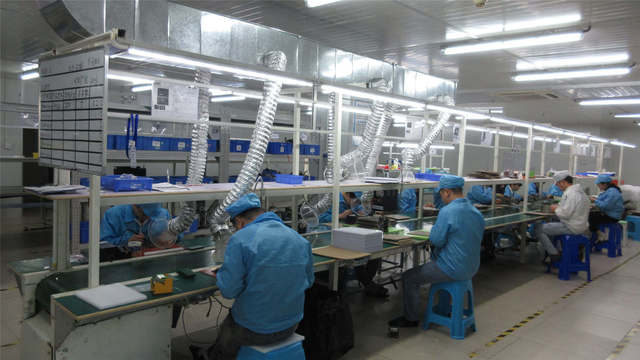
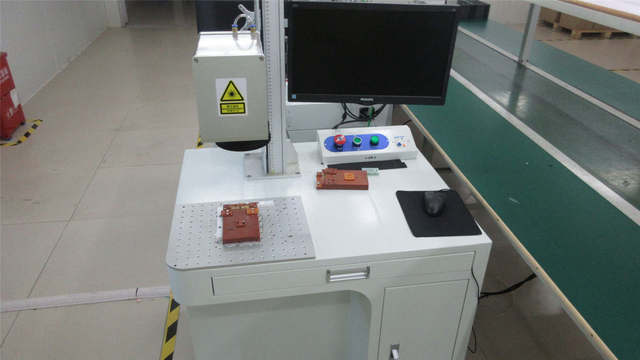
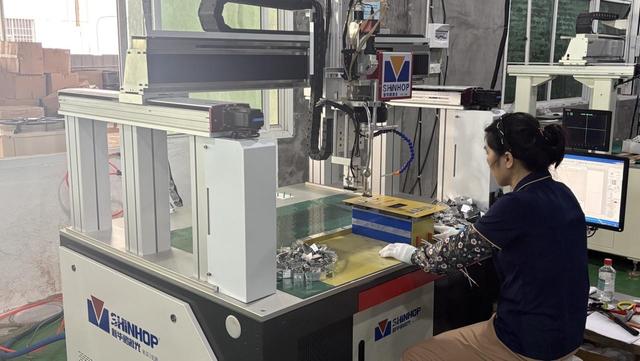
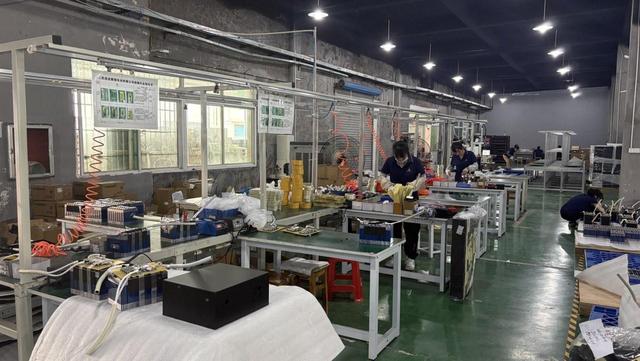
Our state-of-the-art production facilities in Shenzhen are equipped with high-precision cell sorting machines, automated laser welding, and rigorous testing bays to ensure that every battery shipped to Turkey meets international performance and safety benchmarks.
The Turkish energy sector is transitioning rapidly toward digitalized smart grids. To align with this transformation, residential energy storage tech is advancing in several key directions:
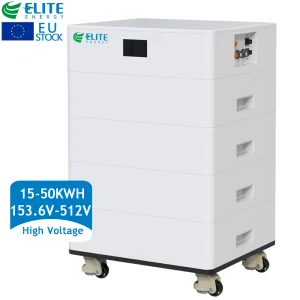
1. Shift from Low-Voltage (48V) to High-Voltage (HV) Stackable Architectures: While 48V systems remain the industry standard due to ease of installation and high safety levels, high-voltage solutions (typically above 200V DC) are gaining market share. High-voltage configurations allow systems to achieve higher round-trip efficiencies, lower transmission losses inside the residential wiring, and allow direct connection to modern high-power hybrid inverters.
2. Integration with Major Inverter Brands: Seamless protocol integration is paramount. Turkish installers frequently utilize globally recognized inverters, including Deye, Solis, Growatt, Megarevo, and SMA. GAF Energy batteries are programmed at the firmware level to dynamically communicate with these inverter brands, ensuring plug-and-play installation and providing precise telemetry data (State of Charge, State of Health, Cell Voltages, Temperate Profiles) to user-facing monitoring applications.
3. Smart Grid and V2G (Vehicle-to-Grid) Compatibility: As electric vehicle (EV) ownership increases across Turkey—anchored by the growth of domestic EV brands like Togg—smart residential battery systems will increasingly act as the central energy hub of the home, balancing EV chargers, rooftop solar arrays, and grid demands in real-time.
Expert insights on selecting, importing, and operating GAF Energy residential storage solutions in Turkey.
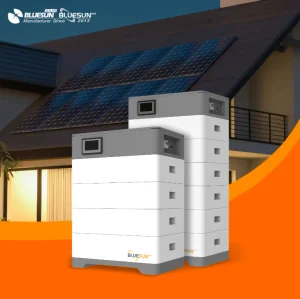
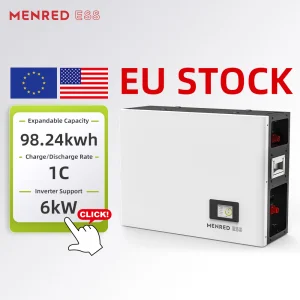
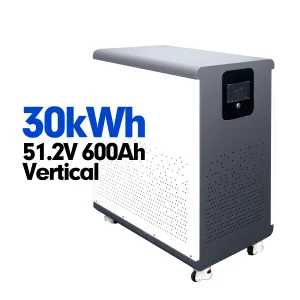
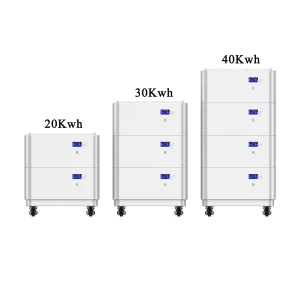
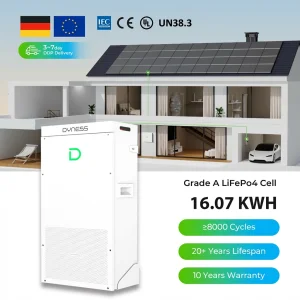
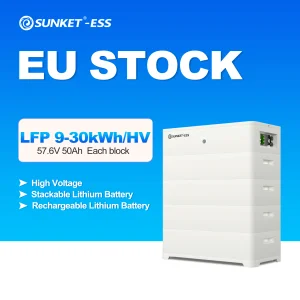
Importing industrial-grade lithium-ion battery configurations into the Turkey market requires an optimized and experienced logistics strategy. Batteries are classified as Class 9 Dangerous Goods (DG), which dictates complex compliance controls under global shipping treaties. Over years of active operation, GAF Energy has established specialized logistics pathways directly targeting primary Turkey entry points:
We operate volume agreements with major oceanic carriers to route 20GP and 40HQ container shipments out of Shenzhen and Guangzhou ports directly to major Turkish maritime terminals including Port of Ambarlı (Istanbul), Port of Mersin, and Port of Alsancak (Izmir). We supply all dangerous goods certificates, customs declarations, and UN-approved packaging to ensure seamless import processing without demurrage delays.
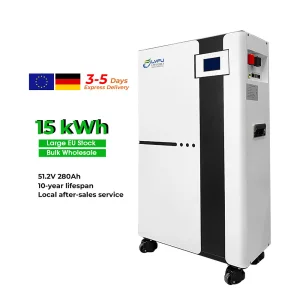
To assist importers needing to quickly satisfy emergency project timelines or dynamic residential demands, GAF Energy utilizes localized warehouses in EU zones. These warehouses maintain safety buffers of our core modular battery products, enabling rapid transshipment routes into northern and western Turkish administrative sectors.