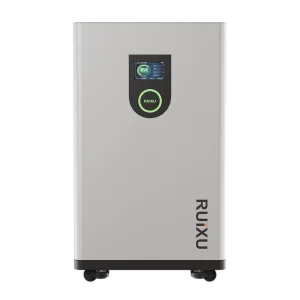
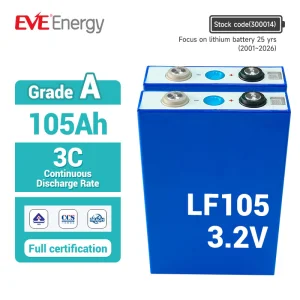
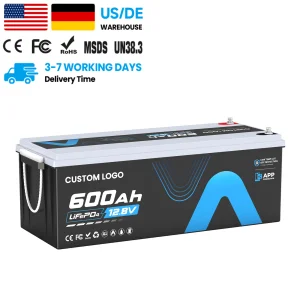
GAF Energy GAF Energy

CE Certified Custom Battery Solutions Exporter & Exporters

High-Performance Industrial LiFePO4, Solid-State & LFP Energy Storage Systems Configured for Global Engineering & Commercial Demands

1. Executive Summary & Corporate Orientation

In an era defined by the rapid transition to renewable power and the electrifying demands of modern industry, finding a certified, technically capable manufacturing partner for tailored energy storage remains a key prerequisite for global growth. Shenzhen GAF Energy Co., Ltd. is a professional Lithium Battery Manufacturer | LiFePO4, Energy Storage & Renewable Power Solutions dedicated to delivering advanced energy storage technologies for residential, commercial, industrial, and renewable energy applications worldwide. With a focus on innovation, safety, and sustainability, the company provides high-performance lithium battery solutions that support the growing global demand for clean and reliable energy.

EEAT Verification & Strategic Capabilities:

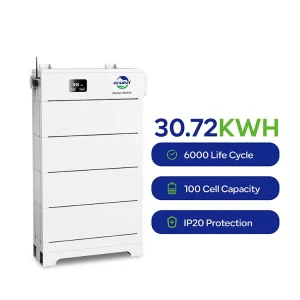
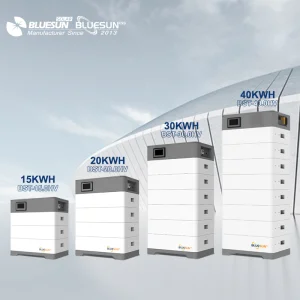
Headquartered in Shenzhen, China, GAF Energy operates modern manufacturing facilities equipped with advanced production equipment, automated assembly lines, and comprehensive quality management systems. The company specializes in the research, development, and production of LiFePO4 batteries, lithium-ion battery systems, residential energy storage batteries, commercial and industrial energy storage systems (ESS), solar storage batteries, rack-mounted battery systems, high-voltage battery solutions, and customized battery packs.

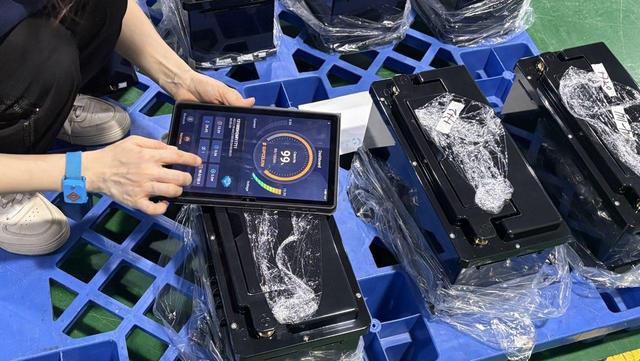
By utilizing premium battery cells, intelligent battery management systems (BMS), and rigorous testing procedures, the company ensures excellent safety, long cycle life, stable performance, and high energy efficiency. Every battery system is designed to meet the demanding requirements of renewable energy integration, backup power applications, and modern energy management solutions.

2. The Global Landscape of Custom Battery Solutions

The decentralized energy paradigm requires storage units that cannot simply be off-the-shelf commodities. Commercial enterprises, grid operators, and vehicular manufacturers require tailored capacity, footprint, thermal tolerance, and communications capability. According to global industrial energy storage projections, the demand for customized battery solutions is rising at a Compound Annual Growth Rate (CAGR) exceeding 22.4% through 2030. This growth is driven by several macroeconomic factors:

  • Grid Stabilization & Peak Shaving: Large industrial operations leverage battery systems to lower utility demand charges and maintain operations during grid instability.
  • Fleet Electrification: Special purpose electric vehicles, such as recreational vehicles (RVs), heavy-duty golf carts, marine vessels, and specialty logistics vehicles, require specific voltage and mechanical form factors.
  • Telecom & Datacenter Resilience: Standardized lead-acid rack backups are rapidly being replaced by high-density, smart LiFePO4 rack batteries, optimizing thermal footprints and extending lifespans from 3 years to over 15 years.
>10,000
Cycle Life at 80% DoD
CE / IEC
Global Compliance Standard
330 Wh/kg
Peak Custom Energy Density
OEM/ODM
Flexible Production Design

3. The E-E-A-T Paradigm: Demystifying CE Certification & Global Compliance

For international distributors, importing lithium-ion systems is highly regulated. CE Certification (Conformité Européenne) is not merely a label; it represents rigorous adherence to European safety, health, and environmental protection standards. When procuring custom battery packs, CE compliance ensures:

  • Low Voltage Directive (LVD) 2014/35/EU: Ensures the electrical system is designed to protect users against electrical shock, short circuits, and high-voltage anomalies.
  • Electromagnetic Compatibility (EMC) Directive 2014/30/EU: Guarantees that the battery pack's internal BMS and active electrical components do not emit harmful electromagnetic interference or fall victim to external interference.
  • IEC 62619 & IEC 62133 Harmonization: Crucial safety testing involving thermal abuse, drop testing, mechanical impact, and forced internal short circuits.

As a CE certified custom battery solutions exporter, Shenzhen GAF Energy ensures that every customized shipment includes complete documentation, full technical construction files, and MSDS/UN38.3 test reports for secure global transport.

4. The China Factory Advantage: Shenzhen's Supply Chain Synergy

Why source from Shenzhen? The Pearl River Delta is the global epicentre of electrochemical engineering and raw material processing. Our localized ecosystem delivers structural and logistical efficiencies:

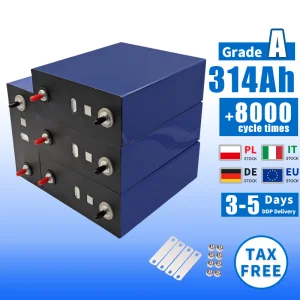
  • Direct Access to Tier-1 Cells: Working adjacent to global cell giants (such as EVE, CATL, and Cornex) allows us to procure Grade-A prismatic LFP cells with original traceable QR codes at unmatched speeds.
  • Rapid Prototyping: We can design, mill custom CNC enclosures, configure complex smart BMS parameters, and assemble functional prototypes in days, rather than months.
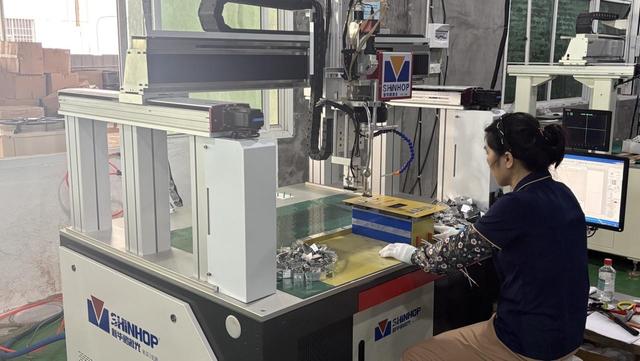
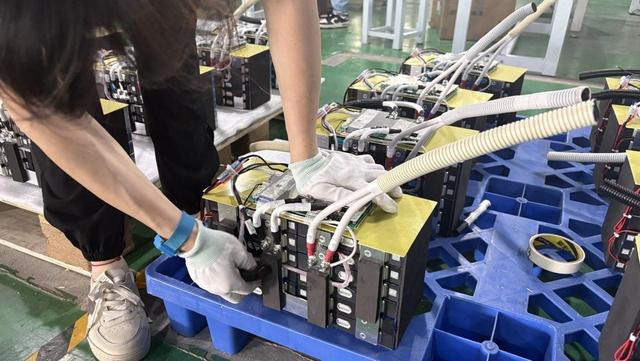
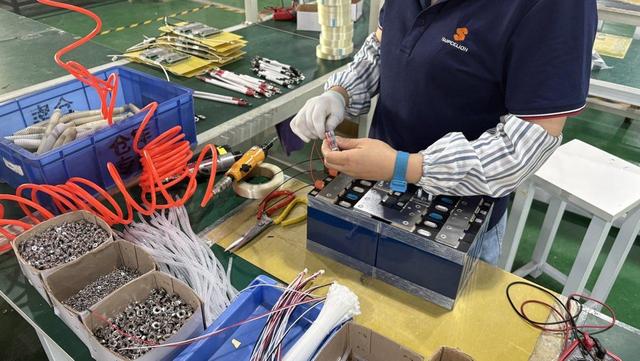
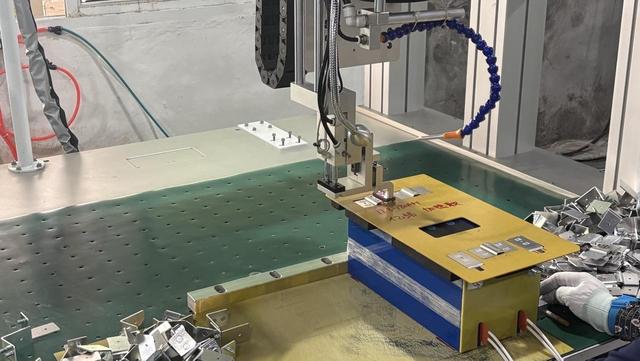
  • Automated Precision Assembly: Laser welding, automated matching systems, and cell-sorting machinery ensure minimum resistance deviation within battery packs, optimizing cycle life.

5. In-Depth Industrial & Commercial Application Scenarios

A. Commercial & Industrial Energy Storage Systems (C&I ESS)

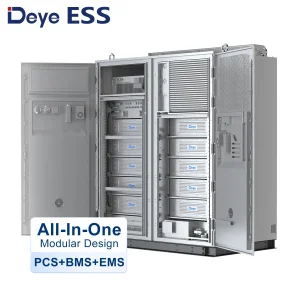
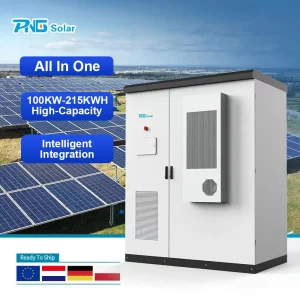
For businesses trying to decarbonize and control utility costs, custom containerized and liquid-cooled solutions (such as the 200kWh Deye ESS or 215kWh systems) provide peak-shaving, load-shifting, and emergency backup power. Intelligent liquid-cooling designs ensure cell-to-cell temperature differentials remain within 3°C, extending system life and reducing thermal runaway risks.

B. Specialized Electric Mobility & Fleet Dynamics

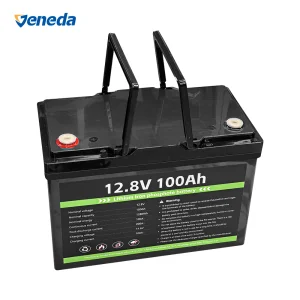
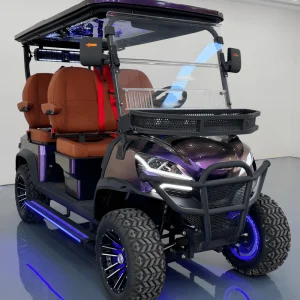
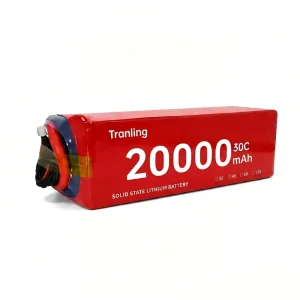
From heavy-duty off-road utility golf carts to high-capacity RVs, standardized battery packs fail due to size limits and off-grid vibration conditions. Custom-engineered LFP options (such as our 12.8V 100Ah Solid State LFP or 72V Golf Cart Packs) deliver high power output and robust protection against mechanical shocks.

C. High-Density UAVs & Aviation Applications

Aerospace requires exceptional gravimetric energy density. The application of customized NMC 811 chemistries reaching up to 330Wh/kg allows commercial mapping, agricultural, and logistics drones to maximize flight times while ensuring reliable discharge profiles under variable atmospheric pressures.

Customization & OEM/ODM Workflow

GAF Energy provides comprehensive OEM and ODM services for distributors, energy solution providers, solar installers, system integrators, and private-label brands. From product design and engineering to manufacturing and technical support, the company delivers flexible solutions tailored to specific project requirements.

Step 1: Engineering Consultation → Step 2: Custom BMS & Cell Configuration → Step 3: CAD/3D Enclosure Modeling → Step 4: Prototype Thermal/Electrical Validation → Step 5: CE/UN38.3 Batch Testing → Step 6: Global Hazardous Goods Logistics.

6. Technological Horizons: LFP, Solid-State, and NMC811 Evolution

The energy storage sector is transitioning to meet specific performance demands. Solid-state lithium chemistries are moving from testing labs to early stage commercial deployment, offering high thermal stability and elimination of liquid electrolytes. Simultaneously, cobalt-free chemistry (LiFePO4) remains the global standard for stationary applications due to its cycle life of over 6,000–10,000 cycles.

For weight-critical applications, high-nickel formulations like NMC 811 represent the state of the art in high energy density. Managing these chemistries requires advanced BMS controllers equipped with active balancing, CANbus/RS485/Modbus communication protocols, and cloud-based predictive diagnostics.

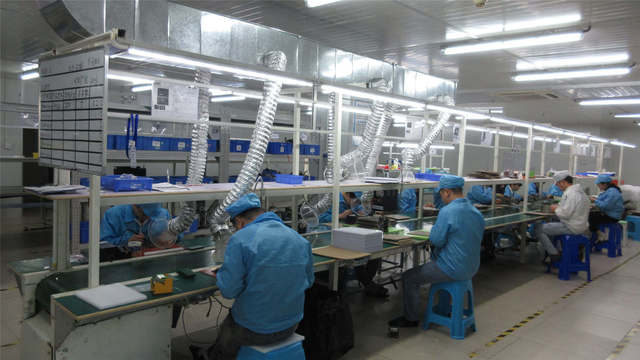
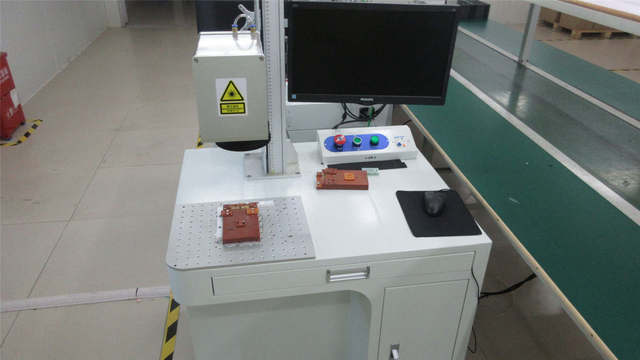
Advanced Manufacturing & Testing Facility

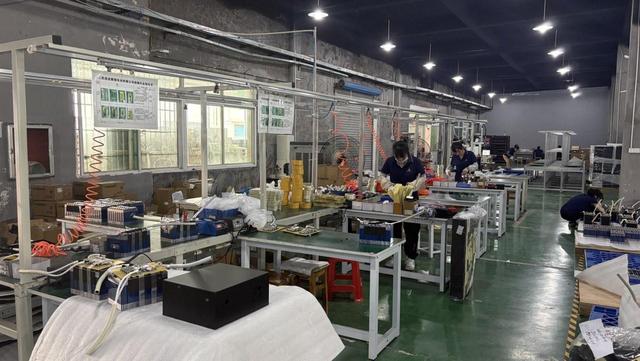
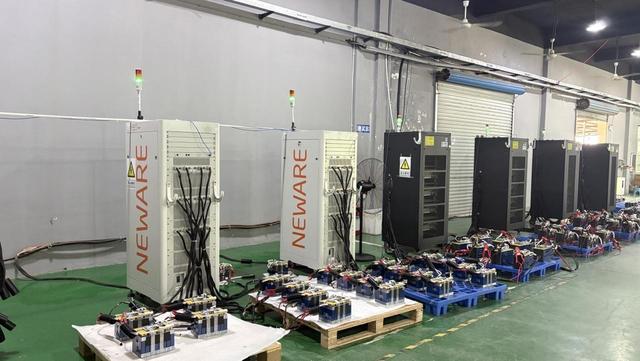
Take a look inside our ISO 9001 certified plant in Shenzhen. We operate advanced testing labs, automated assembly lines, and aging chambers to ensure full batch traceability.
7. Global Procurement & Supply Chain Management Guide

Procuring custom battery systems internationally requires careful consideration of safety standards, design validation, and hazardous goods logistics. This guide outlines the key steps to managing risk during custom sourcing:

  • Specification Sheet Alignment: Define nominal voltages, discharge rates (continuous and peak C-rates), cycle life expectations, temperature ranges, and IP ratings (such as IP65 or IP67 waterproof standards).
  • Verification of Cell Quality: Request cell tier reports. Ensure the manufacturer uses Grade A cells with traceable QR codes to prevent refurbished cells from being included in the packs.
  • Firmware and Protocol Customization: Communicate communication requirements early. Whether utilizing CAN, RS485, or Modbus, matching the battery BMS protocol with your inverter or vehicle controller is essential.
  • Logistics Compliance: Lithium batteries are classified as Class 9 Hazardous Goods. Make sure your supplier has valid UN38.3 test reports, MSDS documentation, and uses reliable shipping channels.

GAF Energy serves customers across North America, Europe, Australia, Southeast Asia, Africa, and the Middle East, establishing partnerships based on product reliability, competitive pricing, and customer service. We are committed to supporting the transition to sustainable energy through continuous investment in battery technologies and renewable energy innovations.

Industrial Custom Battery FAQ

Essential engineering and logistics insights for international buyers and system integrators.

Q1: What defines a CE-certified custom battery pack?
A CE-certified custom battery pack has been tested and verified to meet all relevant European safety, health, and environmental protection directives. This typically includes testing under the Low Voltage Directive (LVD) for electrical safety and the Electromagnetic Compatibility (EMC) Directive to ensure the system operates reliably without causing interference.
Q2: How does LFP chemistry compare with NMC 811 in custom applications?
LiFePO4 (LFP) offers excellent cycle life (6,000+ cycles), high thermal safety, and cost efficiency, making it the preferred choice for stationary solar storage and heavy industrial applications. NMC 811 provides high energy density (up to 330Wh/kg), making it suitable for weight-sensitive applications like long-range UAVs and high-performance electric vehicles.
Q3: Why is cell grading and traceability important?
Using Grade A prismatic cells with intact manufacturer QR codes ensures that the cell's capacity, internal resistance, and voltage match the specification sheet. This is critical for preventing early degradation and ensuring safety in multi-cell packs.
Q4: What role does the BMS play in system safety?
The Battery Management System (BMS) acts as the safety controller for the battery pack. It monitors individual cell voltages, temperatures, and current levels, protecting the pack from overcharging, overdischarging, overcurrent, and thermal runaway through active circuit cutting and balance control.
Q5: How does a liquid-cooling system improve battery performance?
Liquid cooling maintains uniform cell-to-cell temperatures within 3°C, which is essential for high-capacity systems. By preventing hot spots, liquid cooling reduces degradation rates, extends cycle life, and enhances overall safety.
Q6: What is the typical design cycle for a custom battery pack?
A typical design cycle includes initial engineering assessment (1 week), 3D modeling and BMS configuration (2 weeks), prototype assembly and lab testing (2-3 weeks), and final certification before volume production begins.
Q7: Can custom battery packs be shipped via ocean freight?
Yes, provided the pack has completed and passed UN38.3 testing. This testing is a global requirement for hazardous goods shipping, ensuring the pack can be transported safely by sea or air.
Q8: How do you ensure high-voltage safety in rack configurations?
High-voltage systems require robust insulation, integrated isolation monitoring, manual service disconnects, and a master-slave BMS architecture to manage voltages safely and prevent arc hazards.