 GAF Energy
GAF Energy
GAF Energy
Highly efficient, space-saving battery storage architectures optimized for London's dynamic tariff structures and urban safety standards.
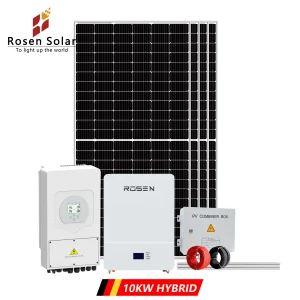
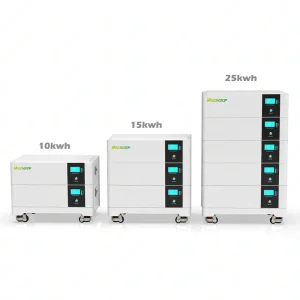
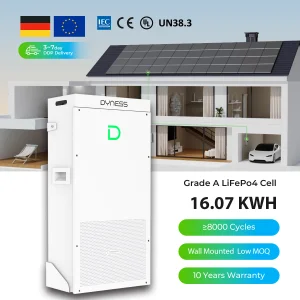
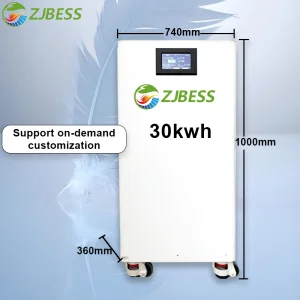
London is currently navigating one of the most critical energy transitions in its history. Propelled by the UK Government's legally binding target to achieve Net Zero carbon emissions by 2050 and the Greater London Authority's ambitious regional directives, residential energy systems are shifting away from centralized fossil-fuel generation. Homeowners across London are actively adopting micro-generation systems, combining solar photovoltaics (PV) with advanced battery storage systems.
This localized energy transition is highly influenced by the structure of the UK national grid. Key drivers include fluctuating wholesale energy pricing, the integration of dynamic tariffs such as Octopus Energy's Agile tariff, and grid capacity constraints overseen by the Distribution Network Operators (DNOs) like UK Power Networks. By installing behind-the-meter battery storage, London households mitigate peak grid charges, secure resilient backup power against potential grid instabilities, and maximize the self-consumption of clean solar power generated on-site.
Additionally, policy frameworks such as the zero-rate VAT incentive for energy-saving materials (extended to standalone battery installations in the UK starting February 2024) have dramatically shortened payback periods. This regulatory tailwind makes the financial case for residential battery deployment in the London metropolitan region stronger than ever before.
Tailoring energy storage deployment to the specific spatial, structural, and regulatory contexts of Greater London.
London's historic housing stock presents unique spatial and structural challenges. Terraced properties often feature limited indoor utility space and narrow structural footprints. GAF Energy's modular, wall-mounted, and slimline stackable LiFePO4 batteries are designed exactly for these profiles. Sporting high IP65 ratings, they can be safely installed in protected outdoor cabinets, side-returns, or dry cellars, minimizing footprint impact while providing maximum protection against damp London winter conditions.
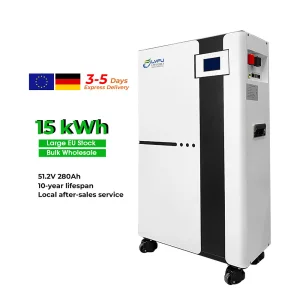
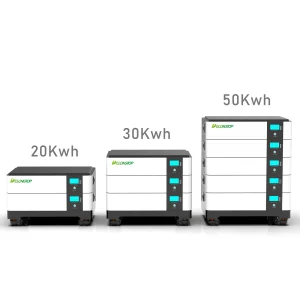
In outer London boroughs like Bromley, Barnet, and Havering, larger detached and semi-detached properties feature ample roof space suitable for 4kWp to 10kWp solar PV arrays. Installing a high-capacity stackable system (15kWh to 30kWh) enables these suburban homes to archive up to 85% energy self-sufficiency. Surplus daytime generation is stored locally instead of being exported to the grid at low feed-in tariffs, then discharged during peak evening hours (4 PM - 7 PM).
With London's Ultra Low Emission Zone (ULEZ) expansion, electric vehicle (EV) ownership is rising rapidly. Integrating our high-power residential systems allows homeowners to leverage cheap overnight rates (e.g., between 12 AM and 4 AM). The battery system charges during these low-cost windows and discharges to power domestic appliances during high-rate periods, freeing up grid capacity to charge the EV directly via smart home chargers without tripping main household breakers.
With a significant portion of London's workforce operating remotely or running home-based consultancy businesses, power reliability is non-negotiable. Our integrated UPS (Uninterruptible Power Supply) features switchover times under 10 milliseconds. This ensures that sensitive IT equipment, local servers, and fiber routers experience zero disruption during localized power dropouts or grid maintenance operations.
Analyzing the technological evolution of residential energy storage system architectures over the next decade.
Standardizing Cobalt-free Lithium Iron Phosphate (LiFePO4) chemistry due to its superior thermal stability, safety profile, and extended lifespan exceeding 6000 cycles. Transitioning to integrated AI-driven Battery Management Systems (BMS) with cloud diagnostics and active cell-balancing algorithms.
Moving from traditional 48V low-voltage architectures to high-voltage configurations (up to 400V-800V). HV designs minimize transmission losses, enable higher charge/discharge rates, and drastically simplify the hardware configuration of domestic hybrid inverters.
Fusing domestic battery systems with automotive EV batteries. Unified control systems will dynamically coordinate energy flows between solar panels, stationary home storage, and mobile EV power packs, acting as a single cohesive household microgrid.
Fully decentralized residential storage grids. AI systems will trade stored energy autonomously on local wholesale energy markets, helping balance UK grid loads during peak demands and generating passive income streams for household operators.
How Shenzhen GAF Energy Co., Ltd. couples downstream localized service with upstream manufacturing excellence.
Shenzhen GAF Energy Co., Ltd. is a professional Lithium Battery Manufacturer | LiFePO4, Energy Storage & Renewable Power Solutions dedicated to delivering advanced energy storage technologies for residential, commercial, industrial, and renewable energy applications worldwide. With a focus on innovation, safety, and sustainability, the company provides high-performance lithium battery solutions that support the growing global demand for clean and reliable energy.
Headquartered in Shenzhen, China, GAF Energy operates modern manufacturing facilities equipped with advanced production equipment, automated assembly lines, and comprehensive quality management systems. The company specializes in the research, development, and production of LiFePO4 batteries, lithium-ion battery systems, residential energy storage batteries, commercial and industrial energy storage systems (ESS), solar storage batteries, rack-mounted battery systems, high-voltage battery solutions, and customized battery packs.
GAF Energy places strong emphasis on product quality and technological innovation. By utilizing premium battery cells, intelligent battery management systems (BMS), and rigorous testing procedures, the company ensures excellent safety, long cycle life, stable performance, and high energy efficiency. Every battery system is designed to meet the demanding requirements of renewable energy integration, backup power applications, and modern energy management solutions.
In addition to standard product offerings, GAF Energy provides comprehensive OEM and ODM services for distributors, energy solution providers, solar installers, system integrators, and private-label brands. From product design and engineering to manufacturing and technical support, the company delivers flexible solutions tailored to specific project requirements.
Serving customers across North America, Europe, Australia, Southeast Asia, Africa, and the Middle East, Shenzhen GAF Energy Co., Ltd. has established long-term partnerships based on product reliability, competitive pricing, and responsive customer service. Committed to accelerating the transition toward sustainable energy, the company continues to invest in advanced battery technologies and renewable energy innovations, helping customers achieve greater energy independence and long-term environmental benefits.
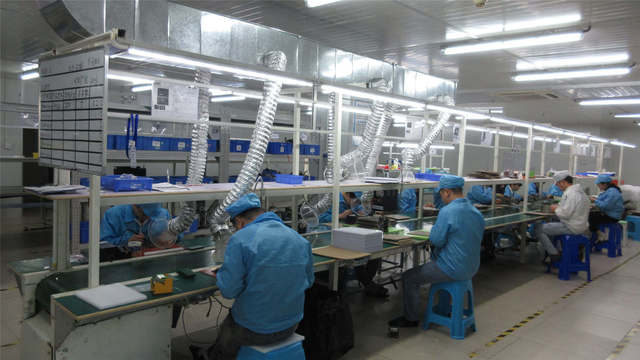
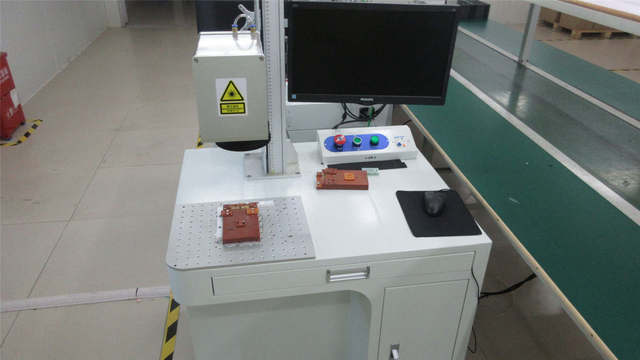
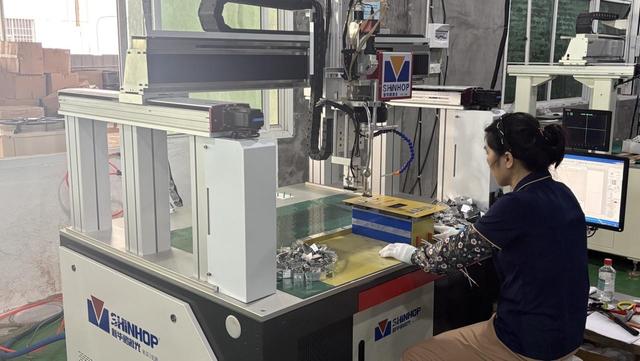
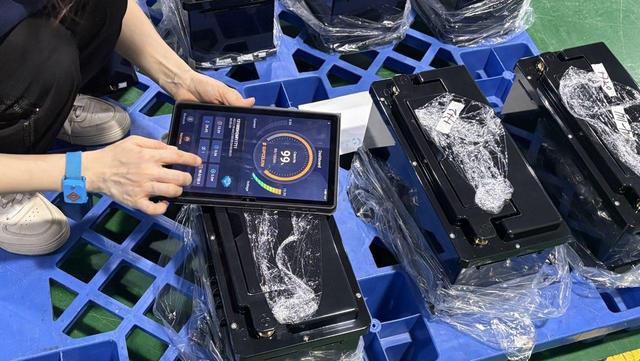
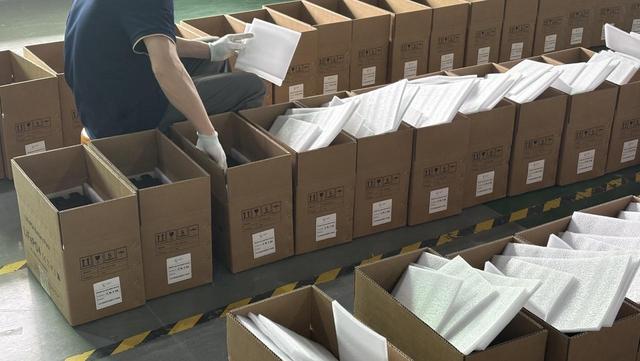
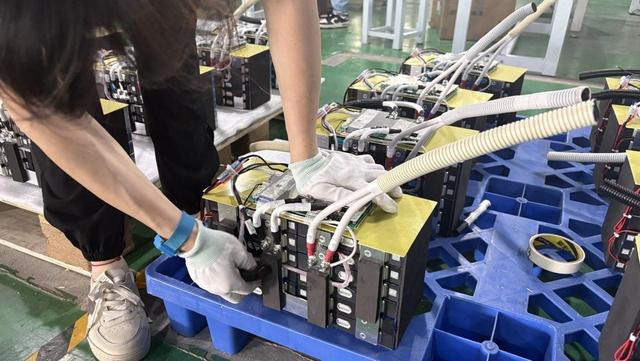
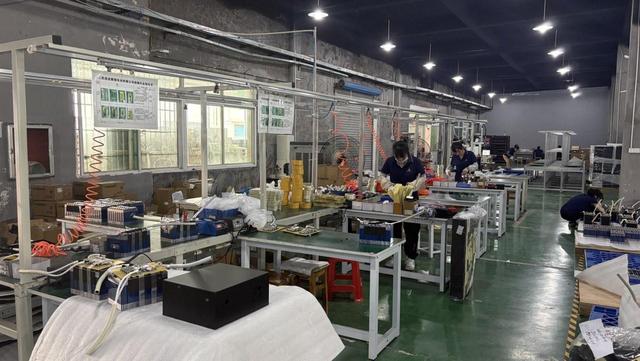
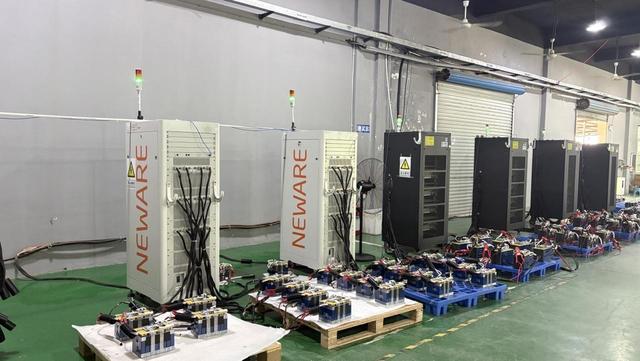
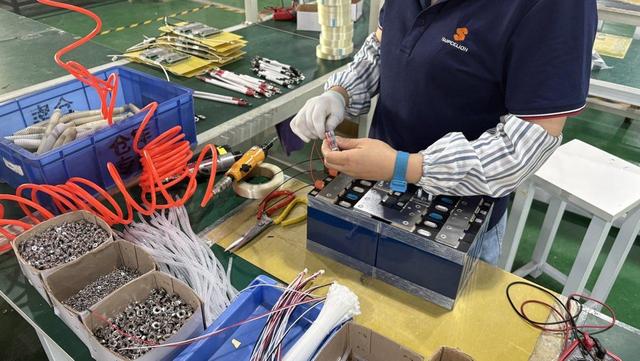
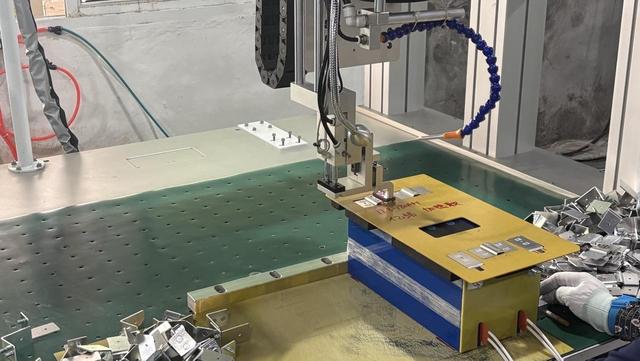
The global battery storage landscape has moved past its pilot phases. Utility-scale battery systems are stabilizing national grids across North America, continental Europe, and Australia. By translating lessons from large-scale commercial implementations down to domestic systems, GAF Energy equips standard residential properties with grid-level reliability and safety standards.
By optimizing our global supply chains and holding inventory in strategic distribution centers across Europe and the UK, we shield our clients from sudden logistical shocks. Whether managing custom OEM projects or sending quick dispatch shipments of standard stackable LiFePO4 battery packs from local EU stock, GAF Energy represents stability, cost competitiveness, and high supply assurance for distributors and installers across the United Kingdom.
Safety is the primary metric for battery systems in London's dense residential settings. GAF Energy's manufacturing and design protocols comply with rigorous domestic and international standards to guarantee safe operation, structural integrity, and smooth grid integration.
Our residential systems carry certification matching global expectations: CE, UN38.3, IEC 62619, UL 1973, and full compliance with UK DNO connection rules (G98 for systems up to 3.68kW per phase, G99 for larger systems). Working with our systems guarantees a smooth MCS accreditation path for UK solar installers.
Ensures full safety and coordination during parallel grid operations, managing active grid curtailment and preventing islanding.
Verifies secondary lithium cell/pack safety under thermal, mechanical, and electrical abuse tests, combined with drop and vibration testing for safe transport.
Guarantees full integration readiness within standard electrical installation patterns in UK domestic environments.
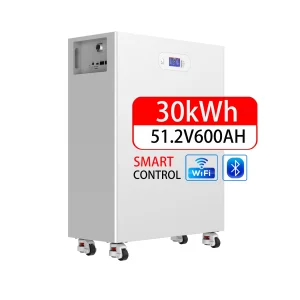
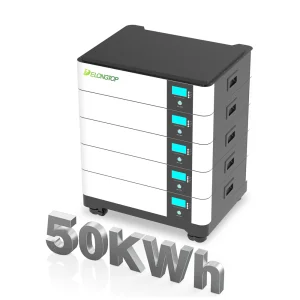
Explore our full line-up of LiFePO4 batteries and integrated hybrid systems built for modern residential energy autonomy.
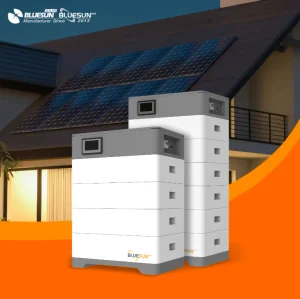
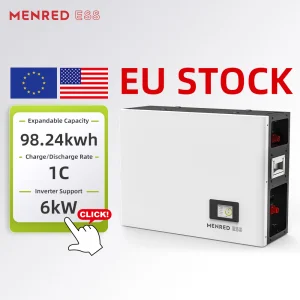
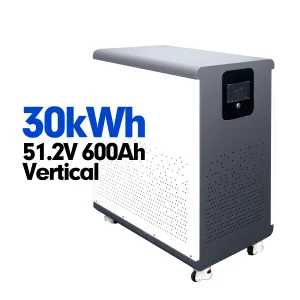
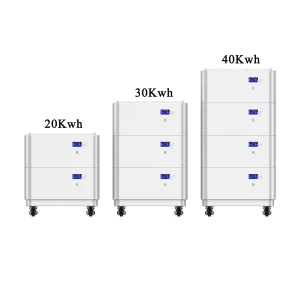
Technical explanations and regulatory guidance for installers, distributors, and homeowners in the UK.