 GAF Energy
GAF Energy
GAF Energy
Our flagship industrial battery cabinets engineered for high performance, thermal efficiency, and local safety standard integration in Southern Vietnam.
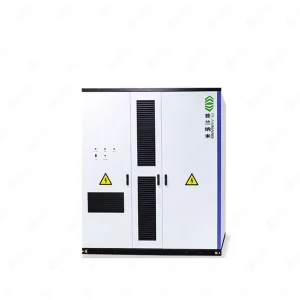
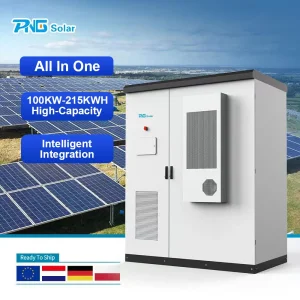
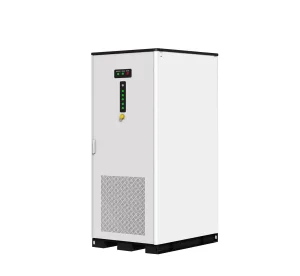
As the economic heart of Vietnam, Ho Chi Minh City (HCMC) experiences explosive industrialization. Districts containing key economic units, such as the Saigon Hi-Tech Park (SHTP), Tan Thuan Export Processing Zone, and Hiep Phuoc Industrial Park, house massive operations in electronics, textiles, precision engineering, and food processing. These sectors run on high-intensity machinery requiring 24/7 power consistency.
However, the local electrical grid managed by EVN (Electricity Vietnam) faces substantial stress, especially during the dry season (March to June). Hydroelectric depletion and transmission constraints lead to frequency instabilities, voltage sags, and occasional load shedding. For high-tech chip assembly plants, pharmaceutical hubs, and packaging facilities, even a few milliseconds of power disruption can compromise production lines, leading to hundreds of thousands of dollars in lost yields.
Implementing containerized and cabinet-scale industrial energy storage batteries (BESS) has transitioned from an optional green initiative to a critical infrastructure safeguard. These systems allow factories to bypass peak-time tariffs, stabilize local sub-grids, and support massive rooftop solar installations that might otherwise suffer from solar curtailment.
Manufacturing plants in Vietnam face strict power quality requirements. BESS systems serve three primary roles:
Vietnam's commercial electricity tariffs charge significantly higher rates during peak hours. Charging LiFePO4 batteries during off-peak night cycles and discharging them during midday peaks allows factories to achieve rapid return-on-investment (ROI).
Vietnam's Power Development Plan VIII actively encourages self-consumption solar energy systems. A localized BESS ensures zero injection to the grid while allowing complete utilization of clean rooftop energy.
Ho Chi Minh City's tropical climate exposes battery systems to intense ambient heat. Shenzhen GAF Energy's liquid-cooled and advanced air-cooled cabinets maintain optimal cell performance under extreme conditions.
When deploying megawatts of lithium batteries in HCMC's humid, high-temperature environment, thermodynamic design determines system lifespan. Standard air cooling circulates air across cell gaps, which can lead to thermal layering—causing cells in the center to run up to 7°C hotter than those on the periphery. This imbalance accelerates localized degradation, reducing the overall pack's life.
Our Liquid Cooled Containerized BESS solves this by routing coolant directly through thermal plates sandwiched between cells. This achieves cell-to-cell temperature differentials of < 2°C, optimizing capacity retention and preventing thermal runaway risks. Liquid-cooled configurations offer a 20% footprint reduction and up to 30% savings in internal auxiliary power consumption compared to classic air-chilled systems.
For modular, decentralized systems within commercial buildings or smaller production facilities, our premium air-cooled cabinets utilize intelligent, variable-speed fans that scale airflow based on real-time cell telemetry, striking a balance between initial capital expenditure (CAPEX) and system longevity.
Key performance metrics comparing cooling architectures for utility-scale deployments:
| Metric | Liquid Cooling | Air Cooling |
|---|---|---|
| Cell Temp. Delta | < 2°C | < 5°C to 8°C |
| System Footprint | Minimal (High Density) | Moderate |
| Lifespan Impact | +20% Cycles | Standard |
| Auxiliary Energy | Up to 30% Lower | Higher (Continuous Fan) |
Shenzhen GAF Energy Co., Ltd. is a professional Lithium Battery Manufacturer | LiFePO4, Energy Storage & Renewable Power Solutions provider dedicated to delivering advanced energy storage technologies for residential, commercial, industrial, and renewable energy applications worldwide. With a focus on innovation, safety, and sustainability, the company provides high-performance lithium battery solutions that support the growing global demand for clean and reliable energy.
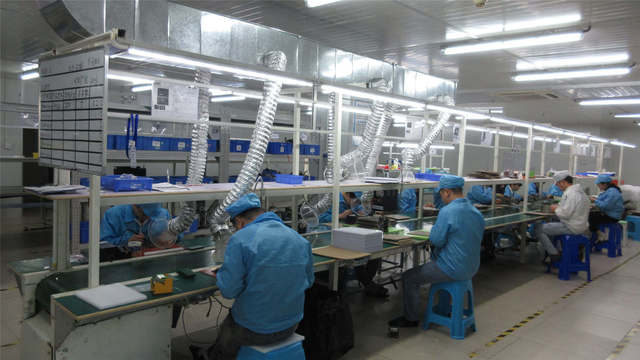
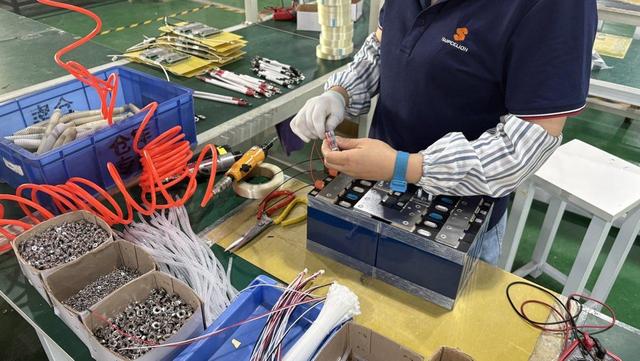
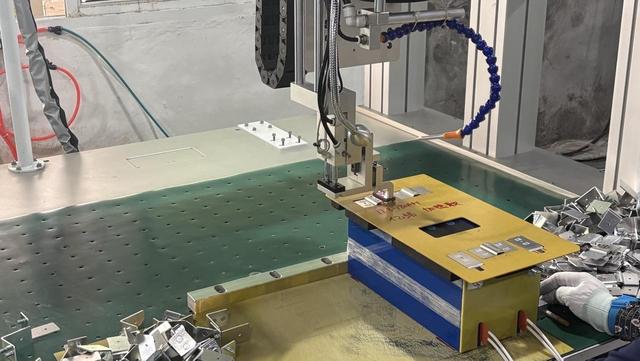
Headquartered in Shenzhen, China, GAF Energy operates modern manufacturing facilities equipped with advanced production equipment, automated assembly lines, and comprehensive quality management systems. The company specializes in the research, development, and production of LiFePO4 batteries, lithium-ion battery systems, residential energy storage batteries, commercial and industrial energy storage systems (ESS), solar storage batteries, rack-mounted battery systems, high-voltage battery solutions, and customized battery packs.
GAF Energy places a strong emphasis on product quality and technological innovation. By utilizing premium battery cells, intelligent battery management systems (BMS), and rigorous testing procedures, the company ensures safety, long cycle life, stable performance, and high energy efficiency. Every battery system is designed to meet the demanding requirements of renewable energy integration, backup power applications, and modern energy management solutions.
Deploying industrial batteries in Vietnam requires compliance with strict safety certifications and grid interconnection codes. Shenzhen GAF Energy systems are engineered to meet and exceed global and local regulatory standards.
Guarantees cell and pack level safety under thermal shock, external short-circuits, impact, and drop scenarios. Essential for securing factory insurance in HCMC industrial zones.
Rigorous test methodology for evaluating thermal runaway fire propagation in battery energy storage systems, ensuring safe integration inside commercial high-rises.
Our advanced hybrid inverters and PCS (Power Conversion Systems) comply with national grid connection regulations, guaranteeing smooth phase sync and zero feed-in capability.
Explore our full line of commercial battery cabinets, large containerized storage arrays, and high-cycle storage cells designed for heavy-duty industrial environments in Ho Chi Minh City.
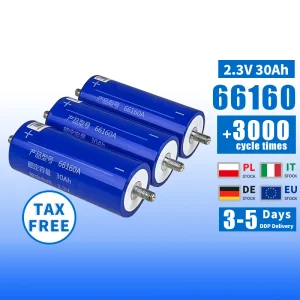
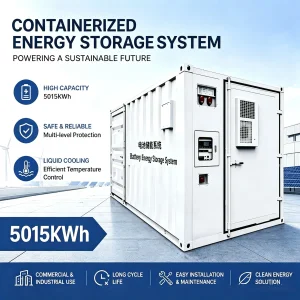
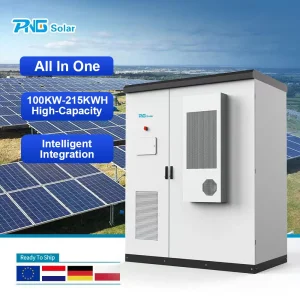
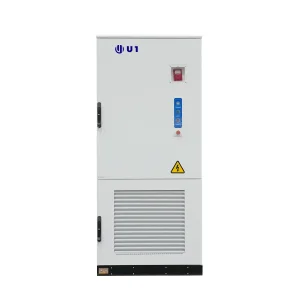
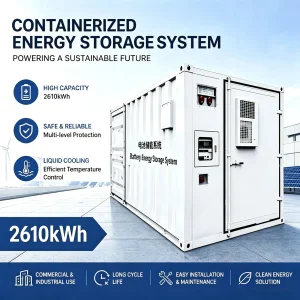
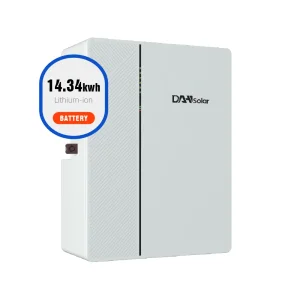
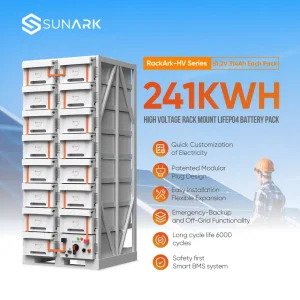
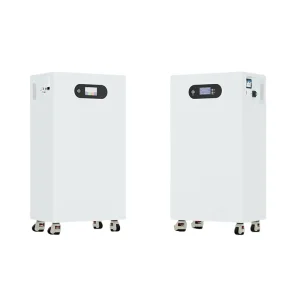
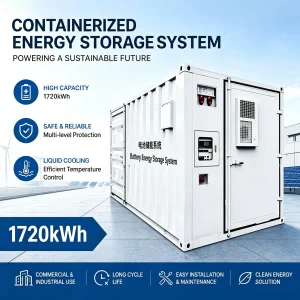
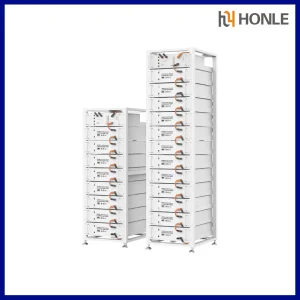
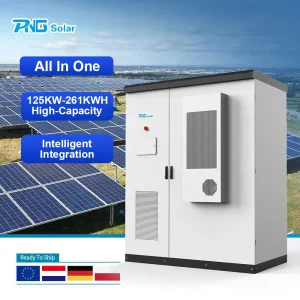
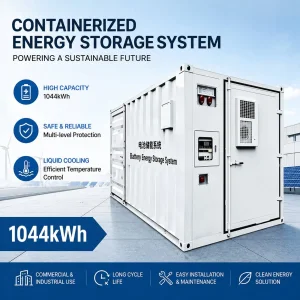
We partner directly with Vietnamese engineering, procurement, and construction (EPC) companies, regional distributors, and large manufacturing groups to build customized, reliable energy storage systems.
Our engineering team analyzes your facility load profile, historical EVN bills, and solar PV yields to determine the ideal battery capacity and C-rate parameters, maximizing your ROI.
We configure communication settings (Modbus TCP/IP, CAN, RS485) to integrate with existing building management systems (BMS) and major industrial PCS brands like Kehua, Sungrow, and SMA.
We design structural modifications to meet specific space limitations or environmental requirements, such as enhanced anti-corrosion coatings for coastal factories or space-saving double-stacked layouts.
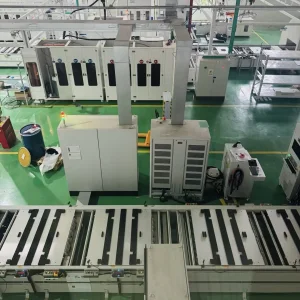
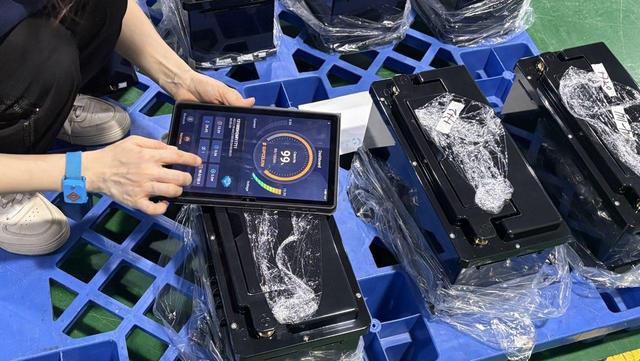
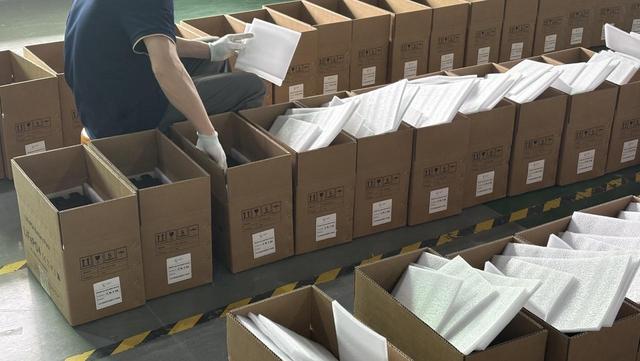
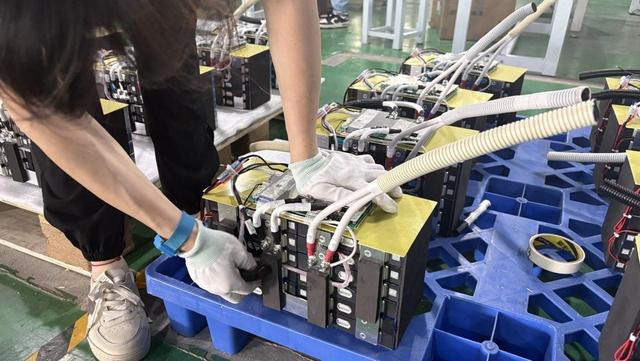
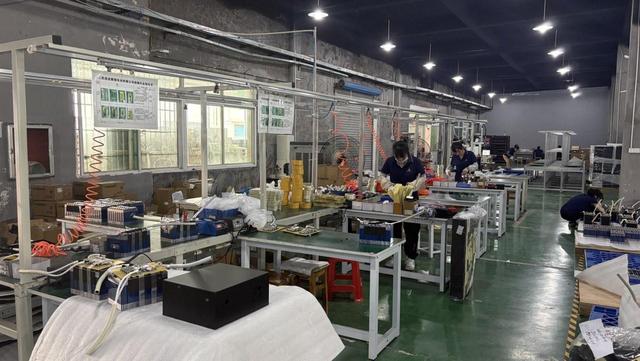
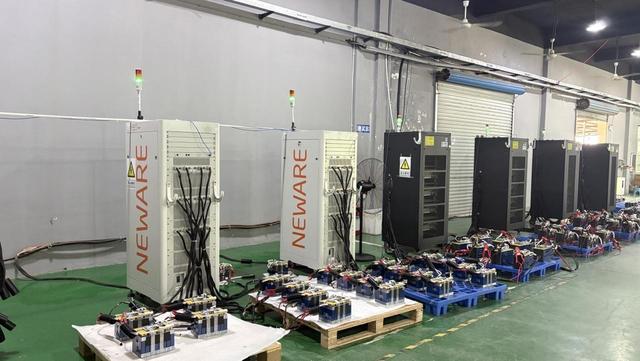
Our factory is built to international standards, utilizing automated assembly lines, strict cell-sorting procedures, and thorough environmental simulation chambers to ensure the reliability of every delivered system.
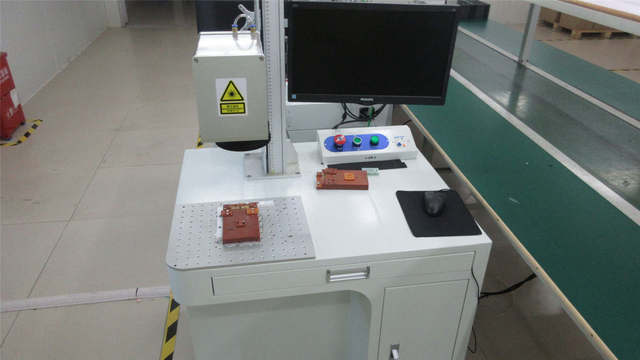
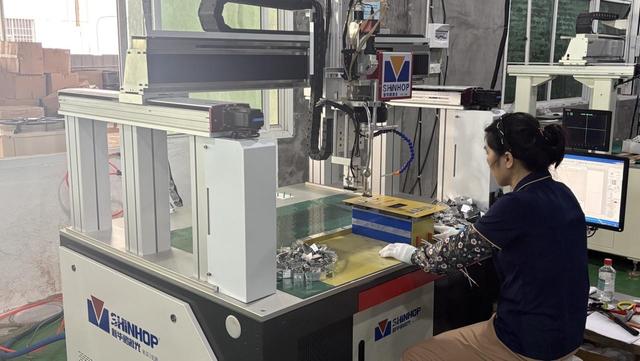
The global battery storage landscape is shifting toward higher capacity density and enhanced digital controls. At Shenzhen GAF Energy, our product development path incorporates three core innovations to benefit future-proof installations in Vietnam:
1. Transition to 314Ah+ High-Capacity Cells: By migrating from traditional 280Ah cells to the next-generation 314Ah LiFePO4 cells, our storage cabinets achieve up to 12% higher energy density within the same structural footprint. This design yields lower balance-of-system (BOS) costs and reduces civil engineering requirements at the installation site.
2. 1500V Liquid-Cooled Architectures: Modern utility-scale projects are shifting from 1000V DC inputs to 1500V. This architecture reduces system wiring, minimizes line losses by up to 2.5%, and improves overall inverter power conversion efficiency.
3. AI-Driven Battery Health Diagnostics: Integrating Cloud BMS with machine-learning algorithms enables real-time health diagnostics. By monitoring cell temperature patterns and voltage micro-deviations, the system flags potential cell degradation weeks before a failure occurs, ensuring safe, continuous operations.
Key technical objectives for our current and next-generation product series:
Find answers to common questions regarding logistics, engineering, installation support, and system integration for projects in Ho Chi Minh City.
For standard modular cabinets (100kWh–261kWh), the production time is typically 4 to 6 weeks, with sea freight shipping from Shenzhen to Cat Lai Port (HCMC) taking 5 to 7 days. Large custom containerized systems (1MWh–5MWh) require 8 to 12 weeks for production, rigorous factory acceptance testing (FAT), and coordination.
We work alongside Vietnamese engineering, procurement, and construction (EPC) companies. We provide full electrical drawings, structural plans, and step-by-step documentation. For utility-scale deployments, our remote engineering team assists during the startup phase to verify communication with the PCS and optimize system settings.
Our systems utilize IP54 or IP55 double-walled enclosures equipped with integrated air-conditioning or advanced liquid-cooling loops. In addition, internal electronics and PCBs feature conformal coatings to protect against moisture condensation and airborne dust typical in industrial areas.
We offer a standard 5-year warranty on our industrial systems, which can be extended to 10 years depending on the project configuration and dispatch profile. Our high-grade LiFePO4 cells are rated for over 6,000 charge cycles (at 80% Depth of Discharge), translating to a operational lifespan of 10 to 15 years under typical peak-shaving operations.
Yes. Our intelligent Energy Management System (EMS) coordinates with smart meters installed at the grid connection point. The controller dynamically throttles inverter output to match localized consumption, ensuring zero export to the utility grid whenever required by local regulations.
Get in touch with our team today to receive a detailed system simulation, custom pricing, and technical configuration suggestions for your facility.