1 / 5
 GAF Energy
| Model NO. | 241kWh | Nominal Voltage | 220V |
| Warranty | 2y | Nominal Capacity | 241 |
| Cell Type | 3.2V/314ah | System Rated Capacity | 241kwh |
| System Voltage | 660~864V | Protection Level | IP54 |
| Transport Package | Container | Specification | 1000*1350*2065 mm |
| Origin | China |
| Package Size | 100.00cm * 135.00cm * 206.00cm |
| Package Gross Weight | 2400.000kg |
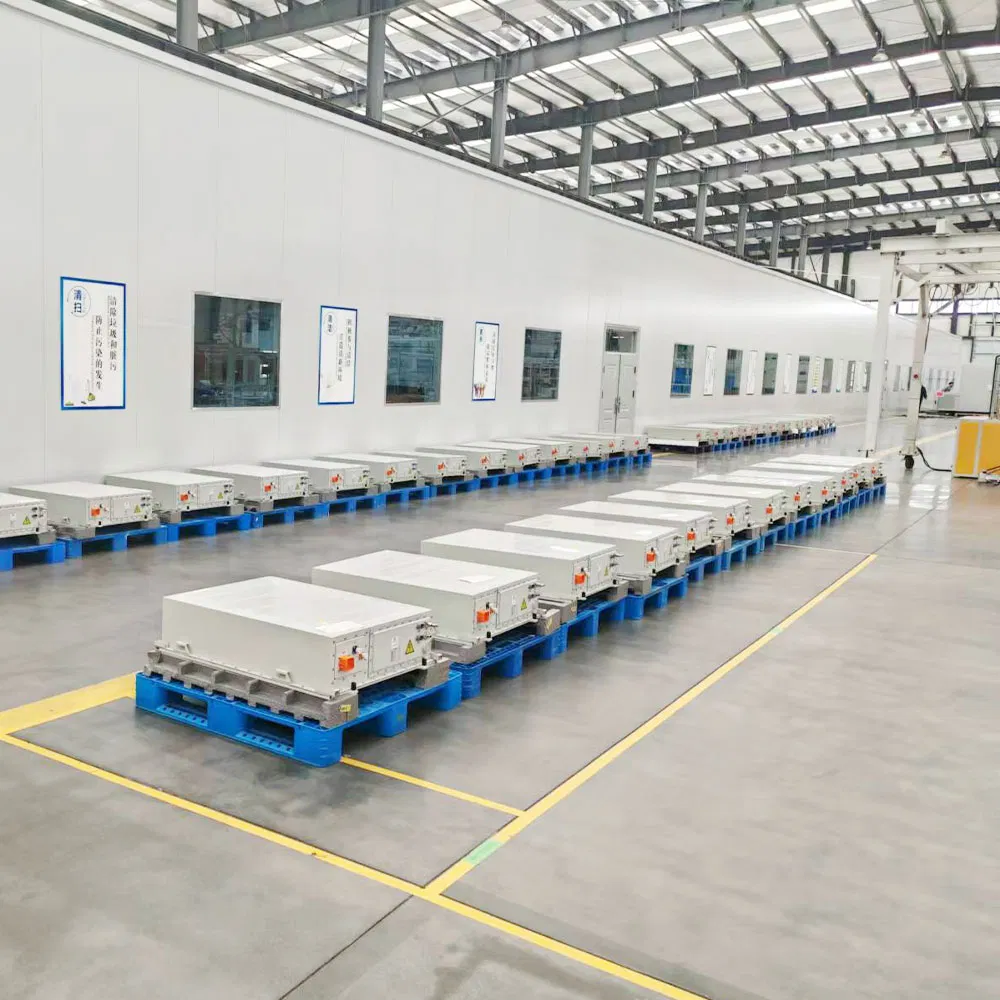
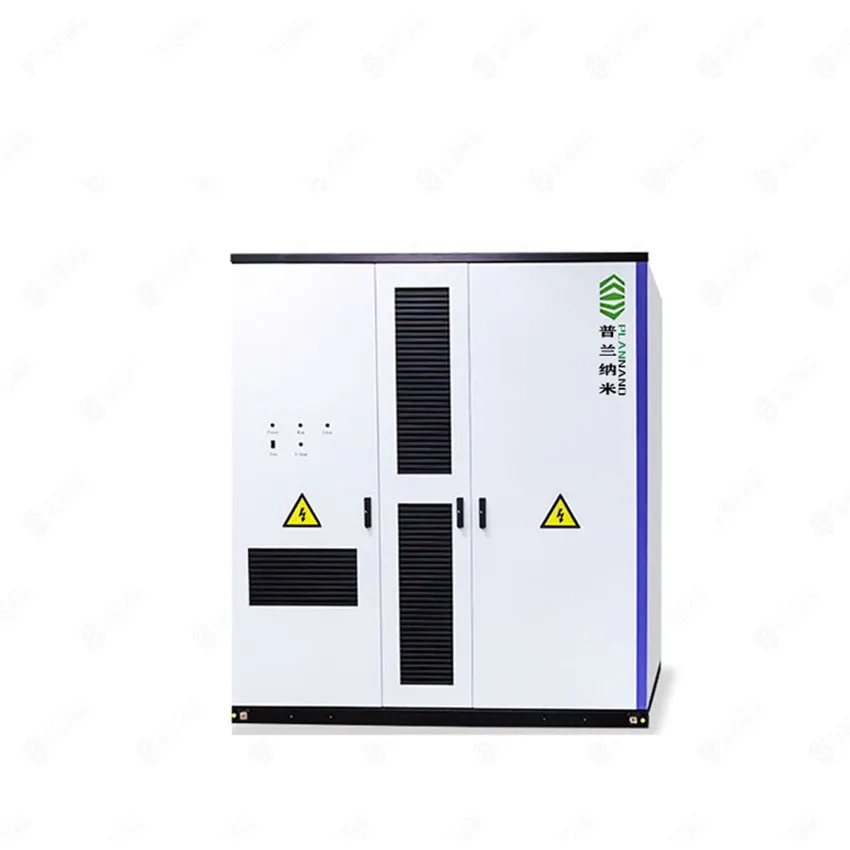
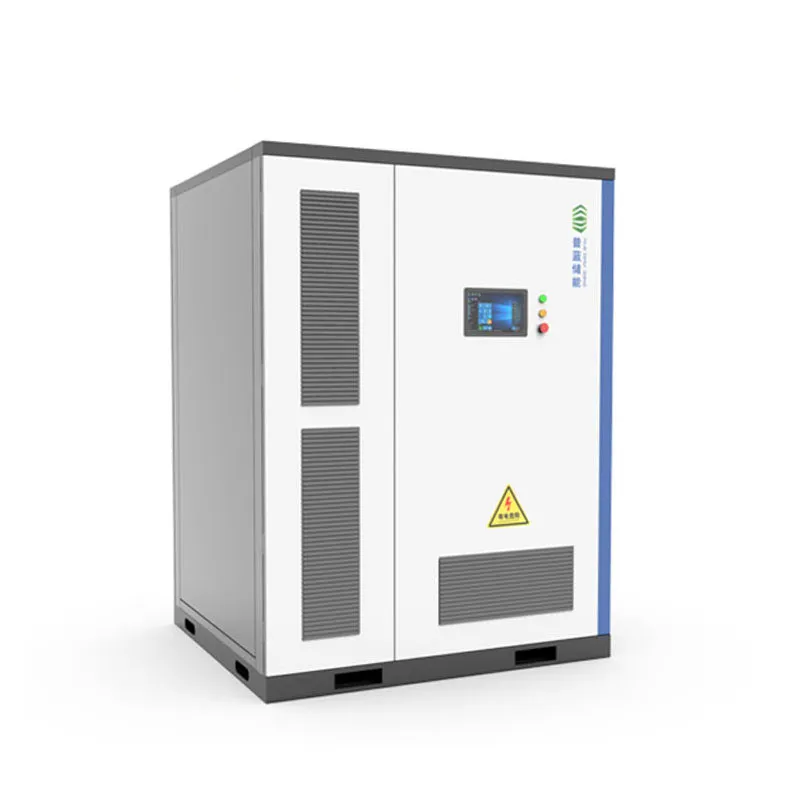
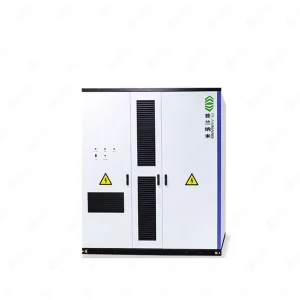
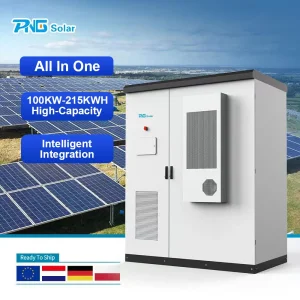
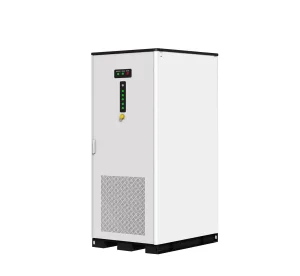
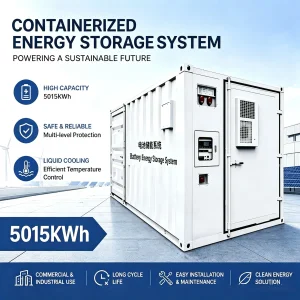
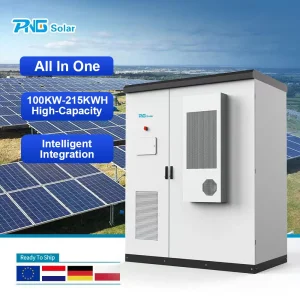
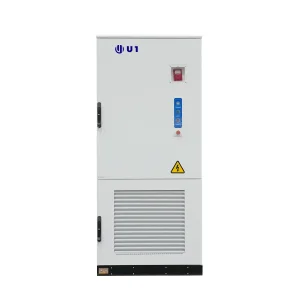
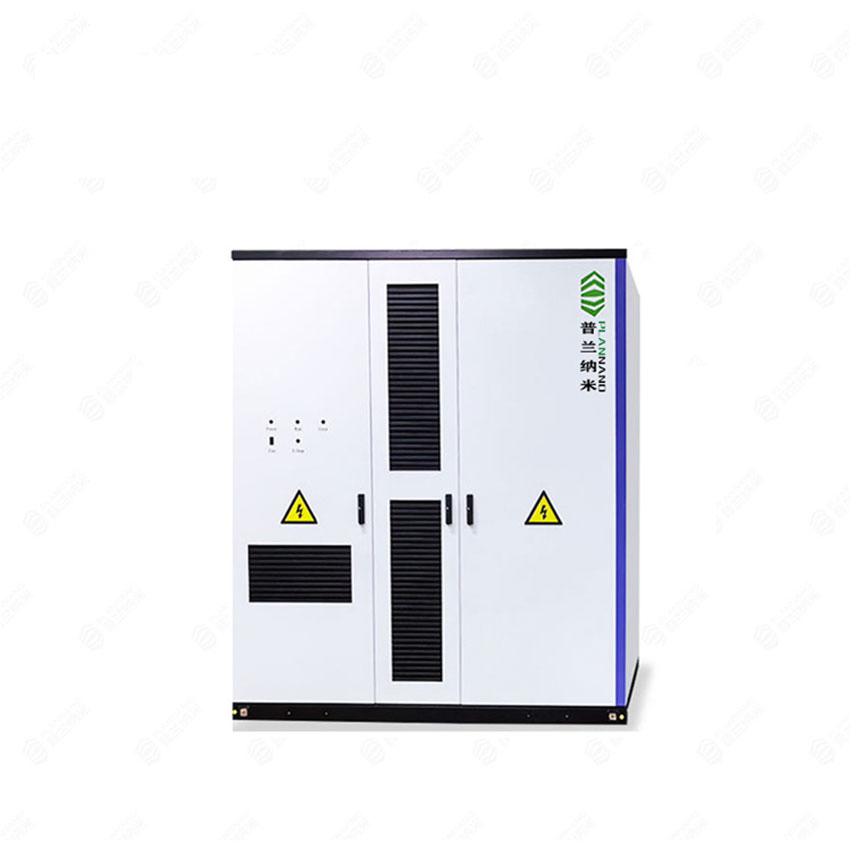
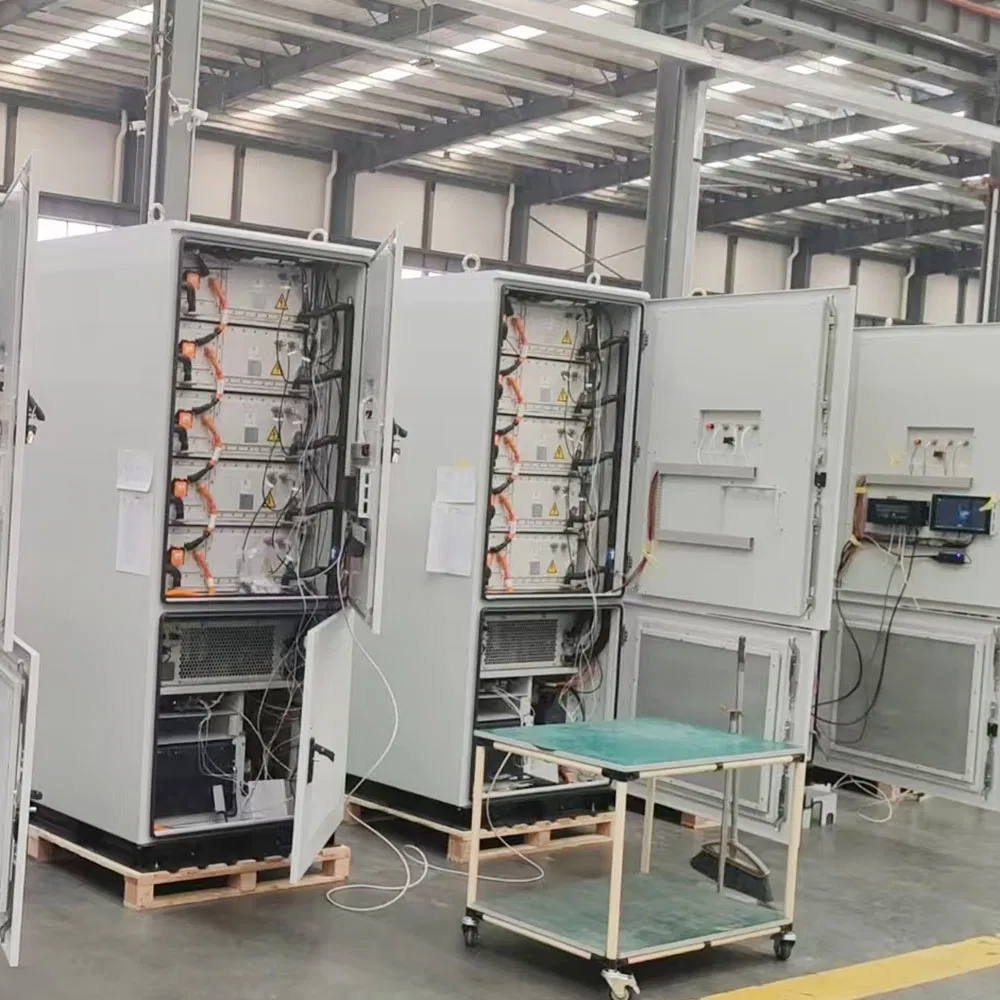
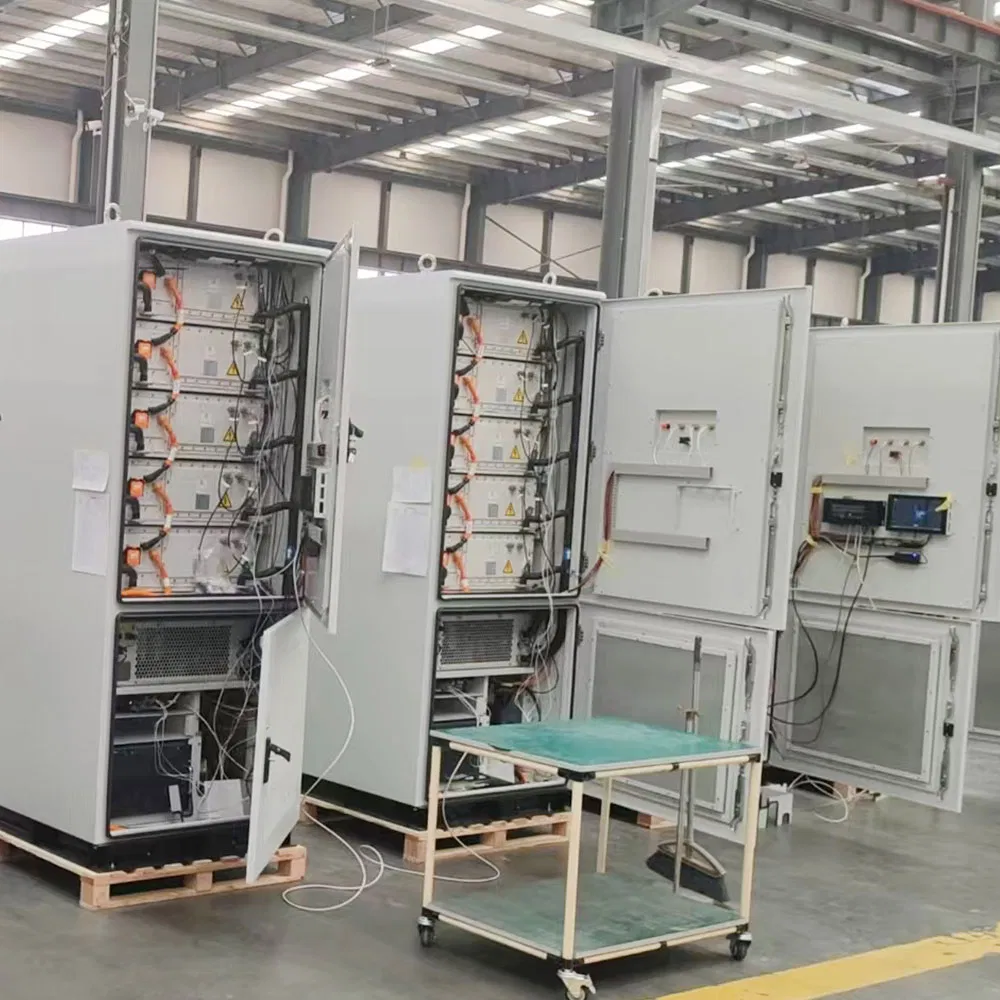
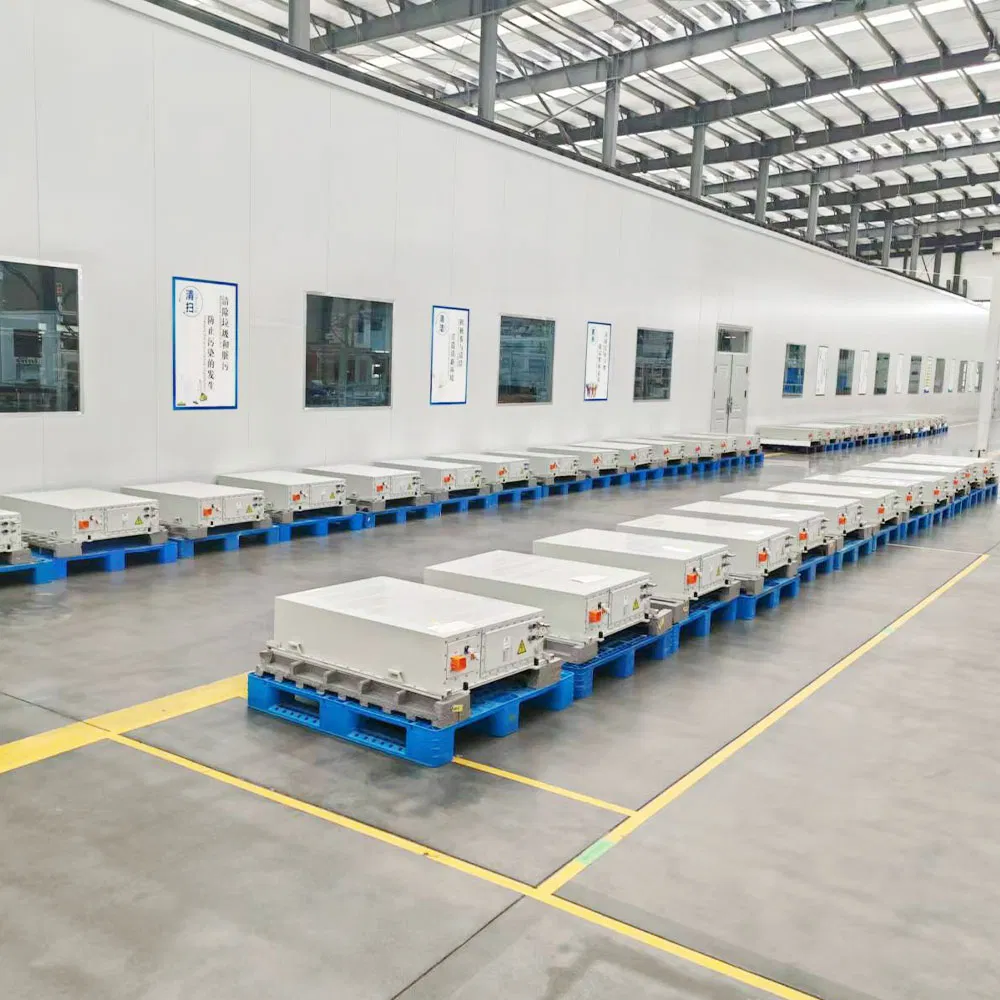
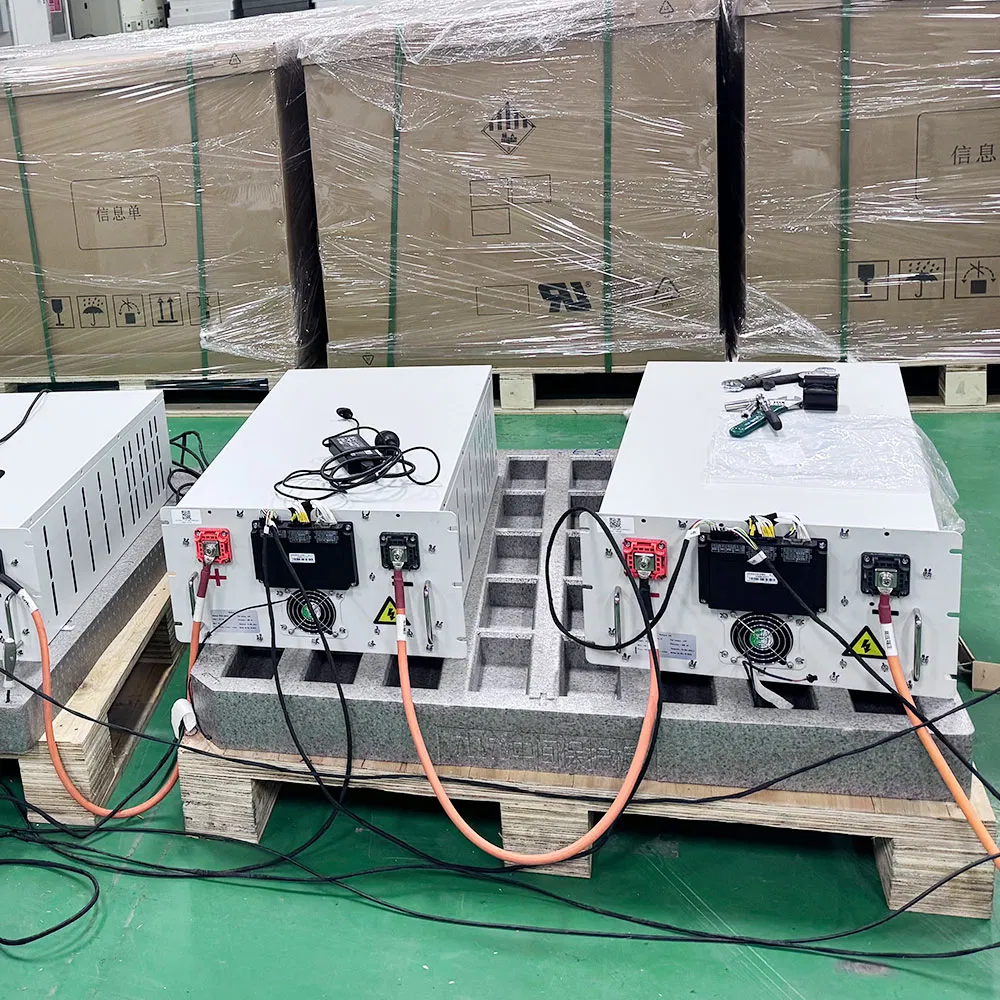
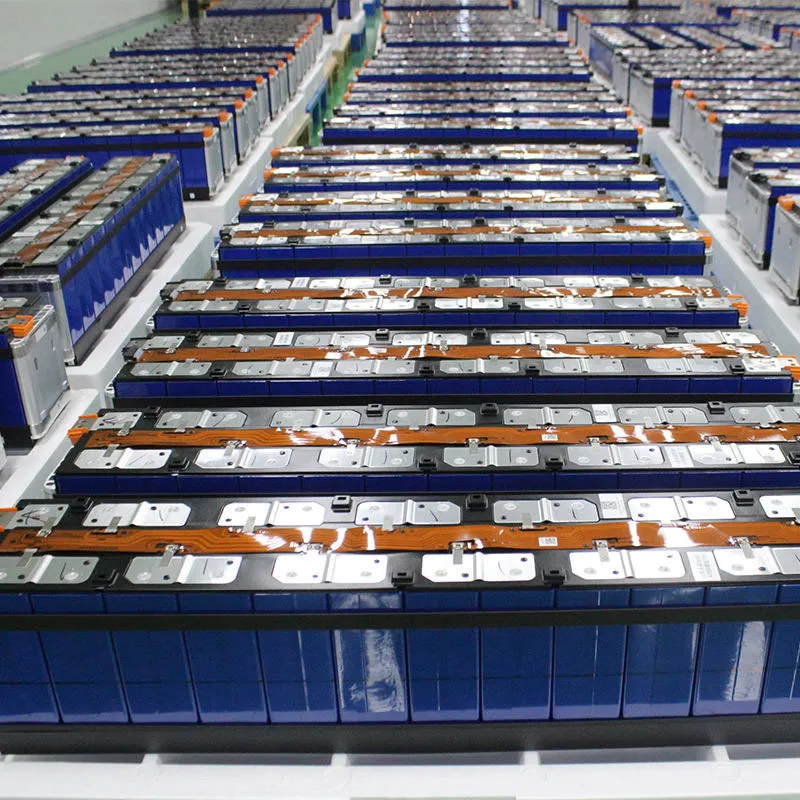
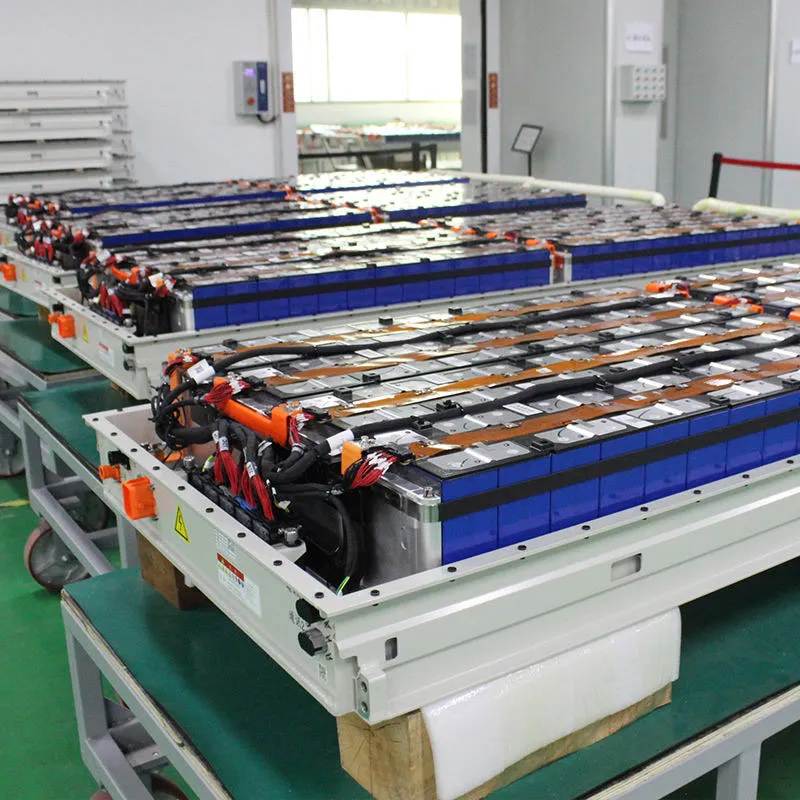
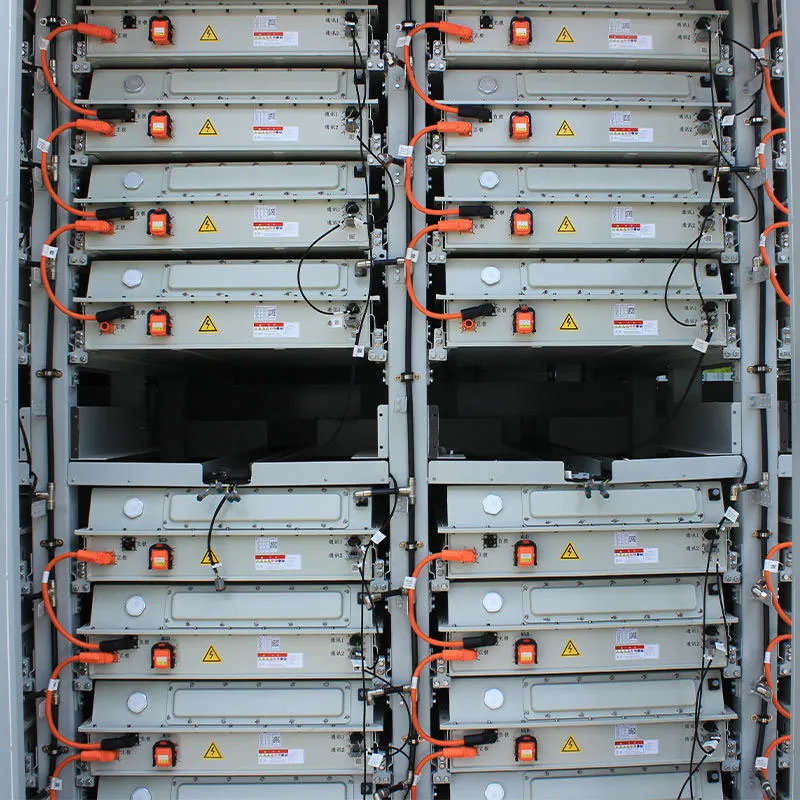
The liquid-cooled energy storage battery system has a capacity of 241kWh, and the battery system includes battery pack, liquid cooling, BMS and fire protection system. The whole system is connected to 220V AC power.
| Category | Technical Parameters | |
|---|---|---|
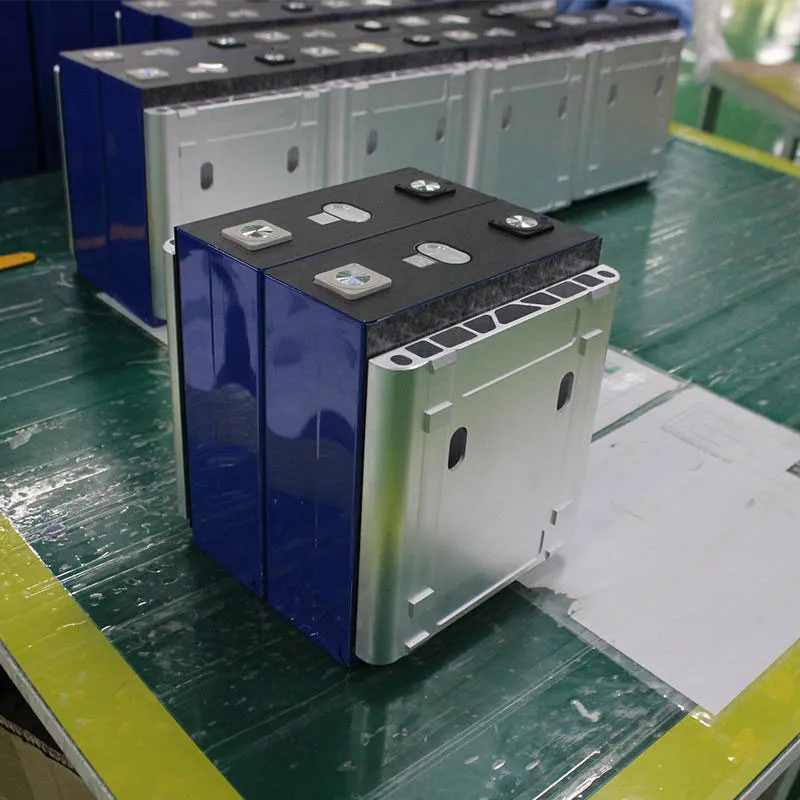
| Basic Parameters | Cell type | 3.2V/314Ah, LFP |
| System rated capacity | 241kWh | |
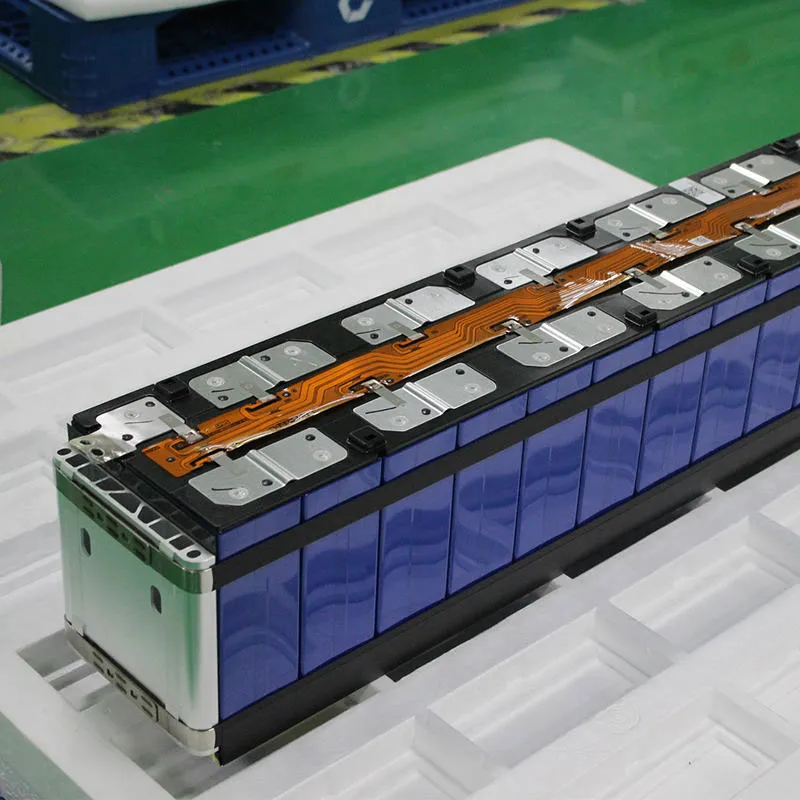
| Battery grouping | 5*1P48S | |
| System voltage | 660~864V | |
| Charge-discharge rate | ≤0.5P | |
| Battery efficiency | ≥ 94% (excluding AC auxiliary power) | |
| Operating temperature range | Discharge: -20~55°C; Charging: 0~55°C | |
| Fire fighting method | Aerosol fire protection | |
| Communication mode | CAN, RS485, Modbus-TCP, LAN | |
| Cooling method | Liquid cooling | |
| Protection level | IP54 | |
| Anti-corrosion grade | C4 | |
| Weight | 2.4t | |
| Dimensions (W*D*H) | 1000*1350*2065 mm (without ring) | |
| Humidity range | 0~95% (non-condensing) | |
| Highest working altitude | 5000m (>3000m degraded) | |
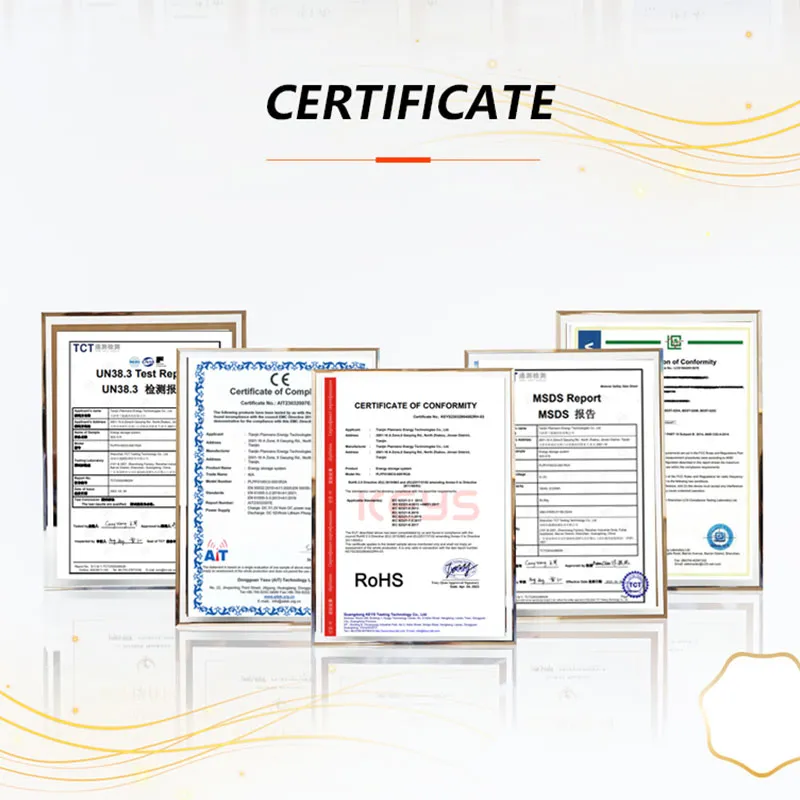
| Authentication | GB_T 36276-2023, UN38.3, IEC62619 | |
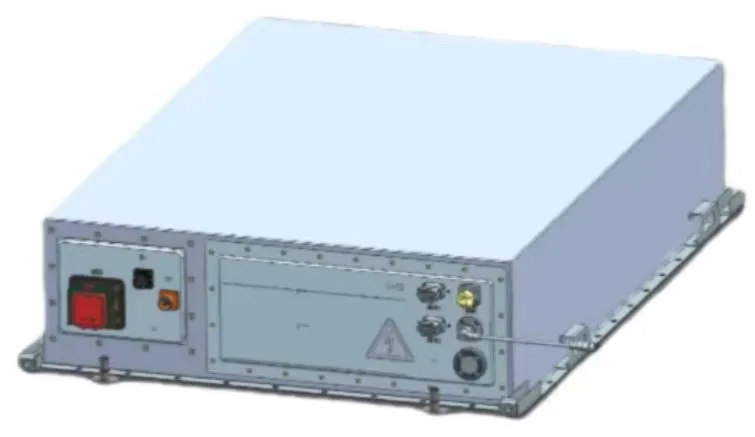
| No. | Name | 1P48S 314Ah Specification |
|---|---|---|
| 1 | Cell type | LFP |
| 2 | Charging rate | ≤0.5P |
| 3 | Discharge rate | ≤0.5P |
| 4 | Composition | 1P48S |
| 5 | Nominal capacity | 314Ah |
| 6 | Nominal energy | 48.2304kWh |
| 7 | Nominal voltage | 153.6V |
| 8 | Operating voltage range | 129.6~172.8V |
| 9 | Voltage acquisition | Full Acquisition + Total Positive/Total Negative |
| 10 | Temperature acquisition | 10K/B value 3435 |
| 11 | Maximum operating temperature range | Charging 0°C~55°C; Discharge -30°C~55°C |
| 12 | Optimum operating temperature | 25ºC±2ºC |
| 13 | Transport and storage temperature (30% SOC) | -20°C~45°C within 1 month; -20°C~25°C within 6 months |
| 14 | Insulation performance | Resistance value ≥ 500MΩ@2500VDC |
| 15 | Withstand voltage | Leakage current ≤ 1mA @4500VDC, no spark or breakdown |
| 16 | IP rating | ≥IP67 |
| 17 | Ambient humidity | < 90% RH (non-condensing) |
| 18 | Cooling method | Liquid cooling |
| 19 | Product weight | 310kg |
| 20 | Dimensions (W*D*H) | 790±2mm × 1132±2mm × 248±2mm |
The energy storage system is equipped with a complete battery management system, using a secondary management architecture and secondary software protection, including module level and battery cluster level, to achieve comprehensive control, management and protection of the battery system and ensure the safe and stable operation of the battery system.
When a single battery cabinet cannot meet the needs, multiple battery cabinets can be connected in parallel to form a battery system with a larger capacity. The battery management system can then be upgraded to a three-level management architecture and three-level software protection according to the needs of use, from the stack level to the cluster level to the module level, to achieve comprehensive control, management and protection of the battery system.
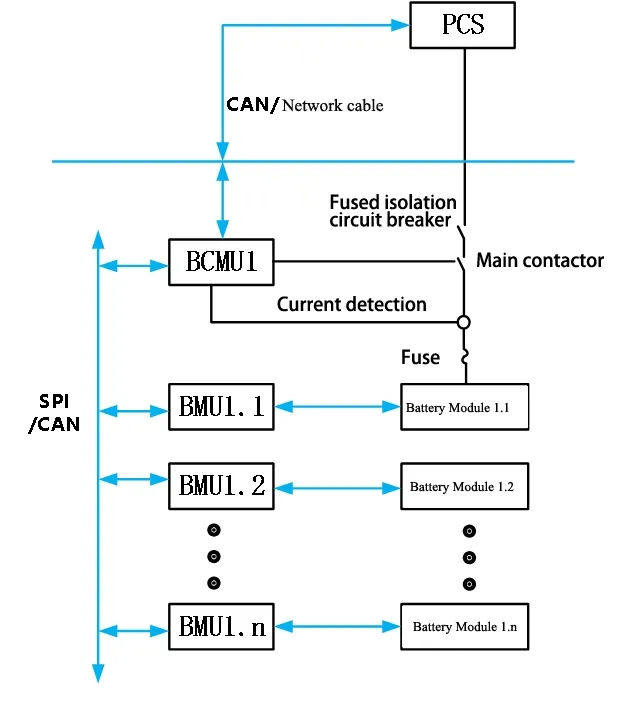
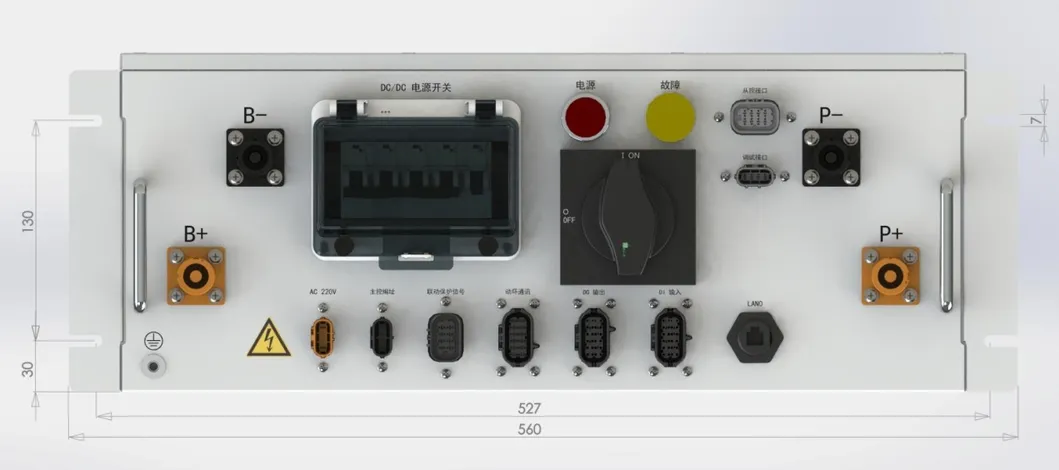
| No. | Name | Technical Parameters |
|---|---|---|
| 1 | Rated current | 250A |
| 2 | Operating voltage | 1000V |
| 3 | SOC accuracy | 5% |
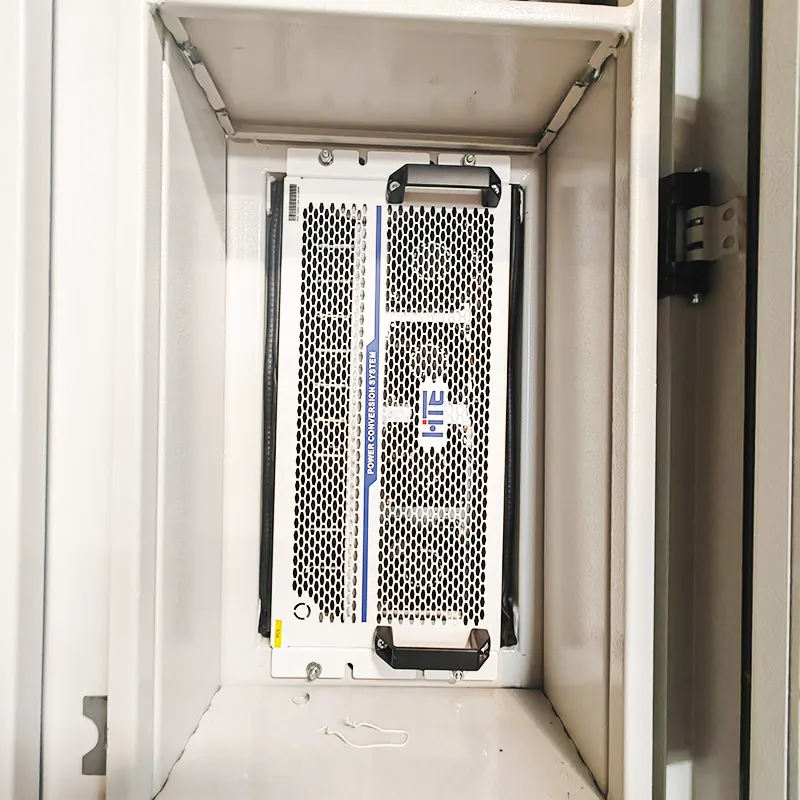
The entire thermal management system uses liquid cooling to control the temperature of the battery system. The integrated liquid cooling unit and reasonable pipeline design are used to control the effective temperature of the battery cells inside the battery system, so that the working environment of the energy storage system is within the optimal range, and the service life of the entire system is extended and the operation is safe and reliable.
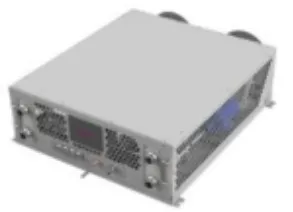
| No. | Technical Requirements | Specifications |
|---|---|---|
| 1 | Power Rating (Refrigeration) | 3kW |
| 2 | Rated cooling capacity | ~5kW |
| 3 | Heating power | ~3kW |
| 4 | Coolant | 50% water + 50% ethylene glycol |
| 5 | Operating temperature | -30~55ºC |
| 6 | High voltage power supply | 220VAC±10% |
| 7 | Refrigerant | R410a |
| 8 | Unit electrical protection level | IP55 |
| 9 | Dimensions | L700×W900×H245mm |
| 10 | Communication mode | RS485/CAN |
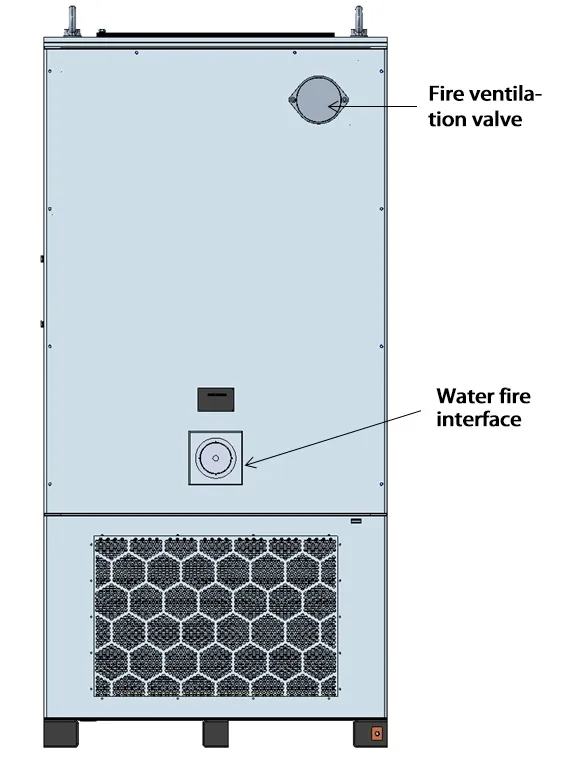
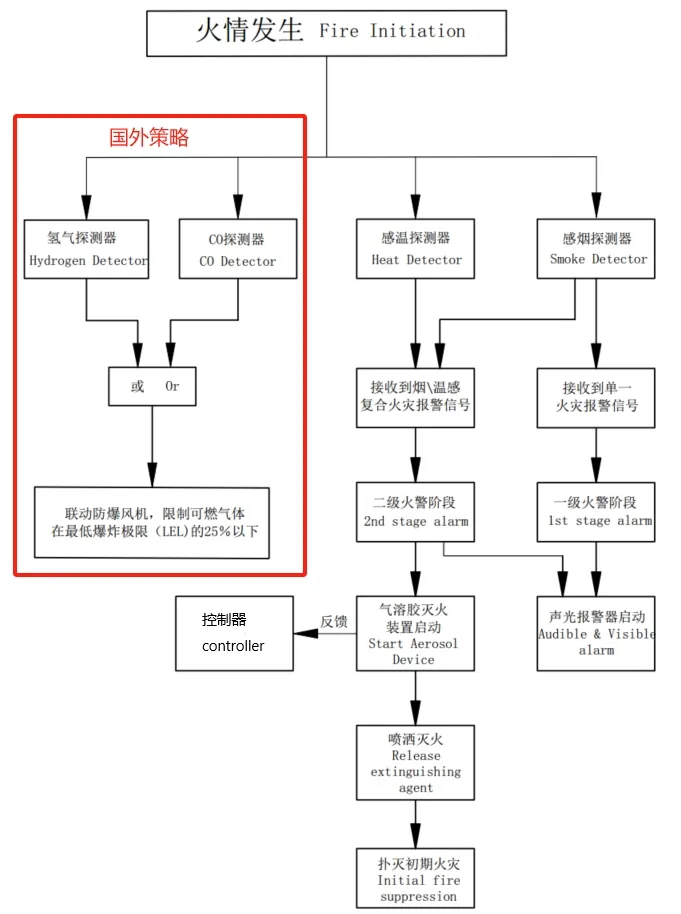
The energy storage system is divided into multiple levels for safety protection:
• PACK Level
Early detection and rapid extinguishing of root fire sources.
• Cluster Level
Focus on the deployment and control of external fire sources, preventing proliferation and suppressing fire growth.
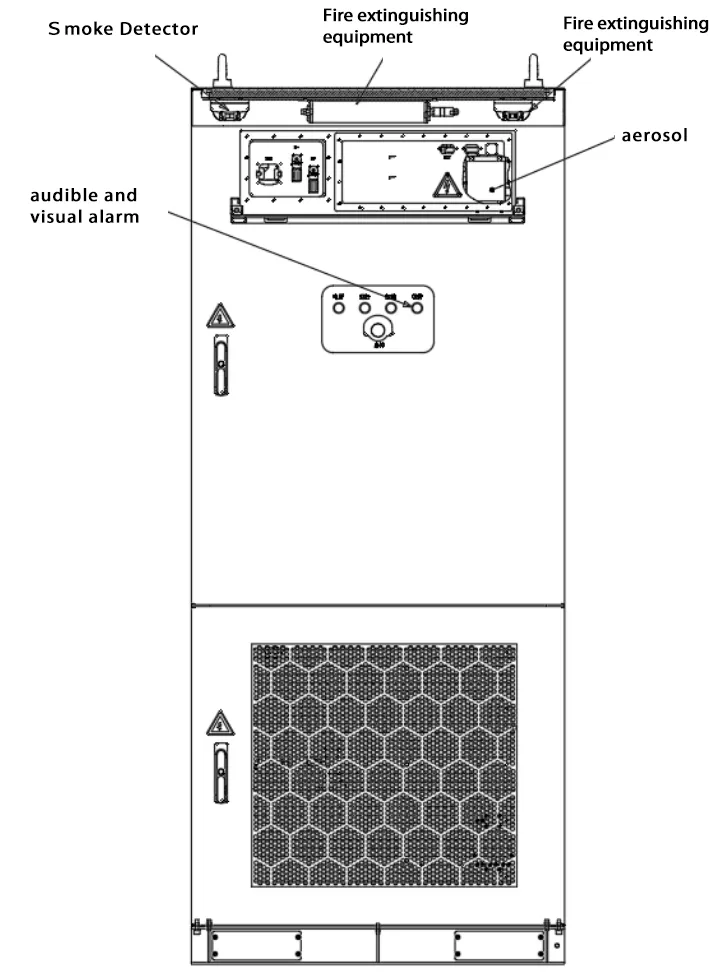
| No. | Project | Performance/Parameters |
|---|---|---|
| 1 | Filling Medium | Aerosol |
| 2 | Filling agent quality | 5*40g (PACK level) + 1*300g (cluster level) |
| 3 | Supply voltage | 24V |
| 4 | Communication mode | Dry contact point |
| 5 | Protect the space | 5m³ |
| 6 | Expiration date | 10 years |
The specification is for reference only. Please consult the company for any matters not mentioned in this specification. The company reserves the right to update this specification without prior notification. Please refer to the signed technical agreement for the specific parameters of the system at the time of delivery.
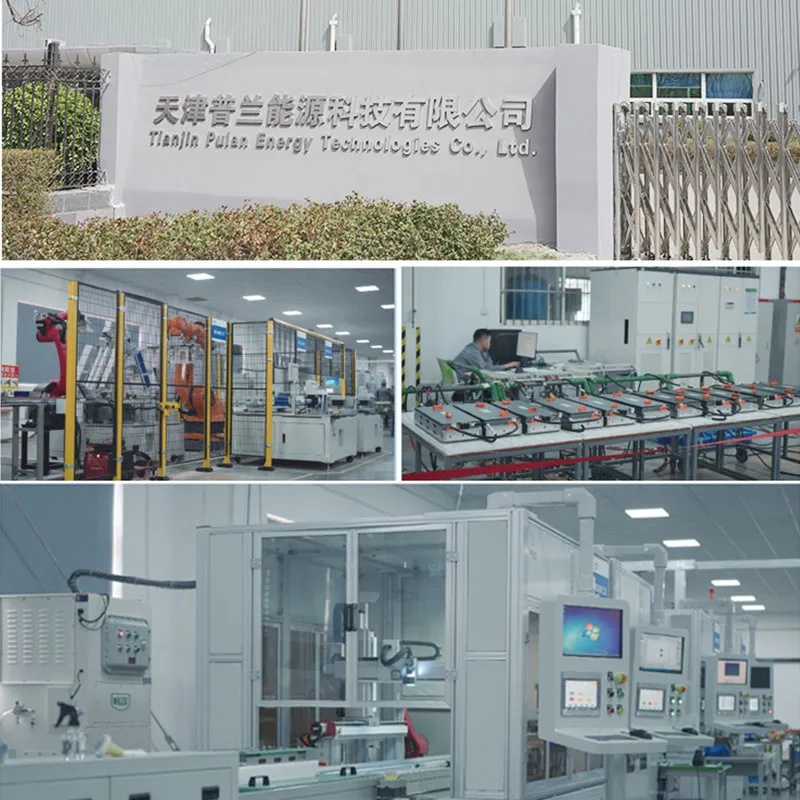
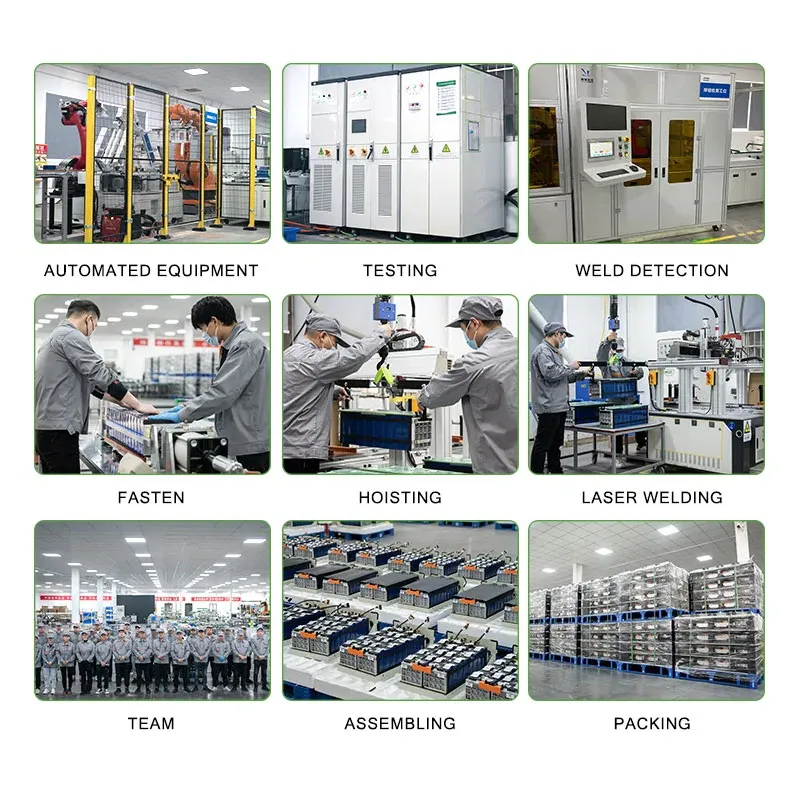
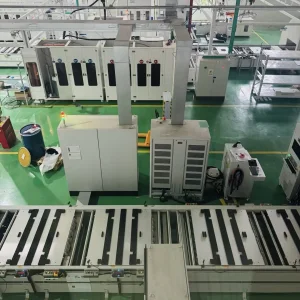
Our high-tech company focuses on the research and development, manufacturing, marketing, and technical service of graphene-based materials and their applications in clean energy. Based on excellent technical service and support, we are aimed to supply a complete solution to green-energy storage and products in power systems for our clients.
Together with leading academic research labs, our company owns high-standard test instruments and a top-class technical and management team.
With more than 50 patents in the preparation and application of graphene-based materials, we have completed the building of production lines for materials and products. We have successfully developed and mass-produced such products as graphene, LTO, Si/C material, supercapacitor cells ranging from 0.1F to 3000F, 16V500F/48V165F supercapacitor modules, LTO battery cells, and modules ranging from 20Ah to 500Ah. The main products can be widely applied to new-energy vehicles, rail transportation, smart grids, microgrids, engineering machinery, industrial energy-saving, and other fields.
We always do our utmost to make our clients satisfied, treating credibility and integrity as our foundation. Based on the newest achievements in science and technology, we aim to manufacture the most advanced clean-energy products with high quality and supply the most reliable solutions to energy-related systems. Taking social responsibility, we are on the way to making contributions to the development of the world's green energy industry.