GAF Energy
GAF Energy
GAF Energy
High-performance BESS configurations engineered for New South Wales industrial operations and grid applications.
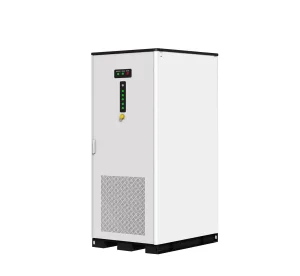
The industrial and commercial energy landscape of Greater Sydney, New South Wales (NSW), is experiencing unprecedented structural shifts. With the planned retirement of coal-fired assets such as the Eraring and Liddell Power Stations, NSW is actively building a decarbonized, distributed grid. In this new paradigm, grid stability is no longer guaranteed by central generation. Localized industrial energy storage system (BESS) installations are stepping in to secure critical power capacity.
For industrial operators across Sydney's primary commercial corridors—including Western Sydney’s massive logistics hubs, Wetherill Park, Eastern Creek, and Smithfield—energy security has become synonymous with economic survival. The combination of high peak-demand network charges, peak solar generation curtailment, and the risk of localized grid outages has driven enterprise procurement teams to seek tier-1 industrial lithium battery suppliers capable of delivering high-performance, compliant systems.
Discover how advanced thermal management and cell safety design are reshaping high-power storage applications globally.
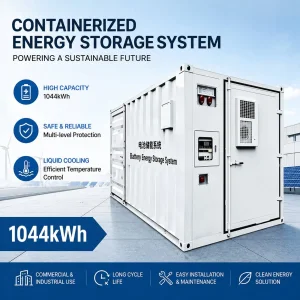
Modern utility-scale batteries (1MWh to 5MWh) are transitioning from forced air cooling to advanced liquid cooling. Liquid cooling limits internal cell temperature variances to less than 3°C, extending battery cycle life by up to 20%.
Lithium Iron Phosphate (LFP) remains the industry gold standard. LFP chemistry offers a high thermal runaway threshold (up to 270°C) and superior cycles (6000+ at 80% DoD) compared to NCM chemistries.
A premium Battery Management System (BMS) offers real-time monitoring of cell voltages, temperatures, state of charge (SoC), and active balancing, preventing faults and maximizing efficiency.
Procuring commercial-grade energy storage systems requires evaluation beyond the initial capital expenditure. Modern procurement managers evaluate total cost of ownership, Levelized Cost of Storage (LCOS), and global compliance matrices. When exporting to strict regulatory environments like Australia (subject to AS/NZS 5139 standards), systems must feature dual layers of hardware and software safety controls.
Exporting to Sydney and the wider Australian market requires strict adherence to fire safety and electrical regulations. Look for systems certified to IEC 62619 (safety requirements for secondary lithium cells), UL 9540A (test method for evaluating thermal runaway fire propagation), and UN38.3 for safe transport. Having these pre-requisites prevents delays during grid interconnection approval from distributors like Ausgrid and Endeavour Energy.
Sydney summers can bring ambient temperatures exceeding 40°C in inland regions like Penrith and Parramatta. Standard batteries degrade quickly under these conditions. Premium liquid-cooled thermal systems regulate cell temperatures efficiently, ensuring uninterrupted output during peak summer pricing spikes when the grid is most stressed.
Shenzhen GAF Energy Co., Ltd. is a leading global Lithium Battery Manufacturer | LiFePO4, Energy Storage & Renewable Power Solutions. Focused on manufacturing innovations, safety, and long-term sustainability, we supply high-performance lithium battery solutions for residential, commercial, industrial, and utility-scale energy projects around the world.
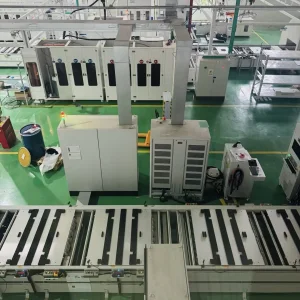
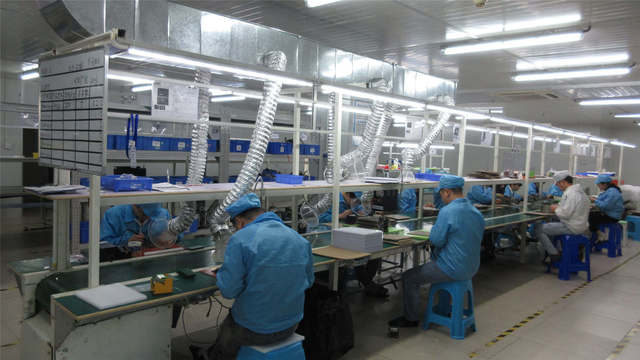
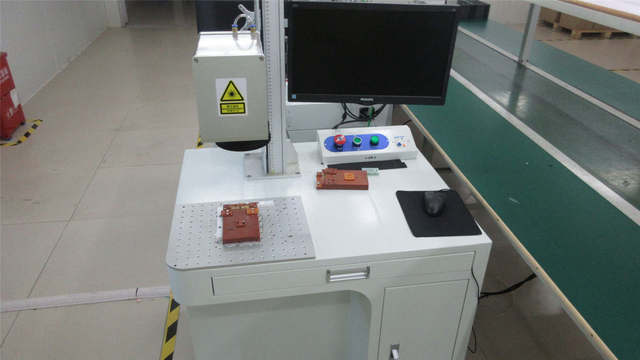
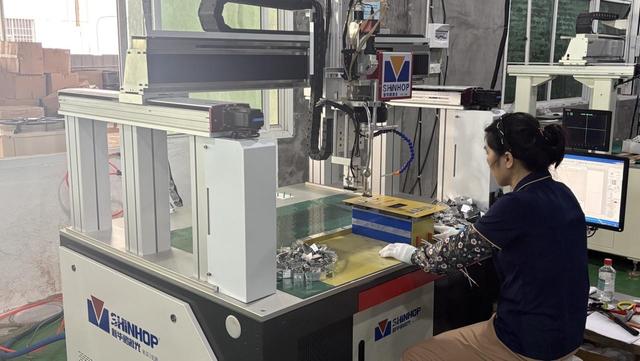
Operating advanced, highly automated Industry 4.0 manufacturing lines in Shenzhen, China, GAF Energy utilizes precise cell-matching technology, automated laser welding, and comprehensive multi-stage cycling tests. Our production capacity ensures complete control over raw materials, cell consistency, and structural assembly. By managing the entire supply chain—from high-grade cell sourcing to BMS programming and enclosure design—we offer competitive pricing and reliable delivery times directly to Port Botany, Sydney.
We provide standard BESS products alongside comprehensive OEM and ODM solutions, tailoring battery voltages, footprints, and thermal systems to match the specific needs of solar installers, microgrid developers, and industrial facilities.
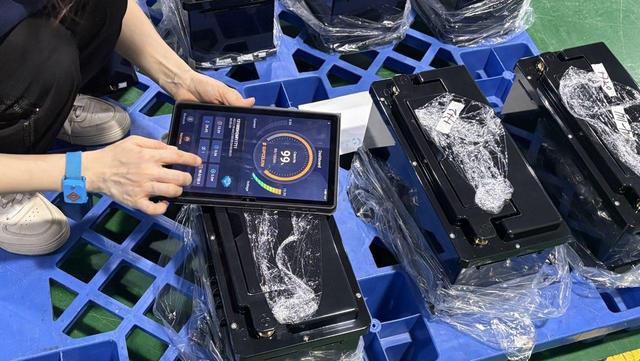
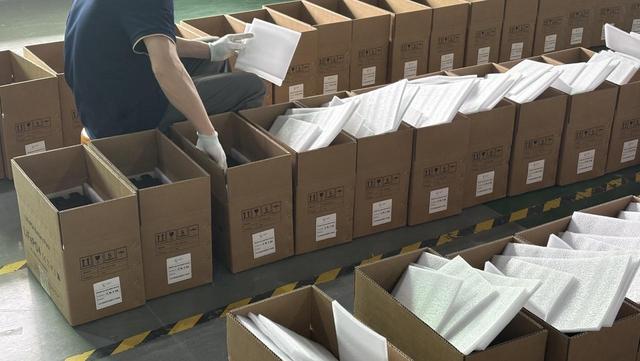
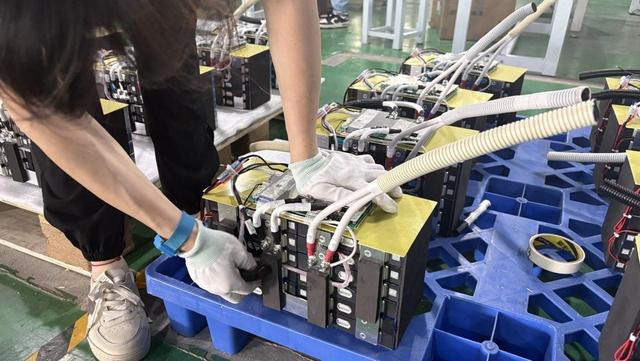
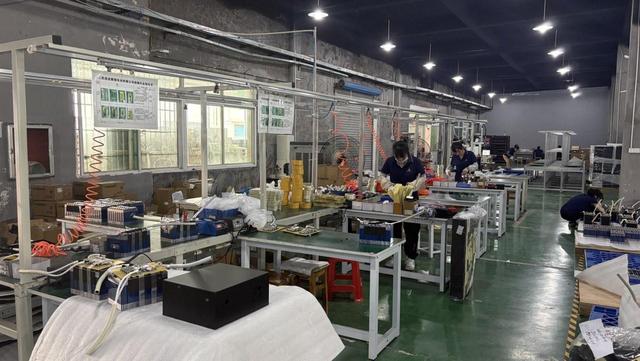
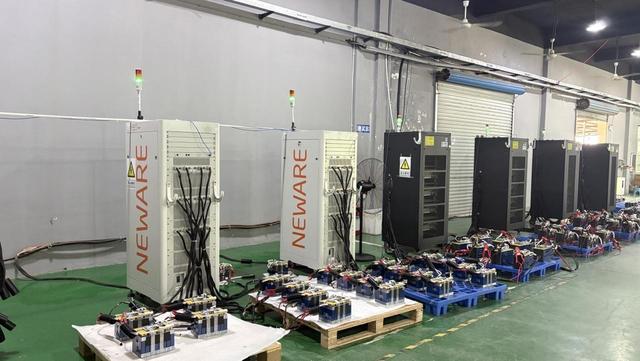
From dense urban environments to regional infrastructure, our battery systems address critical local energy demands.
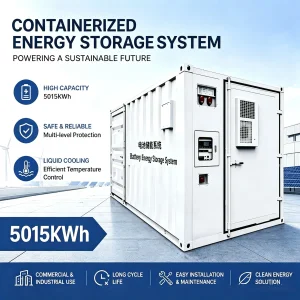
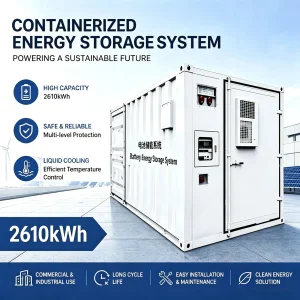
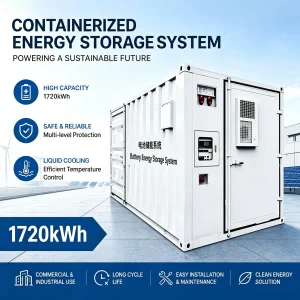
Port Botany and Sydney Harbour operations require high-output, reliable power for shore power connections and automated cranes. Containerized liquid-cooled BESS options (1MWh to 5MWh) balance peak energy spikes, lowering overall demand charges during cargo transfers.
Healthcare complexes in Westmead and Sydney CBD depend on absolute grid continuity. Combining solar generation with an outdoor IP54-rated battery system ensures rapid-response power backups, protecting life-support networks and sensitive diagnostic equipment.
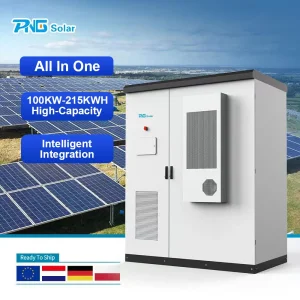
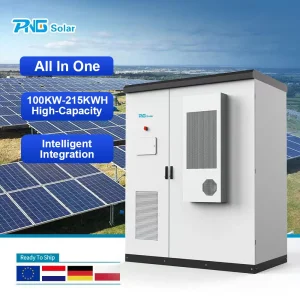
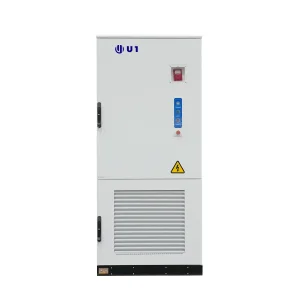
Sydney is a key data center hub for the Asia-Pacific region. Our 100kwh+ air-cooled and liquid-cooled cabinet solutions integrate into modular UPS designs to manage short-term grid anomalies, reducing dependence on diesel backup systems.
Our manufacturing facilities process raw lithium cells into final containerized units. We oversee shipping arrangements from Shenzhen to Port Botany to support Sydney projects.
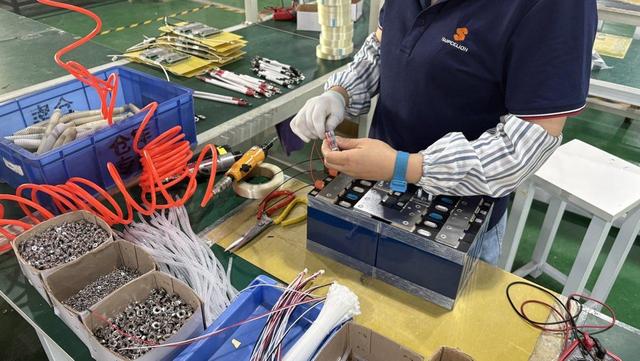
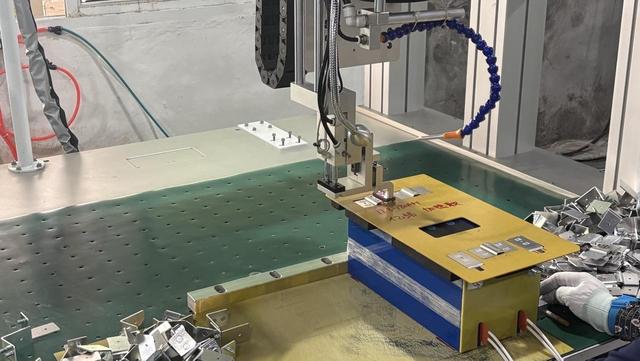
Technical and logistical insights for engineering companies and project managers in Sydney.
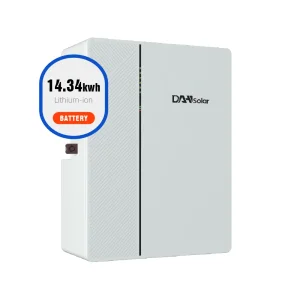
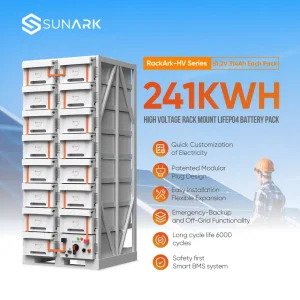
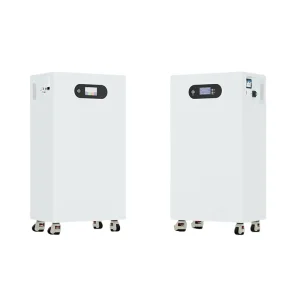
Explore our complete range of high-capacity energy storage systems, modular cells, and containerized configurations.
Get in touch with our applications engineering team today to review your system requirements, request compliance reports, or request an export quote.