GAF Energy
GAF Energy
GAF Energy
Engineered to withstand demanding cycle loads and harsh operating conditions.
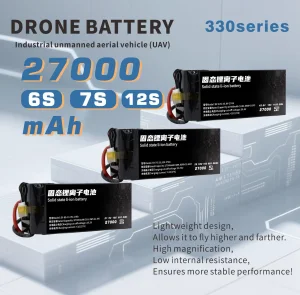

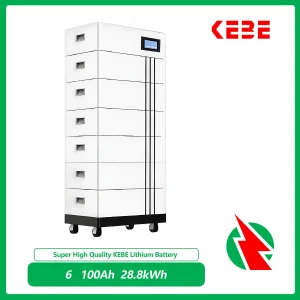
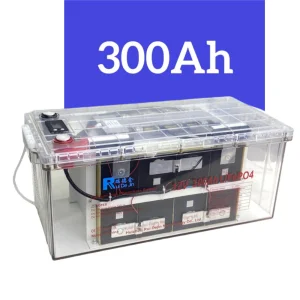
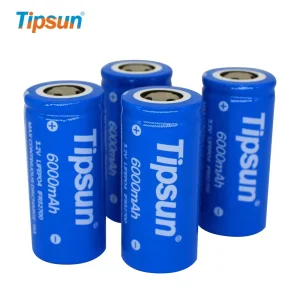
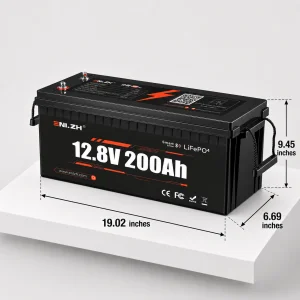
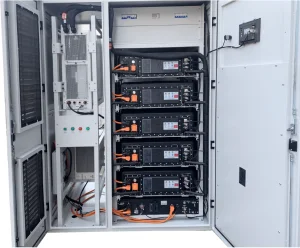
Shenzhen GAF Energy Co., Ltd. is a globally recognized, professional lithium battery manufacturer and developer of advanced energy storage systems (ESS). We design and deliver next-generation battery architectures for residential microgrids, large-scale commercial & industrial properties, utility-grade solar infrastructure, and high-performance electric mobility systems.
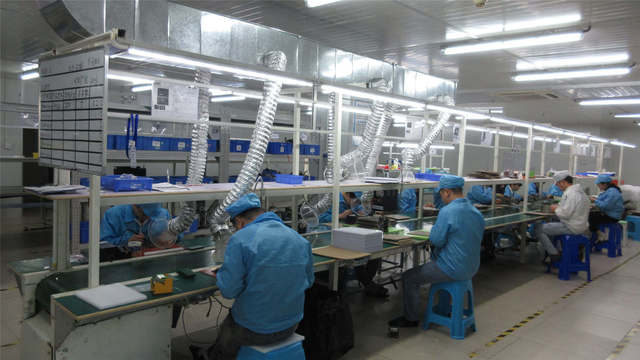
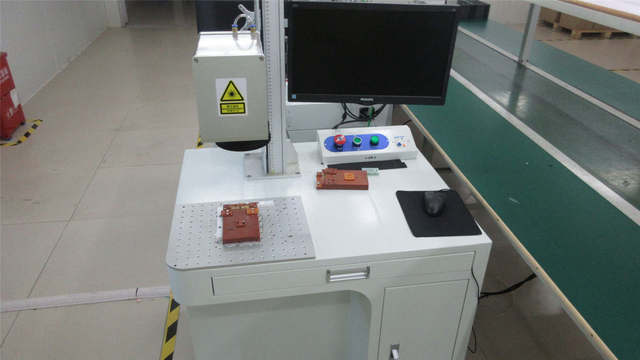
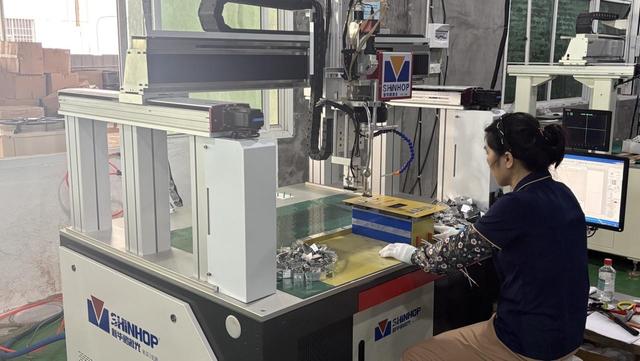
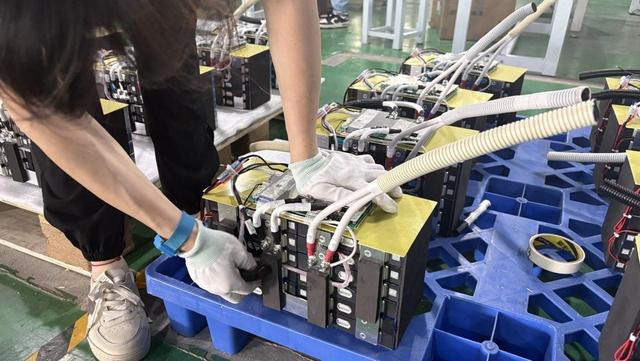
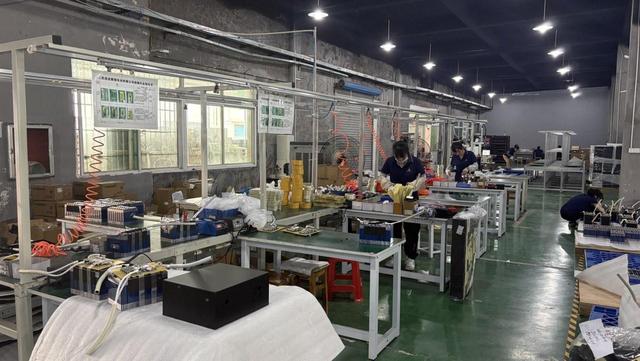
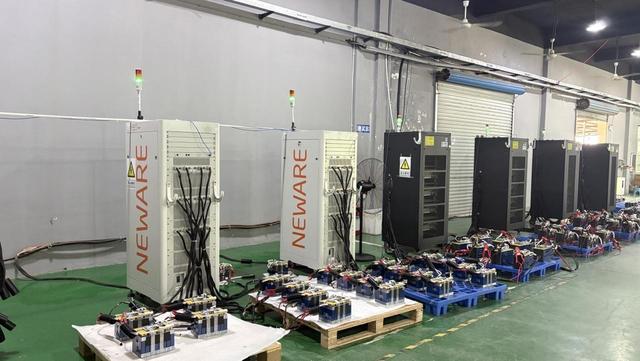
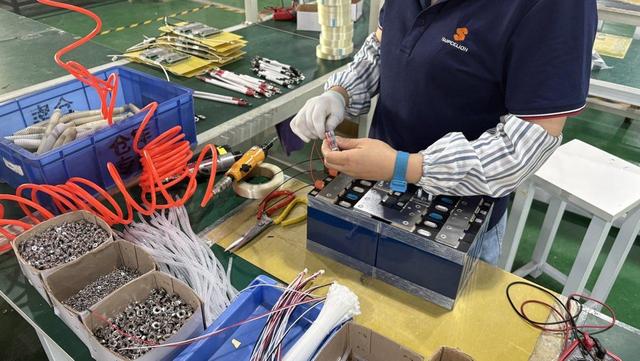
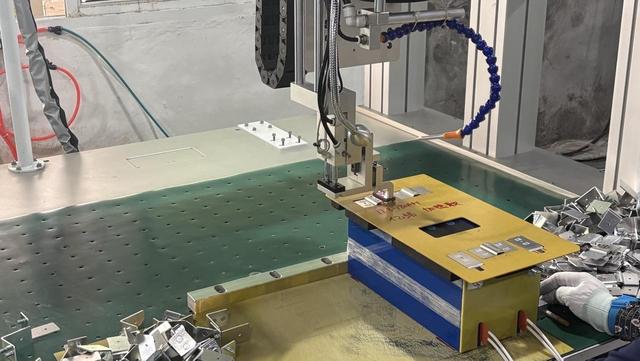
Operating out of our modern facility in Shenzhen, China, GAF Energy utilizes fully automated assembly processes, cutting-edge thermal management designs, and smart Battery Management Systems (BMS). Our capabilities span the entire product life cycle—from initial research, cell chemistry selection, hardware-in-the-loop (HIL) testing, structure engineering, to compliance certification and high-volume output. By utilizing only Tier-1 lithium iron phosphate (LiFePO4) and lithium polymer (LiPo) cells, GAF Energy guarantees long calendar life, robust safety profiles, and industry-leading energy density.
Multi-layered protections monitor cell voltage, temperature, and current dynamic levels. Dual protection modules prevent overcharge, over-discharge, short-circuits, and thermal propagation.
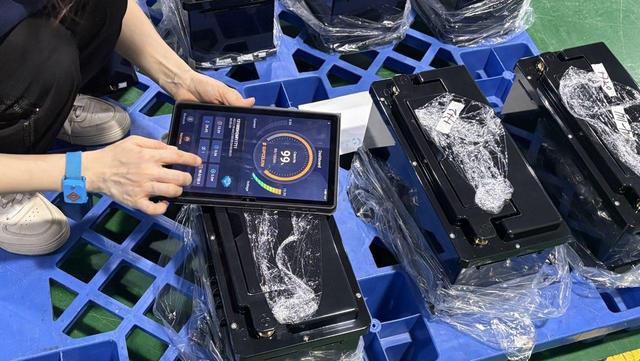
Equipped with CAN, RS485, and Modbus communication protocols. Integrated Bluetooth and Wi-Fi modules enable remote telemetry and real-time degradation forecasting.
We source only high-grade prismatic and cylindrical cells. High capacity matching and minimal internal resistance variation maximize module longevity and efficiency.
China is the global epicentre of lithium-iron-phosphate (LFP) chemistry production and supply chain optimization. By establishing our primary operations in Shenzhen, GAF Energy accesses raw materials, active cathode precursors, advanced separators, and precise automated manufacturing equipment at unmatched cost-efficiencies.
This concentration of localized supply chain assets minimizes transit times for raw components, protects production from international tariff changes, and gives us early access to chemical engineering advances. We pass these savings directly to utility scale integrators and wholesale buyers through competitive pricing and accelerated lead times.
| Parameters | GAF Energy Supply Chain | Traditional Local Sourcing |
|---|---|---|
| Lead Time (Prototype) | 10 - 15 Business Days | 40 - 60 Business Days |
| Cell Material Grades | Tier-1 Direct Lineage | Secondary Procurement |
| BMS Customization | Full Hardware & Firmware Control | Static Third-Party Integrations |
| Cost per Wh | Highly Competitive Factory-Direct | Compounded Distributor Markup |
Life Cycles @ 80% DoD
Automated Cell Inspection
BMS Conversion Efficiency
Years Product Design Life
B2B engineering and procurement teams evaluate stationary and traction battery suppliers based on long-term performance stability, cost metrics, thermal safety, and integration flexibility. Our industrial design choices reflect these needs:
Buying cheap initial cells increases total lifetime costs if replacement cycles occur prematurely. GAF Energy targets maximum chemical stability, lowering the Levelized Cost of Storage (LCOS) over long operating lifespans.
Our large-scale energy storage systems integrate gas containment venting, internal fire suppression modules, and mechanical isolators. These systems prevent propagation to neighboring modules.
Whether pairing with Victron, SMA, Growatt, Deye, or Solis, our engineering team ensures that GAF battery packs integrate natively via firmware updates and selectable profile switches.
Lithium Iron Phosphate represents the dominant chemical standard for stationary grid applications. LFP outperforms other chemistries like Nickel Manganese Cobalt (NMC) in thermal runaway threshold temperature, safety under puncture or crushing, and cost-per-kWh metrics. Our standard LFP packs operate safely at up to 60°C with nominal degradation, avoiding active refrigeration system dependencies.
Clean energy systems demand tailored battery architectures based on environmental and cycle profiles. Below are the core applications where GAF Energy battery solutions are deployed globally:
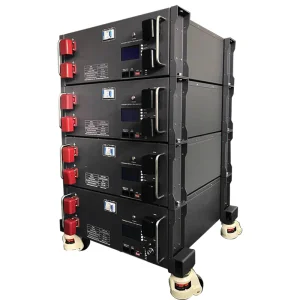
For peak shaving, load-shifting, and microgrid stabilization. The GAF 783KWH Solar Photovoltaic Lithium Iron Phosphate Battery Industrial Commercial System offers massive modular density. Multiple systems can scale in parallel to meet Megawatt-hour requirements, featuring integrated liquid or forced-air thermal management.
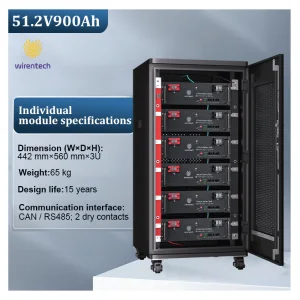
Telecommunication networks require compact, reliable power storage capable of fast charging. Our 51.2V 150Ah Telecom Power System Backup units slide into standard 19-inch racks. They provide stable power supply lines, reducing reliance on diesel generator units in remote areas.
Golf courses, heavy warehouses, airport logistics, and urban fleets require zero-maintenance vehicle batteries. The 72V/48V Electric Lithium Battery Golf Cart Systems deliver faster acceleration, consistent torque across discharge stages, and lower net weights than traditional lead-acid equivalents.
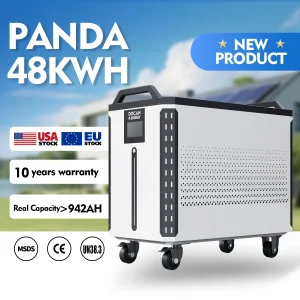
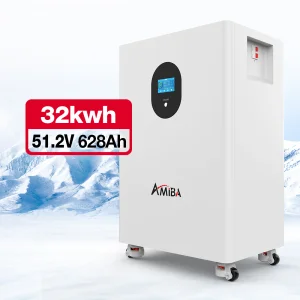
Homeowners seek energy independence via solar backup. Options like our Floor Home Lifepo4 Battery 51.2V 10kWh-30kWh Power Wall Mount Systems allow direct coupling with hybrid solar inverters. They store midday solar energy to offset expensive peak night-time rates.
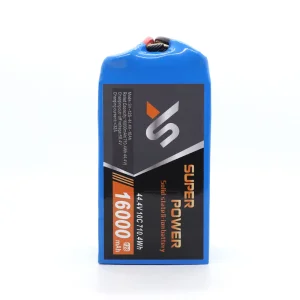
For agricultural spraying, heavy-lift transport, and surveillance flight systems, power density is critical. GAF Lithium Polymer Drone and UAV Batteries optimize weight-to-capacity ratios, providing the burst C-ratings required for vertical takeoff under heavy loads.
Deploying energy storage internationally requires navigating complex safety and shipping standards. GAF Energy designs all products to meet or exceed regional certification structures. We support our distributors with comprehensive documentation, including UN38.3 test summaries, Material Safety Data Sheets (MSDS), and CE/UL certificates.
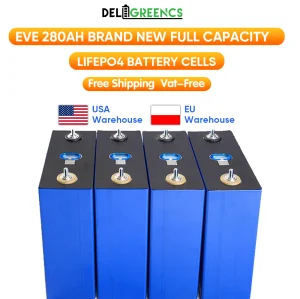
To simplify logistics for European clients, GAF Energy offers specialized European distribution channels, including Tax-Free Europe LiFePO4 Battery Cell shipments. By using DDP (Delivered Duty Paid) shipping lanes, we clear customs and handle import VAT beforehand, ensuring seamless door-to-door delivery.
| Standard | Focus Region | Target Parameters Verified |
|---|---|---|
| UL 1973 / 9540A | North America | Cell & Pack Safety, Thermal Runaway Fire Propagation Tests |
| CE (EN 61000) | European Union | Electromagnetic Compatibility, Low Voltage Directives Safety Compliance |
| UN 38.3 | Global Shipping | Vibration, Altitude, Thermal Shock, Impact, and Overcharge Resistance |
| IEC 62619 | International | Secondary Cells & Batteries containing Alkaline/Non-Acid Electrolytes |
The grid energy sector is evolving. Key technology shifts shaping upcoming energy projects include:
High-voltage battery stacks (ranging from 200V to 800V+) reduce current flow requirements, lowering cable thickness and transmission loss while improving power conversion efficiency.
Advanced BMS designs run real-time internal state estimation algorithms. These modules identify weak cells early, optimizing balanced charge curves and extending system lifespans by up to 25%.
Designing cells with circularity in mind allows easy disassembly, ensuring high-capacity cells can be repurposed for secondary applications after primary decommission.
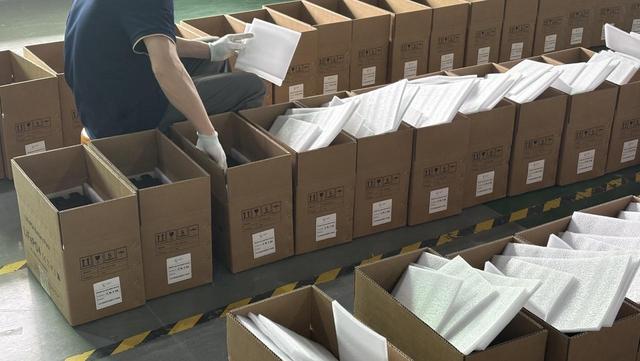
Inside GAF Energy's state-of-the-art battery engineering facility
Why is LiFePO4 preferred over other lithium chemistries for renewable energy storage?
What are the main differences between IP54 and IP65 ratings for outdoor Energy Storage Systems?
How does a Smart BMS protect against cell imbalance issues?
Can GAF battery packs integrate with older, existing solar inverter systems?
What shipping classifications apply to high-capacity industrial battery storage units?
Premium options for high-drain, stationary, and mobility application profiles.