GAF Energy
GAF Energy
GAF Energy
Direct procurement of premium tier-1 cell configurations, specialized material packs, and micro-grid infrastructure engineered at our Shenzhen facility.
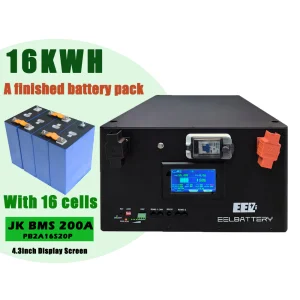

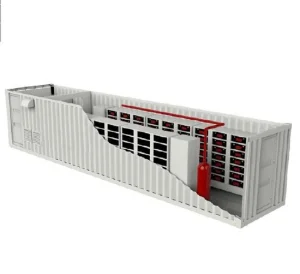
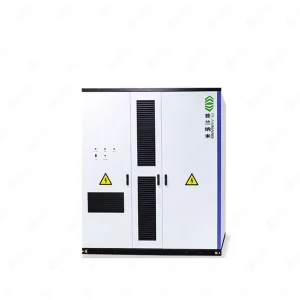
Shenzhen GAF Energy Co., Ltd. is a professional Lithium Battery Manufacturer | LiFePO4, Energy Storage & Renewable Power Solutions dedicated to delivering advanced energy storage technologies for residential, commercial, industrial, and renewable energy applications worldwide. With a focus on innovation, safety, and sustainability, the company provides high-performance lithium battery solutions that support the growing global demand for clean and reliable energy.
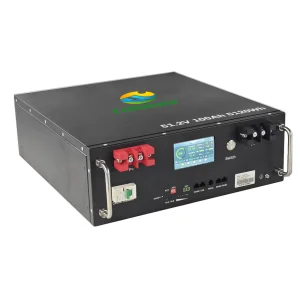
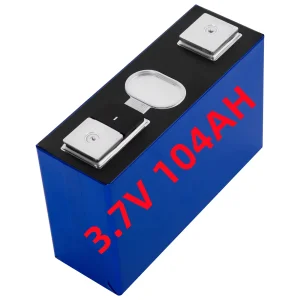
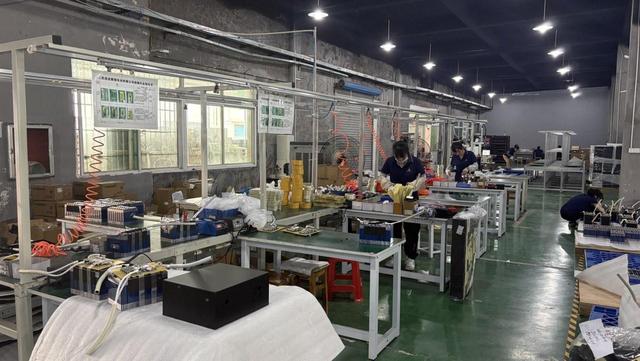
Headquartered in Shenzhen, China, GAF Energy operates modern manufacturing facilities equipped with advanced production equipment, automated assembly lines, and comprehensive quality management systems. The company specializes in the research, development, and production of LiFePO4 batteries, lithium-ion battery systems, residential energy storage batteries, commercial and industrial energy storage systems (ESS), solar storage batteries, rack-mounted battery systems, high-voltage battery solutions, and customized battery packs.
Our core mission revolves around engineering reliability and lowering the Levelized Cost of Storage (LCOS). By establishing tight control over raw materials and cell chemistry integration, we ensure that every system leaving our factory is optimized for the longest operating life possible, bridging the gap between green generation and 24/7 grid stability.
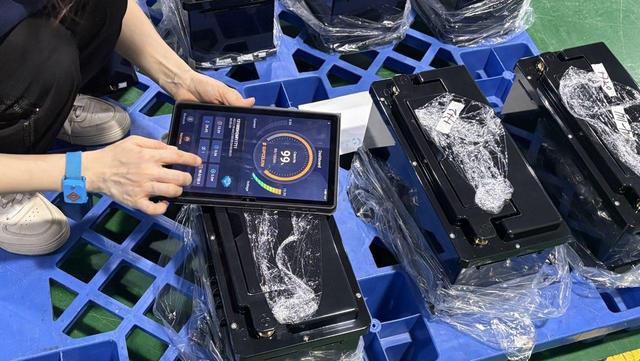
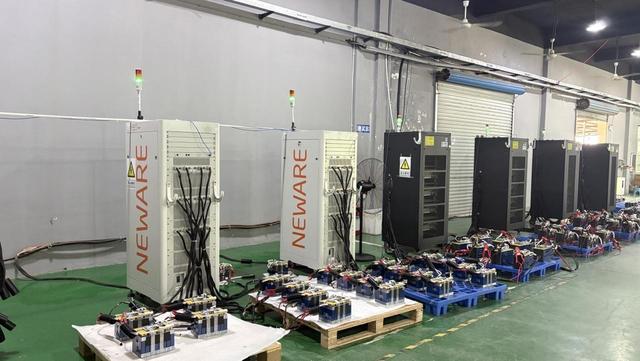
GAF Energy places strong emphasis on product quality and technological innovation. By utilizing premium battery cells, intelligent battery management systems (BMS), and rigorous testing procedures, the company ensures excellent safety, long cycle life, stable performance, and high energy efficiency. Every battery system is designed to meet the demanding requirements of renewable energy integration, backup power applications, and modern energy management solutions.
In addition to standard product offerings, GAF Energy provides comprehensive OEM and ODM services for distributors, energy solution providers, solar installers, system integrators, and private-label brands. From product design and engineering to manufacturing and technical support, the company delivers flexible solutions tailored to specific project requirements.
As global energy grids experience rapid decarbonization, energy storage systems have transitioned from passive backup devices to active economic engines.
Commercial enterprises globally are mitigating volatile demand charges. By charging battery systems during off-peak hours and discharging during high-rate intervals, commercial and industrial users drastically reduce their baseline utility costs.
From healthcare complexes to high-tech manufacturing plants, power disruptions translate directly to financial loss. Containerized lithium battery storage (such as our IP54 liquid-cooled modules) functions as an instantaneous transition source during grid dropouts.
Integrating renewable storage systems allows companies to lock in clean power, satisfying corporate Environmental, Social, and Governance (ESG) criteria while shielding operations from future carbon tax penalties.
In regions like Western Europe and North America, aging transmission lines and extreme weather patterns have introduced unparalleled grid instability. As a result, commercial and industrial (C&I) businesses are no longer looking at energy storage as a luxury, but rather as an essential utility safeguard. In developing economies across Southeast Asia and Africa, mini-grids backed by deep-cycle LiFePO4 cells are replacing diesel generators, dropping operation costs by up to 60% and minimizing fuel volatility risk.
Through our vast supply networks, Shenzhen GAF Energy Co., Ltd. delivers customized battery configurations that fit these diverse conditions perfectly. Our systems enable modern factories and distribution hubs to capitalize on power purchase agreements (PPAs), demand-response programs, and frequency regulation markets, unlocking new revenue streams from their existing structural assets.
The global dominance of Chinese battery manufacturing is not merely a matter of lower labor costs; it is driven by a highly integrated ecosystem. In Shenzhen, the proximity of raw material refineries, anode/cathode sheet fabricators, structural casing factories, and advanced semiconductor engineers provides an unmatched pace of innovation and logistical efficiency.
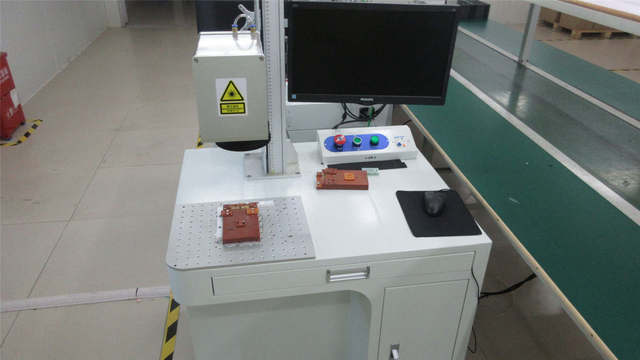
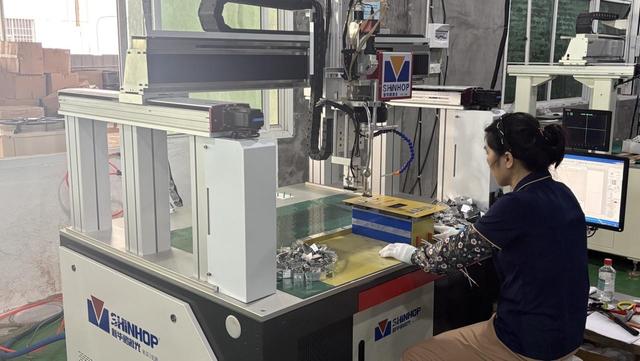
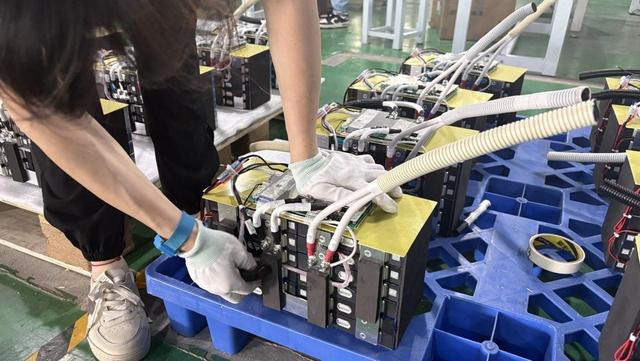
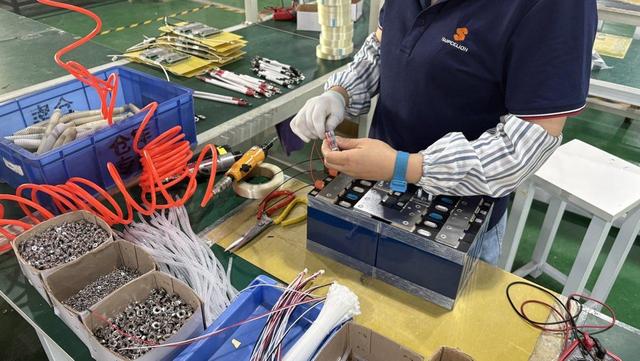
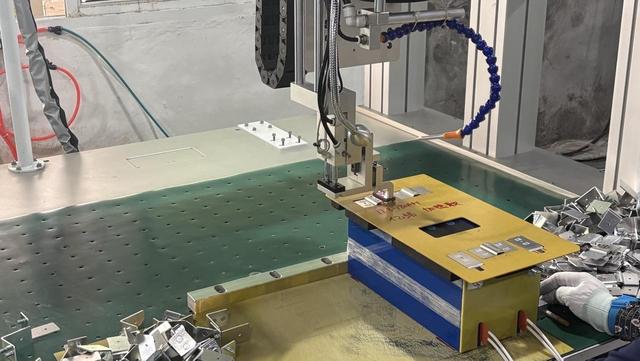
At GAF Energy, our automated production lines implement tight quality checks at every level. From automated sorting of cells by voltage, internal resistance, and capacity, to advanced laser welding of module interconnects, the entire process minimizes human error. This enables us to maintain structural stability, reduce thermal dissipation issues, and ensure uniform aging across thousands of connected cells.
Furthermore, our end-to-end integration allows us to quickly pivot to the latest technologies. For instance, the transition to high-voltage, high-density LFP cells and advanced liquid-cooling systems was realized and commercialized rapidly. This speed ensures our clients receive the most modern systems, bypassing outdated designs that suffer from shorter cycles or high thermal risks.
Different environments demand customized energy setups. We engineer tailored battery configurations to solve specific power, voltage, and space challenges.
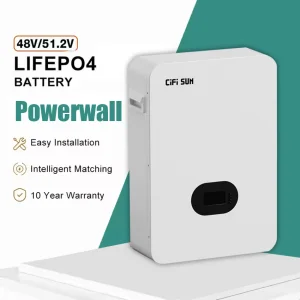
Integrating solar systems with home energy storage, like our 51.2V 200Ah Powerwall configurations, allows homeowners to achieve complete self-sufficiency. Smart programming prioritizes solar power during the day and batteries at night, protecting homes from grid failures.
For data centers, hospitals, and heavy manufacturing sites, our IP54 protection 241kWh and multi-megawatt systems utilize liquid cooling. This maintains optimal operating temperatures, extends battery lifespan, and minimizes thermal risks in demanding environments.
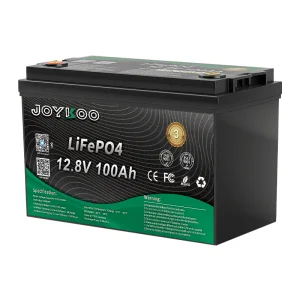
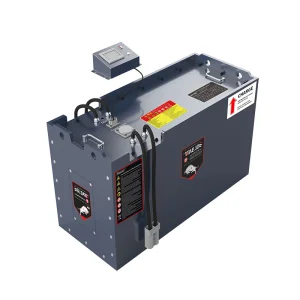
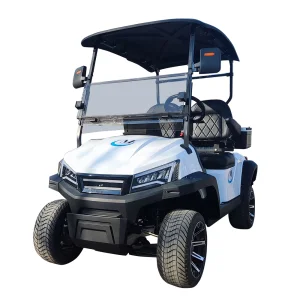
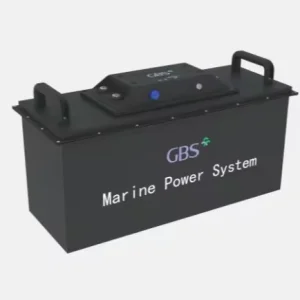
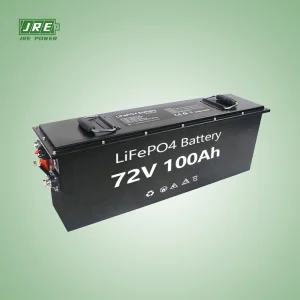
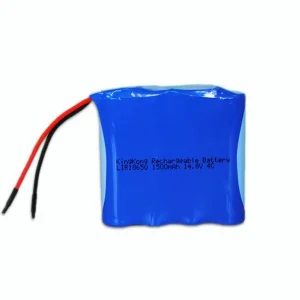
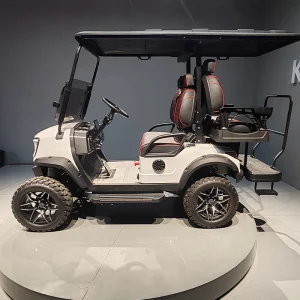
Standard material handling equipment, electric golf carts, utility buggies, and marine vessels require vibration-resistant, high-discharge battery packs. Our deep-cycle 12.8V LFP, 48V, and 72V customized packs deliver long running times and robust durability.
Exporting lithium batteries worldwide demands strict adherence to international safety and shipping regulations. Every GAF Energy product is designed to comply with rigorous global quality benchmarks:
B2B buyers face unique challenges when procurement extends overseas. Minimizing transportation risks, resolving communication delays, and maintaining consistent product quality are critical.
GAF Energy addresses these issues with comprehensive support. Our dedicated logistics team coordinates with international carriers to manage hazardous materials transport regulations (Class 9).
We also provide customizable engineering options (OEM/ODM). Whether adjusting mechanical casing dimensions, selecting specialized communication protocols (CAN/RS485/Modbus), or modifying BMS thresholds, our team delivers solutions tailored to your operational requirements.
Driven by material sciences and artificial intelligence, energy storage technology continues to evolve rapidly. Below are the key developments shaping the market:
Modern energy storage systems are moving beyond basic electronic protection. Integrating IoT modules allows operators to monitor cell temperatures, state of health (SoH), and discharge histories remotely. Cloud-based diagnostics help identify potential failures before they affect system operation.
Industry standards are shifting from 280Ah cells to larger 314Ah capacities. This change increases energy density in standard containerized configurations, reducing structural weight and lowering overall cost per kilowatt-hour.
Air cooling is increasingly being replaced by liquid-cooling systems, particularly in utility-scale projects. Liquid cooling maintains consistent temperatures across cells, minimizing degradation and reducing cooling energy consumption.
While LiFePO4 (LFP) remains the primary choice for safety and longevity, NMC offers high energy density for space-constrained mobile applications. Additionally, sodium-ion technology is emerging as an option for cold climates and cost-sensitive applications.
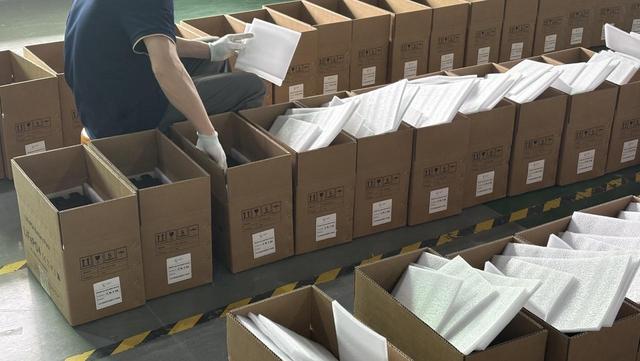
Step inside GAF Energy's manufacturing environment, where precise assembly, rigorous testing, and quality control systems are put into practice.
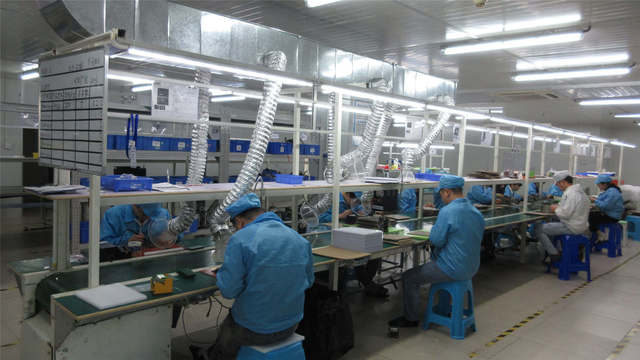
Practical technical information designed for international procurement managers and project engineers sourcing energy storage installations.
Engineered configurations designed for solar systems, off-grid equipment, golf carts, marine crafts, and heavy-duty vehicles.