GAF Energy
GAF Energy
GAF Energy
Engineered for compliance with UK electrical systems, marine installations, and harsh leisure vehicle demands.
The United Kingdom’s leisure vehicle sector is experiencing an unprecedented structural transition. Driven by the climate mandates, the rising cost of traditional grid-connected caravan park fees, and the expansion of the "wild camping" movement across the Scottish Highlands, Wales, and Northern England, motorhome and caravan owners are rapidly demanding complete energy independence. Historically, the British leisure vehicle market relied on lead-acid gel or AGM batteries. However, these legacy systems are proving entirely inadequate for modern, high-draw electronic applications.
A standard caravan in the UK is now expected to operate household-grade appliances: induction cooktops, high-draw hair dryers, multi-zone heating, and complex satellite communications. This shifting demand pattern exposes the severe technical bottlenecks of traditional lead-acid configurations, including rapid voltage drops under heavy load, limited depth of discharge (DoD), and excessive weight penalties. Under UK regulations regarding vehicle payload limits (specifically the 3,500kg threshold for standard driving licenses), minimizing auxiliary equipment weight while maximizing capacity is crucial. This is where high-energy-density Lithium Iron Phosphate (LiFePO4) chemistry emerges as the only viable industrial solution.
"The shift toward off-grid autonomy in the British leisure sector is not merely a trend—it is a massive structural realignment of mobile power expectations. Standard lead-acid profiles can no longer sustain the continuous discharge current required by modern caravan power hubs, driving the transition to advanced BMS-controlled LiFePO4 batteries."
From an exporter and manufacturer perspective, the UK represents a complex and highly specialized target market. Because British weather conditions fluctuate between damp, freezing winters and relatively warm summers, lithium storage batteries must be specifically engineered to handle cold-weather charging. Furthermore, UK electrical installations within leisure vehicles must conform to British Standard BS 7671 (Requirements for Electrical Installations) and require specific compliance markings, including the post-Brexit UKCA certification. Exporters who fail to address these local standards cannot effectively establish stable distribution networks within the British Isles.
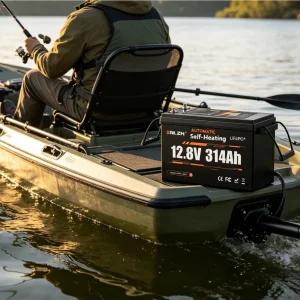
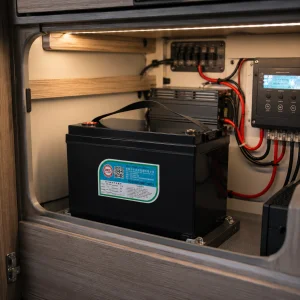
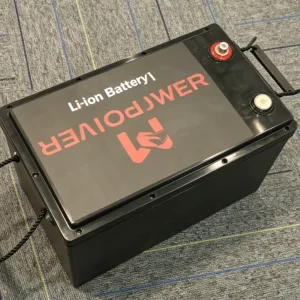
These specialized components offer heavy-duty energy density and self-heating capacities optimized for UK conditions.
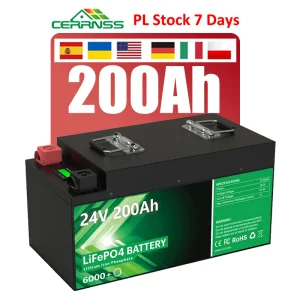
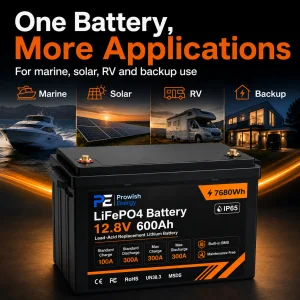
For global procurement managers sourcing RV lithium batteries for the UK market, the technical evaluation goes far beyond simple capacity and price. The true performance differentiator of a LiFePO4 battery lies in its integrated Battery Management System (BMS). Unlike lead-acid batteries, which handle overcharging and deep discharge through self-regulating physical processes, lithium-based chemistries require continuous electronic oversight. Without a high-performance BMS, lithium cells are vulnerable to thermal runaway, cell voltage imbalances, and rapid capacity degradation.
A professional-grade BMS must manage several key functions simultaneously. First is Active Balancing: because individual cells will display slight variations in internal resistance and capacity, the BMS must balance charge levels across the pack during both the charge and discharge cycles. This ensures that the overall pack capacity is not limited by the weakest single cell. Second is the Thermal Mitigation Strategy: when charging cells in cold environments, a smart BMS must monitor ambient temperatures and activate integrated heating elements (self-heating film wrapping the cell bundle) to warm the cells above 5°C before accepting a charge. This prevents lithium plating on the anodes, which can cause permanent capacity loss or internal short-circuits.
When selecting a manufacturing partner, procurement offices must establish stringent testing standards to ensure field reliability. Key technical benchmarks include:
While LiFePO4 upfront capital expenditures are higher than lead-acid, the total cost of ownership is up to 70% lower over the battery's lifespan. By eliminating replacement intervals every 2-3 years, leisure vehicle owners save significantly over a 10-year operational lifecycle.
Specially customized for the United Kingdom's freezing winters, the integrated self-heating function extracts energy from incoming solar or alternator chargers to heat the internal core before initiating charging, protecting cell chemistry.
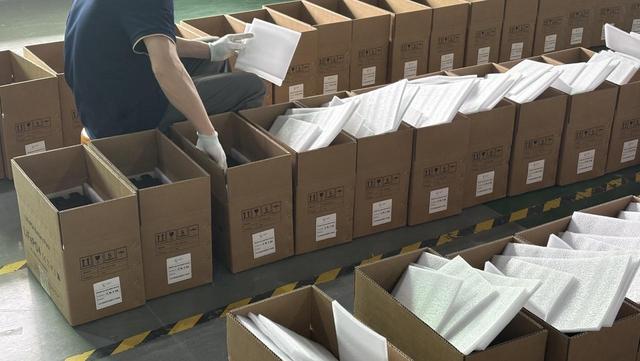
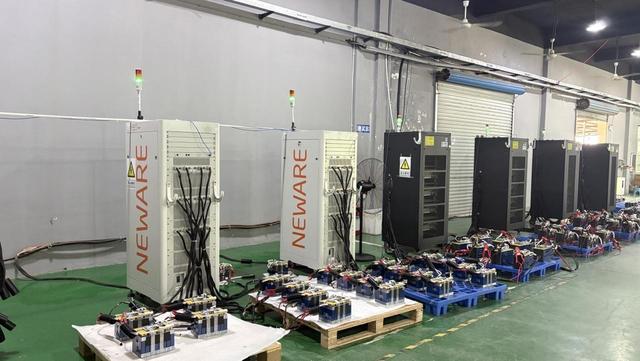
Our industrial production lines comply with all safety mandates required for importation into Great Britain and Northern Ireland, including UN38.3 transport testing, CE certifications, UKCA standards, and RoHS environmental directives.
Shenzhen GAF Energy Co., Ltd. is a professional Lithium Battery Manufacturer | LiFePO4, Energy Storage & Renewable Power Solutions dedicated to delivering advanced energy storage technologies for residential, commercial, industrial, and renewable energy applications worldwide. With a focus on innovation, safety, and sustainability, the company provides high-performance lithium battery solutions that support the growing global demand for clean and reliable energy.
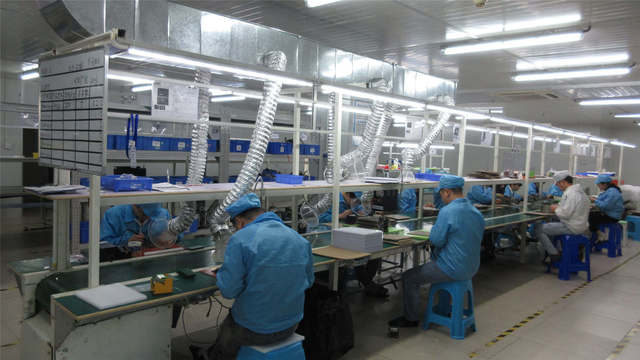
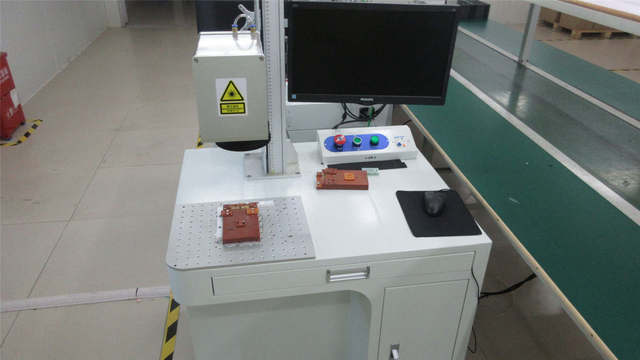
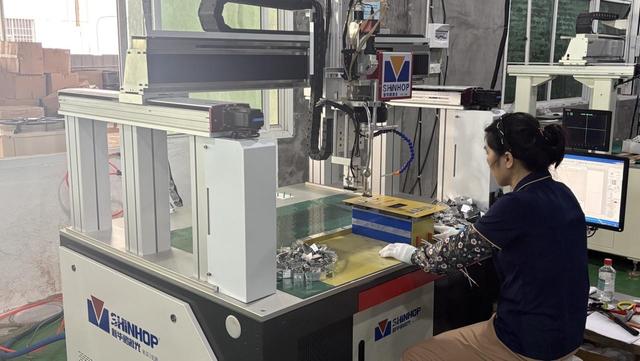
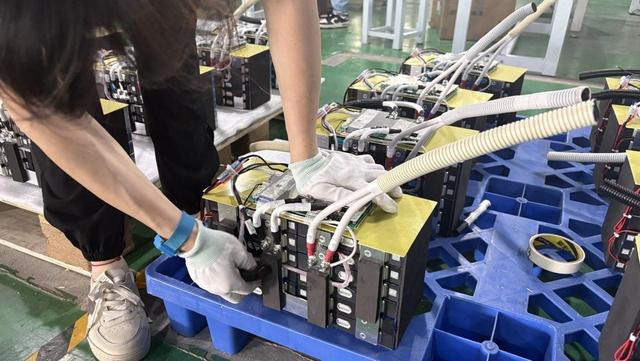
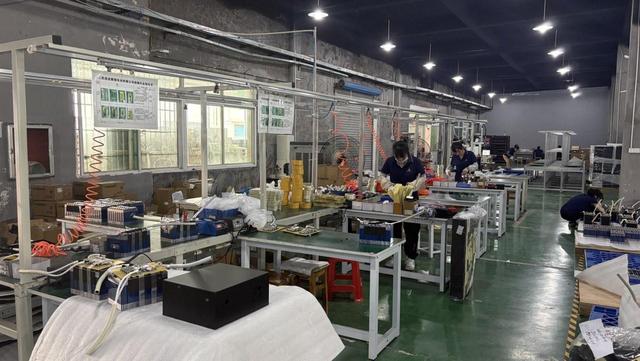
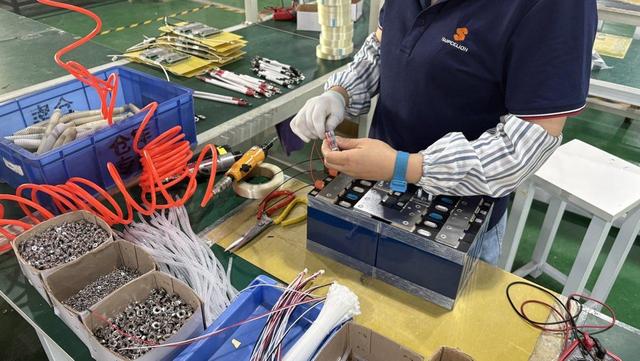
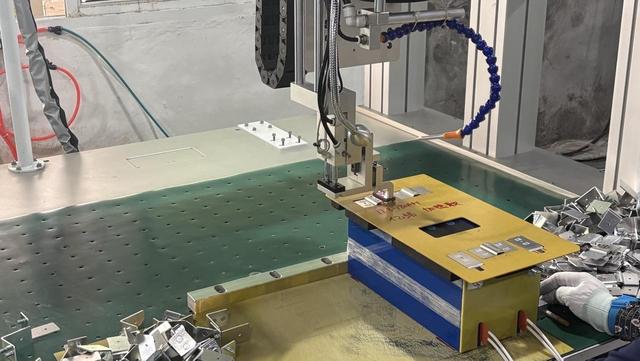
Headquartered in Shenzhen, China, GAF Energy operates modern manufacturing facilities equipped with advanced production equipment, automated assembly lines, and comprehensive quality management systems. The company specializes in the research, development, and production of LiFePO4 batteries, lithium-ion battery systems, residential energy storage batteries, commercial and industrial energy storage systems (ESS), solar storage batteries, rack-mounted battery systems, high-voltage battery solutions, and customized battery packs.
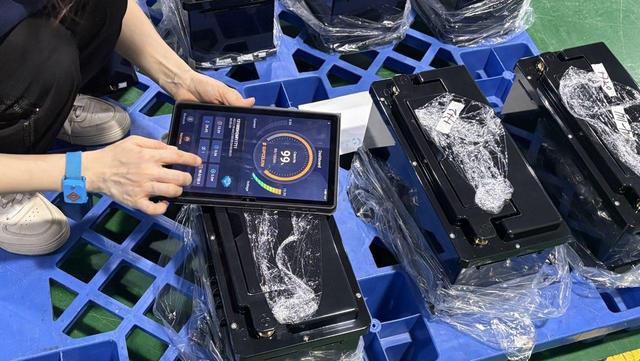
GAF Energy places strong emphasis on product quality and technological innovation. By utilizing premium battery cells, intelligent battery management systems (BMS), and rigorous testing procedures, the company ensures excellent safety, long cycle life, stable performance, and high energy efficiency. Every battery system is designed to meet the demanding requirements of renewable energy integration, backup power applications, and modern energy management solutions.
In addition to standard product offerings, GAF Energy provides comprehensive OEM and ODM services for distributors, energy solution providers, solar installers, system integrators, and private-label brands. From product design and engineering to manufacturing and technical support, the company delivers flexible solutions tailored to specific project requirements. Serving customers across North America, Europe, Australia, Southeast Asia, Africa, and the Middle East, Shenzhen GAF Energy Co., Ltd. has established long-term partnerships based on product reliability, competitive pricing, and responsive customer service. Committed to accelerating the transition toward sustainable energy, the company continues to invest in advanced battery technologies and renewable energy innovations, helping customers achieve greater energy independence and long-term environmental benefits.
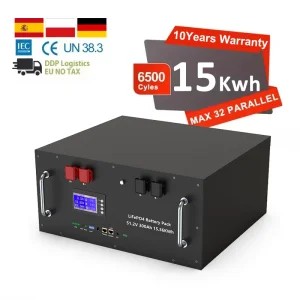
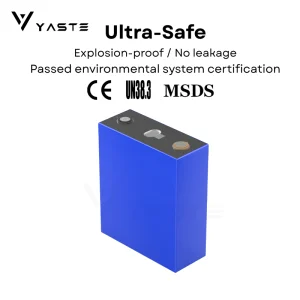
Explore our full range of LiFePO4 battery packs, prismatic cells, and smart solar storage modules.
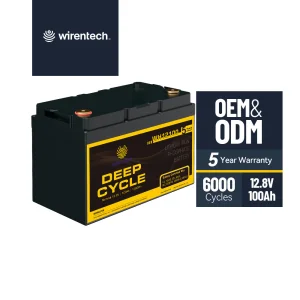
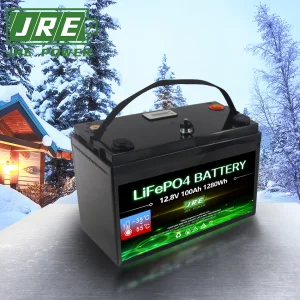
Comprehensive responses detailing the engineering, safety certifications, and design rules for importing LiFePO4 into the UK market.
LiFePO4 (Lithium Iron Phosphate) offers the optimal balance of safety, thermal stability, and cycle life. NMC (Nickel Manganese Cobalt) chemistries, while dense, carry risks of thermal runaway if compromised and typically yield only 500 to 1,000 cycles. LTO (Lithium Titanate) offers extreme longevity but is too heavy and costly for standard RV applications. LiFePO4 delivers 4,000+ cycles at 80% Depth of Discharge (DoD) and operates safely within closed leisure vehicle spaces without risk of structural fires.
Charging a lithium battery below 0°C causes lithium ions to plate onto the anode surface, creating metallic dendrites that permanently degrade the battery or cause short circuits. Our self-heating models address this using a built-in sensor. When a charging current (from solar panels, shore power, or an alternator) is detected, the BMS diverts this current to integrated low-draw heating elements wrapping the cells, raising internal temperatures to a safe 5°C before permitting current to flow into the cells.
Yes. Our standard RV battery lines are engineered with a heavy-duty BMS that supports configurations up to 4 units in series (creating a 48V system) and up to 4 units in parallel (increasing overall capacity). When designing large banks, it is vital to use batteries of the identical batch, capacity, and charge level, ensuring connection cables are identical in length and cross-section to maintain balance.
To satisfy UK customs regulations and insurance guidelines, lithium battery shipments must have UN38.3 test report certification (for safe lithium transport), MSDS paperwork, CE directives compliance, and the new UKCA (UK Conformity Assessed) certification. Additionally, products must abide by the RoHS Directive to verify no toxic materials are present in the structural composition. GAF Energy supplies complete technical documentation and testing dossiers for each shipment.