GAF Energy
GAF Energy
GAF Energy
Engineered for extreme reliability, maximum energy efficiency, and direct compatibility with Japanese utility systems.
The Greater Tokyo Area, as the economic heartbeat of Japan, faces unique energy challenges characterized by high-density urban infrastructure, soaring real-estate costs, and strict environmental regulations. The Tokyo Metropolitan Government (TMG) has set ambitious goals under its "Zero Emission Tokyo" strategy, aiming to reduce greenhouse gas emissions by 50% from 2000 levels by 2030 and phase out fossil-fuel reliance completely by 2050.
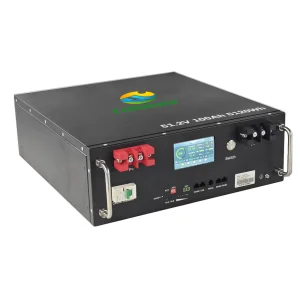
In this context, decentralized energy storage system (BESS) deployments are transitioning from simple emergency backup units to vital grid-interactive assets. With the implementation of the new solar mandate for buildings starting April 2025, commercial buildings, industrial warehouses in Kanto, and residential complexes must maximize on-site solar generation and self-consumption. Rack-mounted lithium-ion batteries represent the core technology supporting this transformation due to their high space efficiency, scalability, and modular maintenance profiles.
Furthermore, Tokyo’s electricity grid, operated under Tokyo Electric Power Company (TEPCO), has experienced significant stress during peak summer and winter periods. Peak shaving using Smart Rack-Mounted Batteries enables enterprises to hedge against rising peak demand charges and secure grid stabilization incentives (Demand Response). High-capacity LiFePO4 systems integrated with high-efficiency inverters provide instantaneous load management, ensuring seamless operation for high-reliability sectors such as IT operations, cold-chain logistics, and automated manufacturing.
Understanding the architectural transition of lithium-ion systems in highly regulated industrial environments.
Lithium Iron Phosphate (LFP) remains the industry gold standard for stationary energy storage due to its exceptional thermal stability and non-combustive cell structure. Under thermal abuse tests, LFP cells do not experience explosive oxygen release, minimizing fire propagation risks in high-density installations.
Modern system architectures demand precise Cell-to-BMS communication. Real-time active balancing reduces voltage deviations between individual cells down to less than 2mV, significantly prolonging battery lifespan. Advanced communication support for RS485, CAN, and Modbus ensures compatibility with Japanese power converters.
Transitioning from standard low-voltage 48V residential setups to high-voltage (>400V) stacks is the primary roadmap for commercial systems. Serial stacking improves overall round-trip efficiency (RTE) by minimizing current load and eliminating heavy cable setups, decreasing thermal distribution loss.
How GAF Energy designs high-capacity battery architectures to power critical grid configurations and micro-utility setups.
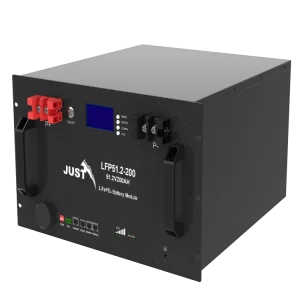
Tokyo represents one of the largest data center clusters in the Asia-Pacific region. These facilities require ultra-reliable UPS backup systems that can trigger within milliseconds of power disruption. Rack-mounted standard 19-inch battery packs provide seamless space integration, high energy density, and hot-swappable maintenance without causing data center downtime.
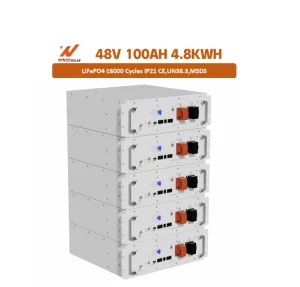
By utilizing high-voltage stackable LiFePO4 rack battery configurations, companies in Tokyo can store excess solar power generated during peak sun hours and discharge during high-tariff periods. This load-leveling mechanism significantly reduces maximum contract demand penalties from utility companies.
Importing energy storage systems into Japan requires strict compliance with domestic safety laws. The Electrical Appliance and Material Safety Act (DENAN Law) regulates battery packs entering the country. Systems used for residential applications must hold the PSE Circle Mark, proving conformity with appendix 9 or 12 testing guidelines.
For large-scale, high-voltage commercial applications, compliance with JIS C 8712 (safety requirements for portable sealed secondary cells) and JIS C 8715-2 (secondary lithium cells and batteries for use in industrial applications) is paramount. These protocols verify the performance and stability of battery modules under extreme physical stress, thermal exposure, drop tests, and short-circuit conditions.
Additionally, the Tokyo Metropolitan Fire Prevention Ordinance regulates the installation of stationary storage batteries with a capacity exceeding 4,800Ah. Facilities must design appropriate spatial layouts, fire isolation containment, and maintain structural distances from fire hazards. GAF Energy works closely with local Japanese engineering firms and distributors, supplying necessary test documentation, MSDS, and UN38.3 transport safety verification to streamline project approval and permitting processes.
Premium manufacturer supplying high-performance energy storage platforms worldwide.
Shenzhen GAF Energy Co., Ltd. is a professional Lithium Battery Manufacturer | LiFePO4, Energy Storage & Renewable Power Solutions dedicated to delivering advanced energy storage technologies for residential, commercial, industrial, and renewable energy applications worldwide. With a focus on innovation, safety, and sustainability, the company provides high-performance lithium battery solutions that support the growing global demand for clean and reliable energy.
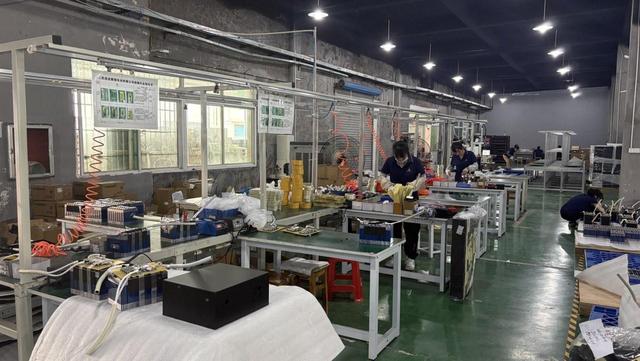
Headquartered in Shenzhen, China, GAF Energy operates modern manufacturing facilities equipped with advanced production equipment, automated assembly lines, and comprehensive quality management systems. The company specializes in the research, development, and production of LiFePO4 batteries, lithium-ion battery systems, residential energy storage batteries, commercial and industrial energy storage systems (ESS), solar storage batteries, rack-mounted battery systems, high-voltage battery solutions, and customized battery packs.
GAF Energy places strong emphasis on product quality and technological innovation. By utilizing premium battery cells, intelligent battery management systems (BMS), and rigorous testing procedures, the company ensures excellent safety, long cycle life, stable performance, and high energy efficiency. Every battery system is designed to meet the demanding requirements of renewable energy integration, backup power applications, and modern energy management solutions.
In addition to standard product offerings, GAF Energy provides comprehensive OEM and ODM services for distributors, energy solution providers, solar installers, system integrators, and private-label brands. From product design and engineering to manufacturing and technical support, the company delivers flexible solutions tailored to specific project requirements.
Serving customers across North America, Europe, Australia, Southeast Asia, Africa, and the Middle East, Shenzhen GAF Energy Co., Ltd. has established long-term partnerships based on product reliability, competitive pricing, and responsive customer service. Committed to accelerating the transition toward sustainable energy, the company continues to invest in advanced battery technologies and renewable energy innovations, helping customers achieve greater energy independence and long-term environmental benefits.
Ensuring precision fabrication, zero-defect battery matching, and swift delivery to the Tokyo Metropolitan Area.
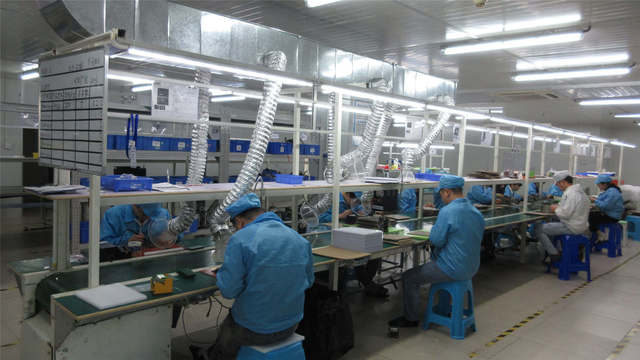
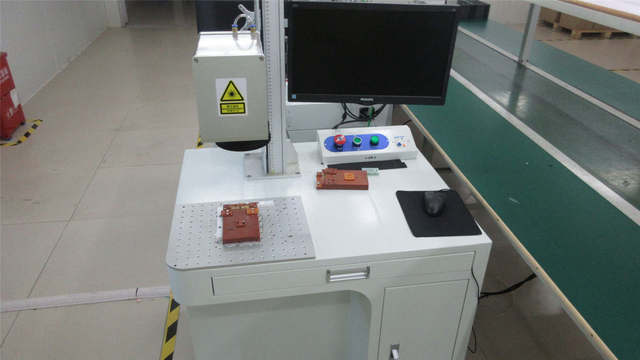
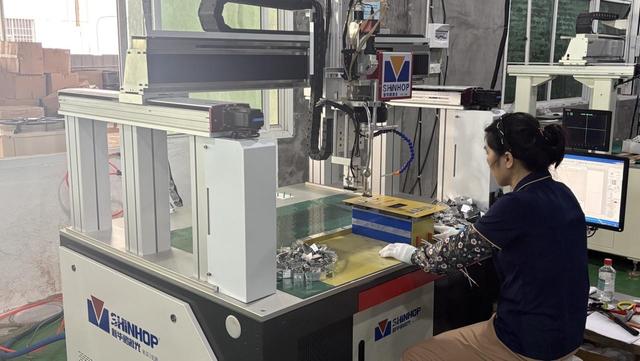
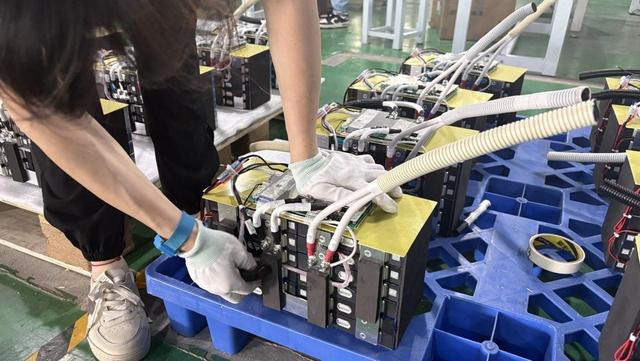
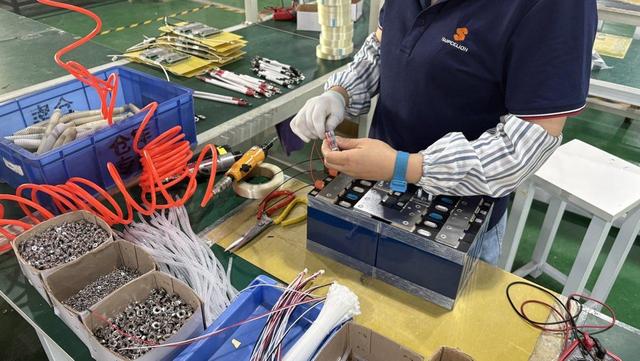
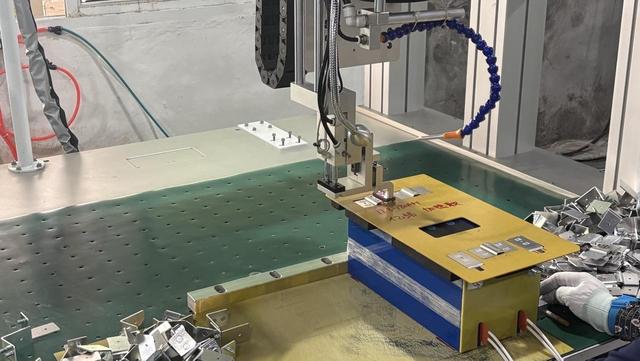
By leveraging advanced automated assembly lines in our Shenzhen plant, GAF Energy achieves exceptional consistency across all production batches. Every single battery cell undergoes pre-sorting, matching capacity, internal resistance, and voltage levels to ensure high-performance cell balancing. Automated laser welding creates robust connections to withstand mechanical strain during transport and long-term operation.
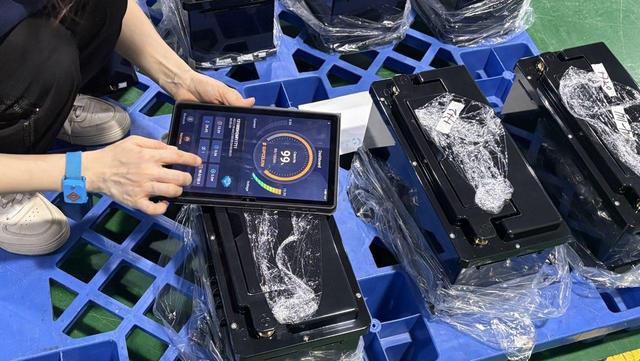
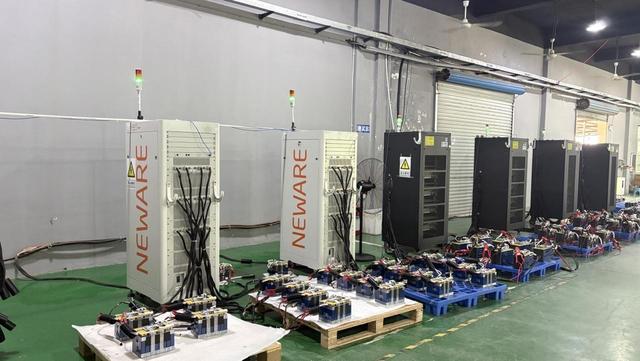
Our Quality Management System operates under ISO 9001 and ISO 14001 guidelines. Advanced testing systems perform end-of-line (EOL) electrical checks, high-voltage insulation tests, and complete charge-discharge aging cycles inside computerized chambers before final packaging. This rigorous testing minimizes system failures and ensures long-term operational safety in demanding projects.
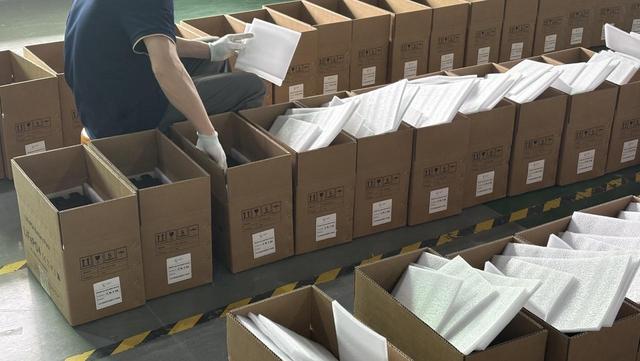
With our proximity to Shenzhen and Hong Kong ports, GAF Energy offers efficient shipping times to Tokyo and Yokohama terminals. We handle dangerous goods (Class 9) export documentation and compliance, ensuring safe and reliable delivery to your job sites or warehouses.
| Production Stage | Automation Technology | Quality Target |
|---|---|---|
| Cell Sorting | High-Speed Voltage/IR Sorter | ΔV < 2mV, ΔR < 0.3mΩ |
| Laser Welding | 6-Axis CNC Laser Station | 100% Weld Strength Testing |
| BMS Integration | Automatic Circuit Profiler | Zero Communication Failures |
| System Aging | Fully Automated Chamber Testing | 100% Capacity Verification |
A structured framework to optimize Total Cost of Ownership (TCO) and reduce risk during importing and engineering deployment.
Ensure the selected battery models support your specific inverter communications. GAF Energy's engineers will assist in setting up protocol matching (Modbus/CAN/RS485) to avoid onsite system integration delays.
Analyze high-cycle battery capabilities against lower-cost alternatives. Our 6000-10000 cycle rating at 80% DOD guarantees a long lifetime, lowering overall replacement costs for long-term installations.
We provide complete compliance documentation, including UN38.3 test reports and MSDS. This streamlines import declarations at Tokyo Port (Ohi/Yokohama terminals) and prevents delays during clearing.
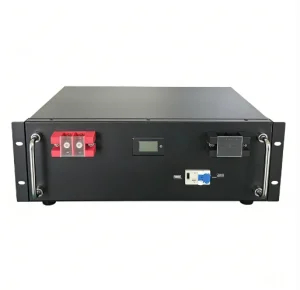
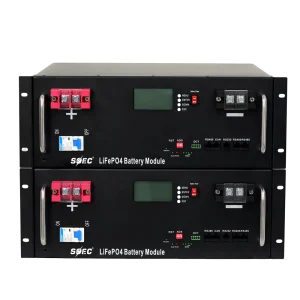
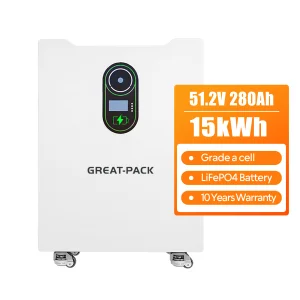
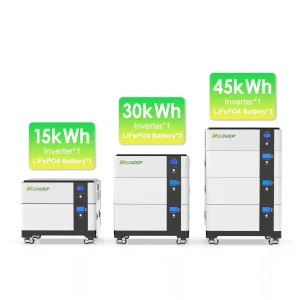
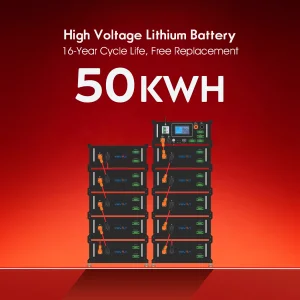
Premium solutions for diverse residential, commercial, and industrial power demands.
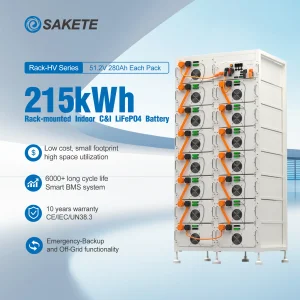
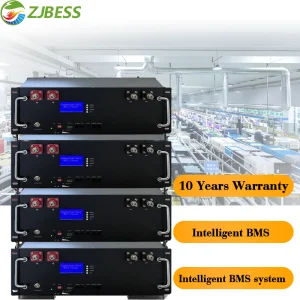
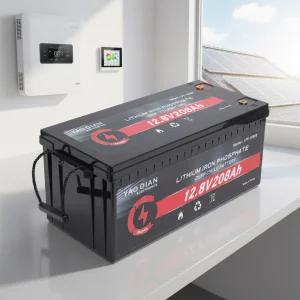
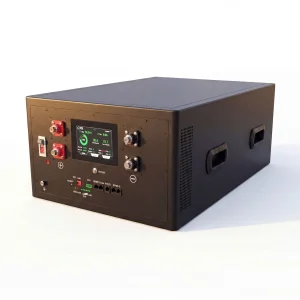
Essential information regarding design standards, regulatory compliance, and system safety in Japan.
Yes. GAF Energy designs and manufactures battery packs using certified premium cells. For residential BESS integration, we offer configurations that conform to the PSE safety standards under the DENAN Law, and our industrial cells are tested in accordance with JIS C 8715-2 for thermal stability and abuse tolerance.
The battery system's integration depends on the Smart BMS communication protocols, which interface directly with local Japanese inverter brands (e.g., Omron, Tabuchi, Kyocera). The battery DC output matches the inverter's input parameters, ensuring seamless synchronization with TEPCO's 50Hz grid requirements.
Our lithium batteries utilize high-stability LiFePO4 chemistry, which inherently possesses a higher thermal runaway threshold compared to NCM chemistries. The systems include multi-layer protections: cell-level safety vents, integrated BMS over-voltage and over-temperature shutoffs, and options for modular aerosol fire suppression inside the cabinets.
Yes. According to the Tokyo Metropolitan Fire Prevention Ordinance, stationary battery storage facilities with an aggregate capacity exceeding 4,800Ah-equivalent (approximately 17.7kWh or 24V/30kWh depending on exact calculations) must file a declaration with the local fire department and adhere to specific spacing and barrier criteria. GAF Energy can provide standard drawings and cell safety datasheets to support this documentation.
Yes. In addition to our standard products, we provide OEM and ODM design and manufacturing services for distributors, solar installers, system integrators, and private-label brands. This covers custom dimensions, modified BMS software parameters, personalized branding, and specific certification assistance.
Our high-capacity LiFePO4 battery modules are designed to provide between 6,000 and 10,000 charge/discharge cycles at 80% Depth of Discharge (DOD) under standard operating temperatures (25°C). This translates to over 15 years of daily cycling for commercial load shifting or solar integration.
Contact our technical sales team to receive customized product drawings, specifications, price lists, and compliance documents for your Tokyo energy storage projects.