GAF Energy
GAF Energy
GAF Energy
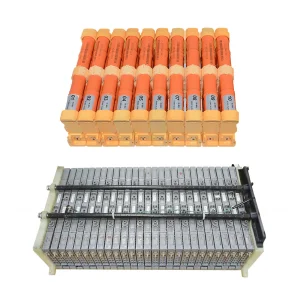
Engineered for high thermal tolerance, extended cycle life, and optimized energy densities required for heavy-duty transit and hybrid vehicles operating in Istanbul's demanding municipal transit sectors.
Analyzing Turkey's primary logistics hub and metropolitan electrification strategy in alignment with E-E-A-T principles.
Istanbul, as the primary economic locomotive of Turkey, is undergoing an unprecedented green transformation. Driven by the national commitment to achieve zero emission goals and supported by local municipal initiatives like the Istanbul Metropolitan Municipality (IBB) Sustainable Urban Mobility Plan, the demand for stable, high-capacity, and long-cycle Lithium Iron Phosphate (LiFePO4) and Lithium-ion batteries has escalated. The city's massive Metrobüs transit line, crossing the Bosphorus, and its extensive network of municipal public buses require localized energy storage solutions capable of handling rapid charge rates and high mechanical shock resistance.
In addition, Turkey’s domestic EV initiatives, spearheaded by the consortium behind TOGG, have created a massive local supply chain hub centered in the Marmara Region, bordering Istanbul. This development acts as a catalyst for battery assembly facilities, industrial energy storage deployment, and retrofitting services. Companies looking for high-quality manufacturers in Istanbul seek custom-engineered solutions that conform to stringent European standards (ECE R100, ECE R10, CE, and UN38.3 certifications) to serve both domestic and EU-destined electric vehicle assembly lines.
Rapid growth of electric cargo trikes, two-wheelers, and last-mile delivery services across Istanbul's dense, historical grid layouts (such as Eminönü and Kadıköy).
Seamless alignment with the technical standards needed for the Turkish Customs Union and European trade routes, requiring reliable battery management safety features.
Developing specialized water-resistant and marine-grade deep cycle batteries for commercial ferry lines navigating the Bosphorus strait.
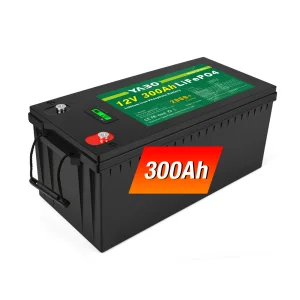
For manufacturers serving the Istanbul market, navigating the global shift toward LiFePO4 (Lithium Iron Phosphate) chemistry is paramount. Compared to traditional Lead-Acid or even standard NMC (Nickel Manganese Cobalt) chemistries, LFP cells deliver unmatched safety metrics, zero risk of thermal runaway, and up to 3500–6000 cycles at 80% Depth of Discharge (DoD). This matches perfectly with the economic profiles of Istanbul-based municipal transit authorities and industrial warehouses, where longevity translates directly to reduced operational costs (TCO).
Supplying globally recognized, ultra-stable LiFePO4 cells and customized energy storage setups directly to Turkish partners and commercial assembly houses.
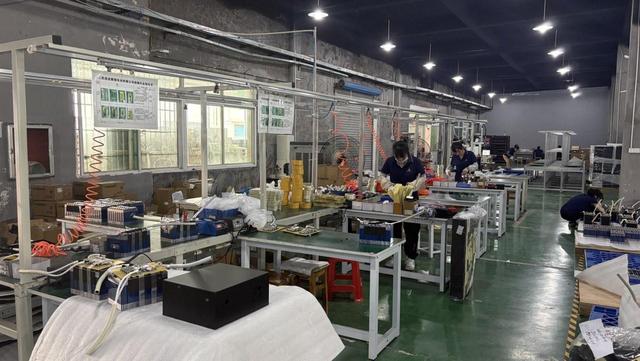
Shenzhen GAF Energy Co., Ltd. is a leading manufacturer specializing in Lithium Battery Packs, LiFePO4 solutions, and integrated Smart BMS. Working in tandem with local industrial integrators in Istanbul’s industrial parks (such as İkitelli OSB and Dudullu OSB), GAF Energy supplies custom battery solutions designed for heavy-duty electric trucks, commercial hybrid transport buses, and automated guided vehicles (AGVs) operating in key Turkish logistics ports.
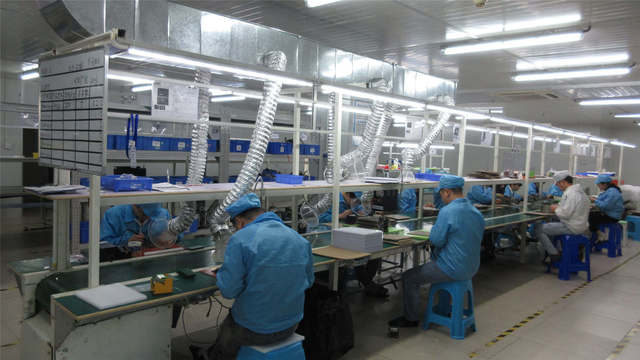
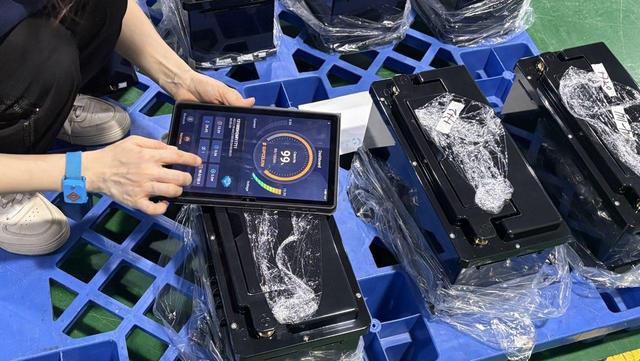
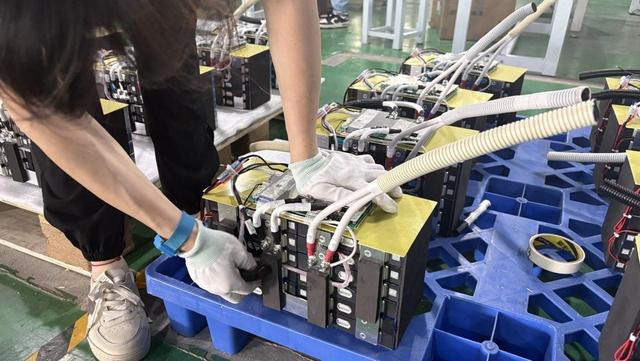
Every unit produced by Shenzhen GAF Energy Co., Ltd. incorporates intelligent Battery Management Systems (BMS), ensuring cells operate safely within optimum parameters. Our engineering facilities customize high-voltage rack setups, commercial Energy Storage Systems (ESS), and portable EV replacement packs with meticulous quality control protocols.
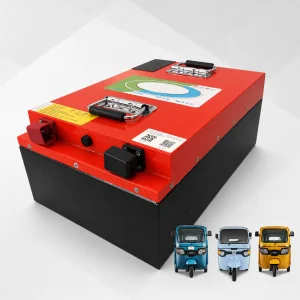
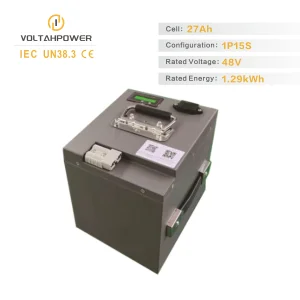
Whether configured for 48V forklift battery installations in Turkey’s large-scale ports (Ambarlı Port) or customized 72V tricycle modules for urban cargo logistics in Istanbul, GAF Energy utilizes advanced cell matching technology. Every module experiences physical stress tests, cyclic validation, and insulation inspections to exceed EU certifications.
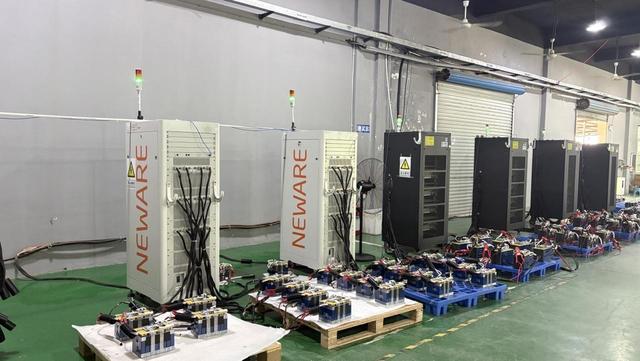
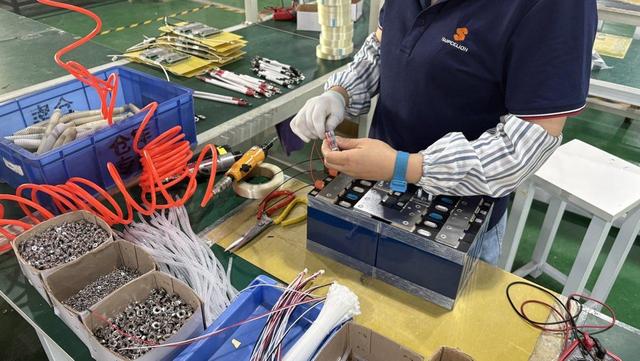
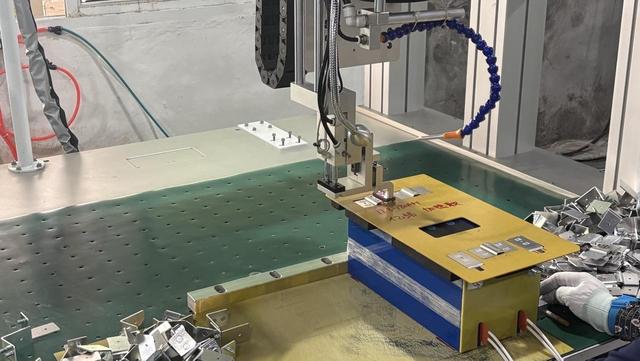
A B2B technical overview of emerging cell chemistries, solid-state integration, and active heat dissipation for Turkish buyers.
As urban temperatures in the Marmara Region shift and city routes become more complex, the thermal management of traction battery packs has taken center stage. In particular, heavy-duty applications (such as electric cargo transit and municipal utility vehicles operating in the steep areas of Beyoğlu and Beşiktaş) place extensive stresses on standard configurations. GAF Energy's ongoing integration of smart temperature monitoring and multi-stage active cooling structures prevents overheating and cell imbalance.
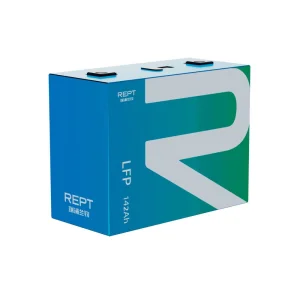
Furthermore, our development pathway includes next-generation high-density prismatic cells, designed to reduce the physical footprint of the battery pack while maintaining the high safety standards of traditional LiFePO4 chemistry. Below is a structured analysis comparing technologies deployed across typical municipal fleets in Istanbul:
Cycle Life: 3500 - 6000 cycles
Thermal Stability: Critical limit up to 60°C without degassing.
Primary Use Cases: Public transit buses, electric marine vessels, urban delivery tricycles, and warehouse forklifts operating in Tuzla Port and Hadımköy logistics hubs.
Cycle Life: 1500 - 2500 cycles
Thermal Stability: Medium; requires advanced cooling plates.
Primary Use Cases: High-performance light electric cars, commuter transit vehicles needing long ranges, and spaces where physical dimensions are highly restricted.
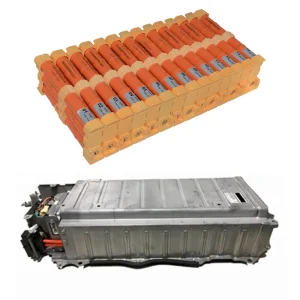
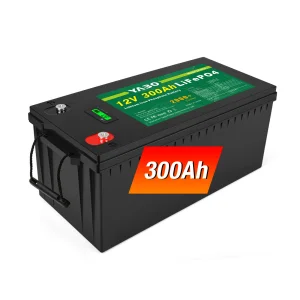
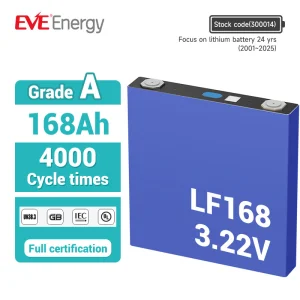
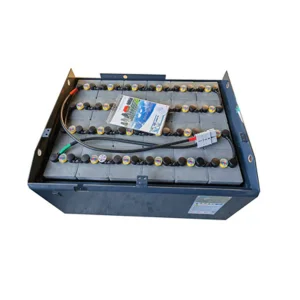
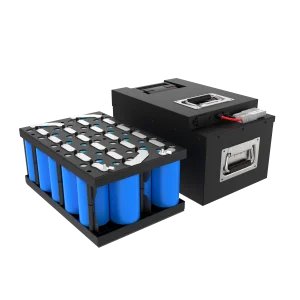
Explore our targeted product range optimized for industrial transport, heavy-duty passenger vehicles, and urban delivery electric platforms across Istanbul.
Direct answers regarding custom specifications, logistic clearance, and thermal compliance from our design team.
To clear customs in Turkey and satisfy TSE (Turkish Standards Institution) guidelines, EV battery imports must comply with ECE R100 (safety requirements for electric powertrains) and UN38.3 test summaries for transportation. In addition, standard CE markings and detailed MSDS reports are required. Shenzhen GAF Energy supplies complete technical documentation packages with all orders to ensure smooth customs clearance in Turkey.
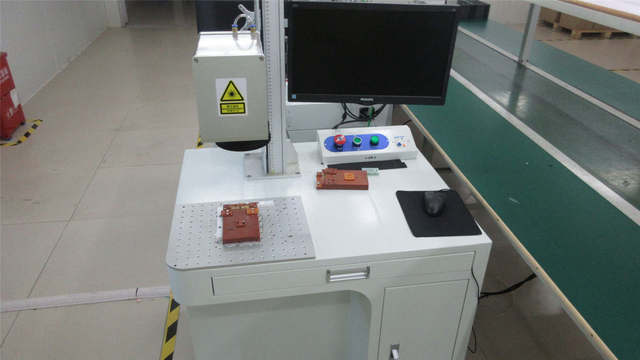
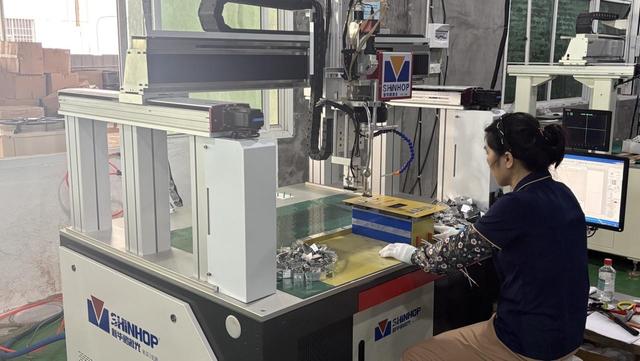
Our manufacturing workflow employs 100% automated capacity sorting, internal resistance measurements, and software-driven passive/active balancing integrated directly into our Smart BMS. This prevents individual cell degradation, extending the pack life of our LiFePO4 cells to 3500-6000 cycles, depending on depth of discharge profiles.
Yes. Through our comprehensive ODM services, we design battery enclosures to IP67/IP68 water ingress standards, which are critical for marine propulsion and local shuttle bus projects. We tailor dimensions, nominal voltages (ranging from 48V to high voltage 400V/500V systems), and peak discharge rates according to the mechanical specifications of your application.
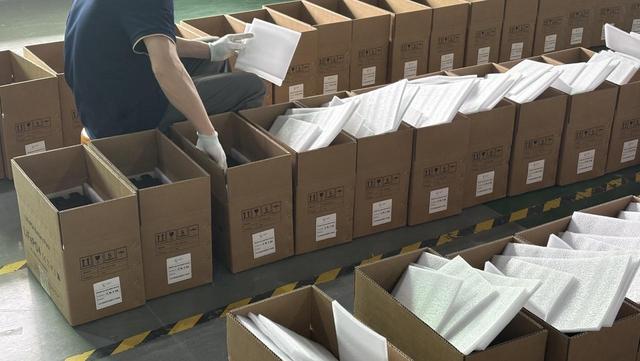
Depending on custom engineering complexity and cell availability, assembly takes between 25 to 40 days. Ocean freight shipments from Shenzhen to the Port of Ambarlı or Haydarpaşa in Istanbul take approximately 25-30 transit days. Airfreight options are available for urgent development prototypes and replacement cells.