GAF Energy
GAF Energy
GAF Energy
Direct supply paths from automated production lines to Athens, Thessaloniki, Patras, and the Aegean Islands. Explore our top engineering specifications designed for reliability and optimal efficiency.
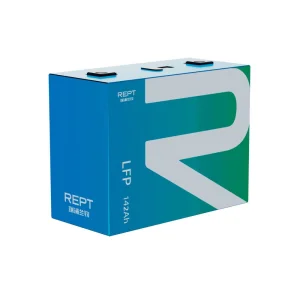
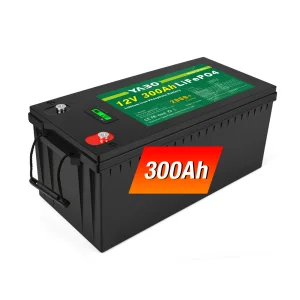
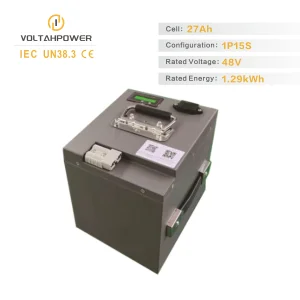
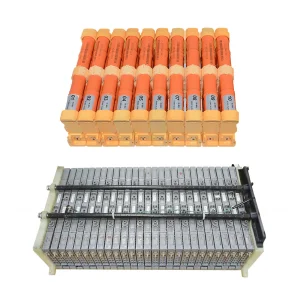
Greece is currently undertaking one of Southern Europe's most ambitious decarbonization programs. Driven by the National Energy and Climate Plan (NECP) and supported by European Union transition funding, the nation is actively phasing out lignite power plants while transitioning municipal, passenger, and commercial transit to clean electric power. A key cornerstone of this transition is the optimization of electric vehicle (EV) batteries and large-scale stationary energy storage systems (ESS).
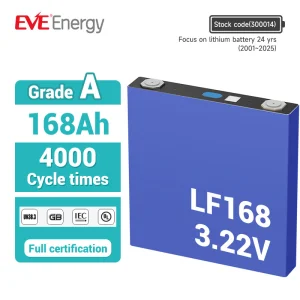
Notable initiatives, such as the smart and sustainable transformation of islands like Astypalea and Chalki, have demonstrated the viability of integrating localized EV fleets with smart grid technology. These micro-grid deployments demand battery chemistries that exhibit thermal stability, prolonged cycle life, and absolute reliability under high ambient temperatures. The deployment of municipal electric buses in metropolitan hubs like Athens and Thessaloniki further intensifies the need for specialized suppliers capable of providing high-capacity, heavy-duty prismatic cells, such as Lithium Iron Phosphate (LiFePO4) and advanced Lithium Nickel Manganese Cobalt Oxide (NMC) configurations.
On a global scale, the battery supply chain is evolving rapidly. While original equipment manufacturers (OEMs) look toward localization of battery production within European borders, high-capacity cell production still relies heavily on the advanced chemical processing clusters of East Asia. Greek project developers, shipbuilders, municipal transit operators, and battery pack integrators require structural pipelines to reliable manufacturing facilities that can offer extensive compliance with strict EU safety guidelines (such as the EU Battery Passport, CE, IEC 62619, and UN38.3).
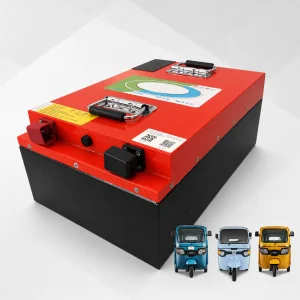
Localized scenarios in Greece include marine hybrid retrofitting for regional Aegean ferry links, the integration of forklift battery packs within regional logistic centers near Patras, and the deployment of three-wheeled cargo trikes within dense historical tourist sectors. Each of these applications requires different design inputs—such as compact footprints, rapid cooling design, high continuous discharge rates, or marine-grade enclosure sealing.
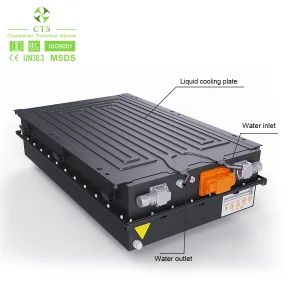
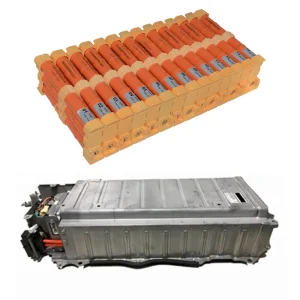
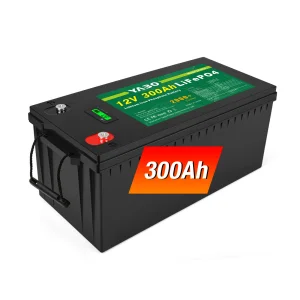
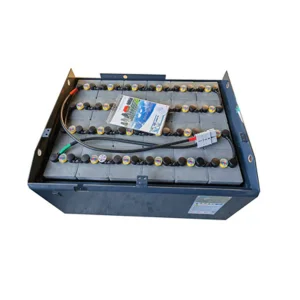
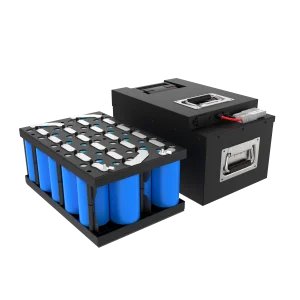
Specialized high-capacity configurations engineered for logistics, light passenger commuter systems, and hybrid marine installations.
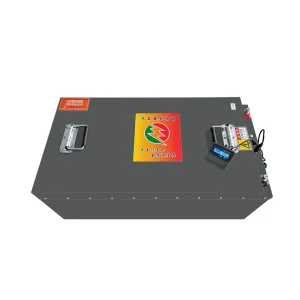
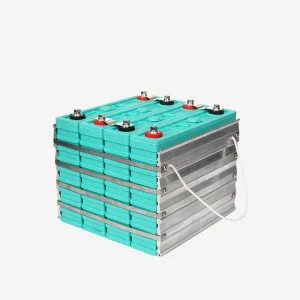
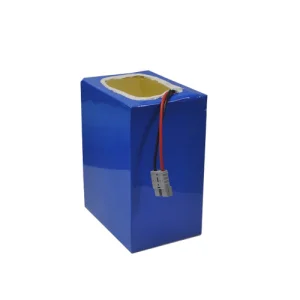
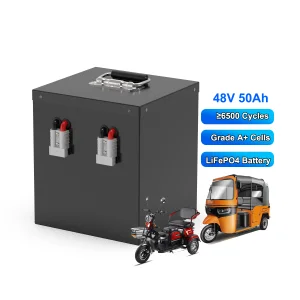
The global market for advanced battery production is dominated by clusters that integrate chemical engineering, raw material refinement, and electronics assembly. The Shenzhen technology sector stands as a prime example of this vertical integration. Leveraging this infrastructure, manufacturers can realize substantial efficiency advantages: high-throughput electrode coating, micron-level precision positioning during prismatic winding, automated cell testing and sorting, and optimized production cost structures.
By cooperating directly with specialized battery suppliers located within these electronics hubs, Greek engineering companies and procurement managers bypass high local production premiums. Instead, they access highly verified manufacturing lines that focus on strict battery chemistry optimization.
Shenzhen GAF Energy Co., Ltd. is a professional Lithium Battery Manufacturer | LiFePO4, Energy Storage & Renewable Power Solutions dedicated to delivering advanced energy storage technologies for residential, commercial, industrial, and renewable energy applications worldwide. With a focus on innovation, safety, and sustainability, the company provides high-performance lithium battery solutions that support the growing global demand for clean and reliable energy.
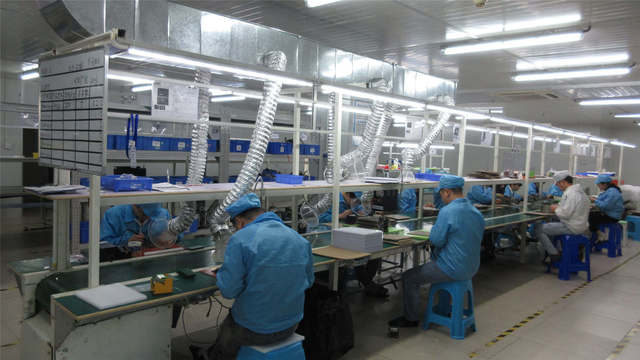
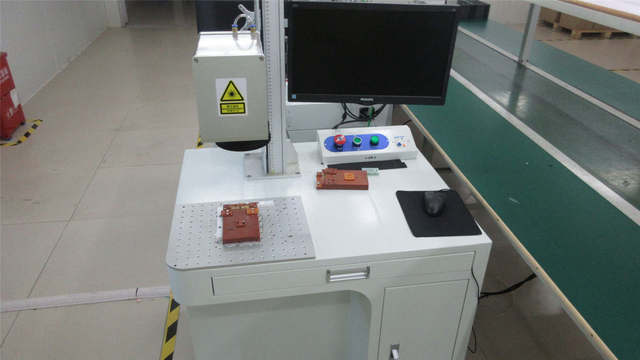
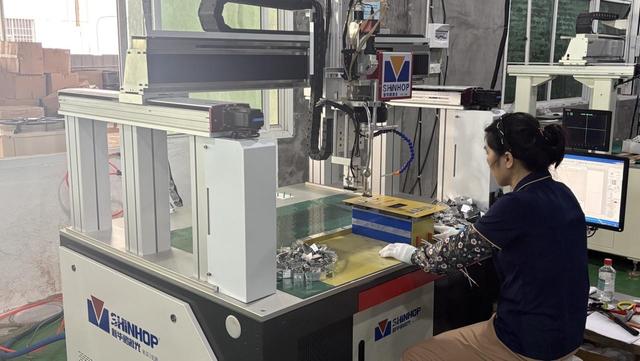
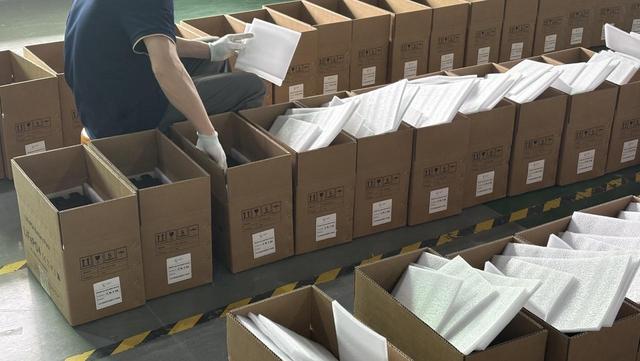
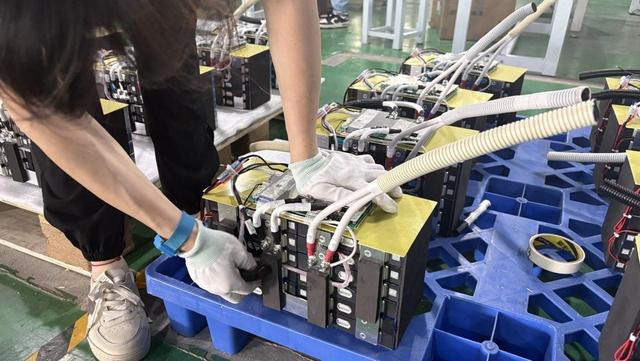
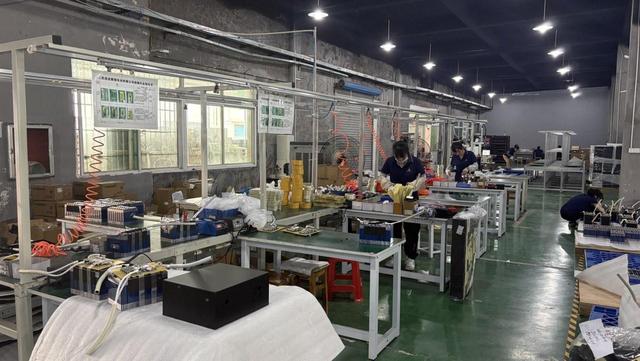
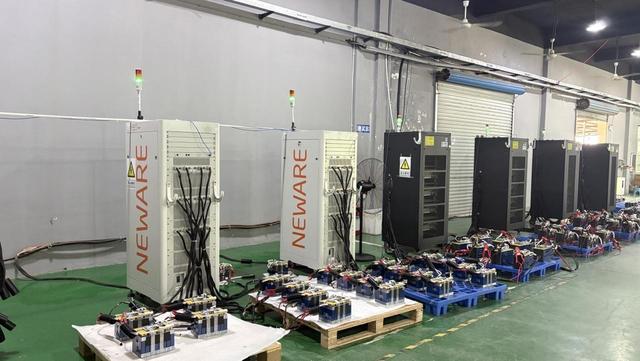
Headquartered in Shenzhen, China, GAF Energy operates modern manufacturing facilities equipped with advanced production equipment, automated assembly lines, and comprehensive quality management systems. The company specializes in the research, development, and production of LiFePO4 batteries, lithium-ion battery systems, residential energy storage batteries, commercial and industrial energy storage systems (ESS), solar storage batteries, rack-mounted battery systems, high-voltage battery solutions, and customized battery packs.
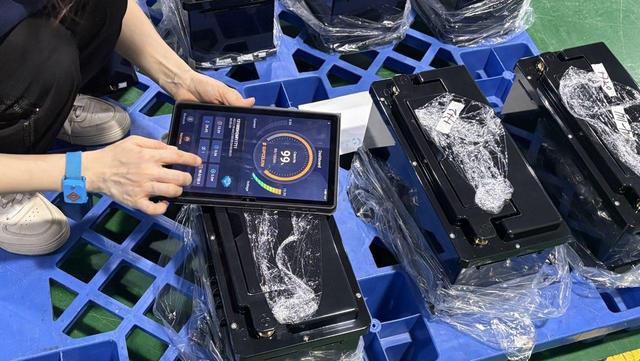
GAF Energy places strong emphasis on product quality and technological innovation. By utilizing premium battery cells, intelligent battery management systems (BMS), and rigorous testing procedures, the company ensures excellent safety, long cycle life, stable performance, and high energy efficiency. Every battery system is designed to meet the demanding requirements of renewable energy integration, backup power applications, and modern energy management solutions.
In addition to standard product offerings, GAF Energy provides comprehensive OEM and ODM services for distributors, energy solution providers, solar installers, system integrators, and private-label brands. From product design and engineering to manufacturing and technical support, the company delivers flexible solutions tailored to specific project requirements.
Serving customers across North America, Europe, Australia, Southeast Asia, Africa, and the Middle East, Shenzhen GAF Energy Co., Ltd. has established long-term partnerships based on product reliability, competitive pricing, and responsive customer service. Committed to accelerating the transition toward sustainable energy, the company continues to invest in advanced battery technologies and renewable energy innovations, helping customers achieve greater energy independence and long-term environmental benefits.
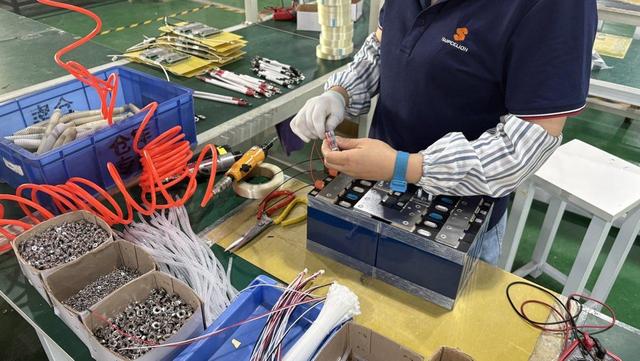
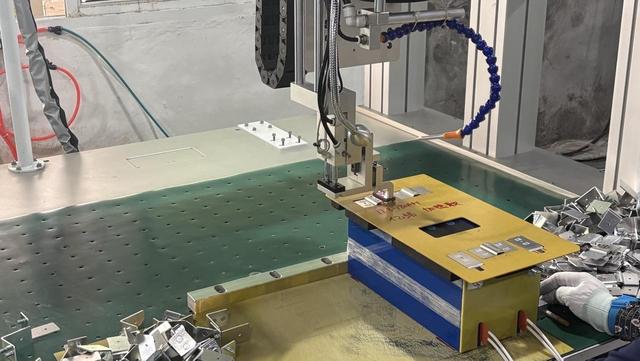
Remote islands in Greece operate under separate electrical micro-grids, traditionally powered by expensive, high-emission diesel generators. The transition toward hybrid solar-wind installations requires large-capacity battery energy storage systems (BESS). Prismatic LiFePO4 cells configured in 12.8V, 48V, or high-voltage commercial racks are the preferred choice. These systems store excess solar energy during mid-day peak generation periods and feed power back to the island grid during peak tourist evening hours, optimizing grid stability and energy independence.
Major logistical corridors, notably the Piraeus and Thessaloniki port facilities, manage thousands of freight movements daily. Warehouse logistics operators are rapidly phasing out traditional internal combustion or lead-acid industrial forklifts in favor of high-energy-density LiFePO4 traction batteries. The quick charging capabilities, minimal cooling requirements, and absence of toxic outgassing ensure continuous 24/7 port and warehouse logistics operations without structural safety overhead.
The implementation of the EU Battery Regulation introduces strict mandates concerning carbon footprint declarations, mandatory recycling quotas, and the "Battery Passport" electronic ledger. Suppliers serving Greece must transition to transparent tracing of battery materials. Technologically, the industry is shifting toward solid-state and high-voltage configurations to decrease charging times and enhance volumetric energy density. Intelligent BMS systems with Integrated Smart Communication protocols (such as CANbus or Modbus) allow fleet operators to execute preventative maintenance, optimizing the operational life expectancy of transport assets.
Technical answers to key procurement and engineering inquiries regarding battery integration in Southern Europe.
Direct wholesale catalog for Greek distributors, installers, and automotive engineering enterprises.