GAF Energy
GAF Energy
GAF Energy
Engineered specifically for the high-temperature demands, smart grids, and regional mobility demands of the Thailand Eastern Economic Corridor (EEC) and wider ASEAN markets.
Thailand is rapidly transforming from the traditional "Detroit of Asia" into a central hub for Electric Vehicle (EV) assembly and battery production within Southeast Asia. Under the Thai government's ambitious "30@30" policy, the nation aims to ensure that zero-emission vehicles constitute at least 30% of total domestic vehicle production by 2030. This policy has triggered massive infrastructure layouts and attracted tier-one global manufacturers to establish localized operations.
The industrial strategy focuses intensely on the Eastern Economic Corridor (EEC), spanning Chonburi, Rayong, and Chachoengsao provinces. These zones offer major tax breaks, streamlined import-export customs, and infrastructure specifically tailored for heavy-chemical and electronics manufacturing. At the heart of this shift is the need for localized Electric Vehicle Batteries Factories. Producing battery packs domestically helps automakers bypass heavy import duties on completed batteries, reduce international shipping risks, and ensure that custom form factors—critical for commercial logistics fleets and micro-mobility applications—can be quickly modified and delivered.
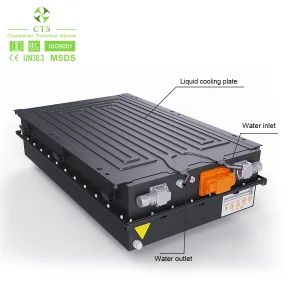
Operating lithium battery systems in tropical environments like Thailand poses severe engineering challenges. Sustained ambient temperatures frequently exceeding 38°C coupled with high relative humidity accelerate chemical degradation, degrade solid-electrolyte interphase (SEI) stability, and increase the risk of thermal runaway. To address these extreme localized operating conditions, industrial battery packs engineered by specialized developers must implement several customized safeguards:
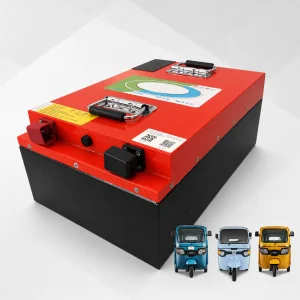
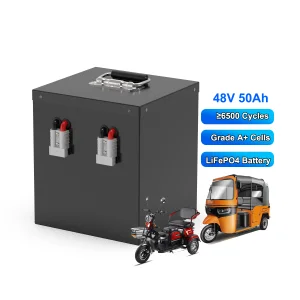
Furthermore, local applications such as the conversion of iconic Tuk-Tuks and heavy-duty logistics transport require ruggedized battery housings designed to withstand high mechanical vibrations and road-level heat radiating from concrete highways during midday traffic.
While Thailand builds up its domestic packaging and assembly infrastructure, the primary supply chain for raw materials, refined lithium, cathode/anode production, and smart BMS components remains heavily anchored in China. High-end Chinese manufacturers, led by Shenzhen GAF Energy Co., Ltd., play a vital role in providing the core supply chain resilience that makes Thailand’s EV localization cost-effective and scalable.
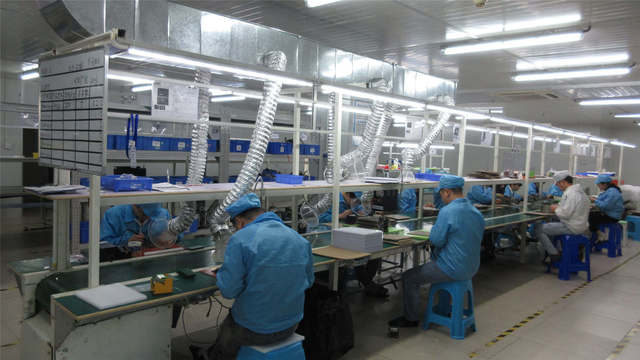
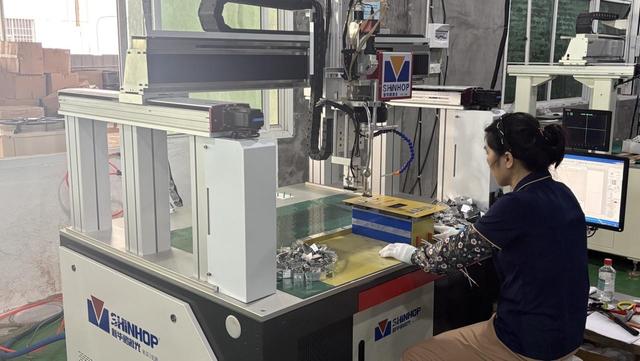
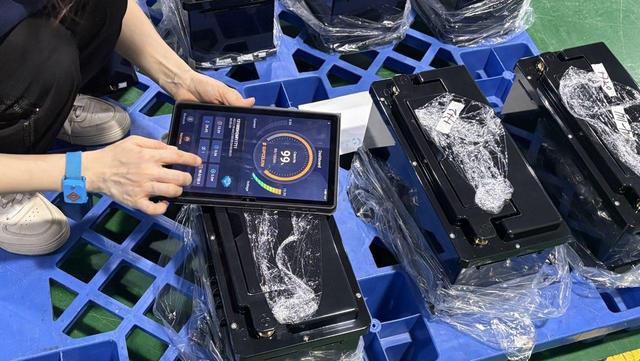
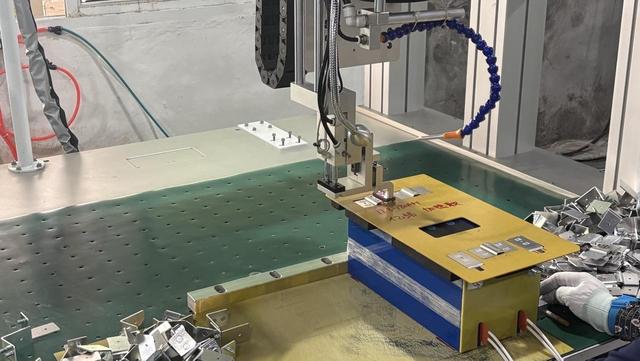
Shenzhen GAF Energy Co., Ltd. operates state-of-the-art manufacturing facilities equipped with automated cell grading, automatic laser welding, and fully integrated aging chambers in Shenzhen, China. By bridging advanced industrial engineering and R&D with the regional needs of the Southeast Asian automotive sector, GAF Energy offers key advantages:
Explore our industrial-grade automotive, commercial, and micro-mobility lithium packs engineered for maximum efficiency, thermal resilience, and cycle stability.
As the Thai industrial energy storage landscape matures, the focus is transitioning from simple lead-acid replacement to high-density, smart-grid integrated systems. Over the next decade, the technology roadmap for Thailand's EV and ESS markets will be characterized by key technological shifts:
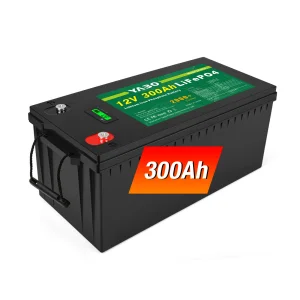
LFP remains the dominant chemistry for commercial transportation, material handling, and stationary energy storage in Thailand. Its superior thermal runaway threshold (around 270°C compared to NMC's ~210°C), absence of cobalt, and high cycle-life (3,500 to 6,000 cycles at 80% Depth of Discharge) match the strict budget and longevity constraints of local transport fleets and residential solar installers.
For high-end passenger electric cars, next-generation Lithium Manganese Iron Phosphate (LMFP) cells are being introduced to enhance energy density by up to 25% compared to standard LFP while maintaining structural safety. Concurrently, research centers in Chonburi's science parks are exploring solid-state batteries to eliminate liquid electrolytes entirely, rendering battery packs immune to thermal expansion in tropical climates.
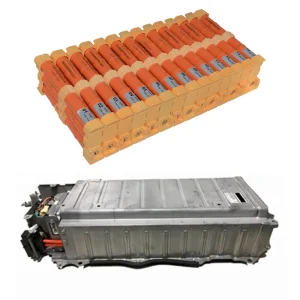
As the first wave of Thailand's hybrid and battery-electric vehicles reach end-of-life, recycling infrastructures are becoming mandatory. Standardized containerized storage systems will repurpose retired EV batteries as static grid support, buffering load curves during peak hours in heavily industrialized zones like Samut Prakan.
To market battery modules or build factory assemblies in Thailand, adherence to national and international testing standards is paramount for building trust and ensuring user safety. The primary regulatory body is the Thai Industrial Standards Institute (TISI), which mandates strict compliance certificates for secondary cells and batteries containing alkaline or other non-acid electrolytes (TIS 2217-2548 and TIS 62133 equivalents).
By pairing advanced Chinese production lines with localized engineering partners, GAF Energy offers complete technical portfolios, commissioning support, and warranty claims locally within Southeast Asia, ensuring minimal downtime for critical logistics, public transit systems, and industrial plants.
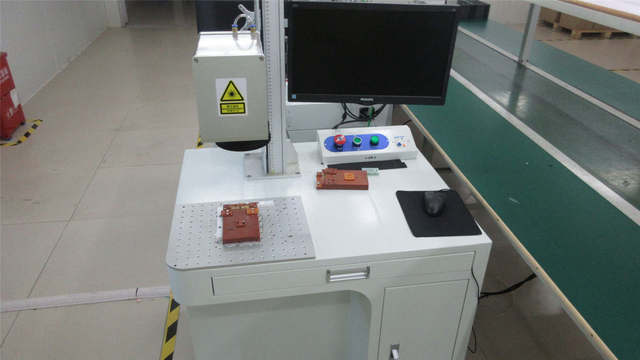
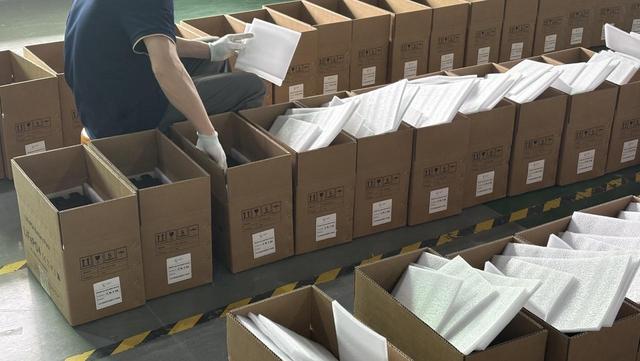
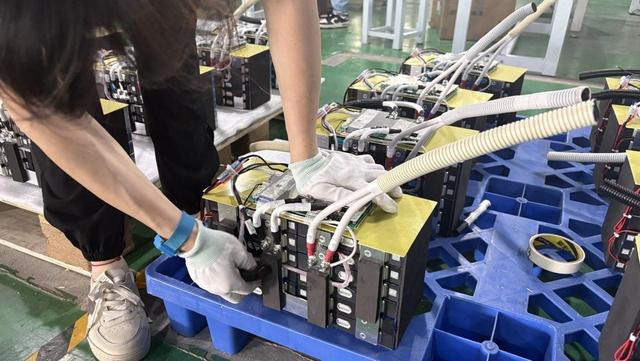
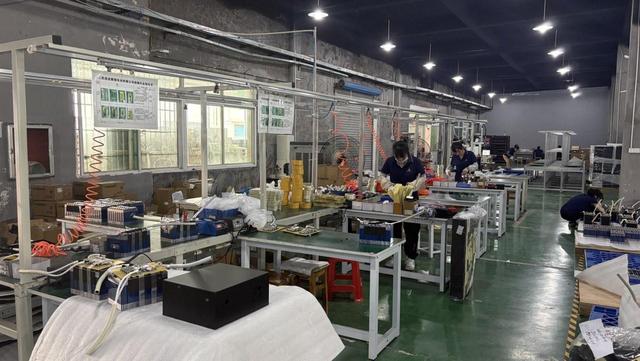
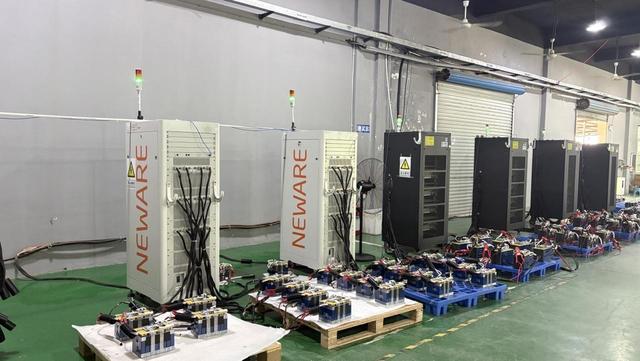
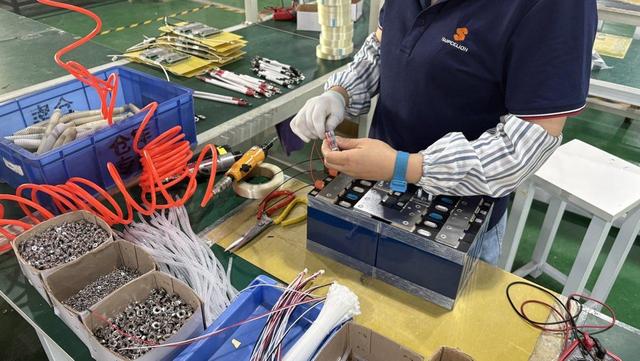
Direct look inside our modern assembly plants equipped with automated cell grading, laser-welding, and comprehensive safety testing protocols.
Critical inquiries addressed by our senior battery engineering and procurement specialist teams.
Empower your fleet, energy projects, or local factory assembly line in Thailand with GAF Energy's robust, certified lithium systems. Our engineering team is ready to deliver tailored solutions for your commercial success.
Send Inquiry Now