GAF Energy
GAF Energy
GAF Energy
Engineered for Maximum Gravimetric Density, Structural Safety, and Ultimate Lifetime Cycles
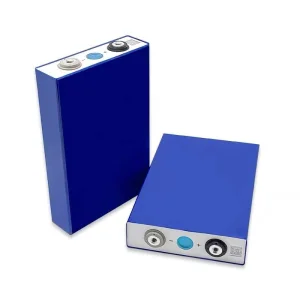
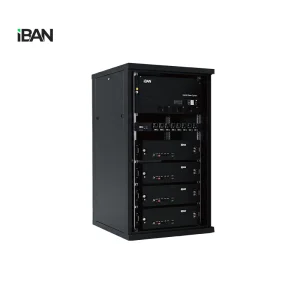
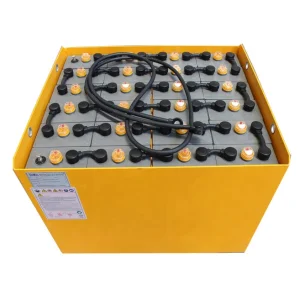
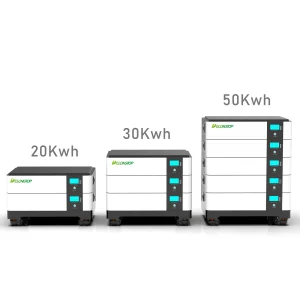
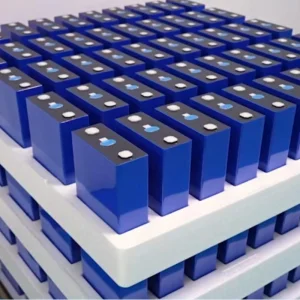
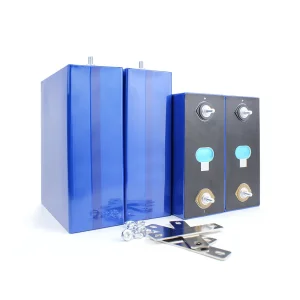
In the global transition towards clean energy integration, Shenzhen GAF Energy Co., Ltd. stands as a premium Lithium Battery Manufacturer, specializing in high-performance lithium iron phosphate (LiFePO4) and advanced lithium-ion chemistries. Energy density—defined both as gravimetric (Wh/kg) and volumetric (Wh/L)—serves as the foundational benchmark determining the footprint, weight, efficiency, and economics of modern energy storage architectures.
Our manufacturing operations are built upon a rigorous understanding of molecular electrochemistry and cell engineering. By focusing on optimize anode/cathode thickness, minimizing structural bulk, and maximizing active chemical loading, we present solutions that significantly lower the levelized cost of storage (LCOS). This ensures optimal performance across residential, commercial, industrial, and utility-scale grids.
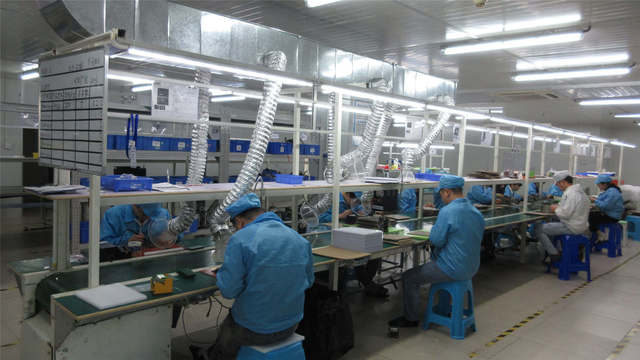
Why active chemical structures, material engineering, and intelligent packaging govern performance thresholds.
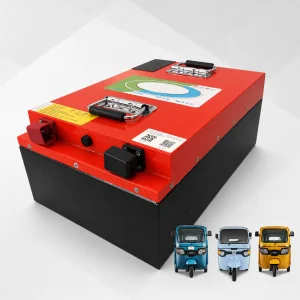
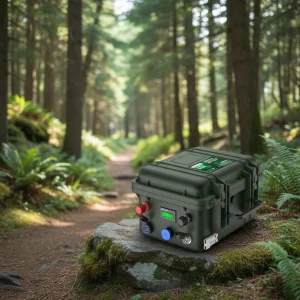
Gravimetric density directly affects system weight. For motive applications, such as marine trolling motors, forklift traction systems, and portable power stations, achieving higher Wh/kg rates allows for extended operational range without adding deadweight, optimizing mechanical efficiency.
Volumetric density determines spatial constraints. In metropolitan utility racks, telecommunication stations, and residential solar storage systems, space is a premium. Higher Wh/L enables high-capacity systems (e.g., 20kWh to 100kWh packs) to fit in compact footprints.
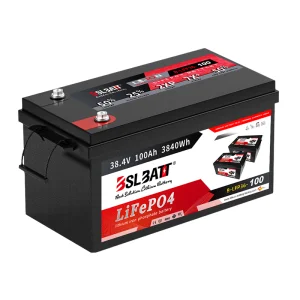
High density must coexist with thermal security. Our LiFePO4 cells feature robust olivine structures that prevent structural breakdown during thermal runaway tests, maintaining superior chemical stability and an extended lifespan of up to 10,000 charge-discharge cycles.
How Shenzhen GAF Energy leverages regional supply chains, technological depth, and logistics nodes.
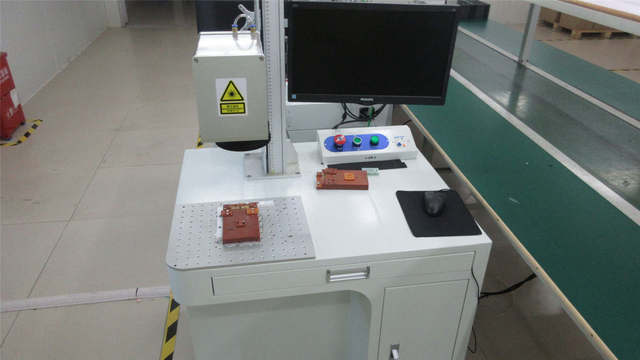
Shenzhen is recognized globally as the center of the electrochemical battery supply chain. Operating from this tech hub, GAF Energy utilizes localized access to high-purity precursor materials, precision lithiation techniques, and fully automated assembly setups. By sourcing raw lithium iron phosphate directly from domestic chemical corridors, we achieve significant cost-performance efficiencies.
This integrated supply chain supports consistent, high-yield manufacturing. From automated slurry preparation and coating to cell assembly and high-precision formation, our production lines minimize internal resistance variances. This results in stable cell balancing, which is critical for scaling high-voltage rack-mounted systems and industrial energy storage systems (ESS).
Moreover, our Shenzhen hub facilitates direct global shipping connections. This enables us to maintain regional warehouses in key areas, such as the EU, ensuring quick dispatch and delivery of heavy components.
We operate in compliance with major global certifications, including UL1973, CE, UN38.3, and IEC62619. This alignment allows us to deliver certified energy storage systems directly to target installation sites, meeting localized grid code requirements and regional safety standards.
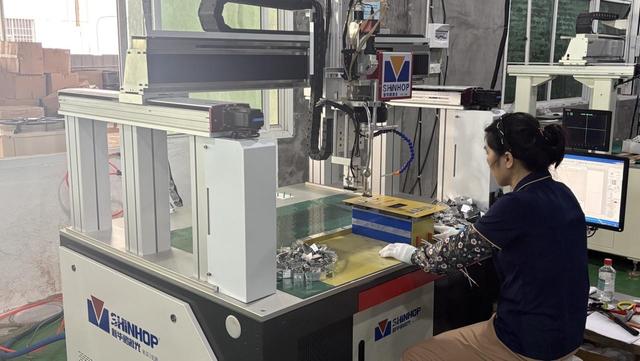
Analyzing current technology transitions, including solid-state developments and smart BMS integration.
The transition toward solid-state and semi-solid polymer electrolytes represents a key development in high-energy cells. By replacing flammable liquid solvents, these cells allow for the safe use of high-voltage cathodes and metallic lithium anodes, pushing energy boundaries past 350 Wh/kg while reducing thermal runaway risks.
Conventional graphite anodes face a theoretical capacity limit of 372 mAh/g. The integration of silicon-carbon (Si-C) composites increases anode capacity, allowing cells to store more lithium ions per unit volume and providing a direct path to higher energy density without modifying existing cathode chemistries.
Modern energy storage relies on intelligent management. Cloud-linked Battery Management Systems (BMS) monitor key parameter telemetry—such as internal resistance, individual cell voltages, and thermal states—in real time. These algorithms optimize cell balancing, extending the lifespan of large-scale battery arrays.
From remote mini-grids to C&I peak shaving and mobile energy solutions.
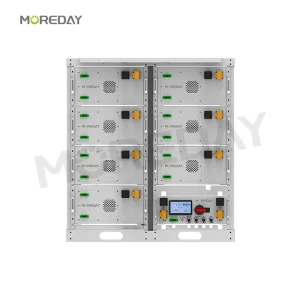
Industrial operations often face high peak demand charges. Our high-density rack-mounted LiFePO4 systems allow facilities to store lower-cost energy during off-peak hours and discharge it during peak times, lowering operational expenses and stabilizing local power grids.
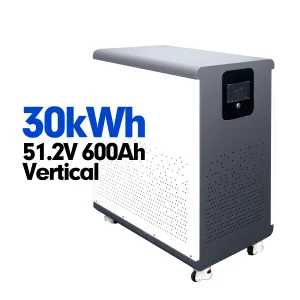
Residential solar installations require compact, long-lasting storage. Our wall-mounted 51.2V systems provide clean integration with residential hybrid inverters, offering reliable backup power while taking up minimal residential wall space.
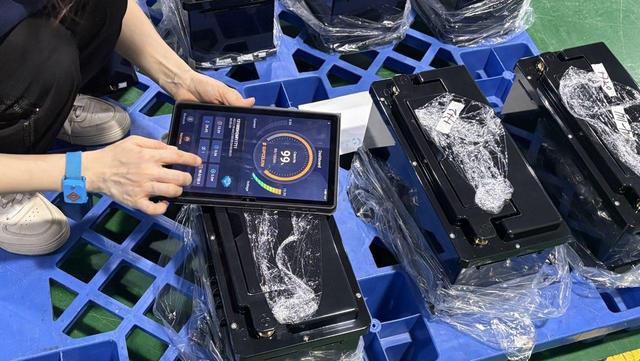
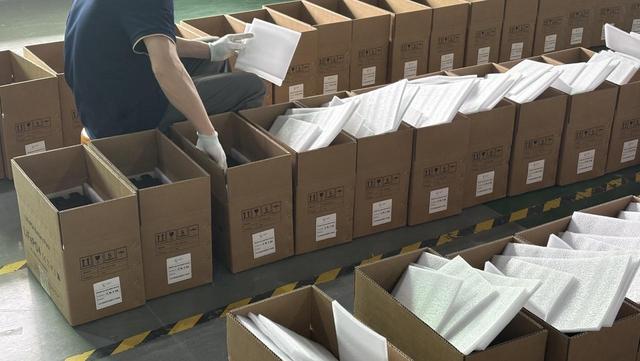
Marine settings require durable, waterproof construction. Our custom LiFePO4 marine batteries feature high gravimetric energy density to reduce onboard weight, while robust IP67 casing protects components from moisture and salt corrosion.
Telecommunication towers in remote locations require consistent backup power. Our high-density, rack-mounted systems are designed to operate under diverse thermal conditions, providing reliable support for critical communications infrastructure.
Visualizing our standardized cell processing, aging tests, and comprehensive safety evaluations.
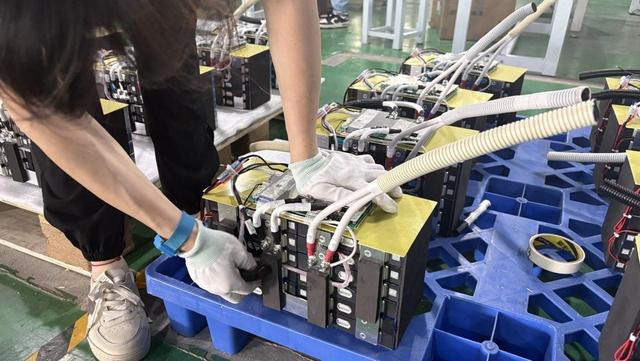
Automated Laser Welding & Busbar Fastening
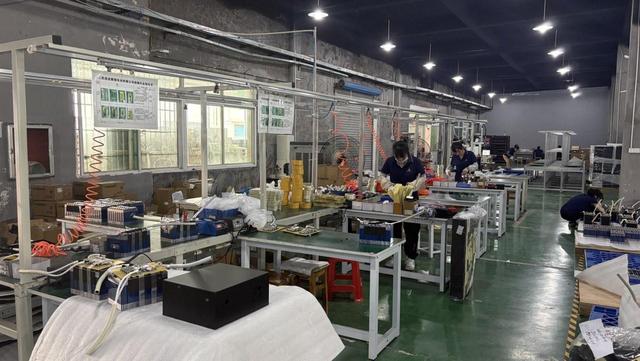
Rigorous Individual Cell Grading & Capacity Sorting
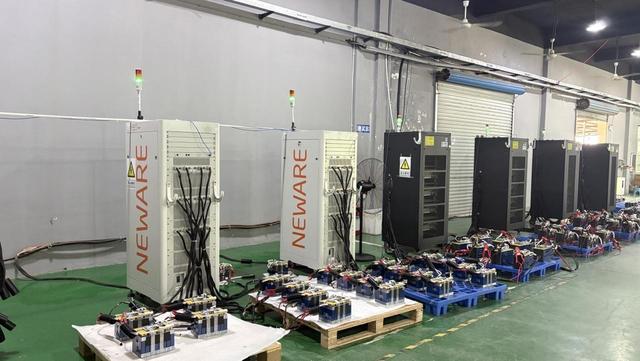
High-Voltage Load & Dynamic Stress Analysis
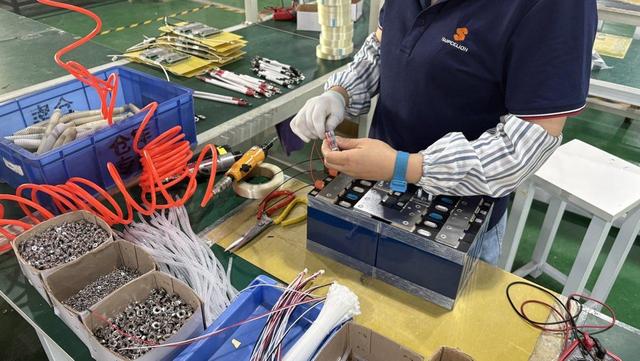
Thermostatic Aging & Long-term Cycling Chambers
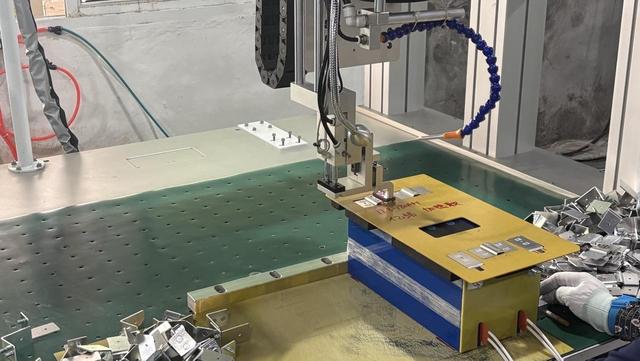
Integrated Protection Board (BMS) Calibration
Every system undergoes automated AOI inspection and dual thermal verification prior to export.
How we customize battery dimensions, voltage rates, and communication protocols for global buyers.
GAF Energy provides customizable options for commercial clients, solar installers, and system integrators. Our OEM and ODM services are structured to adapt to specific space requirements and performance parameters.
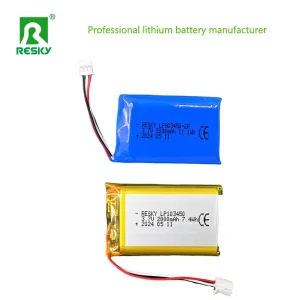
Our engineering teams can configure tailored energy storage solutions, ranging from compact custom polymer packs to multi-megawatt containerized utility systems. We support standard communications protocols—such as CANbus, RS485, and Modbus—to ensure smooth integration with common inverters and control systems.
We employ systematic testing procedures, including environmental chamber runs, vibration tests, and high-discharge stress trials, to ensure units are ready for industrial applications upon arrival.
Technical answers to key topics in battery chemistry, energy metrics, and procurement.
Our premium prismatic LiFePO4 cells typically achieve energy densities ranging between 160 Wh/kg and 180 Wh/kg. NCM cells can achieve higher values (200–260 Wh/kg) but have a lower thermal runaway temperature and a shorter lifespan. Our LFP cells are designed to offer a balanced combination of safety, long cycle life, and reliable thermal stability.
If cell capacities diverge during cycling, the system's usable energy capacity is limited by the weakest cell in the string. Our integrated BMS uses active and passive cell-balancing algorithms to manage charge distribution, helping to maintain uniform cell performance and preserve overall pack energy density over time.
Exporting high-capacity lithium batteries requires compliance with several international standards. These include UN38.3 for transport safety, IEC62619 for industrial applications, and UL1973/UL9540A for stationary energy storage systems in North America. GAF Energy structures its design and manufacturing processes to align with these regulatory frameworks.
Under normal operating conditions (80% Depth of Discharge at 25°C), our LiFePO4 batteries are rated for 6,000 to 10,000 cycles before capacity degrades to 80% of its initial value. This equates to approximately 10 to 15 years of daily operation in typical residential or commercial solar configurations.
Engineered for Demanding Commercial, Industrial, and Mobile Power Scenarios