GAF Energy
GAF Energy
GAF Energy
Engineered configurations designed to address deep-cycle application scenarios, grid storage, and robust industrial motive power integration.
For more than a century, lead-acid battery architectures have served as the foundational technology driving automotive starting systems, uninterrupted power supplies (UPS), material handling machinery, and primary telecom nodes. As a prominent OEM/ODM lead acid batteries manufacturer & supplier, we recognize the historical relevance of flooded lead-acid, Absorbed Glass Mat (AGM), and Gel battery technologies. They offered unprecedented cost efficiency at entry-level investment margins, moderate thermal stability, and basic charging simplicity.
However, modern economic landscapes dictate a significant evolution. High-energy industrial demands, strict corporate decarbonization policies, and the rapid growth of distributed energy grids (DERs) have exposed the physical and operational limitations of classic Valve-Regulated Lead-Acid (VRLA) batteries. Today, international procurement managers, engineering firms, and utility managers face a crucial task: retrofitting legacy setups or developing next-generation battery infrastructure to handle high operational tempos.
This is where the transition to advanced lithium-based chemistries, particularly Lithium Iron Phosphate (LiFePO4), becomes essential. LiFePO4 serves as a highly compatible, high-performance drop-in replacement option for OEM lead-acid applications, providing a reliable alternative for systems designed around traditional 12V, 24V, 48V, or high-voltage lead-acid configurations.
How engineering choices impact cycle lifetimes, thermal stability margins, and total cost of ownership (TCO) across standard industrial applications.
Features active cell balancing, precise overcurrent protection, state-of-charge (SoC) estimation, and thermal management. This ensures drop-in lithium integrations function safely within legacy charging parameters.
Proprietary structural insulation preventing thermal runaway. Our designs incorporate advanced cooling paths that optimize longevity in hot environments like the Middle East and Southeast Asia.
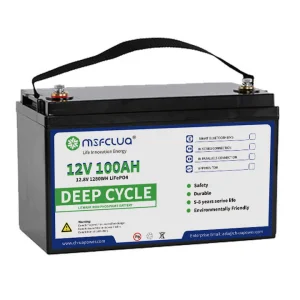
Seamless structural retrofitting. Custom enclosures designed to match Group 24, 27, 31, and 8D lead-acid dimensions, offering easy upgrade capability for forklifts, marine systems, and UPS cabinets.
| Performance Parameter | Traditional Lead-Acid (AGM/Gel) | GAF Energy Advanced LiFePO4 Upgrades | Operational Advantage |
|---|---|---|---|
| Expected Cycle Life (80% DoD) | 300 - 600 cycles | 4,000 - 6,000+ cycles | 10x Longevity Increase |
| Depth of Discharge (DoD) | 50% recommended limit | 95% - 100% usable capacity | Doubles runtime for identical Ah ratings |
| Weight per kWh | Approx. 30 kg | Approx. 9.5 kg | Reduces structural load on mobile platforms |
| Charging Time (0-100%) | 8 to 10 hours (slow absorption phase) | 1.5 to 2.5 hours (rapid charge support) | Improves efficiency in material handling |
| Round-Trip Efficiency (RTE) | 75% - 82% | 95% - 98% | Saves solar generation lost to internal heat |
For global businesses, adapting standard off-the-shelf power equipment can lead to systemic inefficiencies, poor space utilization, and premature battery degradation. Shenzhen GAF Energy Co., Ltd. addresses this gap by serving as a dedicated OEM and ODM partner. We manufacture specialized, integrated battery systems designed to meet the exact engineering, chemical, and dimensional requirements of our clients.
Our OEM/ODM process begins at the cellular level. We select top-tier, Grade-A prismatic LiFePO4 cells to form the core of each battery system. By utilizing precise cell matching—evaluating internal resistance, open-circuit voltage, and capacitance down to narrow tolerances—we ensure even wear and longevity across cell packs. For systems requiring drop-in lead-acid replacements, our engineering team constructs custom enclosures using ABS/PC materials or powder-coated steel. These housings protect the battery against moisture, dust ingress (up to IP67 standards), and physical vibrations.
Years R&D Experience
Cycle Life @ 80% DoD
Export Countries
Annual RMA Rate
Furthermore, our ODM expertise extends to communication protocol integration. Whether your system operates on CANbus, RS485, Modbus, or SMBus, our smart BMS systems connect directly with major solar inverter brands, motor controllers, and telemetry systems. This allows clients to monitor voltage, current, and temperature in real-time, helping prevent thermal runaway and cell degradation.
Inside Shenzhen GAF Energy Co., Ltd.: Automated production lines, quality testing, and precision validation setups.
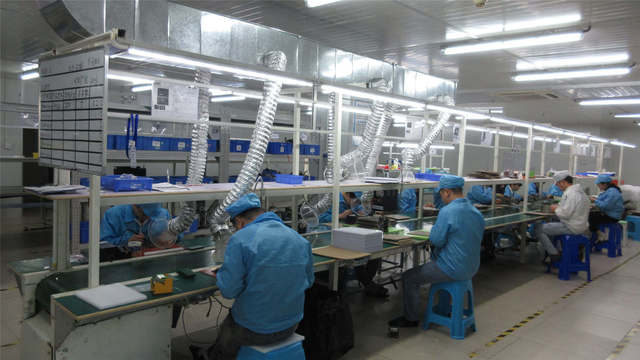
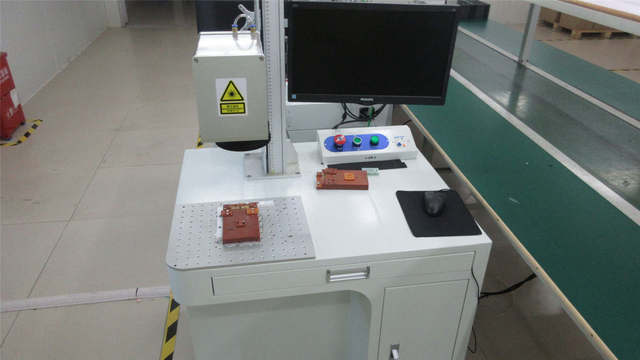
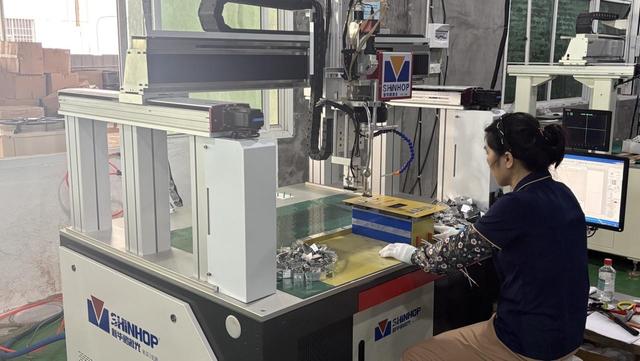
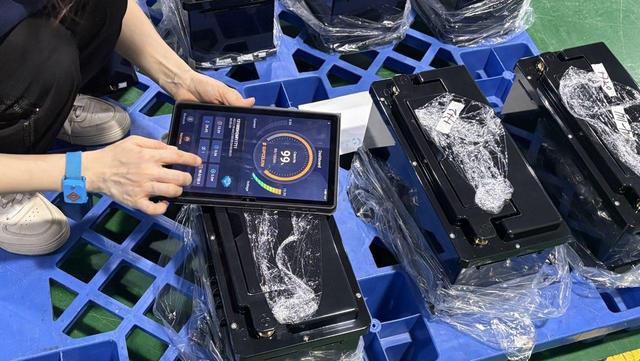
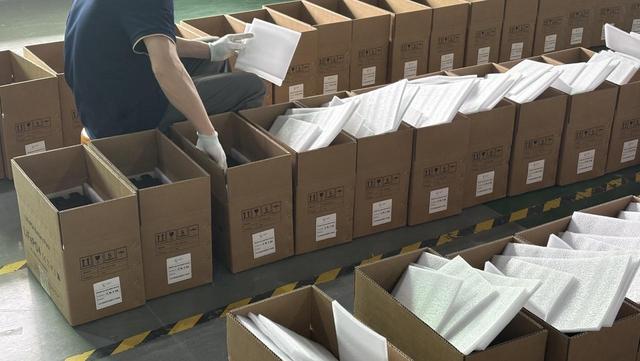
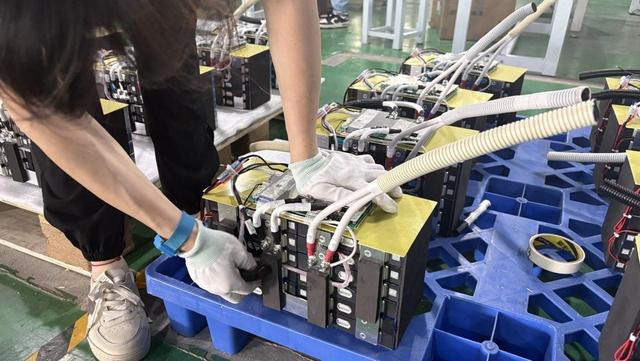
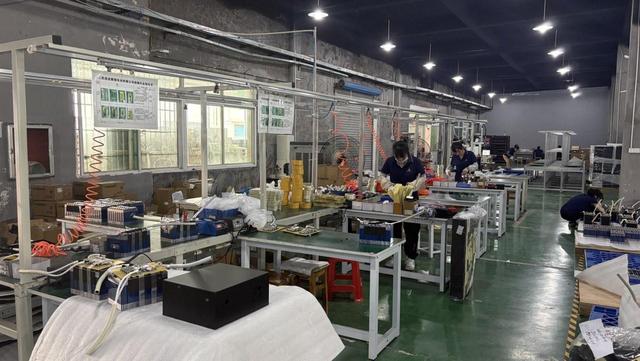
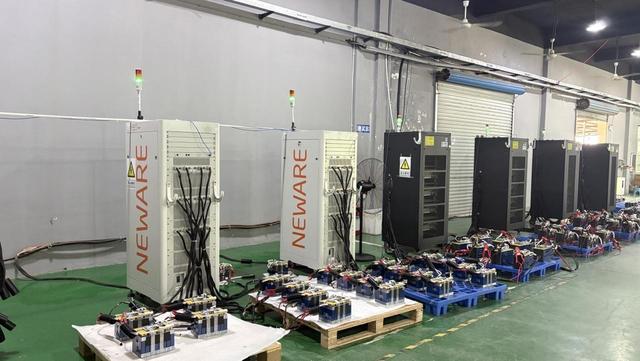
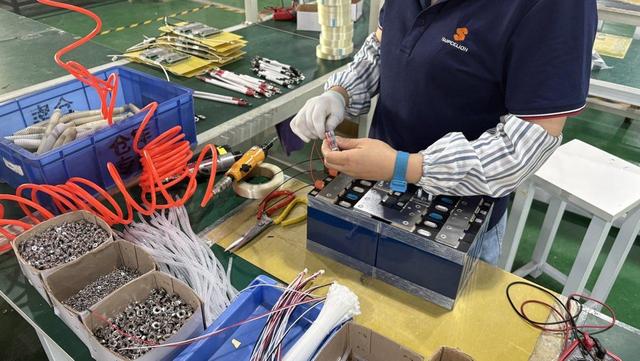
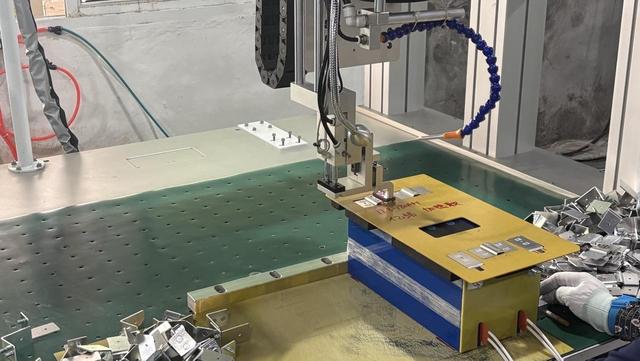
Shenzhen, China stands as the global center for battery manufacturing, battery management systems development, and electronics engineering. Operating from this ecosystem allows Shenzhen GAF Energy Co., Ltd. to provide distinct cost, quality, and technical advantages that non-localized manufacturers cannot match.
Our localized supply chain integration provides key operational benefits:
This localized supply chain allows us to maintain stable production lead times and manage cost fluctuations, even during global supply line disruptions. This stability makes us a reliable partner for organizations looking to secure consistent battery supplies.
Exporting custom power systems internationally requires navigating complex safety, transportation, and environmental regulations. GAF Energy's manufacturing procedures are designed to meet strict international standards, ensuring smooth integration and compliance in diverse regulatory markets.
Our regulatory and safety certifications include:
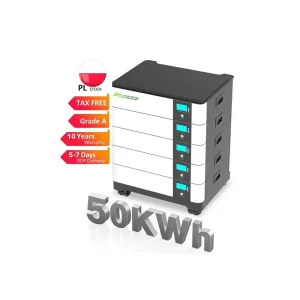
To support global supply chains, we maintain regional stocking hubs, including our Poland stock and EU stock locations. These facilities enable quick delivery, simplified customs clearance, and local technical support, helping clients minimize lead times and avoid the delays associated with cross-border shipping.
The transition from traditional lead-acid systems to modern battery solutions is underway across multiple industrial sectors. We provide customized OEM/ODM packages engineered for specific applications:
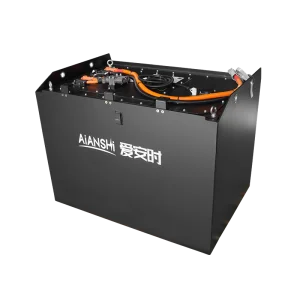
Traditional lead-acid forklift batteries require long charge cycles, dedicated ventilation areas due to gassing, and regular distilled water maintenance. Transitioning to GAF Energy LiFePO4 batteries enables fast opportunity charging during worker breaks, eliminates the need for daily maintenance, and removes the risk of acid leaks, optimizing warehouse operational efficiency.
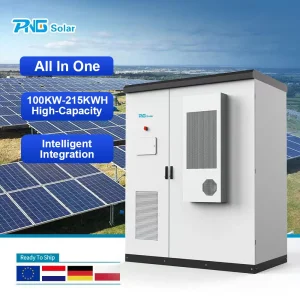
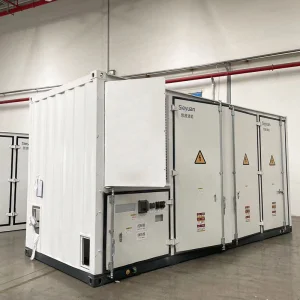
High-voltage battery cabinets (such as our 768V 215kwh All-in-One Container Systems) are replacing classic deep-cycle battery banks at solar fields and commercial sites. Our lithium systems provide higher energy density, a smaller physical footprint, and a lower levelized cost of storage (LCOS) over their operational life.
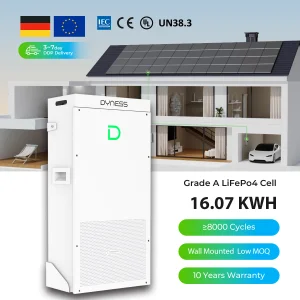
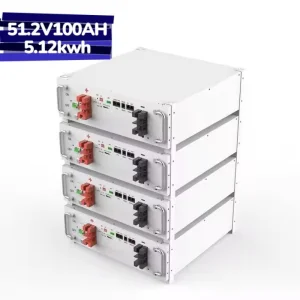
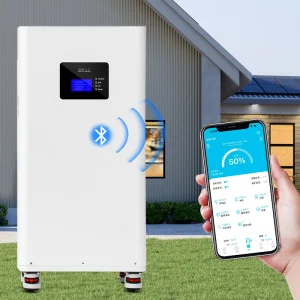
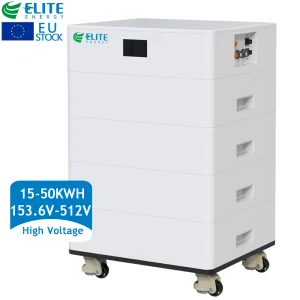
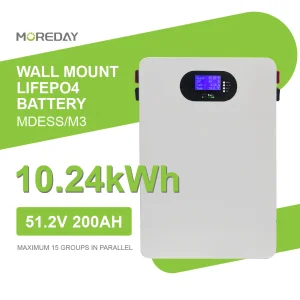
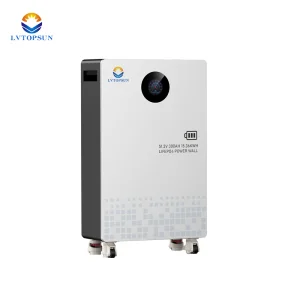
Homeowners require safe, aesthetically integrated energy storage solutions. Our wall-mounted and stackable battery packs feature elegant chassis, integrated display monitors, and compatibility with popular hybrid inverters, offering a modern alternative to bulky, maintenance-heavy lead-acid backup banks.
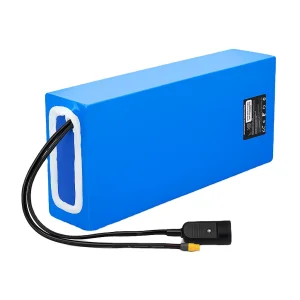
Heavy lead-acid batteries can weigh down utility vehicles and reduce speed. Replacing these with our lightweight, high-capacity 48V or 72V LiFePO4 packs reduces overall vehicle weight, improves acceleration, and extends runtime, providing a maintenance-free power source for golf carts and work vehicles.
As the energy storage industry evolves, battery chemistries will continue to diversify. While LiFePO4 remains the standard for stationary storage and heavy motive equipment due to its cost-to-performance ratio and thermal stability, newer technologies are emerging. Sodium-ion batteries, for instance, offer promising low-temperature performance and raw material availability, making them a potential alternative for specific backup applications. Meanwhile, solid-state battery technology continues to develop, promising higher energy densities and safety margins for the next generation of electric vehicles and specialized industrial equipment.
At Shenzhen GAF Energy, our research and development teams continue to monitor and test these emerging technologies. We focus on integrating advances in materials science, smart BMS capabilities, and thermal management into our product designs. This proactive approach ensures our OEM/ODM clients receive energy storage solutions built to meet both current requirements and upcoming industry standards.
Expert answers to common engineering, procurement, and logistics questions regarding OEM/ODM battery production.
Yes. Our lithium batteries are engineered to serve as drop-in replacements for standard lead-acid form factors (such as Group 31 or 8D casings). They provide similar voltage profiles (e.g., 12.8V, 25.6V, or 51.2V), allowing them to connect directly to existing systems. However, to ensure optimal cycle life, we recommend adjusting your charger profile to match lithium charge parameters (CC/CV charging profile without an equalization phase).
We provide full customization, including custom dimensions, sheet-metal or plastic enclosures, tailored voltage configurations (from 12V up to 800V+), cell capacity matching, custom BMS communication protocols (CANbus, RS485, Modbus), and integrated LCD screens. We also offer private labeling, customized packaging, and color adjustments to match your brand's identity.
We source only Grade-A cells from leading manufacturers. Each cell batch undergoes testing to verify capacity, internal resistance, and voltage consistency. During assembly, cells are matched using automated grading machinery, and finished packs undergo dynamic load testing, thermal checks, and aging cycles before final packaging.
For standard configurations or minor modifications, production lead time is typically 15 to 25 days. For complex, custom ODM projects requiring dedicated tooling, plastic molds, or custom BMS firmware, the design and validation phase takes 4 to 6 weeks, followed by production. Our regional warehouses in Europe (Poland stock) can also provide immediate shipping for select models.
All GAF Energy battery products are certified under UN38.3 and MSDS protocols, which are required for international shipping. Our products are packaged in compliant UN-approved boxes with flame-retardant materials. We also work with logistics partners specializing in Class 9 hazardous materials shipping to ensure safe transport via air, sea, or rail.
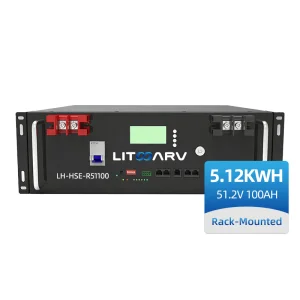
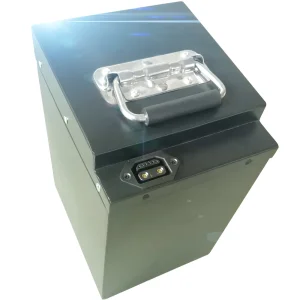
High-voltage configurations, residential storage walls, and drop-in motive battery packs designed for global distribution.