GAF Energy
GAF Energy
GAF Energy
Explore our premium selection of advanced lithium-ion and lithium iron phosphate (LiFePO4) systems engineered for utility scale, commercial integration, and off-grid performance.
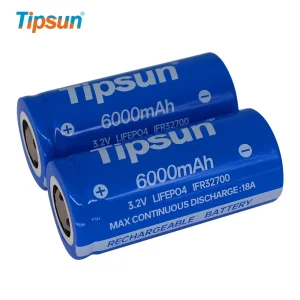
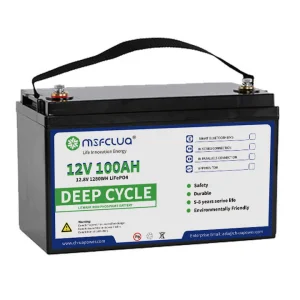
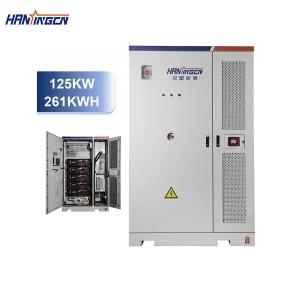
Shenzhen GAF Energy delivers engineering precision and scale efficiency to global clean energy distributors.
The global energy paradigm is experiencing a fundamental structural shift. Power generation is transitioning from centralized, carbon-heavy utility models to decentralized, renewable-driven distribution networks. As solar photovoltaic (PV) systems become cost-parity standard installations for commercial facilities, the limits of grid-tied generation are becoming obvious. Solar energy is inherently intermittent. To mitigate this volatility and insulate enterprises from rising peak-use utility tariffs, high-capacity, robust battery storage systems (BESS) are essential.
In major industrial corridors across North America, Europe, and Asia-Pacific, energy security is no longer taken for granted. Industrial facilities face substantial financial penalties for peak load surges, known as demand charges. By utilizing customized commercial lithium iron phosphate (LiFePO4) cabinets, facilities can engage in peak shaving and load shifting. These systems charge during off-peak periods when electricity rates are low or directly from on-site solar generation, and discharge during peak demand spikes. This flatlines the site's grid consumption curve and yields significant, measurable operational savings.
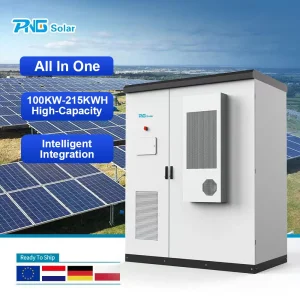
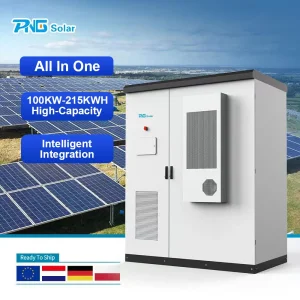
"A standard 215kWh all-in-one storage cabinet integrated with factory microgrids can offset peak energy consumption charges by up to 40% annually, while acting as a reliable, zero-emission uninterruptible backup system (UPS) during grid voltage instabilities."
Additionally, the rapid electrification of heavy machinery and fleet logistics—such as industrial electric forklifts, container transport lifters, and automated guided vehicles (AGVs)—requires high-current recharging facilities. EV charging stations equipped with dedicated stationary energy storage systems buffer the local electrical grid, permitting high-rate DC fast charging without overloading localized transformers.
China's dominance in the global lithium battery manufacturing sector is the result of systematic vertical integration, heavy investments in R&D, and highly developed supply-chain clusters. Located in Shenzhen, the heart of this industrial hub, manufacturers like Shenzhen GAF Energy Co., Ltd. leverage a unique geographical advantage. The local ecosystem offers immediate access to primary raw materials (such as high-grade Lithium Carbonate and Iron Phosphate), specialized component producers (BMS modules, thermal sensors, flame-retardant enclosures), and specialized logistics infrastructure.
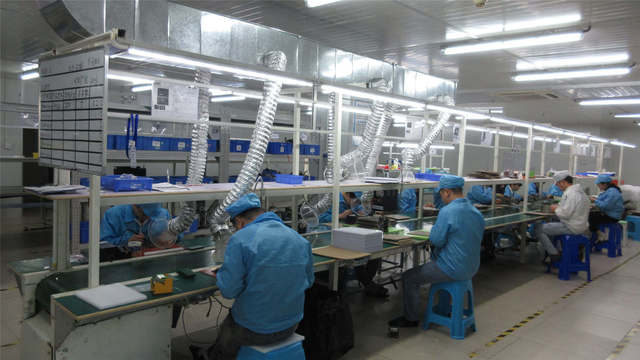
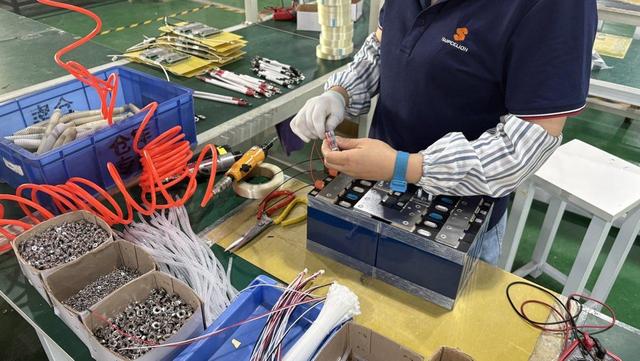
This localized concentration of components dramatically reduces lead times and shipping costs during assembly. Unlike Western assembly plants that rely on imported battery cells and components from multiple continents, Chinese production lines integrate everything under one roof. At GAF Energy, this begins at the cell level. Automated sorting systems measure internal resistance, voltage deviation, and capacity consistency, ensuring that only cells with matching profiles are grouped into modules. Consistent cell sorting is critical; even a 1% deviation in internal resistance between cells can lead to early pack degradation and thermal imbalances.
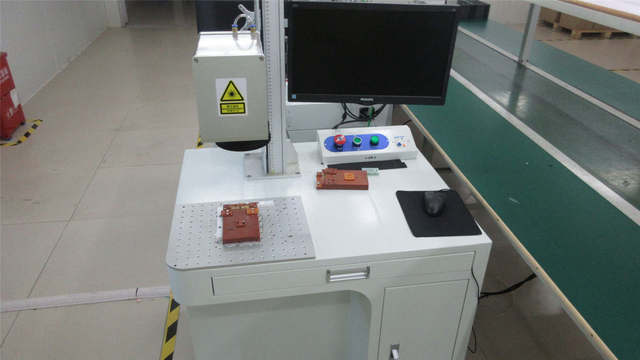
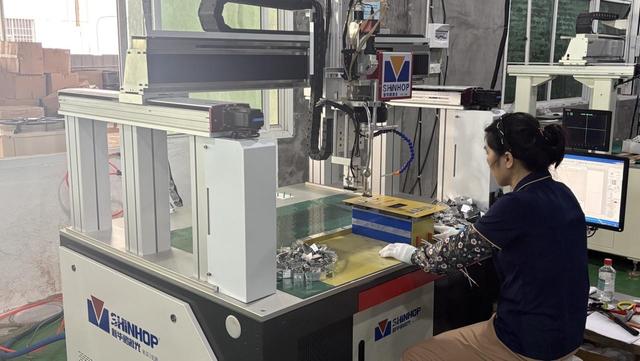
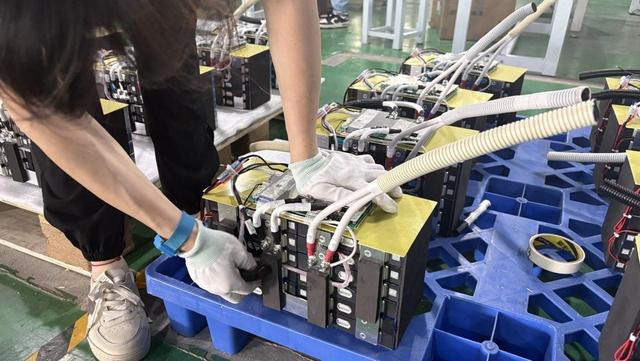
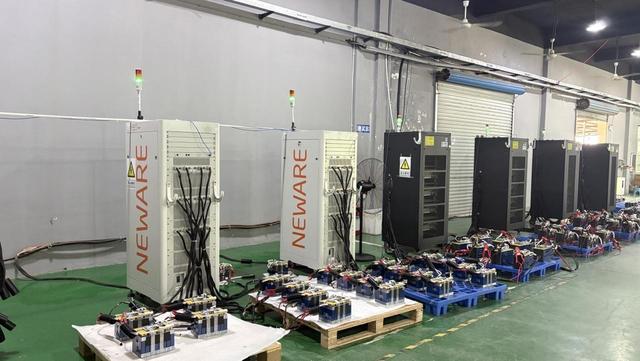
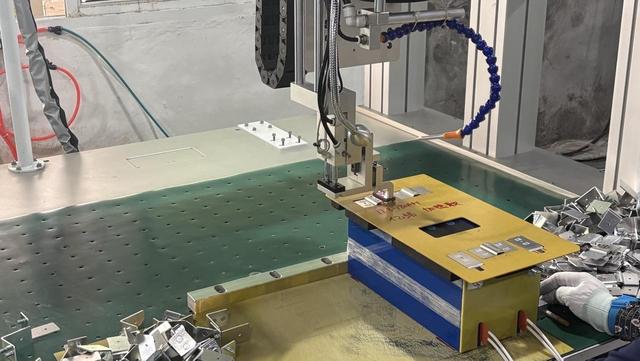
Advanced manufacturing facilities use robotic laser welding systems for reliable electrical connections, automated thermal paste application for cooling, and multi-stage charge-discharge cycle chambers. This ensures each pack complies with strict global certifications. The resulting economies of scale mean lower costs per kilowatt-hour (kWh) for international B2B buyers without sacrificing build quality or product lifespan.
Direct sourcing of high-purity raw materials and local assembly of proprietary BMS boards minimize production bottlenecks and transit delays.
Automated equipment screens cells for internal resistance, self-discharge rates, and capacity to ensure stable long-term performance.
Products are engineered to meet global standards including CE, UN38.3, MSDS, and IEC, ensuring smooth customs clearance and grid integration.
Different applications demand distinct battery architectures. Selecting the incorrect chemistry, capacity, or form factor can lead to poor performance or premature failure. Shenzhen GAF Energy designs and manufactures targeted solutions optimized for specific environmental and operational parameters.
| System Type | Core Chemistry | Standard Specifications | Key Application Scenario |
|---|---|---|---|
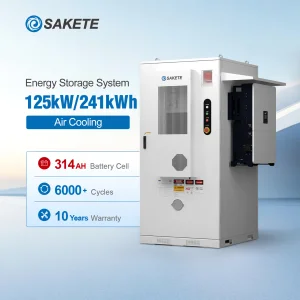
| High-Voltage Industrial Cabinet | LiFePO4 (LFP Prismatic) | 768V 215kWh - 241kWh | Peak Shaving, Microgrid integration, EV Fast Charging Stations |
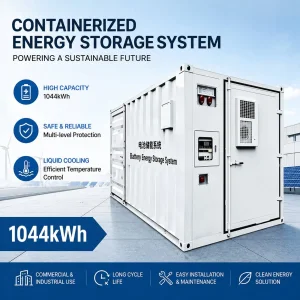
| Containerized BESS | LiFePO4 (Liquid-Cooled) | 1000V+ 1MWh - 2MWh | Utility-Scale Grid Support, Wind/Solar Farm Smoothing |
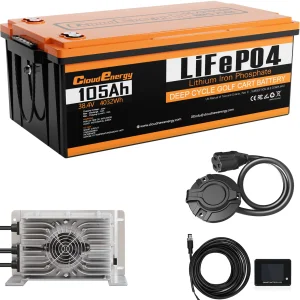
| Motive Power Packs | Li-ion / LiFePO4 | 36V 105Ah / 48V 315Ah | Industrial Forklifts, Airport Ground Support, Electric Golf Carts |
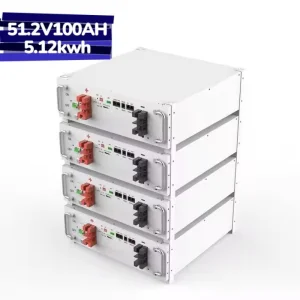
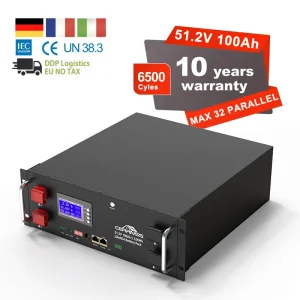
| Modular Rack Mount | LiFePO4 (LFP Cylindrical/Prismatic) | 51.2V 100Ah (5.12kWh) | Residential Energy Storage, Telecom Base Stations, Backup UPS |
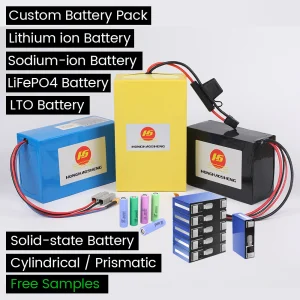
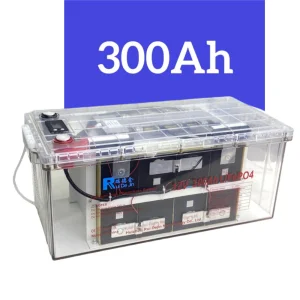
| Custom Low-Voltage Packs | LFP / LiPo | 12V/24V/36V/48V 20Ah - 300Ah | RVs, Off-grid Camping, Portable Power Stations, Marine Auxiliary |
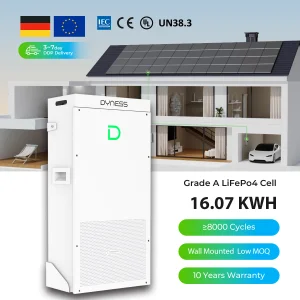
For heavy industrial operations, high-voltage battery cabinets (typically operating above 700V DC) are standard. High-voltage architecture reduces current flow in system conductors, which lowers I²R thermal losses, improves overall round-trip conversion efficiency, and simplifies wiring. On the other hand, residential systems prioritize modularity, safety, and compatibility with standard hybrid inverters. The GAF Energy 51.2V rack-mounted series allows up to 32 units to be connected in parallel, scaling system capacity to meet growing home energy requirements.
B2B buyers, EPC contractors, and procurement managers must evaluate several technical criteria beyond the initial price per kilowatt-hour ($/kWh). A low-cost system with a weak BMS or poor thermal management will incur high operational and maintenance costs over its lifespan.
1. Cycle Life and Depth of Discharge (DoD): High-quality LiFePO4 cells should support at least 5000 to 6000 complete cycles at 80% DoD before capacity degrades to 80% of its original rating. GAF Energy's cylindrical 32700 cells and prismatic arrays are engineered to meet these standards, providing reliable operation for over 10 years in typical daily cycle applications.
2. BMS Intelligence and Communication: The Battery Management System (BMS) is the safety core of any lithium battery pack. It manages over-voltage, under-voltage, over-current, and temperature limits. For commercial systems, the BMS must support reliable industrial protocols like CANbus, RS485, and Modbus TCP. This enables integration with third-party hybrid inverters and central SCADA energy management platforms.
3. Thermal Runaway Mitigation: Look for systems designed with built-in safety features. For example, our 215kWh commercial cabinets include integrated aerosol fire suppression, automated ventilation, and physical barriers between cell groups to prevent thermal runaway propagation.
The energy storage sector is shifting toward liquid cooling for larger installations. Traditional air cooling depends on convection through air ducts, which can lead to temperature variations of up to 5°C to 8°C across a large containerized pack. This variation accelerates the degradation of warmer cells, reducing the overall lifespan of the system.
Liquid cooling systems circulate a glycol-water mixture through cooling plates integrated within the module structure. This maintains cell temperature variations within a narrow ±2°C window. The result is a more stable thermal profile, longer cell life, and higher system energy density. This approach allows developers to install more capacity within a smaller physical footprint.
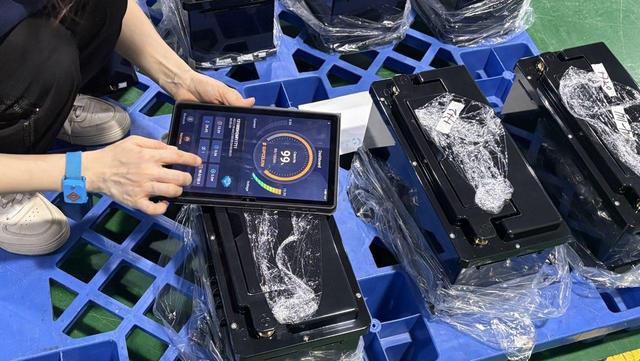
Additionally, IoT-connected BMS solutions are changing operations and maintenance. Cloud-based monitoring systems continuously collect performance data, including cell voltages, temperatures, and state-of-health (SoH) metrics. Machine learning models analyze this data to identify potential anomalies before they cause a system fault. This enables proactive maintenance and reduces downtime for commercial operators.
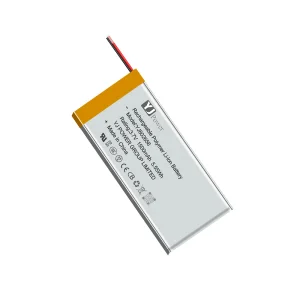
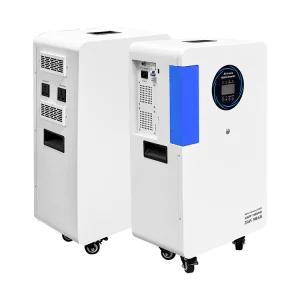
Explore our specialized, high-capacity industrial cabinets, golf cart packs, and customized backup solutions designed for demanding duty cycles.
Detailed technical answers to common questions raised by EPC contractors and sourcing professionals.
LiFePO4 (Lithium Iron Phosphate) offers significant safety and operational advantages for stationary energy storage systems compared to NMC (Nickel Manganese Cobalt) chemistries. LFP has a higher thermal runaway threshold (around 270°C vs NMC's 210°C) and does not release oxygen during thermal breakdown, which reduces fire risk. Furthermore, LFP cells deliver 5,000 to 6,000 cycles at 80% Depth of Discharge, whereas NMC systems typically yield 1,500 to 2,000 cycles. This difference makes LFP the more cost-effective choice over the operating life of a commercial installation.
Shenzhen GAF Energy provides comprehensive OEM and ODM services. Customization options cover several engineering levels:
Liquid cooling uses cooling plates to circulate coolant directly around the battery modules, keeping cell temperature variations within a tight ±2°C window. Air cooling relies on forced air convection, which can result in temperature variations of 5°C to 8°C across large systems. Better thermal management through liquid cooling slows cell degradation, improves safety, and allows for higher energy density within the container.
For legal import and grid integration, systems must comply with international transport and product safety regulations:
Standard configurations (such as standard 51.2V rack units or stock forklift batteries) typically ship within 15 to 20 business days. Custom engineering projects—including custom BMS programming, custom sheet-metal designs, and multi-cabinet high-voltage installations—require 35 to 50 days from initial technical drawing sign-off to completion of factory testing.
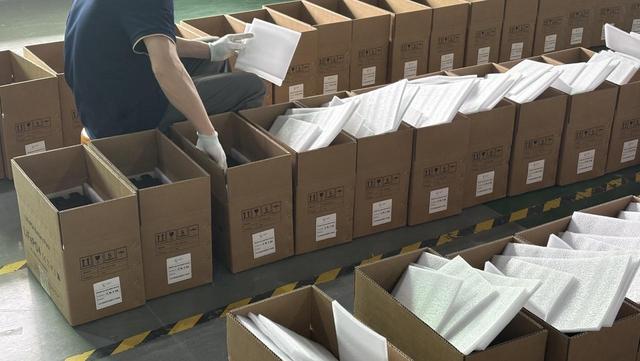
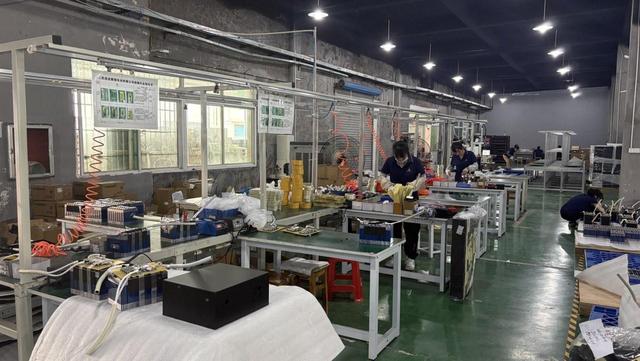
Shenzhen GAF Energy operates automated assembly lines, climate-controlled testing chambers, and strict quality control processes to ensure reliable, high-performance battery systems.