GAF Energy
GAF Energy
GAF Energy
Highly engineered LFP power packs designed for harsh Puget Sound marine environments and heavy cyclic demand.
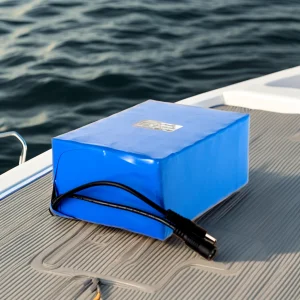

As the largest metropolitan area in the Pacific Northwest, Seattle serves as a pivotal gateway for North American maritime trade, commercial fishing, and marine recreation. With the Puget Sound serving as a backdrop, the region's maritime industry is currently undergoing a massive historical transformation driven by environmental mandates, carbon reduction regulations, and the state of Washington's ambitious clean energy initiatives. Washington State Ferries (WSF), which represents the largest ferry system in the United States, has embarked on a systematic strategy to hybridize and electrify its entire fleet by 2040. This macro-level shift sets the tone for commercial vessel owners, tugboat operators, and yacht enthusiasts across the region.
Moreover, the local commercial fishing fleets operating out of Fishermen's Terminal in Seattle and cruising up to Alaska's waters demand energy storage solutions of unprecedented reliability. A power failure in the Gulf of Alaska is not a simple inconvenience; it is a critical safety issue. Traditional lead-acid batteries fail to deliver the energy density, fast charging capacity, and cold-weather discharge performance needed for these commercial operations. Highly engineered Lithium Iron Phosphate (LiFePO4) batteries represent the gold standard, providing stable voltage curves down to freezing temperatures, enabling deep discharges without degradation, and ensuring crucial redundant power for navigation, refrigeration, and communication systems.
Globally, the maritime industry contributes approximately 2-3% of global greenhouse gas emissions. The International Maritime Organization (IMO) has set rigid goals to reduce carbon emissions from international shipping by at least 50% by 2050 compared to 2008 levels. Meeting these targets requires a dramatic shift in propulsion and auxiliary power architectures. From mega container vessels to specialized workboats, marine designers are looking to integrated Energy Storage Systems (ESS) to peak-shave diesel generators, supply zero-emission propulsion in ports, and act as instant backup power systems.
In response to these macro challenges, marine battery manufacturers have advanced from basic battery-pack assembly to developing intelligent, multi-layered energy platforms. The integration of high-voltage battery arrays, state-of-the-art Battery Management Systems (BMS), and advanced thermal runway suppression technologies has elevated lithium batteries to meet the highest international safety standards. These systems minimize the weight and space footprints on board, enabling architects to design hulls with greater stability, cargo capacity, and passenger space.
At GAF Energy, our global commercial footprint allows us to export advanced cell chemistry and BMS design to major maritime hubs worldwide. We provide custom-tailored battery storage solutions that seamlessly integrate with solar power, shore power charging stations, and hybrid combustion systems, providing a reliable technological roadmap for global operators to scale their operations cleanly.
Shenzhen GAF Energy Co., Ltd. is a professional Lithium Battery Manufacturer | LiFePO4, Energy Storage & Renewable Power Solutions dedicated to delivering advanced energy storage technologies for residential, commercial, industrial, and renewable energy applications worldwide. With a focus on innovation, safety, and sustainability, the company provides high-performance lithium battery solutions that support the growing global demand for clean and reliable energy.
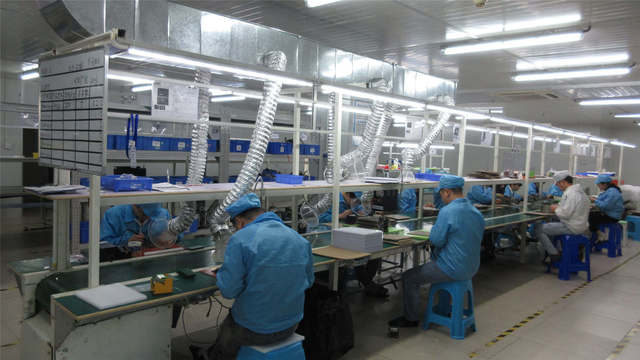
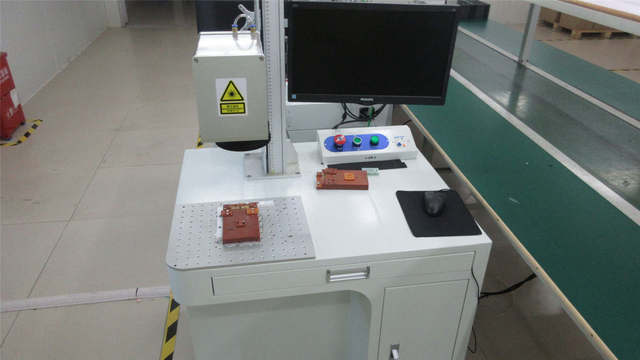
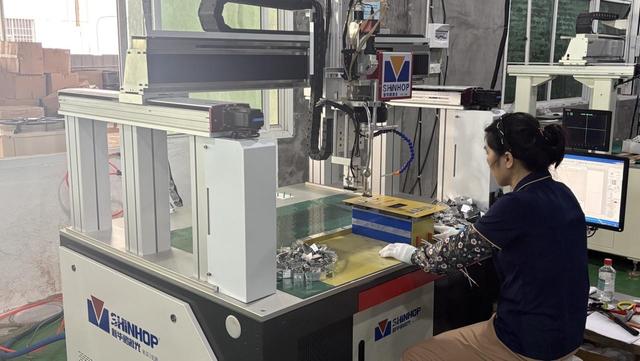
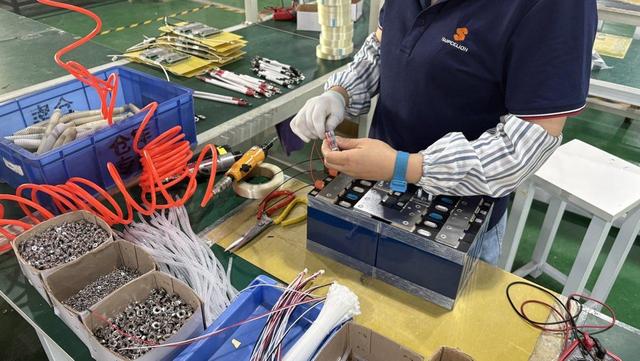
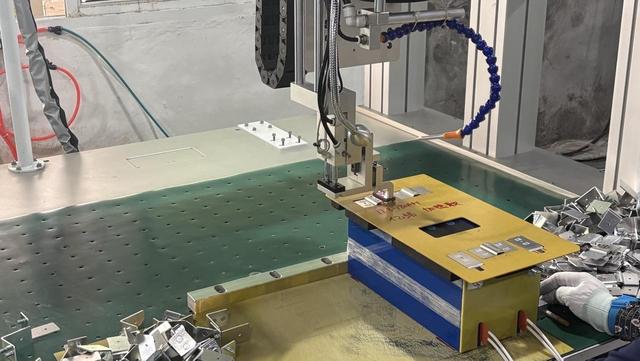
Headquartered in Shenzhen, China, GAF Energy operates modern manufacturing facilities equipped with advanced production equipment, automated assembly lines, and comprehensive quality management systems. The company specializes in the research, development, and production of LiFePO4 batteries, lithium-ion battery systems, residential energy storage batteries, commercial and industrial energy storage systems (ESS), solar storage batteries, rack-mounted battery systems, high-voltage battery solutions, and customized battery packs.
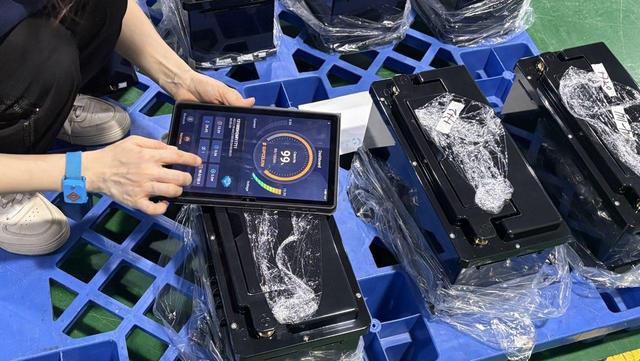
GAF Energy places strong emphasis on product quality and technological innovation. By utilizing premium battery cells, intelligent battery management systems (BMS), and rigorous testing procedures, the company ensures excellent safety, long cycle life, stable performance, and high energy efficiency. Every battery system is designed to meet the demanding requirements of renewable energy integration, backup power applications, and modern energy management solutions.
For Seattle boatbuilders, vessel operators, and naval architects, regulatory compliance is the single greatest hurdle when upgrading to lithium chemistry. Marine installations fall under the jurisdiction of the United States Coast Guard (USCG) and must adhere to guidelines set forth by the American Boat and Yacht Council (ABYC), specifically standards E-13 (Lithium Batteries). Crucially, batteries must meet UN38.3 transport safety requirements, and complete system assemblies often require certifications such as UL 1973 (for stationary and motive applications) and UL 9540A (thermal runaway fire testing).
GAF Energy provides extensive compliance support for our Seattle partners. We deliver comprehensive technical documentation packages for every shipment, including chemical analysis, cycle-testing reports, and BMS logic schematics. By utilizing our OEM and ODM services, Seattle maritime clients can co-engineer battery packs that fit perfectly within existing physical compartments while meeting localized structural fire protections. Our engineering support line provides direct support to local marine electricians to ensure that system configuration, wiring, fusing, and CAN bus integration with vessel monitoring screens comply with USCG regulations.
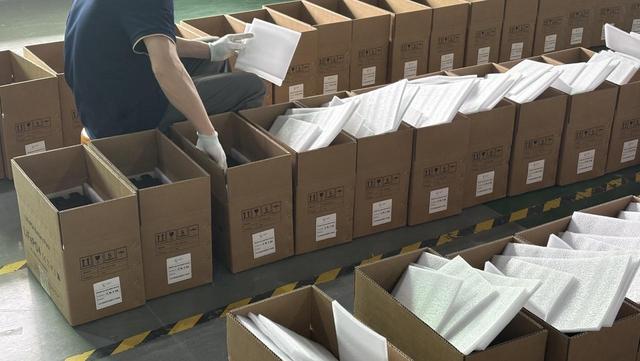
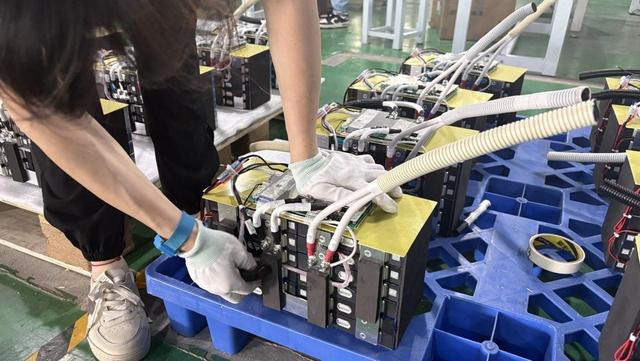
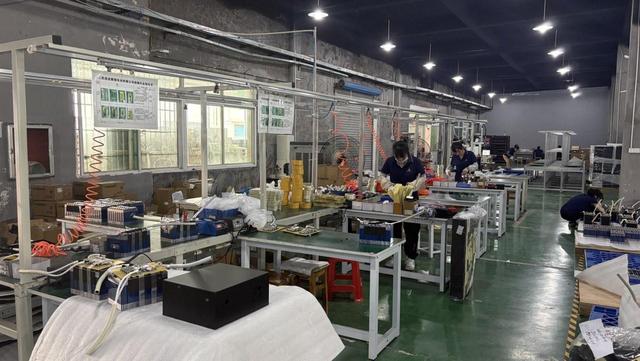
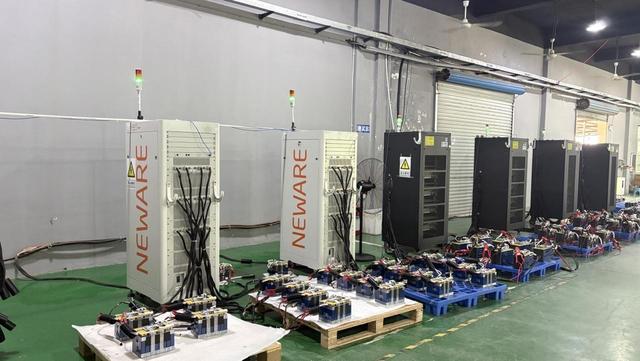
A look inside our state-of-the-art facilities showing where safety, reliability, and precision are built into every cell.
The marine landscape in the Pacific Northwest is highly diverse, and each segment presents unique physical and electrical requirements:
As battery technology continues to evolve rapidly, GAF Energy is actively investing in the next generation of energy storage solutions to serve the marine sector. Our R&D roadmap centers on three main technological pillars:
Solid-state technology represents the future of maritime safety. By replacing the liquid organic electrolyte inside standard lithium cells with a solid-state separator, we eliminate the risk of leaks and significantly lower the chance of thermal runaway under extreme physical impact or electrical stress. GAF Energy's ongoing development in semi-solid state LiFePO4 battery systems already offers increased energy density and stable performance, which are highly attractive to luxury yachts and commercial workboats seeking maximum range and safety.
The modern marine vessel is a connected ecosystem. Future battery integrations will rely on advanced BMS technologies that communicate directly with cloud-based monitoring systems. Our next-generation BMS systems use AI algorithms to evaluate cell state-of-health (SOH), predict thermal anomalies before they manifest, and dynamically balance cells based on real-time usage profiles. For fleet operators managing multiple vessels between Seattle and Alaska, this provides predictive maintenance capabilities, reducing unplanned downtime.
In accordance with Washington State's environmental protection directives, GAF Energy is committed to building sustainable product lifecycles. Our batteries are designed for ease of disassembly, facilitating battery recycling. After their useful marine life (typically 10-15 years), these batteries can be repurposed for static grid storage systems, ensuring a circular economic model.
Expert answers to common engineering, safety, and integration questions for marine applications in Seattle.
Yes, LiFePO4 batteries operate efficiently down to freezing temperatures. However, charging lithium batteries below 32°F (0°C) requires careful management. Charging at low temperatures can cause lithium plating on the anode, permanently degrading cell health. GAF Energy's advanced marine batteries feature optional integrated heating pads managed by the smart BMS, which use incoming charging current to warm the cells above freezing before allowing charge current to flow, protecting your investment.
Our marine batteries are built using certified A-grade prismatic LiFePO4 cells. Every pack design features an integrated BMS that monitors voltage, current, and temperature at the individual cell level, fulfilling ABYC E-13 recommendations. Furthermore, our products go through UN38.3 transport safety verification and conform to key safety benchmarks, offering peace of mind to marine inspectors and insurance adjusters in Washington State.
Absolutely. We specialize in ODM and OEM customization. If you are retrofitting an older yacht, tugboat, or commercial fishing vessel in Seattle with non-standard compartment sizes, our engineers can design custom metal enclosures (including IP67 waterproof cases) that fit your dimensions perfectly, complete with the appropriate wiring configurations and BMS interfaces.
Our high-quality LiFePO4 batteries are designed for 3000 to over 6000 cycles at 80% Depth of Discharge (DOD). For typical recreational boaters, this translates to 10+ years of reliable service. For commercial fishing fleets or tour vessels, this lifespan ensures a rapid return on investment compared to replacing lead-acid batteries every few seasons.
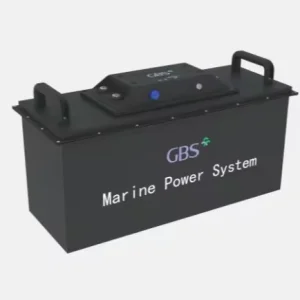
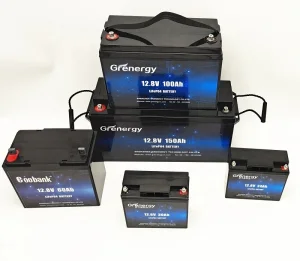
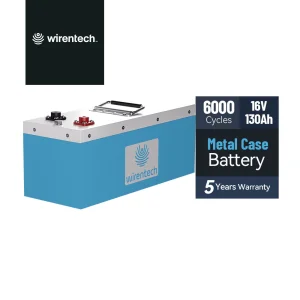
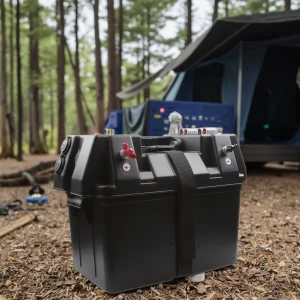
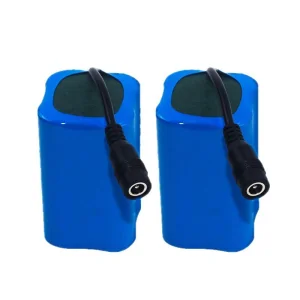
Our complete range of customizable, high-performance battery packs engineered to meet local marine specifications.
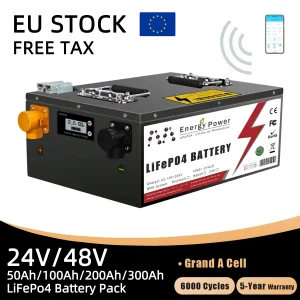
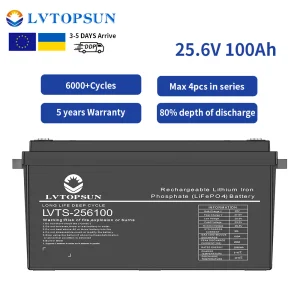
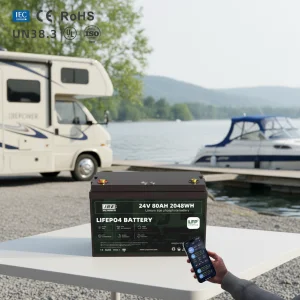
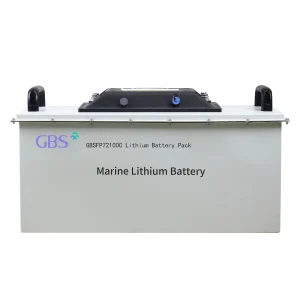
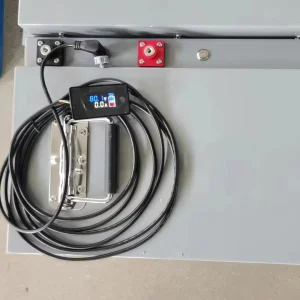
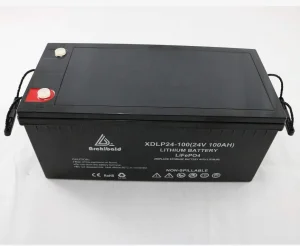
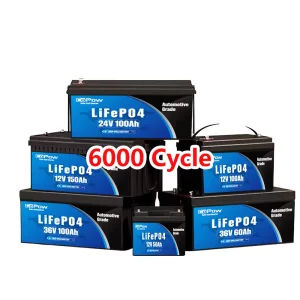
Contact GAF Energy's dedicated maritime application engineering team. We assist in battery system design, compliance certifications, and drop-in configuration for Seattle fleet operators.