GAF Energy
GAF Energy
GAF Energy
Engineered for high-duty cycling and grid resilience, optimizing power efficiency across residential and industrial settings in Ethiopia.
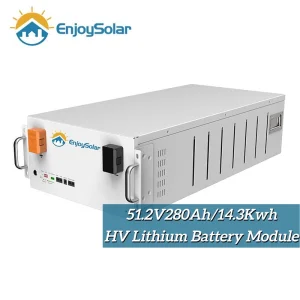
A comprehensive analysis of grid dynamics, altitude performance, and systemic high-voltage design in East Africa’s fastest-growing industrial economy.
Ethiopia is undergoing a rapid economic transformation. Under its national development programs, the country is positioning itself as a manufacturing hub in East Africa, marked by the rapid commissioning of massive industrial complexes like Hawassa Industrial Park, Bole Lemi, Kilinto, and the Eastern Industrial Zone. However, this growth has created an unprecedented surge in demand for reliable power. Although the country is rich in renewable energy resources—particularly hydro energy through the Grand Ethiopian Renaissance Dam (GERD)—the regional transmission and distribution grids struggle with reliability issues, voltage drops, and sudden supply shortfalls.
For heavy industry, manufacturing, and agricultural processing facilities, power instability results in direct financial losses, broken supply chains, and damaged production assets. Standard low-voltage (LV) battery solutions are no longer sufficient to bridge this gap. This is where High Voltage (HV) Lithium-ion battery systems (typically ranging from 200V up to 800V+) offer a strategic advantage. By implementing higher voltages, systems drastically reduce transmission losses, cut down installation and cabling costs, and integrate seamlessly with large-scale commercial solar photovoltaic (PV) setups.
In massive solar installations and industrial backup settings, energy transition losses must be minimized. A high-voltage storage configuration allows operators to design systems with much lower current rates to deliver the same amount of power ($P = I \times V$). By reducing the current ($I$), the heat dissipation ($I^2R$ losses) within the cables and cells drops exponentially. Consequently, copper cabling requirements are reduced in thickness, lowering overall capital expenditures (CAPEX) for large project developers.
Additionally, modern multi-megawatt commercial hybrid inverters operate on high-voltage DC buses (typically 400V to 900V DC). Connecting a low-voltage battery bank (e.g., 48V) to these systems requires step-up DC-DC converters, which introduces an efficiency penalty (often 3% to 7% loss per conversion). A native stackable high-voltage LiFePO4 battery pack matches the inverter's DC bus, achieving direct-to-inverter charging and discharging with over 98% round-trip conversion efficiency.
Safety is paramount when selecting energy storage technologies, especially in demanding industrial environments. Shenzhen GAF Energy Co., Ltd. exclusively uses A-grade Lithium Iron Phosphate (LiFePO4) chemistry. Unlike traditional cobalt-based lithium chemistries (such as NMC or LCO), LiFePO4 exhibits high thermal stability and an exceptionally low risk of thermal runaway.
Uncompromising cell sorting guarantees uniform internal resistance and prolonged capacity retention.
Dual-microprocessor monitoring checks voltage, temperature, and SOC at cell level in real-time.
Structural air-cooling channels and heat dissipation plate layouts optimized for high ambient climates.
Complies fully with UN38.3, MSDS, CE, RoHS, and UL safety standards for hazardous cargo transit.
Our High-Voltage battery systems incorporate intelligent Battery Management Systems (BMS) featuring active cell balancing. This technology ensures that even with hundreds of cells connected in series to achieve high voltage limits, every single cell maintains charge equilibrium. This significantly prevents premature degradation of individual cells, boosting operational lifespans up to 6,000+ cycles at 80% Depth of Discharge (DoD).
A key environmental variable that is often overlooked in battery system engineering is altitude. Major portions of Ethiopia, including its capital Addis Ababa, sit at high altitudes exceeding 2,300 meters above sea level. In high-altitude environments, the air is less dense, which negatively affects traditional convective cooling designs. At GAF Energy, our high-voltage battery racks are engineered with custom thermal margins, using forced air-cooling systems and larger heatsinks to maintain an optimal operating temperature window (15°C to 35°C) even under continuous load at high elevation.
Furthermore, reduced air density lowers the dielectric breakdown voltage of air, which can increase the risk of electrical arcing in high-voltage lines. To mitigate this risk, GAF Energy utilizes enhanced physical spacing between positive and negative terminals (increased creepage distance) and high-specification insulation ratings for all busbars and internal connectors.
A professional Lithium Battery Manufacturer | LiFePO4, Energy Storage & Renewable Power Solutions
Shenzhen GAF Energy Co., Ltd. is a professional Lithium Battery Manufacturer dedicated to delivering advanced energy storage technologies for residential, commercial, industrial, and renewable energy applications worldwide. With a focus on innovation, safety, and sustainability, the company provides high-performance lithium battery solutions that support the growing global demand for clean and reliable energy.
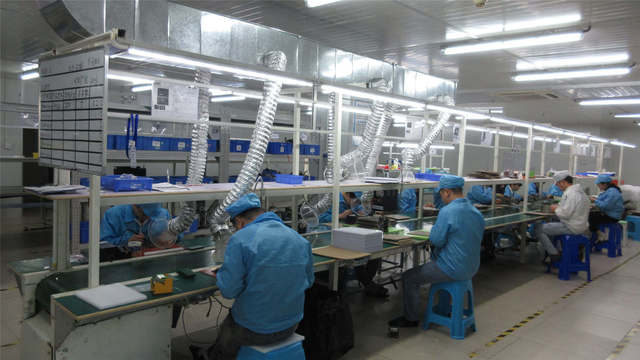
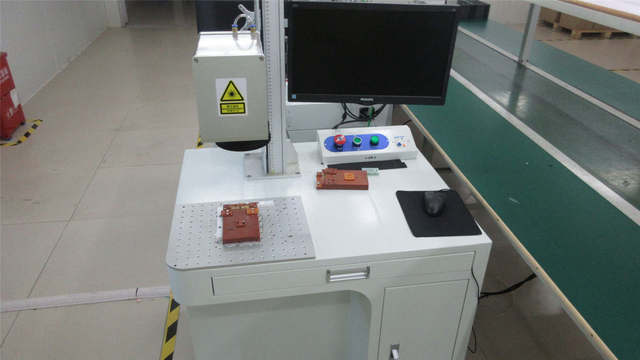
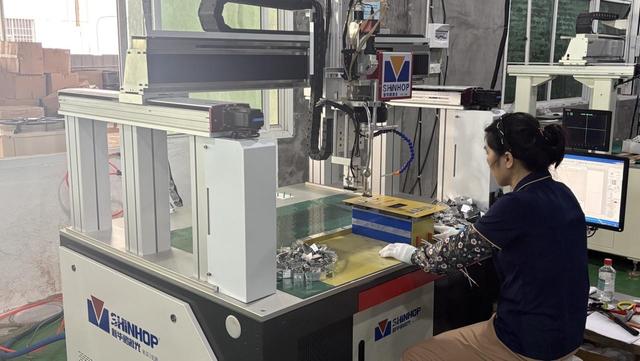
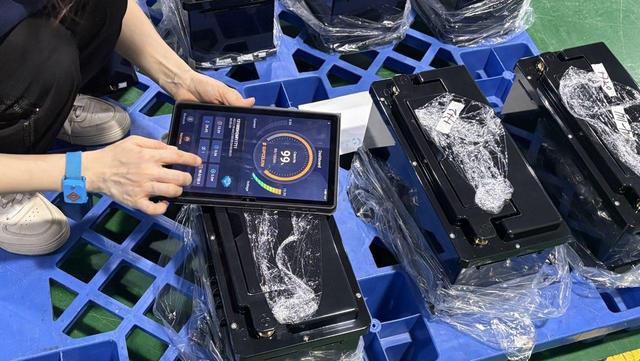
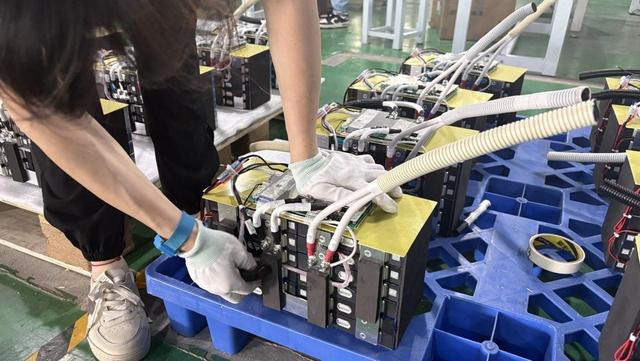
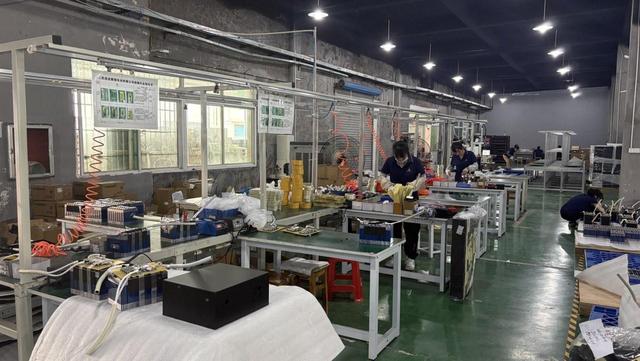
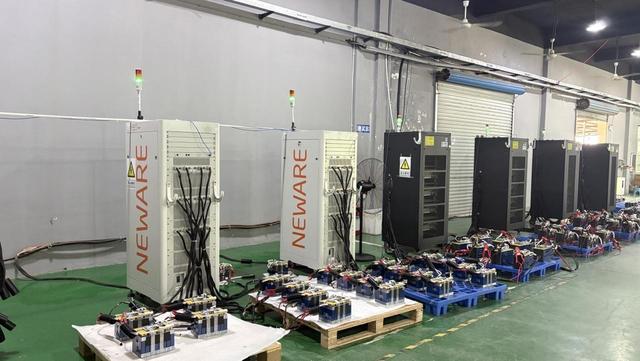
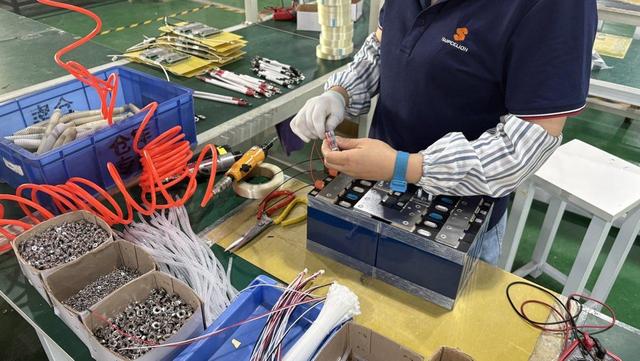
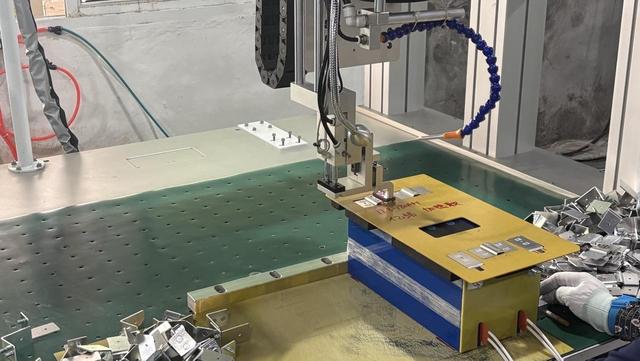
Headquartered in Shenzhen, China, GAF Energy operates modern manufacturing facilities equipped with advanced production equipment, automated assembly lines, and comprehensive quality management systems. The company specializes in the research, development, and production of LiFePO4 batteries, lithium-ion battery systems, residential energy storage batteries, commercial and industrial energy storage systems (ESS), solar storage batteries, rack-mounted battery systems, high-voltage battery solutions, and customized battery packs.
GAF Energy places strong emphasis on product quality and technological innovation. By utilizing premium battery cells, intelligent battery management systems (BMS), and rigorous testing procedures, the company ensures excellent safety, long cycle life, stable performance, and high energy efficiency. Every battery system is designed to meet the demanding requirements of renewable energy integration, backup power applications, and modern energy management solutions.
In addition to standard product offerings, GAF Energy provides comprehensive OEM and ODM services for distributors, energy solution providers, solar installers, system integrators, and private-label brands. From product design and engineering to manufacturing and technical support, the company delivers flexible solutions tailored to specific project requirements.
Serving customers across North America, Europe, Australia, Southeast Asia, Africa, and the Middle East, Shenzhen GAF Energy Co., Ltd. has established long-term partnerships based on product reliability, competitive pricing, and responsive customer service. Committed to accelerating the transition toward sustainable energy, the company continues to invest in advanced battery technologies and renewable energy innovations, helping customers achieve greater energy independence and long-term environmental benefits.
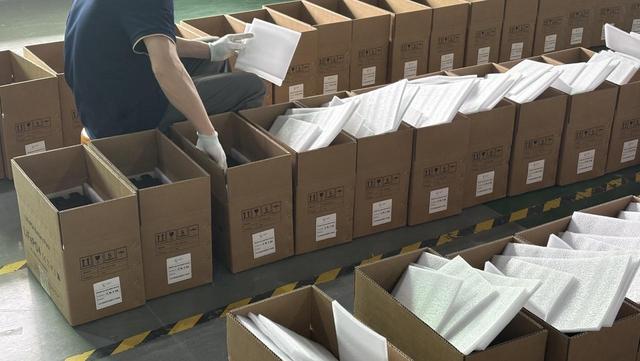
Importing industrial battery equipment into East Africa requires detailed logistical alignment and complete compliance records. Since high-voltage lithium battery systems are classified under Class 9 Hazardous Materials, they demand special shipping conditions, container tracking, and terminal certifications. GAF Energy works with leading global shipping lines to transport battery installations directly to the Port of Djibouti—the key transit point for the Ethiopian landlocked economy.
From Djibouti, we coordinate inland logistics via the Ethio-Djibouti Railway or secure trucking lines to ensure components arrive safely at local industrial parks and site locations. Our shipping documentation includes complete UN38.3 Test Reports, Material Safety Data Sheets (MSDS), CE/RoHS certifications, and custom documentation to expedite Ethiopian customs clearance. This end-to-end logistic strategy prevents delays and safeguards high-value battery cells against extreme external temperatures during transport.
To ensure stable and seamless power operations, a battery storage system must communicate dynamically with the solar plant’s inverter. GAF Energy’s high-voltage stackable battery systems utilize multi-protocol communication boards that support CAN, RS485, and Modbus networks. This native integration enables out-of-the-box compatibility with leading global inverter brands such as Deye, Growatt, Sungrow, GoodWe, SMA, and Victron.
The central BMS continuously reports operational metrics—including battery State of Charge (SoC), State of Health (SoH), cell temperatures, and current limitations—to the main hybrid inverter. In the event of a sudden voltage drop or thermal threshold breach, the BMS instructs the inverter to safely modulate or disconnect, preventing circuit overloads and extending system service lives.
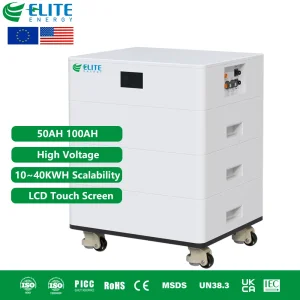
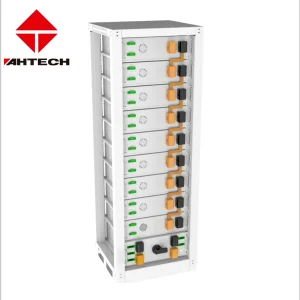
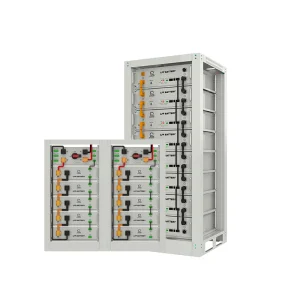
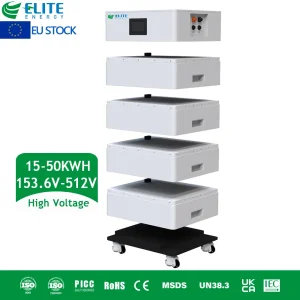
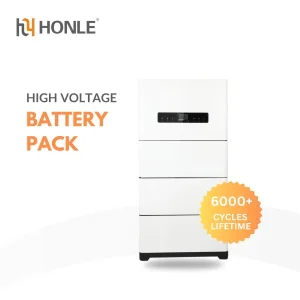
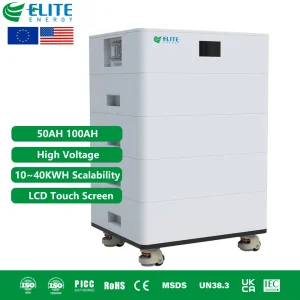
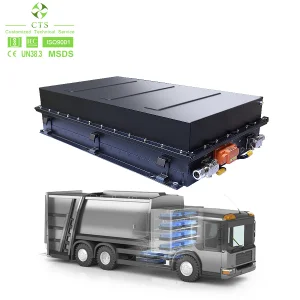
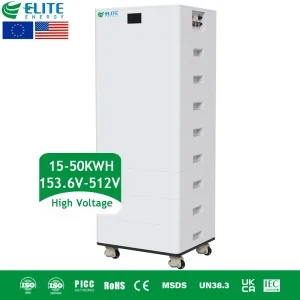
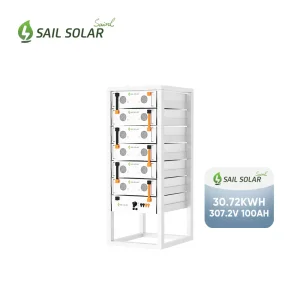
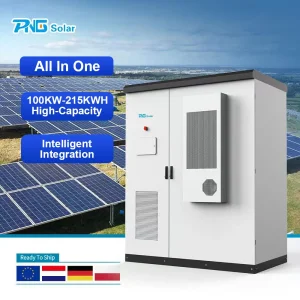
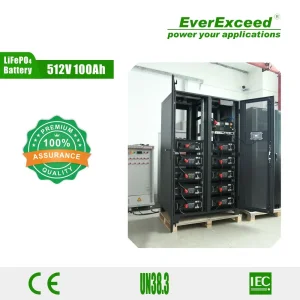
Explore our extensive portfolio of high-capacity storage racks, engineered for grid stabilization and critical backup power.
As energy generation technologies evolve, the future of the Ethiopian energy sector lies in decentralization and hybrid solar-hydro integrations. Standard energy grids are transitioning into smart grids equipped with multi-megawatt battery reserves. This transition is essential to stabilize grid networks during fluctuations in regional solar energy generation or seasonal hydro variations.
GAF Energy’s battery development roadmap targets integrating high-density solid-state batteries and next-generation LFP cells featuring advanced lithium plating prevention. These technical upgrades will further increase charge speeds (up to 2C charging) and safeguard systems against structural micro-cracking in harsh environments. By investing in scalable, modular high-voltage energy storage systems today, businesses across Addis Ababa, Dire Dawa, and Mekelle future-proof their operations for years to come.