GAF Energy
GAF Energy
GAF Energy
Explore our top-performing Tier-1 battery solutions designed for marine, recreational, residential, and high-voltage commercial solar storage systems.
Navigating structural transitions in global decarbonization, localized grid constraints, and electrochemical innovations.
The global transition toward decentralized and renewable power systems is accelerating at an unprecedented pace. Central to this paradigm shift is the deployment of utility-scale and Commercial & Industrial (C&I) Battery Energy Storage Systems (BESS). According to modern energy analytics, global battery installation requirements are anticipated to grow tenfold within this decade, driven by grid modernization, carbon reduction targets, and the economic benefits of energy arbitrage. Modern microgrids require highly optimized systems to resolve issues related to the intermittency of solar and wind resources. As grid frequencies experience larger variances due to high renewable penetration, batteries play a crucial role in maintaining network equilibrium through fast frequency response, peak shaving, and active load leveling.
For international procurers, sourcing battery cells and assemblies is no longer merely a procurement task; it is a critical engineering decision that dictates the lifespan, reliability, and safety of multi-million dollar capital projects. The choice between standard chemistries, such as Lithium Iron Phosphate (LiFePO4) and Lithium Nickel Manganese Cobalt Oxide (NMC), represents a strategic trade-off. LFP batteries offer superior thermal safety margins, extensive cycle life, and absolute cost advantages, making them the preferred chemistry for stationary storage. Meanwhile, NMC chemistries retain a high market share in space-constrained applications like electric vehicles (EVs), Automated Guided Vehicles (AGVs), and heavy industrial mobile units because of their superior volumetric energy density.
Many suppliers market "8000 cycles" without specifying the testing boundary conditions. A true industrial battery cycle life must be indexed to Temperature (typically 25°C), Charge/Discharge C-rate (e.g., 0.5C/0.5C), and Depth of Discharge (DOD) (standardized at 80%). Operating batteries at elevated temperatures without premium active thermal management systems can accelerate cell capacity decay by up to 40%.
Furthermore, localized grid constraints are prompting decentralized enterprises to adopt virtual power plants (VPPs). By integrating hundreds of distributed energy storage units, energy managers can offset peak electrical tariffs, provide ancillary services back to regional operators, and secure operational continuity during grid failures. Consequently, developers must select manufacturers capable of providing robust communication protocol integration (such as Modbus TCP, CANbus, and RS485) and intelligent cloud-based battery management platforms that support automated cell balancing and remote State of Health (SOH) monitoring.
Deconstructing the structural advantages that enable Chinese manufacturers to deliver high-quality energy storage devices.
From raw lithium refining and cathode precursor synthesis to structural pack assembly, Chinese hubs like Shenzhen coordinate production with unparalleled speed and scale.
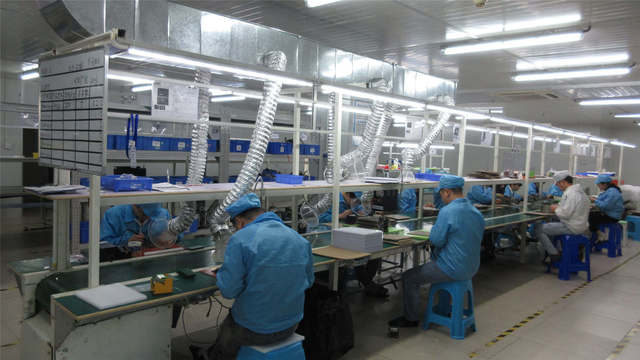
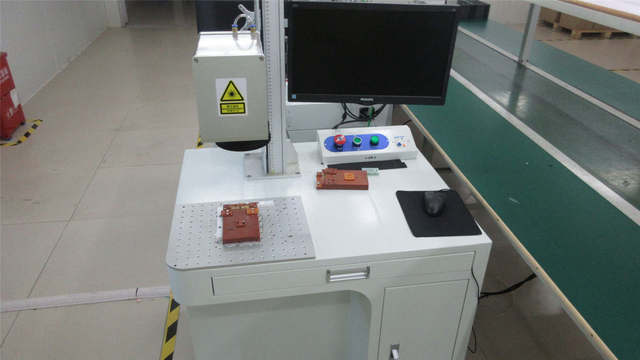
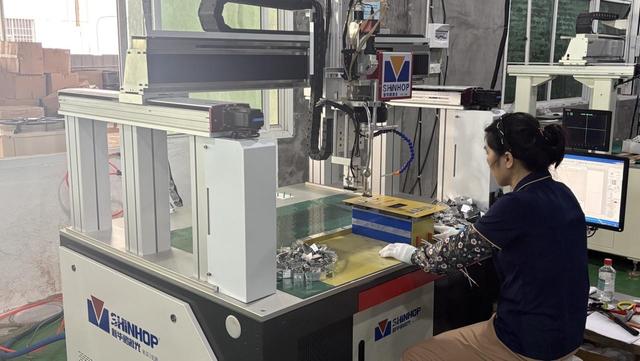
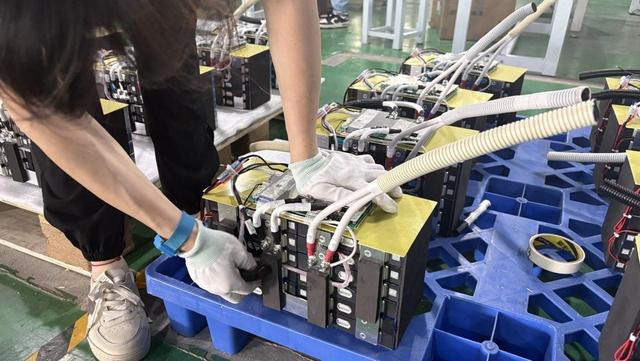
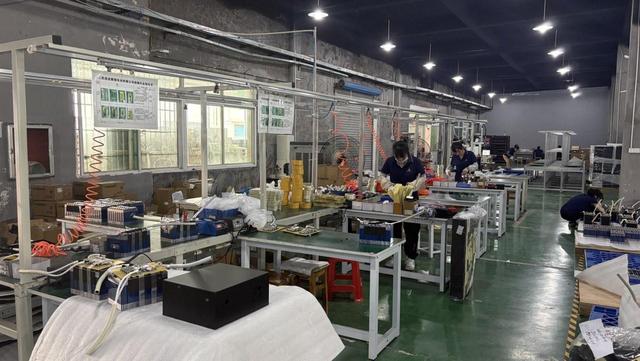
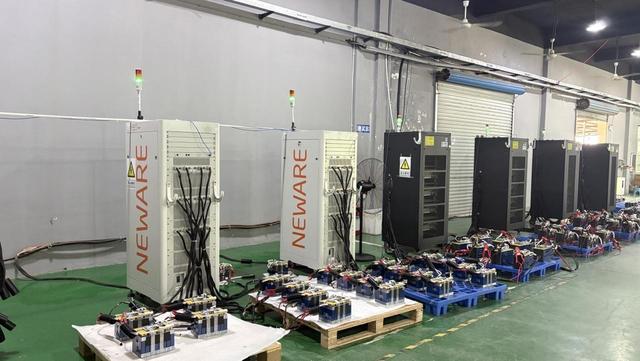
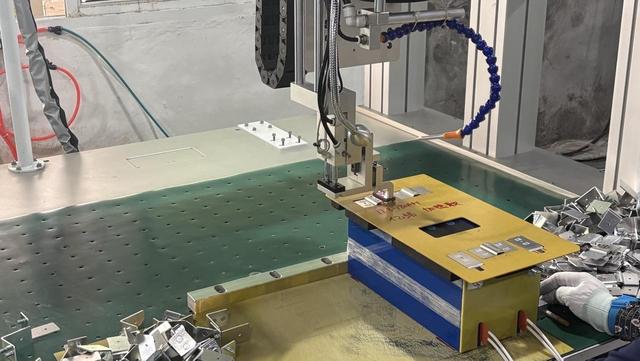
Modern production lines leverage computerized laser welding, machine-vision sorting, and high-precision chemical aging chambers, minimizing human error and batch variations.
Leading factories strictly comply with ISO9001, ISO14001, OHSAS18001, and internationally recognized product certifications including UL1973, CE, UN38.3, and IEC62619.
China is the global center for lithium-ion battery manufacturing, accounting for over 70% of the world's production capacity. This concentration is not merely a matter of low labor costs; it is the result of extreme supply chain density and specialized ecosystem clusters. In regions like Guangdong, battery pack developers, mechanical casing suppliers, thermal interface material (TIM) producers, and BMS chip integrators are located within a short radius. This proximity reduces logistical latency, speeds up prototyping cycles, and helps lower costs through scale.
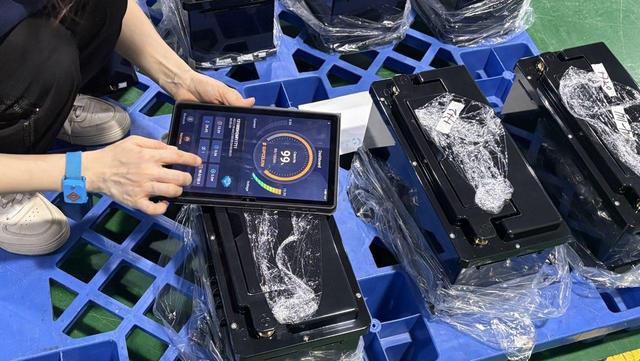
This operational efficiency enables manufacturers to continuously upgrade their manufacturing lines. The adoption of smart manufacturing practices, such as automated laser scanning, computerized weld inspection, and automated cell grading, ensures that battery packs are built using identical cells. Cell matching is crucial for multi-cell systems; variations in internal resistance or capacity among cells in series can lead to premature degradation, localized overheating, and lower system efficiency.
A clear technical breakdown comparing different cell chemistries, cycle lifespans, and typical applications.
| Battery Chemistry | Typical Nominal Voltage | Cycle Life (80% DOD) | Energy Density (Wh/kg) | Primary Industrial Use Case |
|---|---|---|---|---|
| Lithium Iron Phosphate (LiFePO4) | 3.2V / Cell | 4,000 - 8,000+ | 140 - 180 Wh/kg | Home energy storage, solar microgrids, AGVs, electric forklifts, telecommunication base stations. |
| Ternary Lithium (NMC) | 3.7V / Cell | 2,000 - 4,000 | 200 - 260 Wh/kg | Electric vehicles, marine propulsion, high-performance power tools, consumer electronics. |
| Sodium-Ion (Na-Ion) | 3.1V / Cell | 3,000 - 5,000 | 100 - 150 Wh/kg | Low-temperature energy storage systems, backup power, two-wheeled electric transport. |
| Lead-Acid (Traction / Gel) | 2.0V / Cell | 500 - 1,500 | 30 - 50 Wh/kg | Legacy warehouse material handling equipment, traditional emergency lighting. |
From standard backup power to highly demanding recreational, commercial, and high-voltage grid integrations.
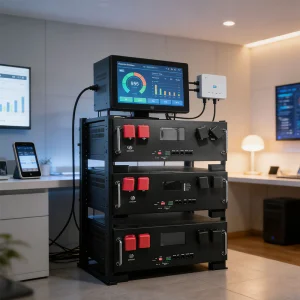
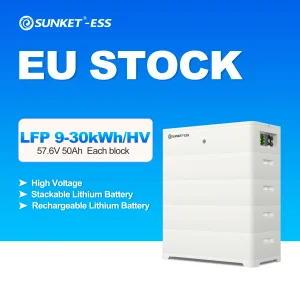
Different applications require different engineering specifications. In residential settings, home energy storage solutions (ESS) must operate reliably and fit into standard layouts. Typical designs include 51.2V rack-mounted units and modular, stackable wall batteries. These residential systems help homeowners store excess solar energy generated during the day and use it during peak evening tariff hours, maximizing self-consumption and providing backup during grid outages.
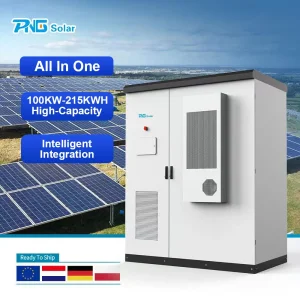
In contrast, Commercial & Industrial (C&I) installations require larger capacities and higher voltage levels. To minimize losses over long cable runs, industrial setups are configured in series to reach system voltages ranging from 400V to over 1000V. These configurations use containerized battery setups (such as 20ft or 40ft structures with megawatt-hour capacities) equipped with HVAC systems, automated fire suppression (like Novec 1230 or Aerosol systems), and dual-loop liquid cooling. This thermal management ensures cell temperatures remain within a narrow window, preventing thermal runaway and extending operational life.
Recreational and specialty industries, such as golf carts, marine bait boats, and RV camping, require unique specifications. Golf carts, for instance, need batteries that can handle high current demands during acceleration and hill climbs, and quickly recharge during idle periods. Marine applications require hermetically sealed, IP67-rated battery packs to prevent saltwater ingress, corrosion, and short circuits, ensuring safety and reliability in wet environments.
Key criteria for international buyers evaluating battery partners, cell quality, and manufacturing standards.
Procuring industrial battery systems requires careful technical evaluation. Choosing the right manufacturer is about more than just looking at the unit price per kilowatt-hour ($/kWh). Buyers should assess the supplier's engineering process, component quality, and quality control systems. A key aspect is the cell source: reputable manufacturers should provide trace records showing they use Grade A, brand-new cells from recognized makers (such as CATL, EVE, DMEGC, or BYD) rather than refurbished cells.
The Battery Management System (BMS) is another critical component. It is the core controller of the battery pack, responsible for over-voltage protection, over-current prevention, thermal cutoffs, and cell balancing. A poorly designed BMS can cause uneven cell wear, leading to pack failure, and in worst-case scenarios, thermal runaway. Buyers should ensure the BMS supports active balancing rather than just passive balancing, especially for large systems. Active balancing transfers charge between cells to maximize usable capacity, while passive balancing simply dissipates excess energy as heat, reducing efficiency.
Ensure your supplier provides verified documentation for: UL1973 (stationary battery safety), IEC62619 (industrial safety standards), UN38.3 (lithium battery transport safety), and CE / FCC compliance. Missing certifications can lead to project delays, customs rejections, and invalidation of insurance coverage.
Looking ahead at the next decade of electrochemical innovation, safety standards, and smart systems.
The energy storage industry continues to evolve. Key areas of focus include increasing energy density, improving safety margins, and lowering manufacturing costs. A major trend is the development of semi-solid-state and solid-state batteries. By replacing liquid electrolytes with solid, non-flammable materials, solid-state batteries offer higher energy densities and reduced risks of fire, making them a promising option for next-generation energy storage.
Another key development is the emergence of Sodium-Ion technology. While sodium-ion cells have lower energy density than LFP, they use more abundant and less expensive raw materials. This makes them a cost-effective alternative for stationary grid storage and projects in extreme cold climates, as they perform well at low temperatures. In addition, the integration of AI-driven cloud diagnostics is changing how battery assets are managed, allowing operators to monitor systems, detect faults early, and schedule predictive maintenance before issues occur.
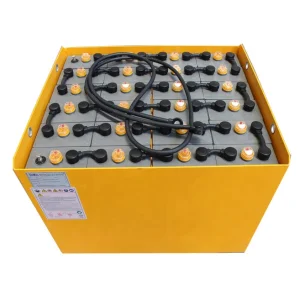
High-voltage containerized systems, forklift batteries, and industrial replacement packs.
A professional Lithium Battery Manufacturer delivering LiFePO4, Energy Storage & Renewable Power Solutions worldwide.
Shenzhen GAF Energy Co., Ltd. is a professional Lithium Battery Manufacturer | LiFePO4, Energy Storage & Renewable Power Solutions dedicated to delivering advanced energy storage technologies for residential, commercial, industrial, and renewable energy applications worldwide. With a focus on innovation, safety, and sustainability, the company provides high-performance lithium battery solutions that support the growing global demand for clean and reliable energy.
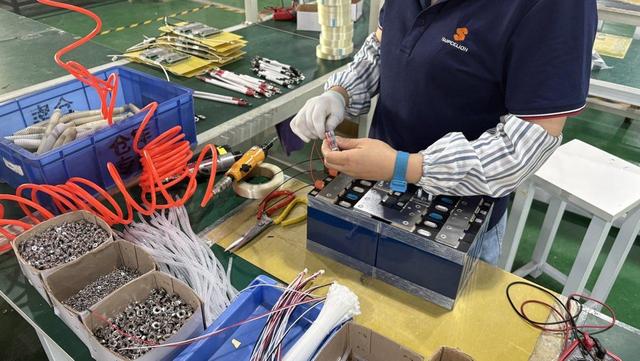
Headquartered in Shenzhen, China, GAF Energy operates modern manufacturing facilities equipped with advanced production equipment, automated assembly lines, and comprehensive quality management systems. The company specializes in the research, development, and production of LiFePO4 batteries, lithium-ion battery systems, residential energy storage batteries, commercial and industrial energy storage systems (ESS), solar storage batteries, rack-mounted battery systems, high-voltage battery solutions, and customized battery packs.
GAF Energy places strong emphasis on product quality and technological innovation. By utilizing premium battery cells, intelligent battery management systems (BMS), and rigorous testing procedures, the company ensures excellent safety, long cycle life, stable performance, and high energy efficiency. Every battery system is designed to meet the demanding requirements of renewable energy integration, backup power applications, and modern energy management solutions.
In addition to standard product offerings, GAF Energy provides comprehensive OEM and ODM services for distributors, energy solution providers, solar installers, system integrators, and private-label brands. From product design and engineering to manufacturing and technical support, the company delivers flexible solutions tailored to specific project requirements.
Serving customers across North America, Europe, Australia, Southeast Asia, Africa, and the Middle East, Shenzhen GAF Energy Co., Ltd. has established long-term partnerships based on product reliability, competitive pricing, and responsive customer service. Committed to accelerating the transition toward sustainable energy, the company continues to invest in advanced battery technologies and renewable energy innovations, helping customers achieve greater energy independence and long-term environmental benefits.
Answers to common technical, commercial, and logistics questions about our energy storage solutions.