GAF Energy

Executive Whitepaper: Decarbonization and the Paradigm Shift in Portable & Commercial Energy Storage
In the contemporary global landscape, the transition to clean energy systems is no longer a peripheral strategy; it is a fundamental technological paradigm. Underpinning this revolution is the rise of high-capacity portable and commercial lithium batteries. As organizations navigate the complexities of decentralized grids, volatile energy markets, and strict regulatory standards regarding scope emissions, sourcing highly resilient energy systems has become a critical focal point.
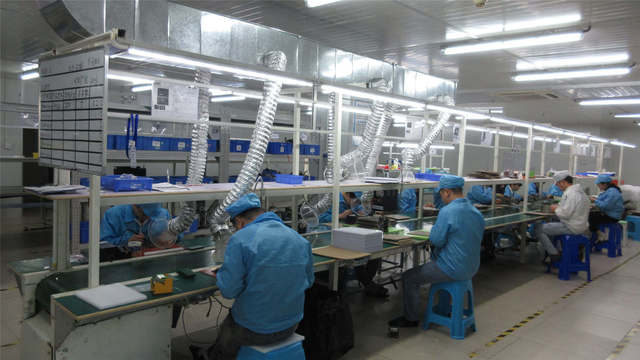
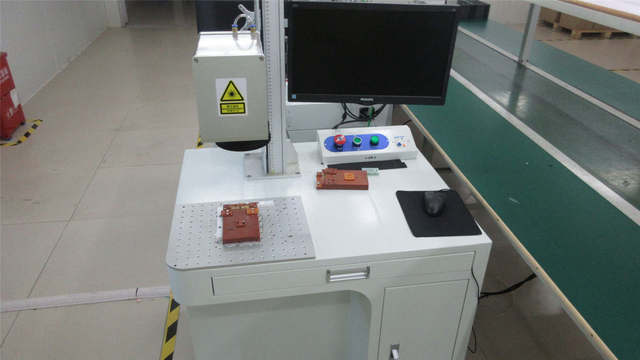
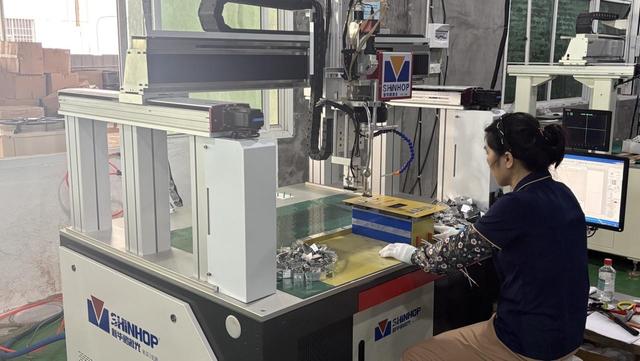
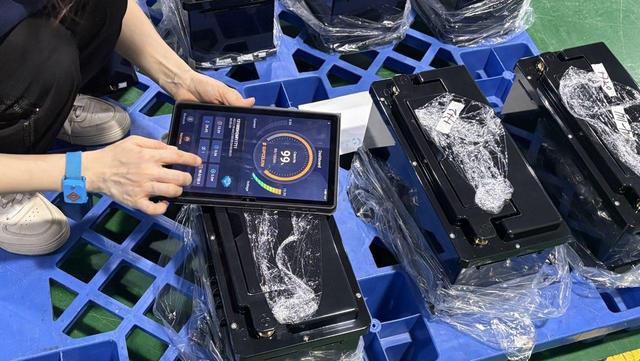
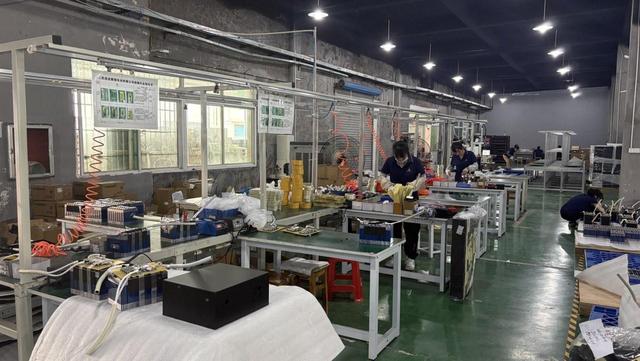
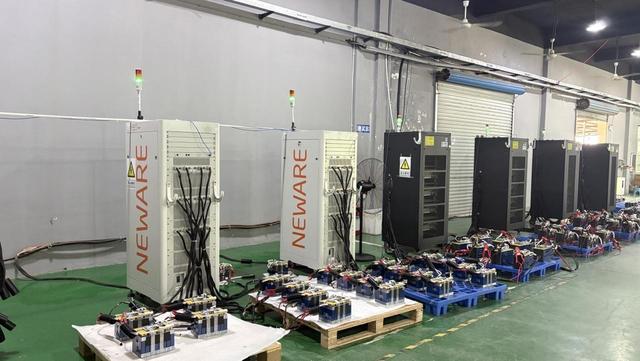
This industry report outlines the major technological advances in Lithium Iron Phosphate (LiFePO4) and semi-solid-state chemistries, explores global commercial procurement criteria, analyzes the robust dynamics of China's automated manufacturing sector (Industry 4.0), and provides a deep dive into the operational excellence of Shenzhen GAF Energy Co., Ltd.—a leading Chinese manufacturer bridging the gap between cutting-edge technology and localized integration.
Section 1: Critical Trends in Global Portable & Stationary Lithium Technologies
Technological refinement within the portable and medium-format lithium space centers around three core drivers: density optimization, thermodynamic safety, and lifecycle longevity. While the automotive sector has historically driven Nickel Manganese Cobalt (NMC) chemistries, the commercial, residential, and portable industrial sectors have definitively favored LiFePO4 (Lithium Iron Phosphate) and emerging semi-solid-state designs.
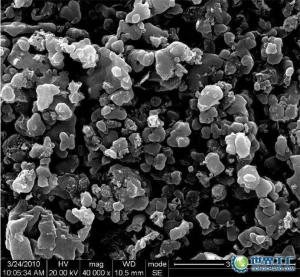
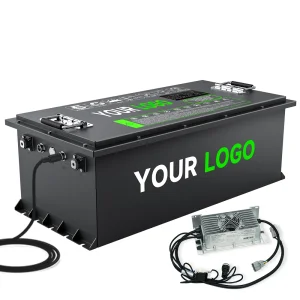
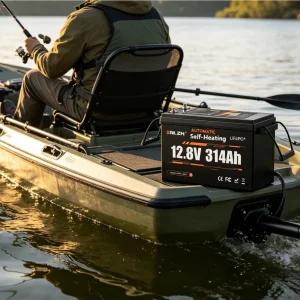
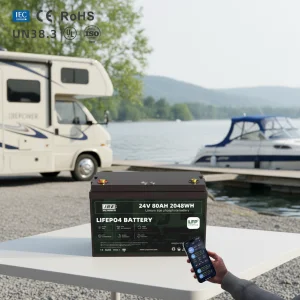
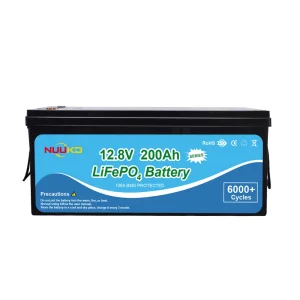
LiFePO4 features an inherently stable olivine crystal structure. This chemical configuration ensures that even during internal structural stress or thermal conditions up to 60°C, oxygen release does not occur, avoiding the volatile thermal runaways typical of traditional oxide-based lithium chemistries. Additionally, the standard cycle life of contemporary LiFePO4 cells ranges from 4,000 to over 6,000 cycles (at 80% Depth of Discharge - DoD), creating a resilient platform for off-grid generators, marine power systems, and heavy industrial machinery like forklifts.
Parallel to LiFePO4 is the advent of semi-solid-state lithium packs. By replacing part of the liquid electrolyte with a solid polymer or ceramic conductive matrix, these packs reduce flammable compound presence, boost gravimetric energy density to over 260 Wh/kg, and offer IP67 or IP68 ingress protection—critical for marine crafts, military-grade outdoor equipment, and recreational vehicles exposed to extreme environments.
| Battery Chemistry | Energy Density (Wh/kg) | Standard Cycle Life (80% DoD) | Thermal Runaway Temperature | Best Fit Application Scenarios |
|---|---|---|---|---|
| LiFePO4 (LFP) | 140 - 180 Wh/kg | 4,000 - 6,000 Cycles | ~270°C to 300°C | Solar BESS, RVs, Marine, Material Handling, Golf Carts |
| Semi-Solid-State | 220 - 280 Wh/kg | 2,000 - 3,500 Cycles | ~350°C | IP67/68 Heavy Machinery, Marine Recreation, Custom RV Power |
| Ternary (NMC) | 200 - 260 Wh/kg | 1,000 - 2,000 Cycles | ~210°C | Consumer Electronics, Light Weight Handheld Devices |