GAF Energy
GAF Energy
GAF Energy
Explore our premium product line, engineered for exceptional lifecycle, safety, and integration capabilities across applications.
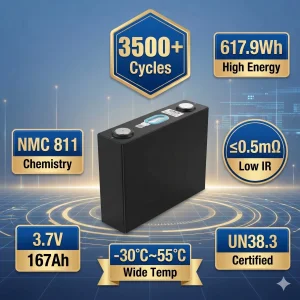
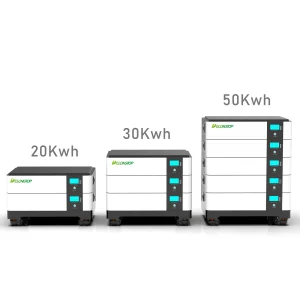
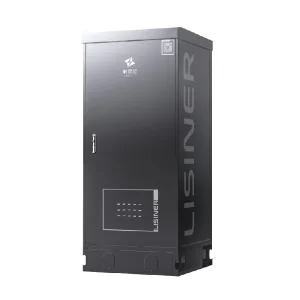
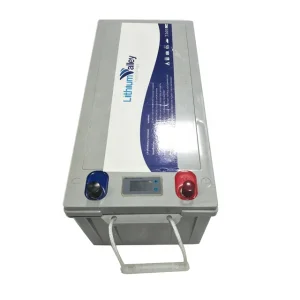
Shenzhen GAF Energy Co., Ltd. is a globally distinguished Lithium Battery Manufacturer specializing in LiFePO4, Energy Storage, & Renewable Power Solutions. Focused on technological engineering, premium material integration, and rigorous testing architectures, the company serves residential, commercial, industrial, and utility-scale application partners globally. As clean energy strategies scale globally, GAF Energy produces state-of-the-art battery technologies configured to meet complex deployment environments with high durability and safety.
Headquartered in the manufacturing hub of Shenzhen, China, GAF Energy operates multi-hectare production complexes containing automated production structures, state-of-the-art environmental chambers, and computerized quality diagnostic cells. The factory portfolio spans LiFePO4 battery packs, prismatic lithium-ion systems, rack-mount residential systems, high-voltage commercial and industrial energy storage systems (BESS), solar hybrid solutions, and complex custom vehicle battery systems. This allows the organization to control performance variables from single-cell sorting to multi-megawatt configurations.
By leveraging certified premium battery chemistry, integrating smart programmable Battery Management Systems (BMS), and enforcing rigorous mechanical testing, GAF Energy delivers modules featuring extended cycle life, low internal resistance, high discharge efficiency, and absolute safety threshold configurations.
GAF Energy provides extensive OEM and ODM customization services for global distributors, renewable system integrators, microgrid engineers, and private-label brands. The company manages projects from thermal simulations and architectural drafting to safety certification pathways and international dangerous goods logistics, ensuring bespoke solutions align with client needs.
Serving core regions in North America, Europe, Australia, APAC, Africa, and the Middle East, Shenzhen GAF Energy Co., Ltd. supports regional partners with regulatory compliance and technical consultation. GAF Energy accelerates global decarbonization pathways by delivering high-density, reliable power architectures.
The global energy sector is transitioning from centralized fossil fuel frameworks to decentralized, resilient smart grids. Advanced battery energy storage systems (BESS) are critical to this transition. Increased geopolitical focus on energy security, coupled with standard mandates on greenhouse gas reduction, has accelerated deployment across residential microgrids, telecom towers, off-road utility transport, and utility transmission systems.
In modern industrial applications, safety, thermal stability, and operational lifetime are major considerations. Lithium Iron Phosphate (LiFePO4) chemistry has emerged as the preferred option for stationary energy storage and heavy industrial motive power, outperforming traditional Lead-Acid and Nickel Manganese Cobalt (NMC) options in key metrics:
Battery performance depends heavily on the integrated Battery Management System (BMS). Modern BMS architectures use dual-microprocessor systems that monitor cell voltages, current fluctuations, and temperature profiles in real time. Advanced active balancing technologies redistribute energy from higher-charged cells to lower-charged ones, boosting usable pack capacity by up to 10% and preventing localized cell degradation.
Enterprise procurement professionals in North America, the European Union, Australia, and key emerging markets must navigate technical compliance, logistics, and quality assurance during supplier evaluation. Large-scale battery procurement projects require balancing upfront Capital Expenditure (CAPEX) with long-term Operational Expenditure (OPEX).
When sourcing industrial mobile power systems, procurement engineers prioritize several technical benchmarks:
GAF Energy provides end-to-end customizable design processes, enabling engineers to tailor battery dimensions, continuous discharge C-ratings, ingress protection levels (IP54 to IP67), and active liquid or forced-air cooling systems to project-specific requirements.
GAF Energy delivers tailored, project-specific engineering solutions across key industries:
For factory settings, multi-tenant offices, and mining installations, GAF Energy offers modular, high-voltage battery cabinets (e.g., 215KWh to 500KWh capacities). These systems support peak shaving, load-leveling, reactive power compensation, and backup power during grid failures, improving energy efficiency and lowering utility demand charges.
Modern 5G telecommunication networks require reliable backup power to prevent data loss. GAF Energy's rack-mounted 48V LiFePO4 configurations, featuring hot-swappable communication modules, supply continuous backup power in demanding environments, outperforming lead-acid alternatives in lifespan and temperature tolerance.
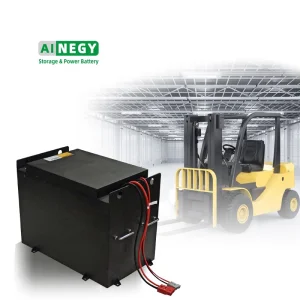
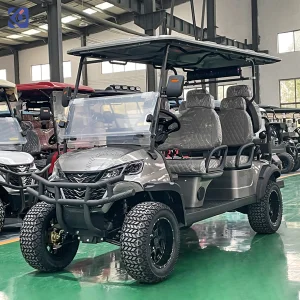
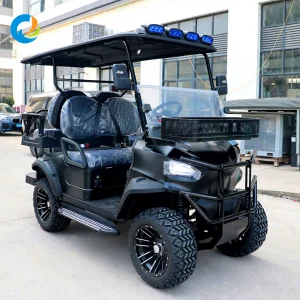
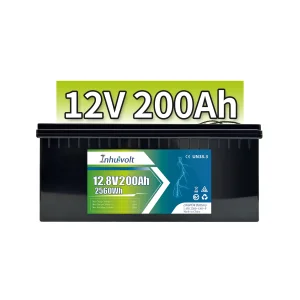
For operations in distribution centers, golf resorts, and port authorities, GAF Energy manufactures specialized heavy-duty battery packs (e.g., 48V 300Ah and 72V configurations) designed for electric forklifts, automated guided vehicles (AGVs), and street-legal golf carts. These batteries support fast charging, withstand continuous vibrations, and maintain stable voltage profiles under high starting-current loads.
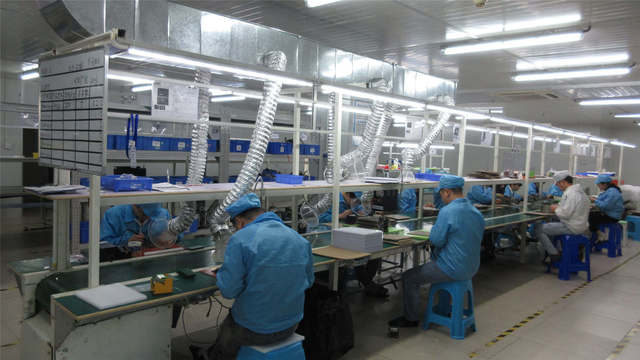
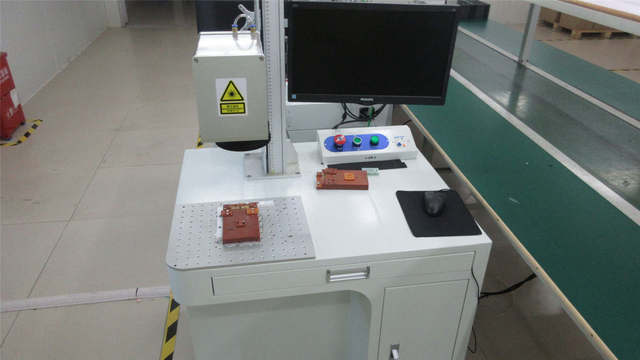
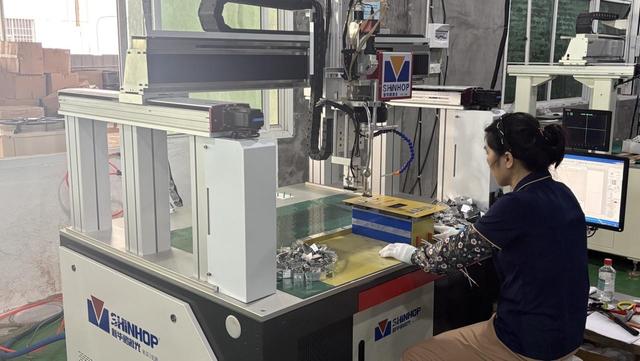
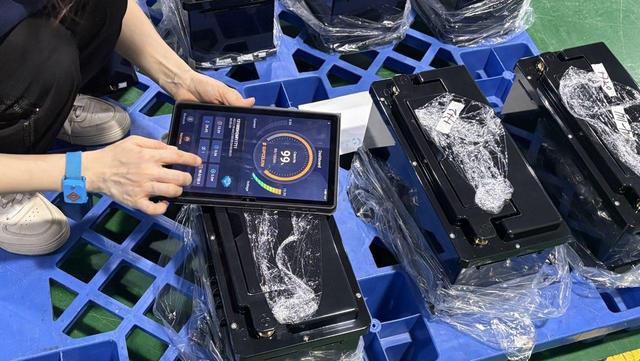
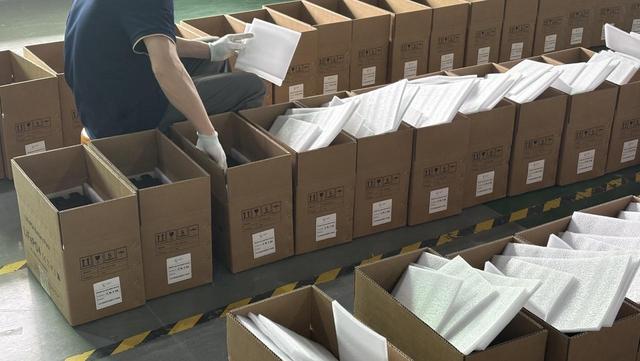
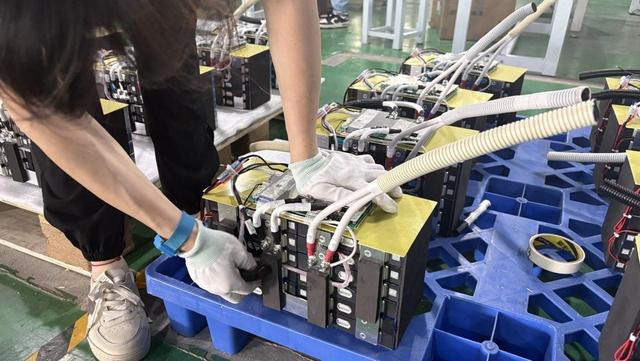
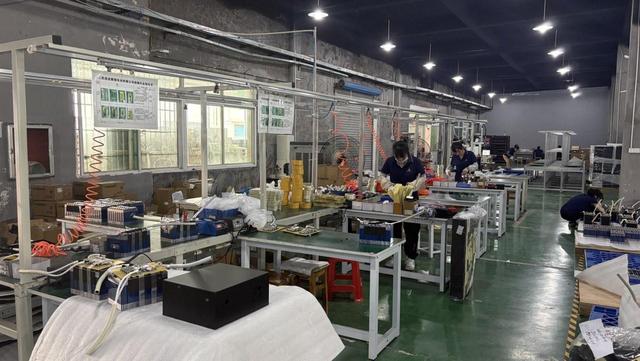
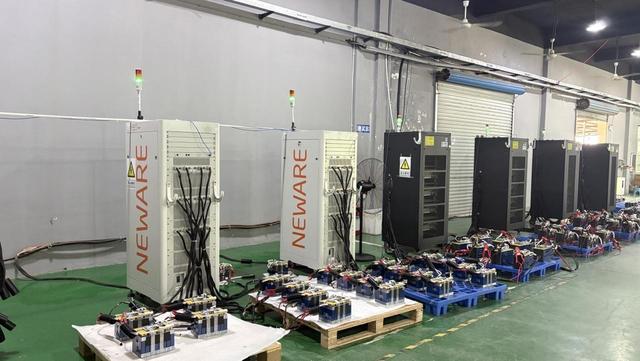
Below is a preview of the modern assembly facilities, advanced aging areas, and computerized testing structures operated by GAF Energy in Shenzhen, China.
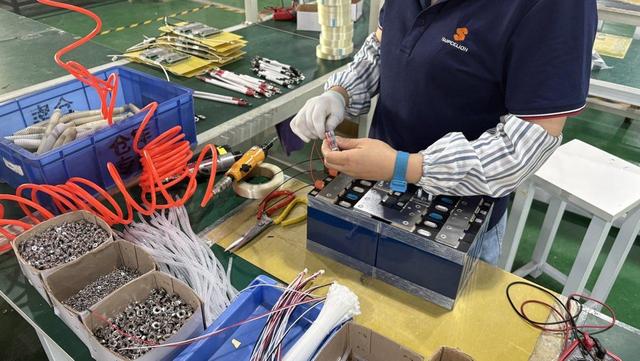
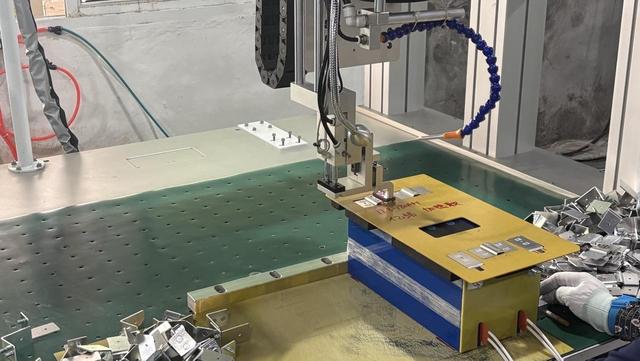
In response to changing international standards, GAF Energy's research and development focuses on three primary technological areas:
Solid-state battery research aims to replace liquid organic electrolytes with solid-state inorganic materials. GAF Energy is designing pilot cells that offer increased safety profiles, high voltage tolerance, and volumetric energy densities exceeding 280 Wh/kg, aiming to reduce installation footprints.
For applications where cost-efficiency and performance at extreme low temperatures (-30°C to -40°C) are critical, GAF Energy is testing Sodium-ion configurations. These batteries use abundant raw materials, offering stable backup alternatives for high-latitude telecom stations and regional agricultural equipment.
Future iterations of GAF Energy's BMS will feature integrated IoT modules. These systems utilize machine learning models to analyze real-time usage data, predict battery aging patterns, identify cell voltage anomalies, and notify maintenance teams before faults occur, supporting remote operations.
Review technical answers compiled by our application engineers to address common sourcing, compliance, and shipping questions.
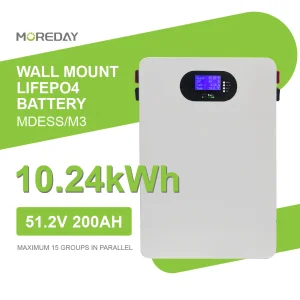
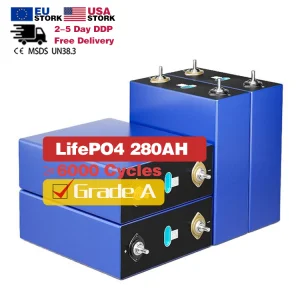
Explore our industrial-grade motive power packs, home energy storage products, and custom vehicle battery modules designed for demanding operational environments.