GAF Energy
GAF Energy
GAF Energy
Engineered for absolute performance, high C-rates, and ultimate structural resilience. Discover the top heavy industrial systems designed for deep cycle operations.
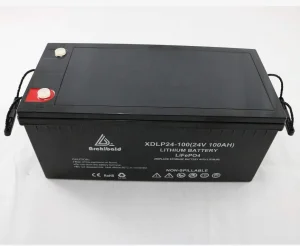
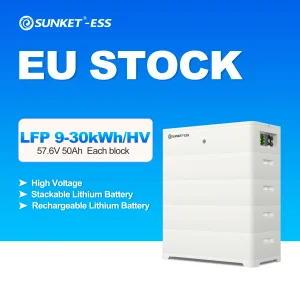
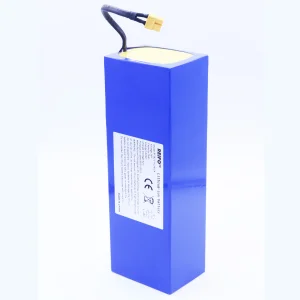
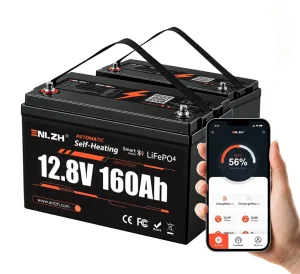
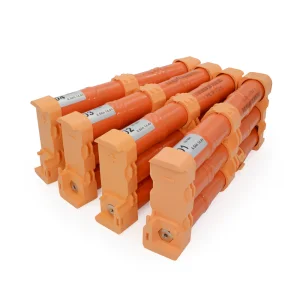
Global logistics, mining, and municipal public transit sectors are undergoing a massive transition. The drive toward lower emissions is no longer just a matter of regulatory compliance (such as the Euro VI standards, US EPA rules, and regional net-zero mandates); it has become a strategy for long-term economic efficiency. Heavy-duty vehicles, including dump trucks, commercial transport fleets, long-haul trailers, and multi-axle freight transporters, present unique operating demands that traditional passenger vehicle batteries cannot meet.
These industrial vehicles operate under extreme conditions, demanding high continuous C-rates, resistance to constant structural vibration, and wide operational temperature tolerances ranging from sub-zero arctic environments to scorching desert mining sites. Choosing the right heavy vehicle battery manufacturer is a critical decision that influences fleet uptime, safety, and total cost of ownership (TCO).
Understanding the engineering milestones that define Tier 1 performance in commercial shipping and mining fleets.
Transitioning from 400V to 800V and higher architectures allows commercial vehicles to reduce cable weight, minimize heat losses, and enable ultra-fast charging (Megawatt Charging System - MCS).
Lithium Iron Phosphate (LFP) chemistry delivers up to 6000+ cycles at 80% Depth of Discharge (DoD), ensuring that battery lifetime aligns with the operating lifespan of the commercial chassis.
Modern commercial battery management systems (BMS) utilize AI algorithms to monitor cell degradation, balance state of charge (SoC), and predict potential cell thermal runaways before they occur.
Combining High-Rate NiMH or LTO (Lithium Titanate) cells for instant peak torque and regenerative braking capture, with large-capacity LFP packs for extended range and steady power delivery.
Standardized physical sizes allow commercial fleets to adjust total battery capacity (e.g., from 150kWh to 600kWh) depending on the vehicle payload and daily routing distance requirements.
The next frontier in energy density and safety. Semi-solid state and solid-state batteries eliminate volatile liquid electrolytes, dramatically reducing fire risk and increasing cargo payload capacity.
Active thermal management ensures each cell operates in its sweet spot (15°C to 35°C), preventing thermal runaway propagation during fast-charging and heavy discharge cycles.
Heavy duty off-road vehicles require structural chassis packaging designed to absorb high-impact mechanical forces, compliant with demanding military and commercial testing standards.
Leading exporters design products with second-life grid applications in mind, easing disassembling, component sorting, and recycling processes to comply with strict global waste rules.
Heavy vehicles have massive energy storage capacities. V2G connectivity allows parked fleets to serve as virtual power plants (VPPs), feeding power back into the municipal grid at peak hours.
Shenzhen GAF Energy Co., Ltd. is a professional Lithium Battery Manufacturer | LiFePO4, Energy Storage & Renewable Power Solutions dedicated to delivering advanced energy storage technologies for residential, commercial, industrial, and renewable energy applications worldwide. With a focus on innovation, safety, and sustainability, the company provides high-performance lithium battery solutions that support the growing global demand for clean and reliable energy.
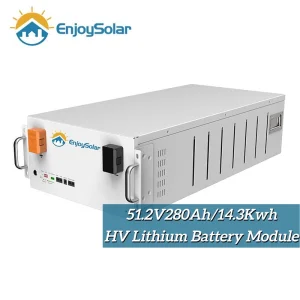
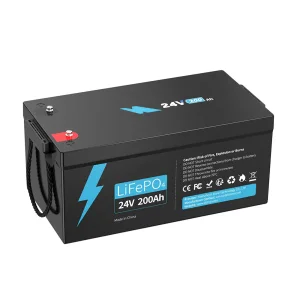
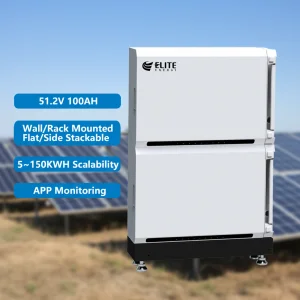
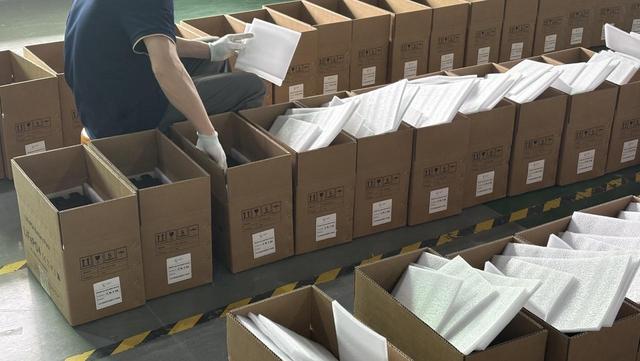
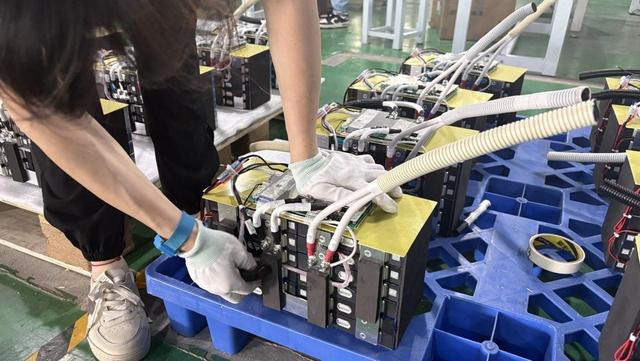
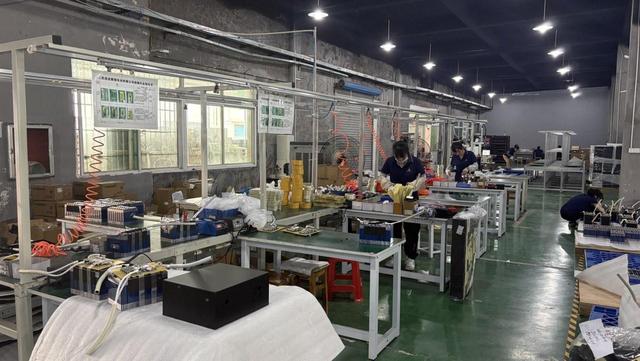
Headquartered in Shenzhen, China, GAF Energy operates modern manufacturing facilities equipped with advanced production equipment, automated assembly lines, and comprehensive quality management systems. The company specializes in the research, development, and production of LiFePO4 batteries, lithium-ion battery systems, residential energy storage batteries, commercial and industrial energy storage systems (ESS), solar storage batteries, rack-mounted battery systems, high-voltage battery solutions, and customized battery packs.
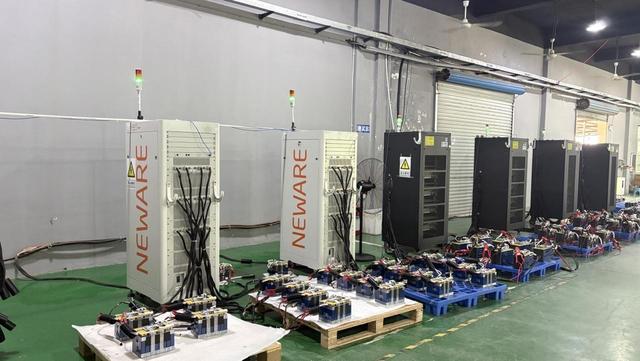
GAF Energy places strong emphasis on product quality and technological innovation. By utilizing premium battery cells, intelligent battery management systems (BMS), and rigorous testing procedures, the company ensures excellent safety, long cycle life, stable performance, and high energy efficiency. Every battery system is designed to meet the demanding requirements of renewable energy integration, backup power applications, and modern energy management solutions.
In addition to standard product offerings, GAF Energy provides comprehensive OEM and ODM services for distributors, energy solution providers, solar installers, system integrators, and private-label brands. From product design and engineering to manufacturing and technical support, the company delivers flexible solutions tailored to specific project requirements.
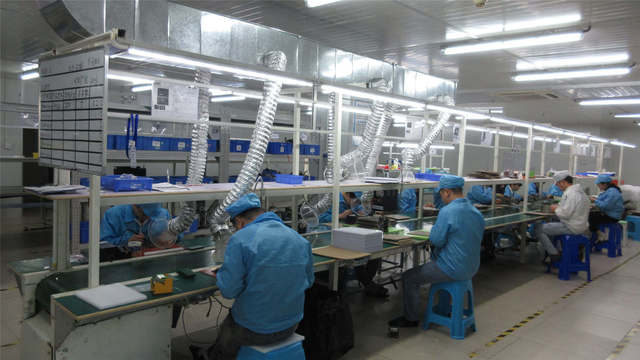
Serving customers across North America, Europe, Australia, Southeast Asia, Africa, and the Middle East, Shenzhen GAF Energy Co., Ltd. has established long-term partnerships based on product reliability, competitive pricing, and responsive customer service.
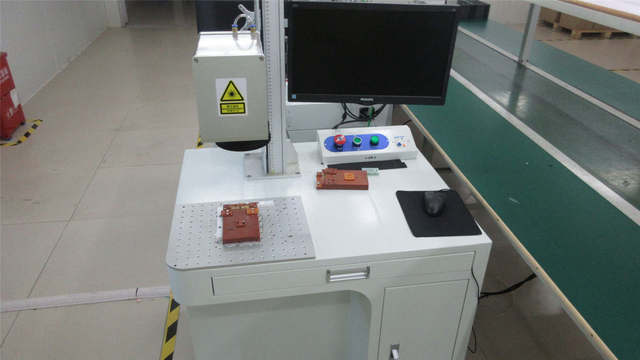
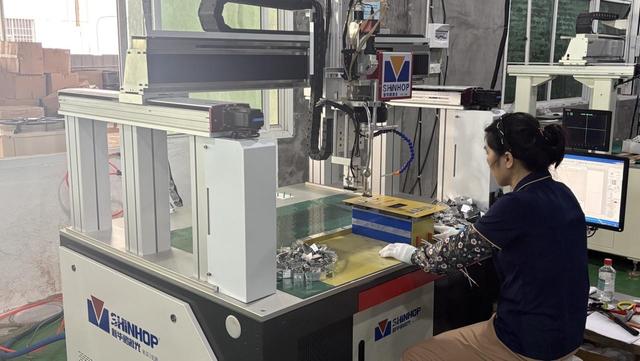
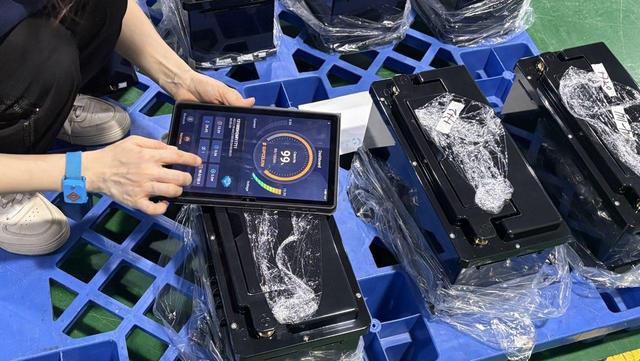
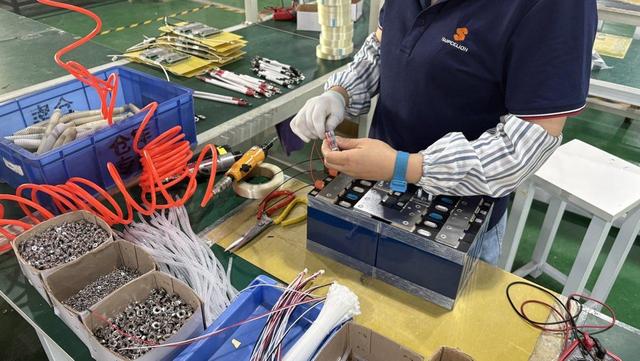
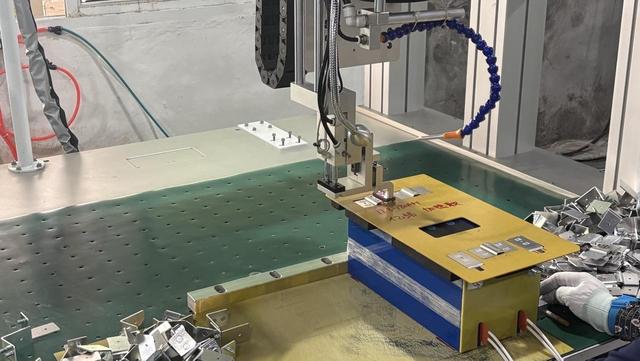
Heavy-duty transport requires customized structural solutions. Discover our primary deployment environments.
High-capacity battery packs (400kWh–800kWh) optimized for high energy density, allowing longer driving ranges on highways and minimizing total vehicle tare weight.
Extremely robust battery packs designed to absorb shock loads and sustain deep-drain duty cycles in mining haulers, wheel loaders, and excavators.
Optimized LFP chemistries engineered for rapid opportunistic charging at end stations, paired with safety-first BMS to ensure zero-risk urban passenger transport.
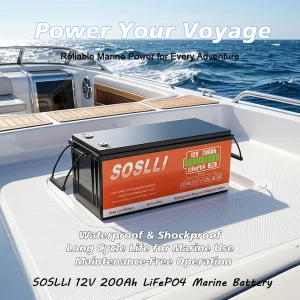
Corrosion-resistant marine battery solutions with high peak currents, enabling clean hybrid operations in terminal tractors and tugboats.
Exporting to over 60 countries requires deep integration with regional safety standards and local distribution channels.
Navigating global border clearances for heavy commercial battery systems requires complete compliance. Every battery module we manufacture and export is certified under global regimes, including UN38.3 (transportation safety), UL2580 (EV battery safety), IEC 62619 (industrial applications), CE, and RoHS. These certifications assure border compliance and guarantee performance reliability under stressful electrical, thermal, and mechanical states.
Furthermore, GAF Energy operates dedicated service networks in North America, Europe, Australia, and the Middle East to provide local distributors, solar installers, and fleet managers with instant technical support. Our engineers coordinate design evaluations, cell diagnostics, and firmware updates on-site, minimizing fleet downtime and maximizing return on investment.
How our R&D team addresses upcoming chemical developments and system-level density targets.
Commercializing cell-to-pack (CTP) structural configurations with semi-solid electrolytes. This evolution targets volumetric energy densities exceeding 280 Wh/kg at module level while maintaining high structural crash resilience.
Introducing cost-effective Sodium-Ion options for low-speed municipal vehicles and stationary site-backup equipment. Meanwhile, solid-state chemistries enter pre-commercial testing for high-value logistics lines.
Fully automated vehicle-to-grid capabilities. Heavy autonomous truck fleets will charge during solar peak hours and balance regional grids during peak demand, converting fleets into high-yield decentralized energy assets.
We provide comprehensive OEM/ODM system design services.
Request Design ConsultingCrucial insights from our engineers for global procurement teams and system integrators.
From telecommunication backups to modular grid-scale batteries, discover GAF Energy's versatile portfolio.