GAF Energy
GAF Energy
GAF Energy
Explore our advanced energy storage systems, custom cell modules, and industrial battery solutions manufactured to meet the highest safety and performance criteria.
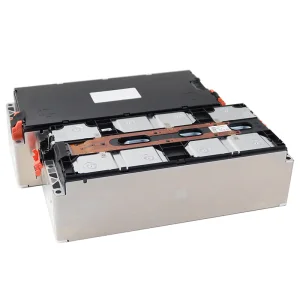
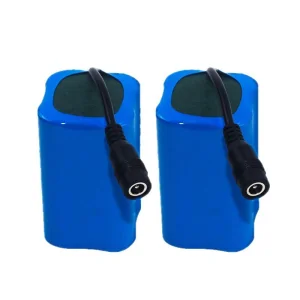
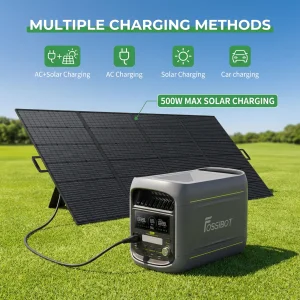
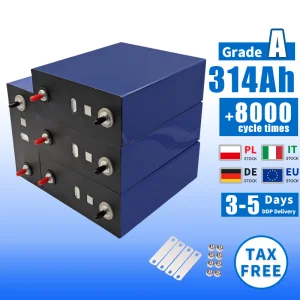
In the rapidly evolving landscape of global electrification, the reliability, longevity, and safety of electrochemical energy storage devices are paramount. As battery chemistry pushes the boundaries of energy density—transitioning from traditional Lead-Acid to high-capacity Nickel Manganese Cobalt (NMC), Lithium Iron Phosphate (LiFePO4), and next-generation Solid-State architectures—the systems utilized to test, validate, and grade these cells must scale in complexity and precision.
As a premier custom OEM battery testing equipment manufacturer and factory, our engineering mission is centered on addressing the multidimensional verification requirements of global research centers, gigafactories, and automotive assembly lines. Accurate evaluation of critical variables—such as internal resistance (DCIR/ACIR), cycle life degradation, thermal runaway limits, Coulombic efficiency, and dynamic state-of-charge (SoC) tracking—requires sophisticated hardware-in-the-loop (HIL) simulators, high-power regenerative cyclers, and environmental chambers. This whitepaper analyzes the current technology paradigms, factory efficiency models, and global compliance methodologies defining the high-performance battery testing space today.
Modern battery packs demand dynamic validation. Static testing parameters are no longer sufficient. Real-world electric vehicle (EV) drive cycles (e.g., WLTP, EPA Federal Test Procedures) and grid frequency regulation scenarios require high-frequency response rates, microsecond current transitions, and high-accuracy thermal logging to detect micro-faults before they escalate into catastrophic failures.
Leveraging state-of-the-art engineering in China's innovation capital, GAF Energy delivers high-voltage power solutions and robust validation matrices.
Shenzhen GAF Energy Co., Ltd. is a professional Lithium Battery Manufacturer | LiFePO4, Energy Storage & Renewable Power Solutions dedicated to delivering advanced energy storage technologies for residential, commercial, industrial, and renewable energy applications worldwide. With a focus on innovation, safety, and sustainability, the company provides high-performance lithium battery solutions that support the growing global demand for clean and reliable energy.
Headquartered in Shenzhen, China, GAF Energy operates modern manufacturing facilities equipped with advanced production equipment, automated assembly lines, and comprehensive quality management systems. The company specializes in the research, development, and production of LiFePO4 batteries, lithium-ion battery systems, residential energy storage batteries, commercial and industrial energy storage systems (ESS), solar storage batteries, rack-mounted battery systems, high-voltage battery solutions, and customized battery packs.
GAF Energy places strong emphasis on product quality and technological innovation. By utilizing premium battery cells, intelligent battery management systems (BMS), and rigorous testing procedures, the company ensures excellent safety, long cycle life, stable performance, and high energy efficiency. Every battery system is designed to meet the demanding requirements of renewable energy integration, backup power applications, and modern energy management solutions.
In addition to standard product offerings, GAF Energy provides comprehensive OEM and ODM services for distributors, energy solution providers, solar installers, system integrators, and private-label brands. From product design and engineering to manufacturing and technical support, the company delivers flexible solutions tailored to specific project requirements.
As cell configurations scale toward solid-state and high-silicon anodes, battery testing hardware must evolve dynamically. Our engineering division targets several key technical avenues to secure information gain and competitive advantage for our client base:
Integrating online, multi-channel EIS allows engineers to analyze internal chemical kinetics, interface impedance, and lithium plating trends in real-time, without halting the test cycle. This shortens R&D diagnostic timelines by up to 40%.
By leveraging machine learning algorithms trained on terabytes of charge/discharge cycle logs, our custom systems can predict the exact end-of-life (EoL) profile of a battery pack within its first 50 cycles, boasting an accuracy rating higher than 95%.
Our regenerative power topologies feed up to 96% of discharge energy back into the factory's AC grid. This dramatically reduces thermal load in the testing room, lowers cooling utility costs, and aligns operations with strict environmental carbon limits.
Solid-state batteries present an entirely new operational paradigm: high mechanical containment pressures are required to maintain contact between the solid electrolyte and the lithium anode during expansion phases. Next-generation testing rigs integrate electronic servo-press clamps that measure and adjust compression forces dynamically in tandem with cycle currents. GAF Energy's technological roadmap prioritizes the delivery of these high-pressure, multi-sensor calibration systems to allow global researchers to test pouch and prismatic solid-state components safely.
Different industries present divergent requirements for battery verification. A standard consumer battery cell operates in a controlled thermal environment, whereas electric vehicle packs and utility-scale energy storage systems face harsh ambient conditions, intense power demands, and long service lifespan mandates. Our custom OEM testing systems are engineered with modularity to cater directly to these distinct macro-verticals:
Located in the technological core of Shenzhen, China, our advanced manufacturing ecosystem ensures secure sourcing, components accessibility, and cost-controlled precision scaling.
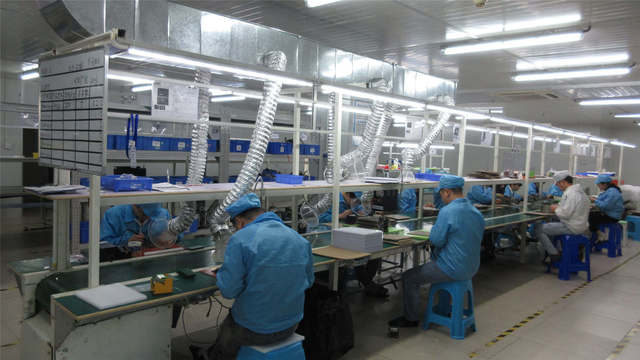
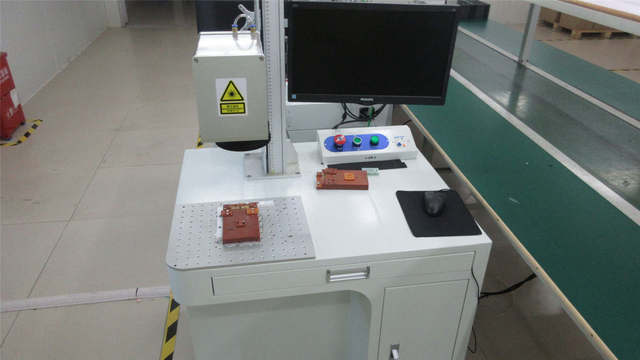
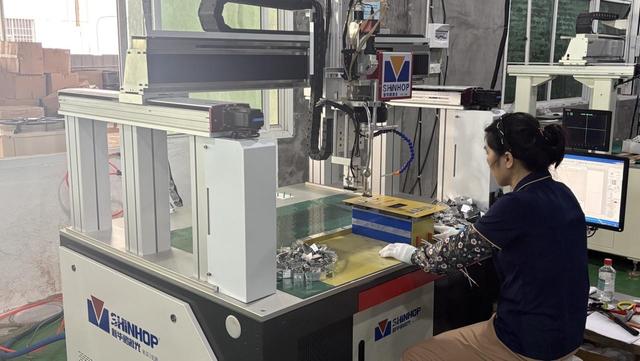
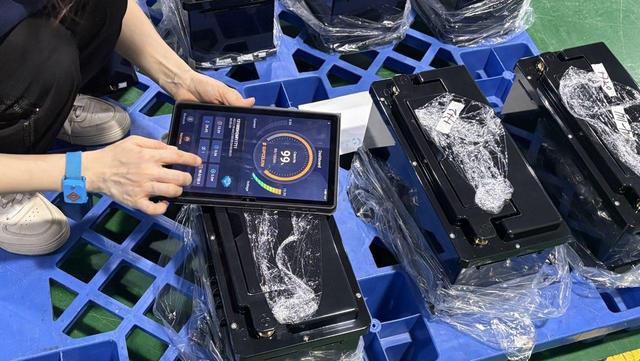
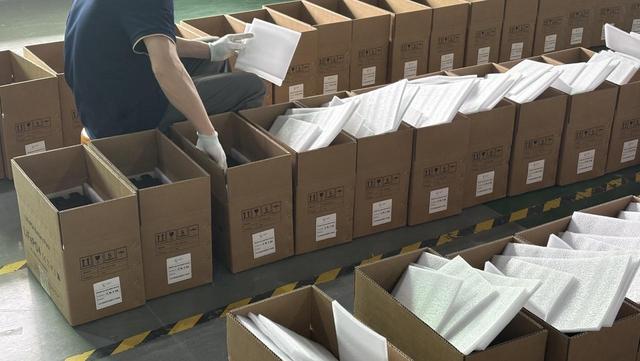
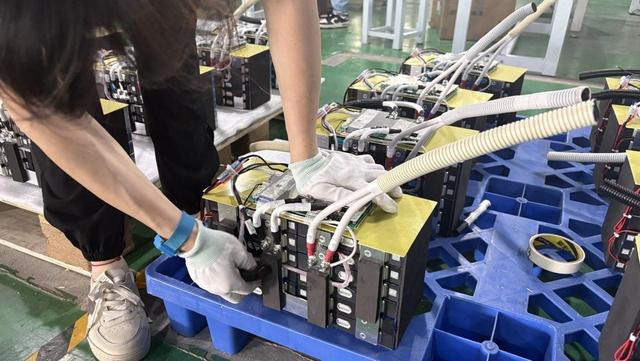
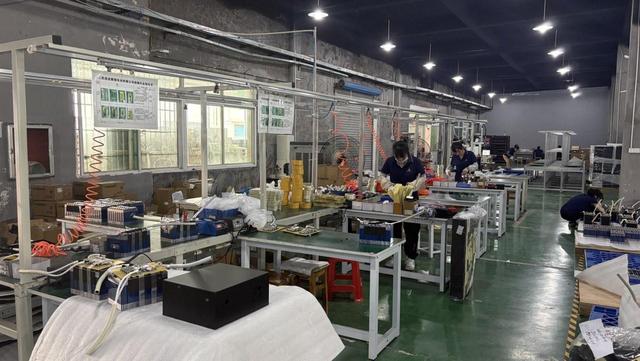
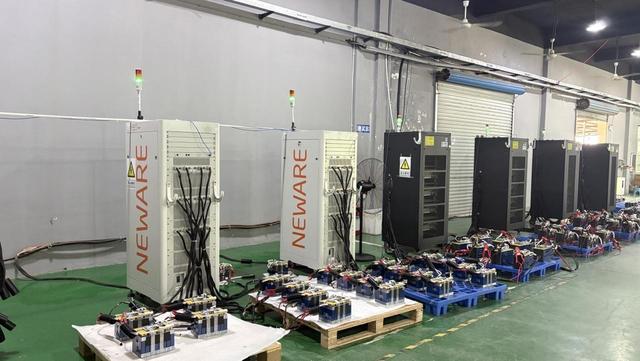
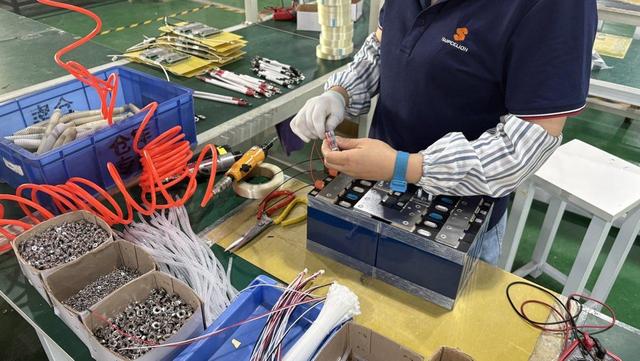
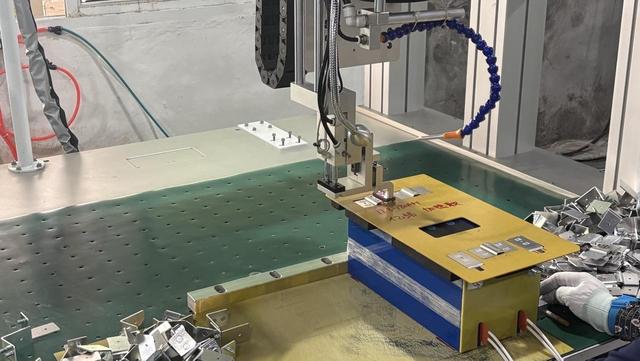
Operating in Shenzhen grants GAF Energy an unparalleled structural advantage. The localized ecosystem hosts the world’s most dense cluster of lithium-ion component manufacturers, high-speed semiconductor suppliers, and software developers. Our Shenzhen factory utilizes a modular manufacturing structure (Factory 4.0 paradigm), enabling seamless integration between hardware CNC processing, electronic component SMT placement, and final assembly lines.
By maintaining vertical integration—where we design and manufacture both the battery energy systems and the accompanying testing parameters—we can quickly adapt calibration parameters. This proximity drastically cuts product iteration cycles, guaranteeing that all OEM testing racks are configured with up-to-date semiconductor components, preventing long lead times typical of traditional western supply pipelines.
Procuring industrial machinery from offshore factories can raise complex engineering compliance issues. As a seasoned global manufacturer, GAF Energy addresses these concerns at the design stage, ensuring that all machinery adheres to national and regional safety standards:
Enterprise procurement of battery testing equipment requires analyzing long-term Total Cost of Ownership (TCO), rather than initial Capital Expenditure (CAPEX) alone. System downtime, calibration complexity, electrical consumption, and cooling costs constitute major operating expenses.
An uncertified, non-regenerative 100kW tester dissipates energy as ambient heat, which then requires an additional 30kW–40kW of HVAC power to remove from the facility. Over a year of 24/7 cycling, a regenerative system saves hundreds of thousands of dollars in utility expenses, pays for its cost premium in under 12 months, and reduces factory carbon emissions significantly.
Furthermore, GAF Energy simplifies third-party database integration. Our control software integrates a comprehensive API, communicating seamlessly with MES (Manufacturing Execution Systems), ERP systems, and SCADA infrastructure using standard Modbus, CAN, or TCP/IP communication protocols. This keeps global enterprises informed about inventory status, sorting yields, and quality statistics across different assembly locations.
Clarifying engineering inquiries regarding configuration, accuracy limits, and BMS integration parameters.
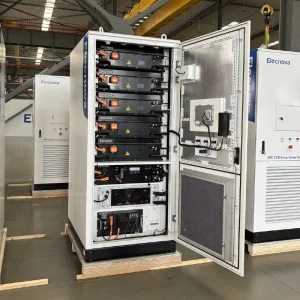
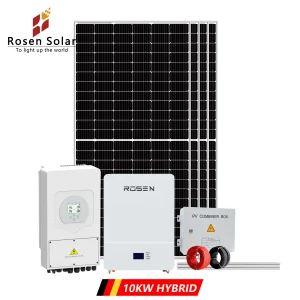
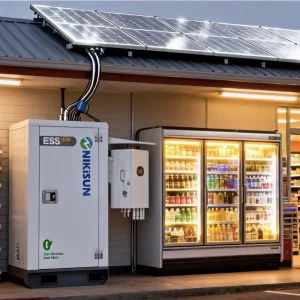
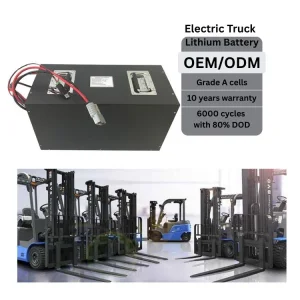
Explore our collection of commercial, industrial, and heavy machinery power systems configured for grid integration, forklifts, and solar backups.