GAF Energy
GAF Energy
GAF Energy
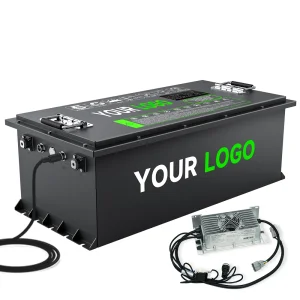
The global transition toward sustainable micro-mobility is moving at an unprecedented pace. Electric bicycles (e-bikes) are no longer simple recreational vehicles; they have evolved into critical tools for urban commuting, regional logistics, and last-mile delivery. At the core of this micro-mobility revolution lies the battery pack—the key component dictating range, cycle life, thermal safety, and overall operating expenditure (OpEx) for fleet operators and consumers alike.
China is the global powerhouse for lithium cell manufacturing and battery assembly, accounting for over 75% of global capacity. This dominance is not simply about cost; it is built on a highly integrated supply chain ecosystem. From lithium extraction and cathode synthesis to injection molding, smart BMS design, and highly automated testing, Chinese suppliers offer unparalleled product development velocity and scale.
For international distributors, OEMs, and fleet operations management, importing e-bike batteries from China requires navigating complex regulatory standards, technical configurations, and production processes. Strategic sourcing is no longer about finding the absolute lowest price per cell; it is about establishing partnerships with technical manufacturers who possess deep engineering expertise, strict quality management, and reliable certification support.
Selecting the correct battery chemistry is the most fundamental engineering decision when designing or purchasing e-bike power systems. The industry has shifted toward two primary chemistries, each with distinct performance trade-offs. Emerging technologies like solid-state batteries are also beginning to redefine expectations.
| Performance Parameter | Lithium Iron Phosphate (LiFePO4) | Nickel Manganese Cobalt (NMC / Li-Ion) | Solid-State Lithium Packs |
|---|---|---|---|
| Nominal Cell Voltage | 3.2V (Stable plateau) | 3.6V - 3.7V (High slope) | 3.7V - 3.8V |
| Energy Density (Wh/kg) | 120 - 160 Wh/kg (Lower footprint) | 200 - 260 Wh/kg (Highly compact) | 350 - 450 Wh/kg (Cutting-edge) |
| Cycle Life (80% DoD) | 3,000 to 6,000+ deep cycles | 500 to 1,000 cycles | Over 2,500+ cycles |
| Thermal Runaway Threshold | Extremely Safe (~270°C) | Moderate (~210°C) | Ultra Safe (Solid electrolyte, non-flammable) |
| Primary Application | Commercial, fleet logistics, high durability | Premium commuter e-bikes, light weight | High-end performance and long-range vehicles |
NMC is the industry standard for lightweight commuter and mountain e-bikes where space and weight are critical constraints. They provide excellent volumetric energy density, allowing packs to fit discreetly inside down tubes.
LiFePO4 offers unmatched safety and longevity. It is virtually immune to thermal runaway under typical usage, making it the preferred choice for commercial fleets, cargo e-bikes, and applications prioritizing low maintenance.
Solid-state batteries replace liquid organic electrolytes with solid alternatives. This eliminates leakage risks, significantly improves energy density, and enables much faster charging cycles.
A lithium battery is only as safe and reliable as its Battery Management System (BMS). For industrial-grade e-bike applications, simple analog protection circuits are no longer sufficient. Modern smart BMS units act as the control center of the battery pack, optimizing performance and safety in real time.
Maintains uniform cell voltage across the series during charge and discharge cycles. This prevents individual cells from overcharging or over-discharging, maximizing the pack's usable capacity and cycle life.
Integrates smart e-bike systems with motor controllers and displays. This enables real-time diagnostic reporting for battery health, temperature, and precise state-of-charge (SoC) tracking.
Monitors cell temperature at multiple critical points. If temperatures or discharge currents exceed safe limits, the BMS dynamically steps down or disconnects output to prevent damage.
For fleet operators, integrating IoT-enabled BMS technology allows for predictive maintenance. By analyzing real-time data on internal resistance, cycle counts, and operating temperatures, operators can schedule maintenance or replacements before a cell failure causes service disruptions.
A reliable e-bike battery must be built to withstand challenging real-world operating environments. It must endure constant vibrations from roads, handle varying user profiles, and operate reliably in extreme weather conditions.
Utilizes ultrasonic plastic welding, custom rubber gaskets, and potting compounds to seal the battery enclosure. This prevents moisture ingress, protecting internal electronics from rain, puddles, and high-pressure cleaning.
Uses internal cell holders and structural spacer racks rather than relying on tape or glue. This mechanically isolates the cells, protecting the nickel spot-welds from breaking under heavy vibrations.
Custom CAD engineering designs packs that integrate directly into the bicycle frame (down-tube, seat tube, or rear rack). This improves weight distribution and enhances the overall design aesthetic of the e-bike.
Lithium batteries are classified as Class 9 Dangerous Goods. Shipping them internationally requires strict adherence to global safety and transport regulations. Failing to meet these standards can lead to customs delays, heavy fines, or shipping rejections.
The standard regulation for battery shipping safety, simulating extreme altitude, thermal stress, vibration, shock, external short circuits, impact, overcharge, and forced discharge.
The European standard covering safety requirements for EPAC (Electrically Power Assisted Cycles). It mandates strict mechanical, electrical, and thermal safety tests for e-bike drive systems.
Essential certifications for the North American market, focusing on the safety of electrical systems in personal e-mobility devices to mitigate fire risks and electrical failures.
Core directives ensuring electromagnetic compatibility and restriction of hazardous substances. Compliance is critical for wholesale distribution and consumer safety in developed markets.
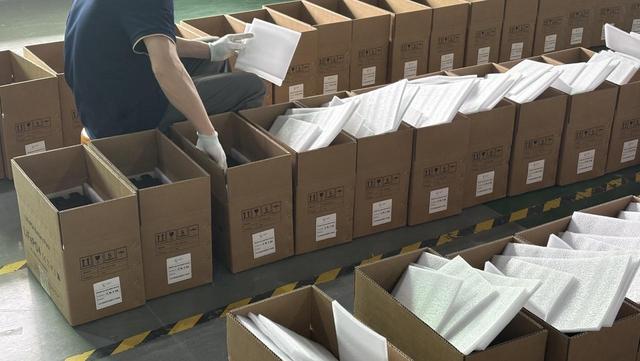
Partnering with a manufacturer like Shenzhen GAF Energy Co., Ltd. ensures that all export shipments are accompanied by valid UN38.3 test reports, Material Safety Data Sheets (MSDS), and proper hazardous cargo packaging.
Different micro-mobility use cases demand tailored battery configurations. Understanding the operating environment helps determine the best performance parameters for the battery pack.
E-cargo bikes operate under heavy loads and require consistent torque throughout the day. These systems run best on high-capacity LiFePO4 packs designed to handle high continuous discharge currents (2C–3C ratings) and intensive daily usage.
Shared urban fleets need highly durable, vandal-proof batteries. These packs typically feature heavy aluminum housing, GPS tracking integration within the BMS, anti-theft locking systems, and quick-swap battery mechanisms.
Performance off-road e-bikes prioritize high energy density to minimize weight and improve handling. These configurations leverage premium NMC cells inside custom-molded cases to provide maximum range for trail riding.
Shenzhen GAF Energy Co., Ltd. is a professional Lithium Battery Manufacturer | LiFePO4, Energy Storage & Renewable Power Solutions dedicated to delivering advanced energy storage technologies for residential, commercial, industrial, and renewable energy applications worldwide. With a focus on innovation, safety, and sustainability, the company provides high-performance lithium battery solutions that support the growing global demand for clean and reliable energy.
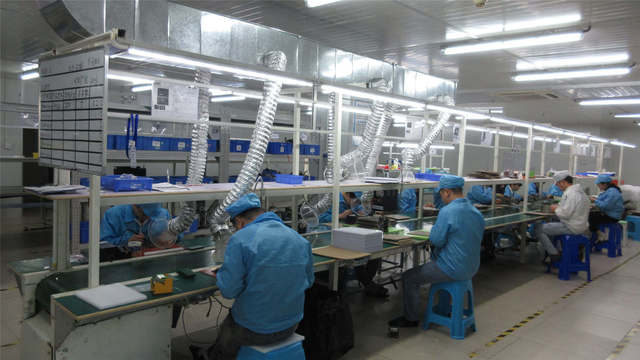
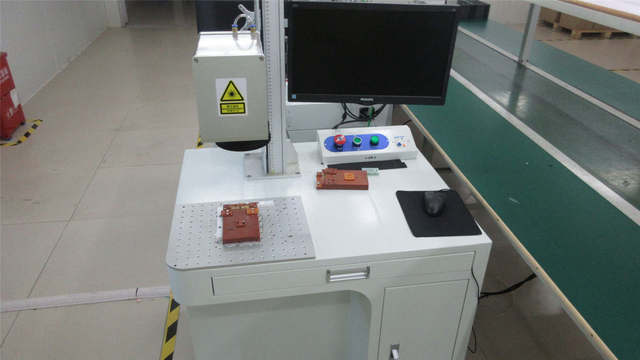
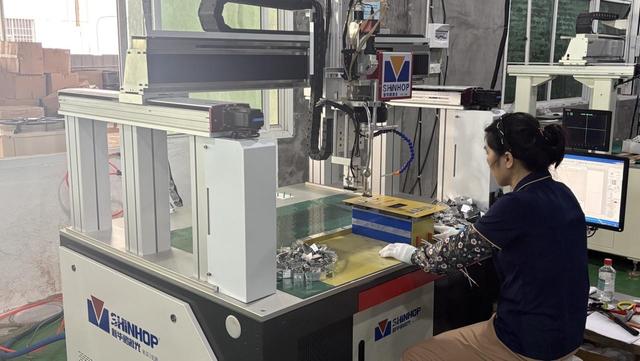
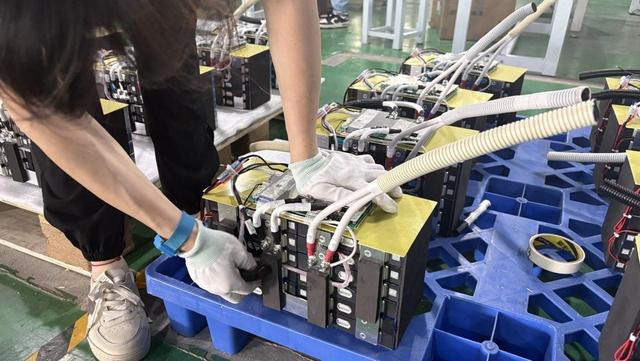
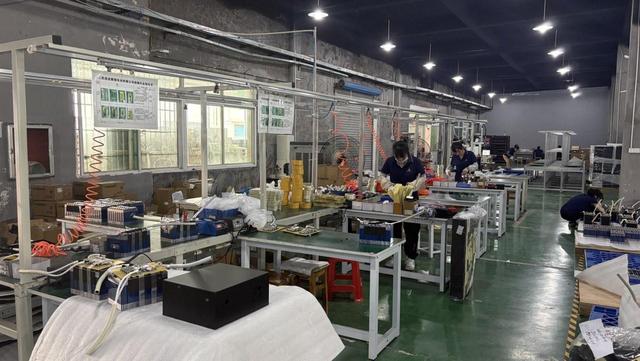
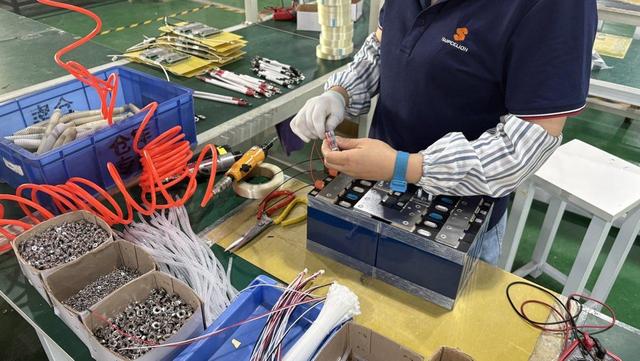
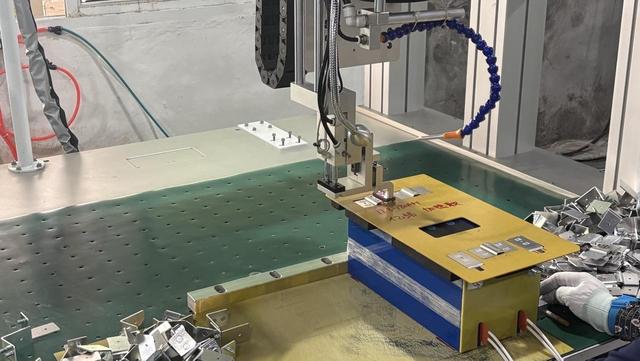
Headquartered in Shenzhen, China, GAF Energy operates modern manufacturing facilities equipped with advanced production equipment, automated assembly lines, and comprehensive quality management systems. The company specializes in the research, development, and production of LiFePO4 batteries, lithium-ion battery systems, residential energy storage batteries, commercial and industrial energy storage systems (ESS), solar storage batteries, rack-mounted battery systems, high-voltage battery solutions, and customized battery packs.
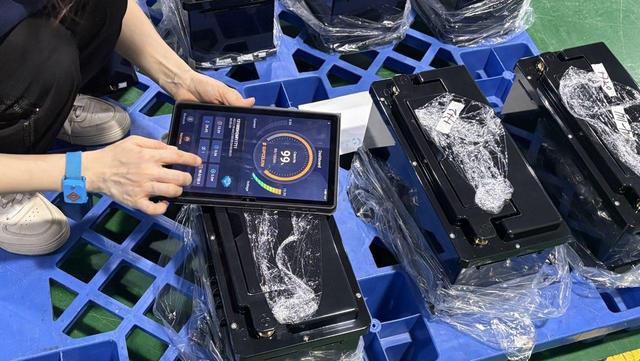
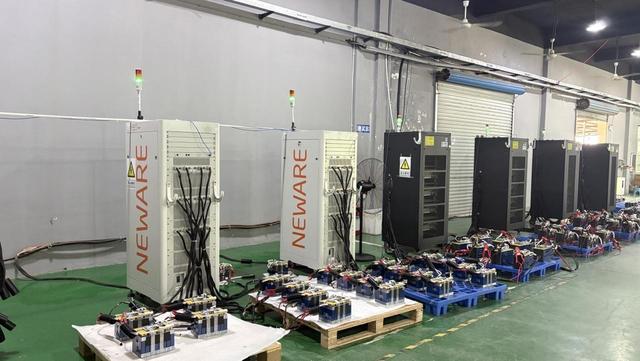
GAF Energy places strong emphasis on product quality and technological innovation. By utilizing premium battery cells, intelligent battery management systems (BMS), and rigorous testing procedures, the company ensures excellent safety, long cycle life, stable performance, and high energy efficiency. Every battery system is designed to meet the demanding requirements of renewable energy integration, backup power applications, and modern energy management solutions.
In addition to standard product offerings, GAF Energy provides comprehensive OEM and ODM services for distributors, energy solution providers, solar installers, system integrators, and private-label brands. From product design and engineering to manufacturing and technical support, the company delivers flexible solutions tailored to specific project requirements.
Serving customers across North America, Europe, Australia, Southeast Asia, Africa, and the Middle East, Shenzhen GAF Energy Co., Ltd. has established long-term partnerships based on product reliability, competitive pricing, and responsive customer service. Committed to accelerating the transition toward sustainable energy, the company continues to invest in advanced battery technologies and renewable energy innovations, helping customers achieve greater energy independence and long-term environmental benefits.