GAF Energy
GAF Energy
GAF Energy
High-reliability, cycle-stable lithium batteries certified to global safety and transport compliance frameworks.
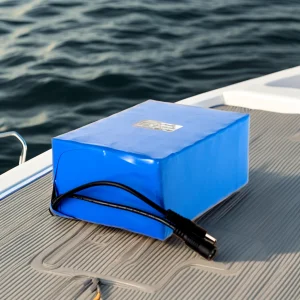
Shenzhen GAF Energy Co., Ltd. is a globally recognized, premier Lithium Battery Manufacturer | LiFePO4, Energy Storage & Renewable Power Solutions dedicated to engineering, integrating, and distributing advanced energy storage systems (ESS). As an authoritative pioneer in China's clean tech corridors, GAF Energy operates at the intersection of material science, safety engineering, and large-scale manufacturing optimization. We resolve the core operational pain points of global utilities, system integrators, commercial real estate portfolios, and private label brands.
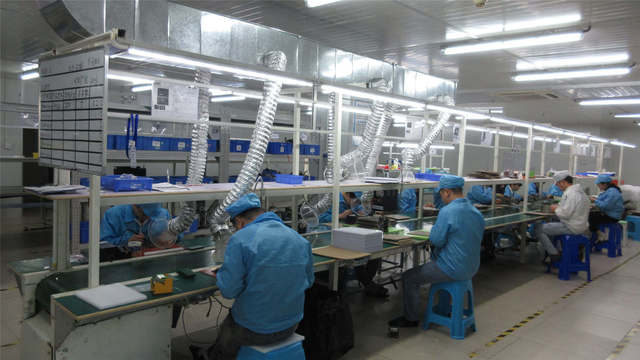
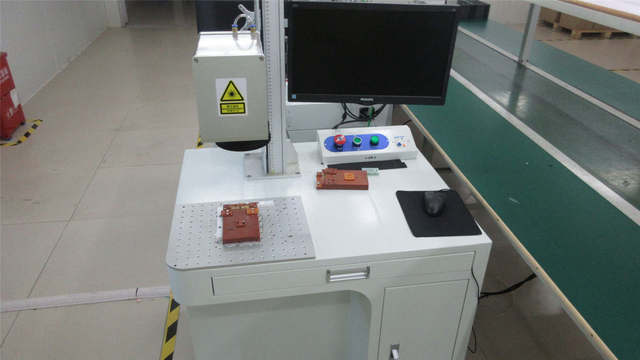
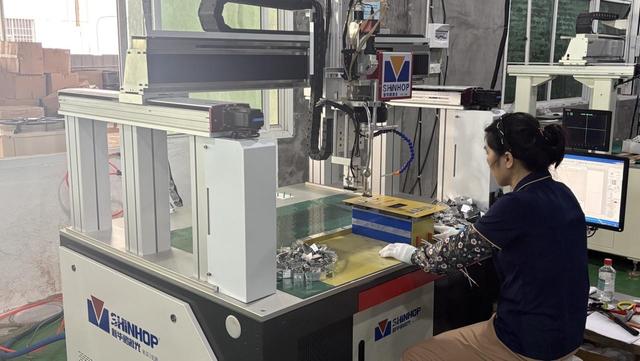
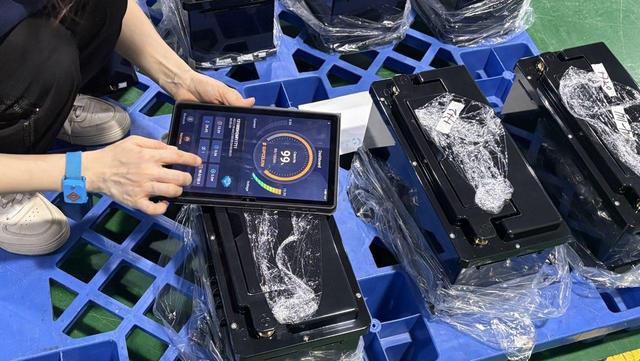
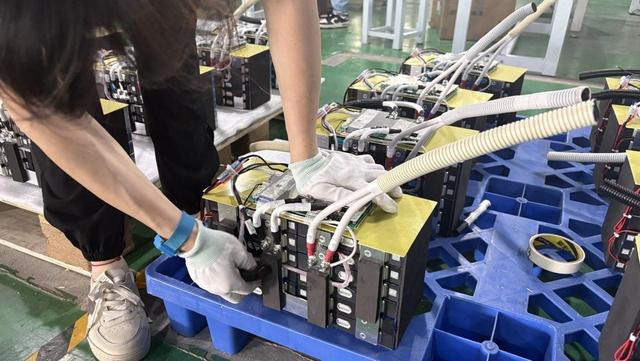
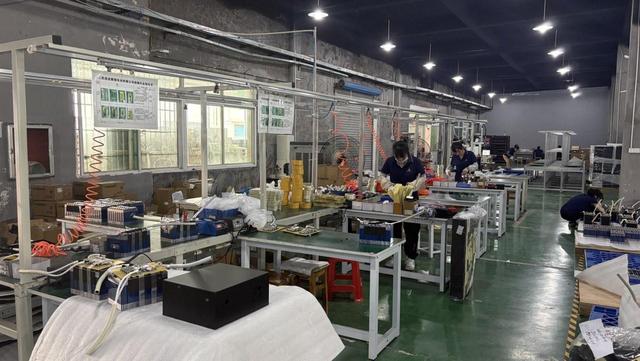
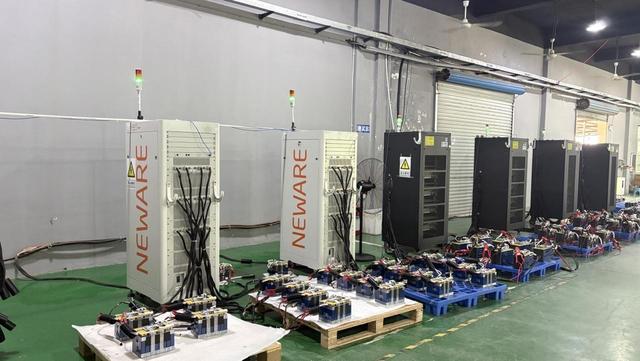
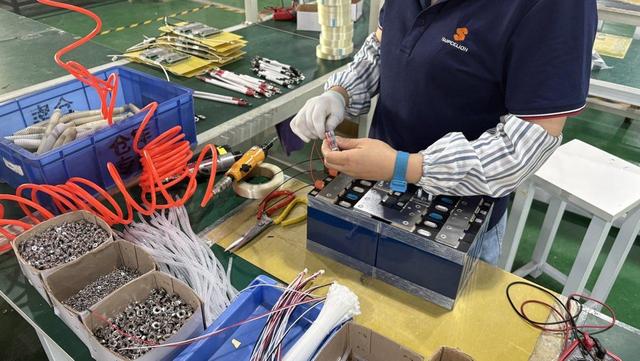
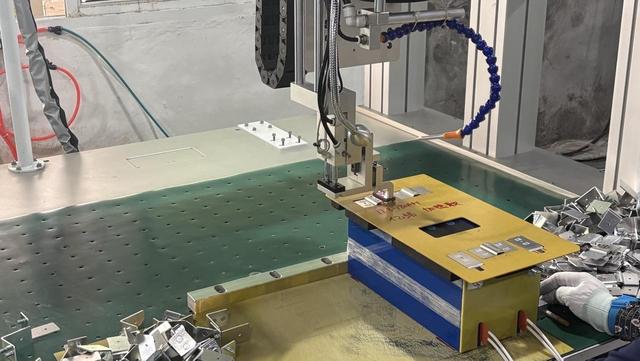
Headquartered in the global technology hub of Shenzhen, China, GAF Energy leverages an elite logistical and engineering ecosystem. The firm commands modern, vertically-integrated manufacturing facilities equipped with precision high-throughput cell sorting systems, automated ultrasonic wire-bonding, thermal-imaging array chambers, and end-of-line (EOL) functional testers. Every product phase is tied to a central MES (Manufacturing Execution System) database, securing full traceability for individual cells from receipt of raw cathode slurry to the shipment of rack-level high-voltage battery arrays.
"Our core technological thesis centers on safety and longevity. By utilizing grade-A prismatic LiFePO4 cells, active-balancing BMS architectures, and localized heat dissipation calculations, GAF Energy ensures that each deployed system achieves optimal Levelized Cost of Storage (LCOS) for our commercial and utility clients worldwide."
Beyond off-the-shelf system units, GAF Energy provides structured OEM and ODM design frameworks. We support custom mechanical form factors, specialized voltage outputs, localized communications protocol integrations (CANbus, RS485, Modbus TCP), and custom branding packages. Serving active deployment projects in North America, Europe, Australia, Southeast Asia, Africa, and the Middle East, our technical teams ensure seamless interoperability with Tier-1 solar hybrid inverters.
Empirical metrics documenting our production volume, global engineering capabilities, and reliability indices.
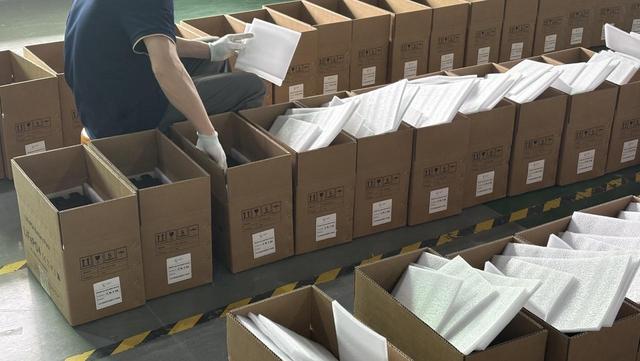
The global transition to decentralized clean energy requires battery modules that combine ultra-low unit degradation with high structural integrity. Achieving this on a global scale demands more than standard assembly lines; it requires a commitment to China's "Factory 4.0" paradigm. GAF Energy's manufacturing process relies on automated assembly, machine-vision tracking, and integrated raw material logistics.
By standardizing these automated steps, our factory scales production while maintaining low variance. This allows us to supply international markets with components designed to meet strict safety and longevity standards.
Pioneering developments that set our engineering methodology apart from entry-level battery exporters.
Proprietary algorithms monitoring voltage, current, and cell temperatures. Protects against overcharge, over-discharge, short-circuits, and localized hotspots.
Pioneering the safe commercialization of semi-solid state LiFePO4 modules. Delivers higher energy densities and reduced thermal runaway risk profiles.
Designed with aerogel insulation layers, integrated gas venting channels, and pressure-relief valves to prevent thermal cascading between adjacent cells.
As energy storage applications diversify, a single cell technology cannot efficiently serve every scenario. GAF Energy's research and development roadmap focuses on optimizing three key cell topologies to address specific global use cases:
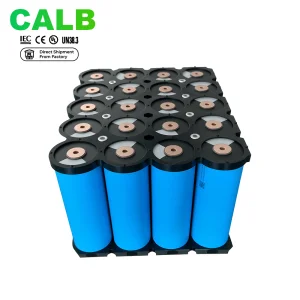
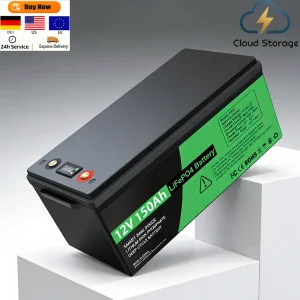
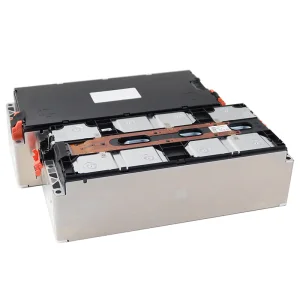
Prismatic LiFePO4 cells are the standard for long-term stationary energy storage. Known for their thermal stability and chemical resilience, these cells offer a service life exceeding 6,000 cycles at 80% Depth of Discharge (DOD). By housing the electrode stack in rigid aluminum casings, prismatic configurations provide high mechanical stability and support efficient heat dissipation. This makes them suitable for commercial, industrial, and telecommunications grid systems.
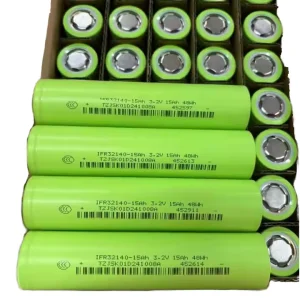
Cylindrical cells, such as the 32140 format, provide a balanced option for light mobility and decentralized power generation. Their round structure helps prevent internal mechanical stress under high vibration loads. The standardized packaging design simplifies automated assembly, enabling cost-effective production for electric bikes, outdoor camping generators, and residential energy storage systems.
To address applications requiring high energy density and enhanced safety, GAF Energy is scaling its semi-solid state battery manufacturing. By replacing a portion of the volatile liquid organic electrolyte with a conductive gel-polymer substrate, these cells reduce the risk of internal short circuits and dendrite growth. This architecture enables an operating range of -20°C to 60°C, making it suitable for cold-climate solar systems and industrial forklifts.
Modern utility operations demand scalable integration with existing infrastructure. Battery systems must interface with solar arrays, utility grids, and diesel backup systems. GAF Energy provides customized configurations designed to address these complex needs:
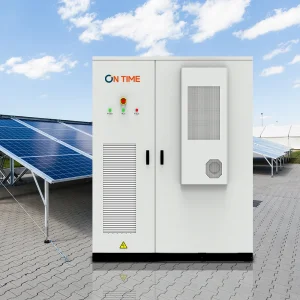
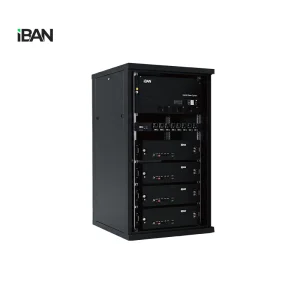
100kWh to 250kWh energy storage systems designed for factory peak-shaving, load shifting, and seamless backup power transition during grid anomalies.
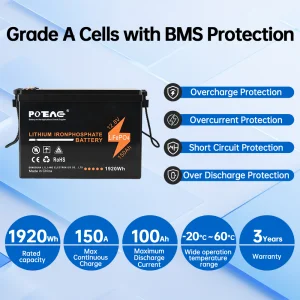
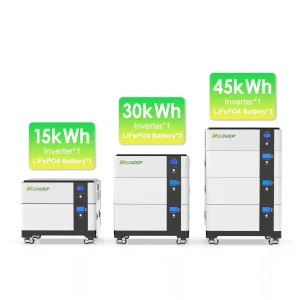
Wall-mounted and modular rack-mount 48V/51.2V LiFePO4 systems compatible with mainstream inverter communications protocols.
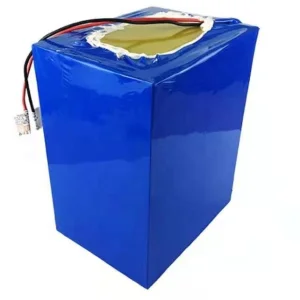
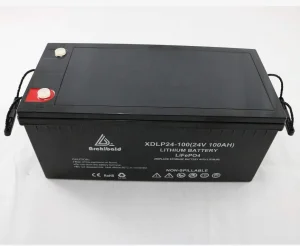
High-reliability, compact 48V 100Ah/200Ah telecom battery modules designed for remote base stations and critical data operations.
By engineering these systems with modular architectures, operators can scale their power capacity incrementally. This flexibility helps lower upfront capital requirements while accommodating future site expansion needs.
When selecting a lithium cell partner, global procurement teams must look beyond the initial purchase price. A comprehensive evaluation of Levelized Cost of Storage (LCOS) and total cost of ownership (TCO) is essential. Key considerations include:
Exporting lithium batteries requires strict compliance with international transport and product safety regulations. GAF Energy maintains a robust compliance framework to facilitate smooth customs clearance and local distribution:
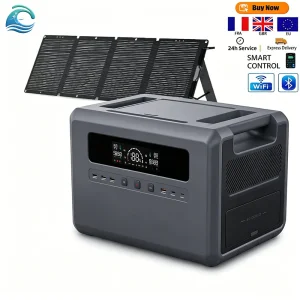
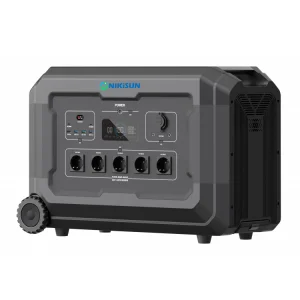
Engineered for high mobility, specialized performance, and flexible energy access.