GAF Energy
GAF Energy
GAF Energy
Explore our diverse range of high-precision lithium energy storage packs, advanced cell chemistries, and custom commercial configurations.
Strategic insights into energy density boundaries, mechanical micro-enclosures, and safety protocols for multinational product buyers.
The global wearable technology ecosystem is undergoing rapid development. As consumer smartwatches, hearables (TWS), smart rings, and clinical-grade medical patches demand increasingly complex processing, continuous biometrics tracking, and real-time connectivity (such as BLE, LTE-M, and 5G), the pressure on the underlying battery systems has reached unprecedented levels. Industry procurement departments and hardware engineering managers no longer view batteries as mere storage units; they are critical differentiators that dictate product thickness, charging speeds, safety levels, and overall commercial success.
In this competitive market, sourcing the ideal micro-power solutions from China requires a robust understanding of the trade-offs between volumetric energy density, safety certifications, custom form factors, and supply chain scalability. Sourcing managers must evaluate battery manufacturers based on rigorous operational parameters to avoid thermal issues, premature capacity fading, and compliance roadblocks in North American, European, and Asia-Pacific markets.
Modern wearables rarely conform to flat rectilineal structures. Hardware designers need ultra-thin, curved, circular, or custom-molded lithium polymer configurations to maximize internal volume usage.
Wearables are operated in direct contact with human skin. Ensuring zero risk of thermal runaway under mechanical stress (crushing, dropping, twisting) is paramount for regulatory compliance.
Micro-battery management systems must regulate ultra-low sleep currents (nano-amps) while preventing overcharge, over-discharge, and short-circuits within extremely tiny physical envelopes.
A corporate overview of GAF Energy’s R&D, design, and manufacturing capabilities, delivering premium lithium-based energy products worldwide.
Shenzhen GAF Energy Co., Ltd. is a professional Lithium Battery Manufacturer | LiFePO4, Energy Storage & Renewable Power Solutions dedicated to delivering advanced energy storage technologies for residential, commercial, industrial, and renewable energy applications worldwide. With a focus on innovation, safety, and sustainability, the company provides high-performance lithium battery solutions that support the growing global demand for clean and reliable energy.
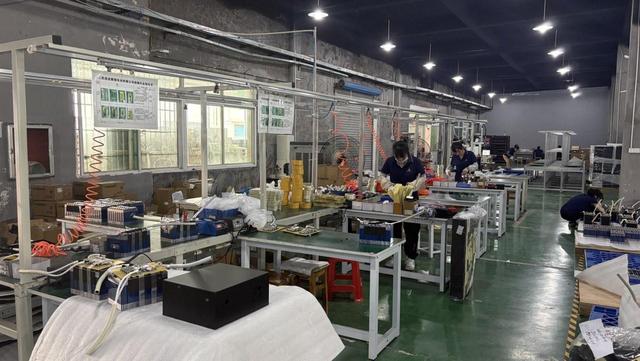
Headquartered in Shenzhen, China, GAF Energy operates modern manufacturing facilities equipped with advanced production equipment, automated assembly lines, and comprehensive quality management systems. The company specializes in the research, development, and production of LiFePO4 batteries, lithium-ion battery systems, residential energy storage batteries, commercial and industrial energy storage systems (ESS), solar storage batteries, rack-mounted battery systems, high-voltage battery solutions, and customized battery packs.
GAF Energy places strong emphasis on product quality and technological innovation. By utilizing premium battery cells, intelligent battery management systems (BMS), and rigorous testing procedures, the company ensures excellent safety, long cycle life, stable performance, and high energy efficiency. Every battery system is designed to meet the demanding requirements of renewable energy integration, backup power applications, and modern energy management solutions.
In addition to standard product offerings, GAF Energy provides comprehensive OEM and ODM services for distributors, energy solution providers, solar installers, system integrators, and private-label brands. From product design and engineering to manufacturing and technical support, the company delivers flexible solutions tailored to specific project requirements.
Serving customers across North America, Europe, Australia, Southeast Asia, Africa, and the Middle East, Shenzhen GAF Energy Co., Ltd. has established long-term partnerships based on product reliability, competitive pricing, and responsive customer service. Committed to accelerating the transition toward sustainable energy, the company continues to invest in advanced battery technologies and renewable energy innovations, helping customers achieve greater energy independence and long-term environmental benefits.
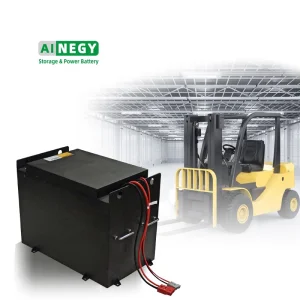
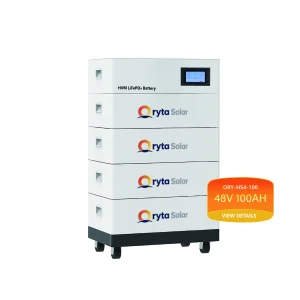
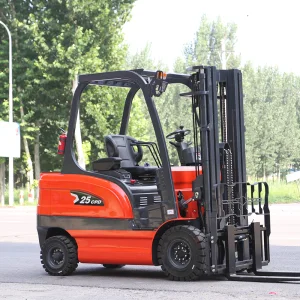
Through our vast experience in large-scale energy projects—ranging from high-power forklift industrial battery packs to stacked household and commercial storage systems—GAF Energy utilizes its battery core expertise to produce reliable energy solutions. Our cells are engineered with enhanced safety profiles, high volumetric efficiency, and micro-BMS modules that minimize idle drain. This expertise makes our custom engineering divisions uniquely qualified to meet high-performance OEM requirements.
Comparing next-generation electrochemical systems optimized for low footprint and high energy delivery.
Selecting the optimal electrochemical system is a key decision during the New Product Introduction (NPI) phase of any wearable hardware project. Engineers must balance target battery capacity (mAh) against available physical space. The table below details the micro-power chemistries currently available, outlining their practical energy density, voltage profiles, cycle characteristics, and target wearable applications:
| Battery Chemistry | Volumetric Energy Density | Nominal Voltage | Cycle Life (80% EOL) | Optimal Wearable Application |
|---|---|---|---|---|
| Lithium Cobalt Oxide (LCO) | 550 - 700 Wh/L | 3.7V - 3.85V | 500 - 800 cycles | Smartwatches, High-drain Wearables, AR Glasses |
| Lithium Nickel Manganese Cobalt (NMC) | 500 - 650 Wh/L | 3.6V - 3.7V | 1,000+ cycles | Fitness Trackers, Bluetooth Headsets, Smart Bands |
| Silicon Anode Lithium-Polymer | 750 - 900 Wh/L | 3.8V - 3.88V | 300 - 500 cycles | Ultra-thin Smart Rings, Medical Patches, Micro-sensors |
| Solid-State Micro-Batteries | > 950 Wh/L (Projected) | 3.8V - 4.0V | 2,000+ cycles | Next-gen AR/VR displays, Medical Implants, High-temp IoT |
By replacing traditional graphite anodes with silicon-carbon composites, GAF Energy targets a 20% to 30% increase in volumetric energy density, extending smartwatch runtime beyond three days.
We are tracking developments in polymer-based solid-state micro-batteries, which eliminate liquid organic electrolytes to deliver high safety and mechanical flexibility.
Modern micro-electronics demand sleep states measured in microamps. Our BMS control boards feature specialized sleep circuits to maintain charge during storage.
How specialized micro-power setups solve space, thermal, and lifecycle challenges across key wearable sectors.
Continuous glucose monitors (CGM) and wearable ECG patches require stable voltage baselines, long shelf lives, and safe, flat profiles to remain comfortable when worn directly on the skin.
Button-cell and pin-cell configurations require rapid charging capabilities (up to 3C or 5C) and must maintain stable cycle performance in small formats.
AR/VR units rely on curved or split-pack systems situated around the headband. These configurations help distribute weight evenly while meeting high peak currents during graphic rendering.
Inside GAF Energy's manufacturing process, test facilities, and international compliance systems.
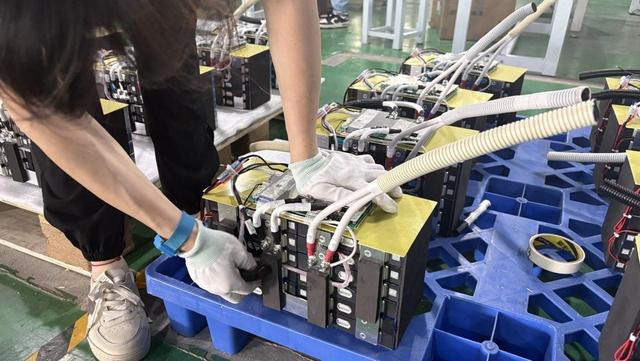
Operating a global supply chain requires strict adherence to safety and environmental standards. Wearable products are subject to detailed regulatory scrutiny before entering major consumer markets. At GAF Energy, our automated production lines are designed to ensure consistency across every cell we produce.
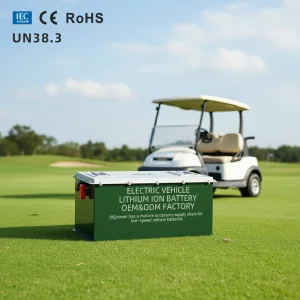
Our quality control program covers the entire manufacturing process: initial sourcing of raw lithium and active materials, high-speed automated cell sorting, precise weld integrity checks, and comprehensive cycle testing. Each batch is tested against extreme physical stresses, including high-impact shock, puncture, thermal cycling, and external short circuits, to ensure compliance with UN38.3, IEC 62133, UL 1642, CE, and RoHS standards.
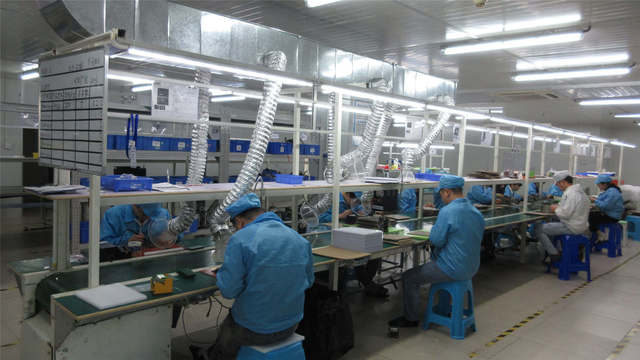
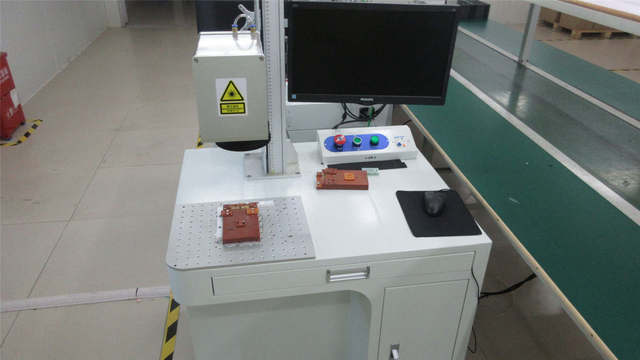
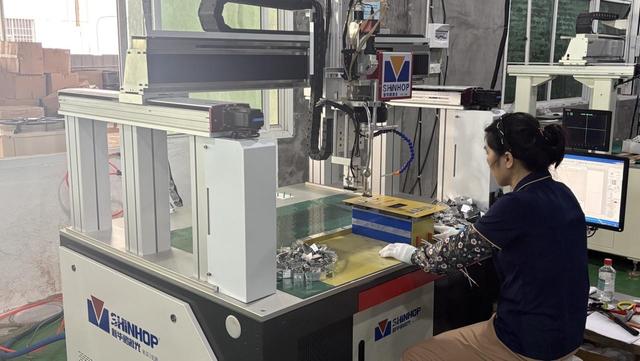
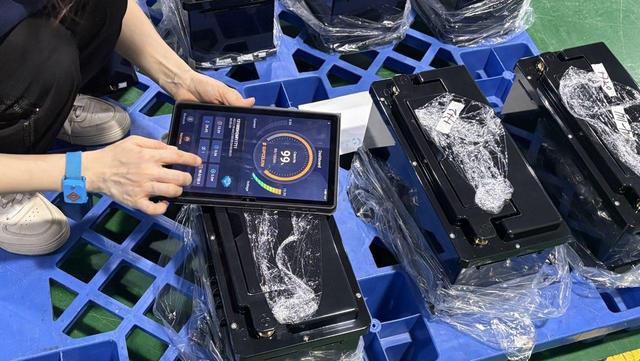
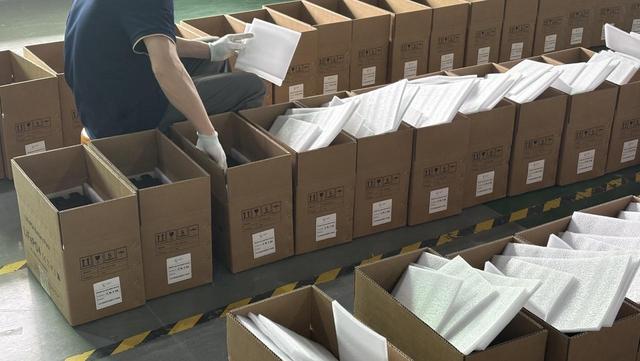
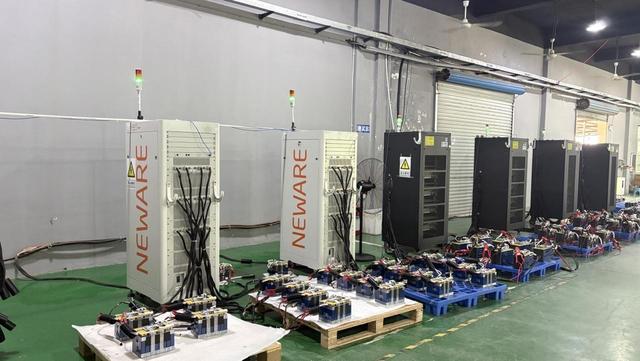
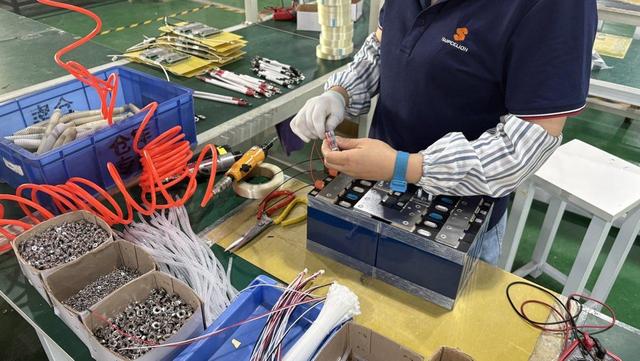
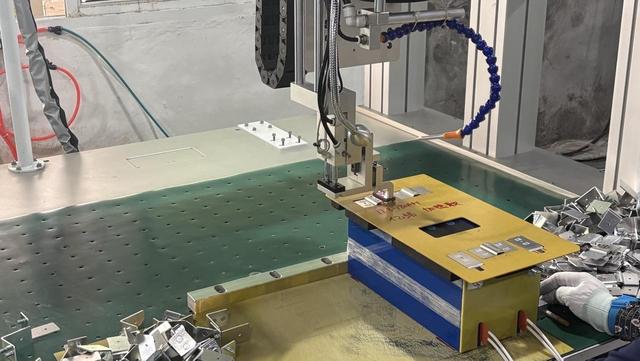
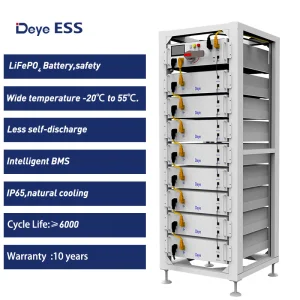
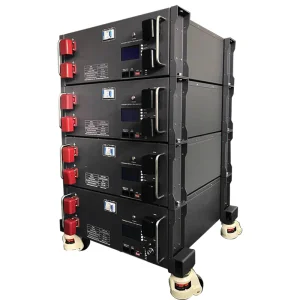
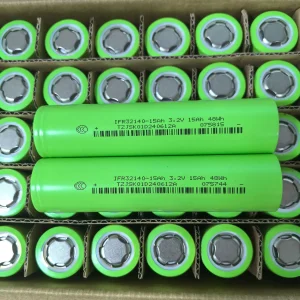
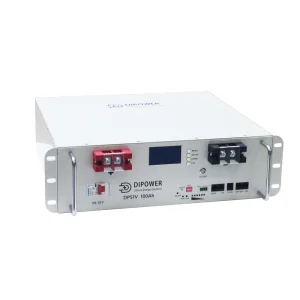
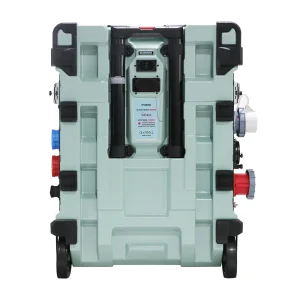
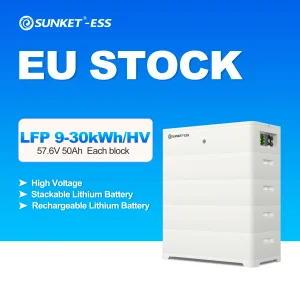
Our global shipping infrastructure regularly handles industrial-scale LiFePO4 cells, rack-mounted home energy storage systems, and specialized motive power options.
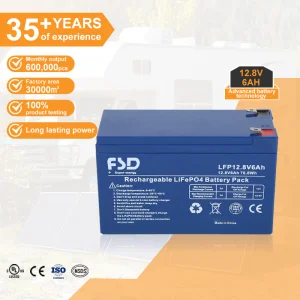
Answers to common questions regarding micro-battery engineering, safety compliance, and OEM/ODM options.
We use high-capacity Lithium Cobalt Oxide (LCO) chemistry combined with thin copper and aluminum current collectors. Minimizing the thickness of separator membranes while maintaining physical integrity allows us to squeeze more active material into a smaller area, maximizing volumetric energy density.
For Western consumer and medical markets, batteries must comply with UN38.3 (for transport safety), IEC 62133 (for general battery safety), and UL 1642 (testing cells under electrical, mechanical, and thermal abuse conditions). All our battery assemblies comply with these standards, along with RoHS and REACH requirements.
Our custom development timeline starts with mechanical design verification and 3D modeling (1 to 2 weeks). Next, we produce prototypes for engineering validation tests (3 to 4 weeks). Once approved, we move on to reliability testing and safety certifications, which generally require 4 to 8 weeks depending on the specific regulatory requirements.
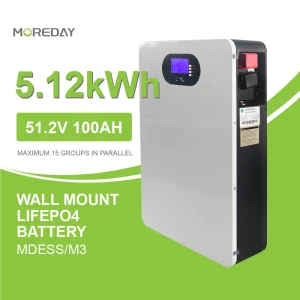
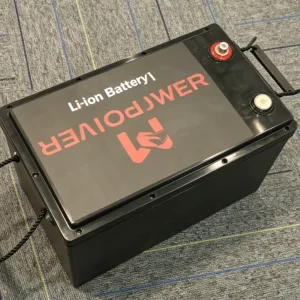
Yes, our capabilities extend well beyond consumer wearables. As shown in our product catalog, we engineer and supply heavy-duty LiFePO4 packs for electric forklifts (e.g., 48V 300Ah packs), high-voltage commercial ESS, wall-mounted solar energy storage units, and customized high-capacity backup stations.
We use ceramic-coated separators to minimize physical changes under load. This design is supported by strict limits on charge voltages (usually under 4.4V) and custom structural support layers within the battery pack casing to absorb internal stresses.