GAF Energy
GAF Energy
GAF Energy
Explore our high-performance energy storage solutions, certified to CE specifications and engineered for residential microgrids, light commercial setups, and modular utility applications.
As the transition towards clean energy accelerates, decentralized electricity systems have shifted from a progressive alternative to an operational imperative. Worldwide, Commercial and Industrial (C&I) enterprises are facing severe grid instability, volatile peak tariff systems, and strict corporate ESG targets. A robust microgrid energy storage system (BESS) acts as the operational cornerstone of the modern industrial park, resolving power quality anomalies and offering localized grid stability.
In highly regulated regions such as the European Union and North America, BESS configurations enable peak-shaving, load-shifting, and secondary reserve ancillary services. By capturing surplus power during low-cost operational cycles and discharging it during peak demand intervals, modern industrial systems realize massive ROI while mitigating localized grid bottlenecks. Simultaneously, in remote areas lacking centralized transmission infrastructures—such as mining sites in Australia or manufacturing facilities in Africa—off-grid microgrids integrated with high-voltage battery storage provide consistent, high-fidelity electrical currents necessary to run heavy machinery without interruption.
Furthermore, under the European Green Deal and local grid mandate schemes, systems must align with rigorous regulatory metrics. Operating microgrids requires certified performance, prompting developers and EPC contractors to seek suppliers that demonstrate not just engineering capacity, but comprehensive European Conformity (CE) certificates (including EN 62619, IEC 62619, and EMC directives). These regulatory criteria ensure the chemistry and structural layouts resist thermal runaways, mechanical stress, and systemic voltage fluctuations.
Shenzhen represents the global epicentre of advanced electrochemical research, development, and lithium supply chain integration. The region contains a dense concentration of automated raw material refineries, cell producers, and state-of-the-art BMS development hubs. By sourcing directly from Shenzhen, global buyers gain access to unmatched vertical integration, ensuring that raw material selection, pouch/prismatic cell formation, and mechanical assembly occur under a singular quality management envelope.
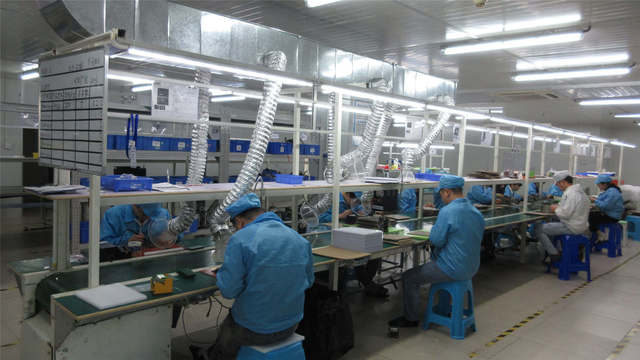
Our Shenzhen facility leverages cutting-edge automated assembly lines, employing robotic cell sorting algorithms to match cells by identical internal resistance and open-circuit voltage profiles. This precise binning process minimizes cell-to-cell degradation and maximizes the operational longevity of the final pack configuration. The integration of localized component manufacturing also allows for highly customized packaging layouts, accommodating non-standard high-voltage configurations, specialized active-liquid cooling paths, and comprehensive OEM/ODM modifications at structural, electrical, and firmware levels.
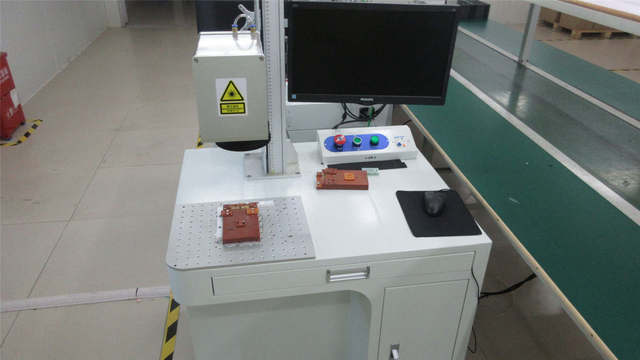
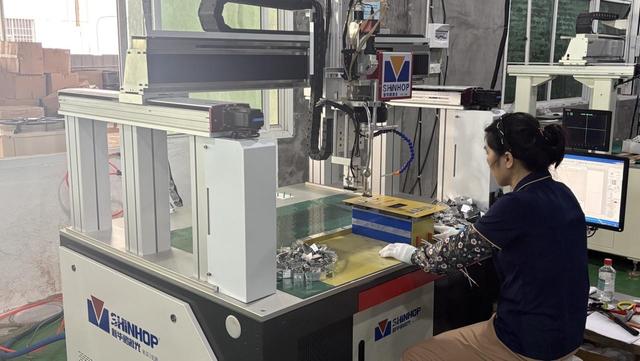
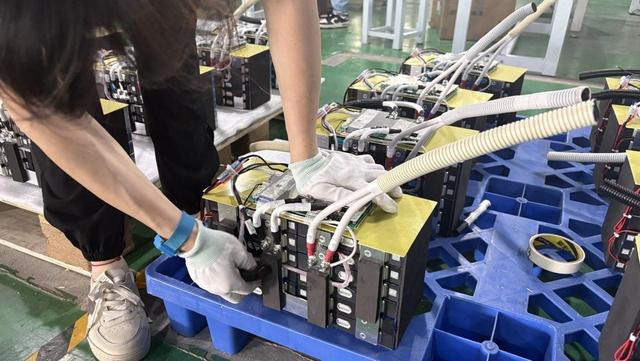
Utilizing high-speed robotic systems for cell inspection, laser welding, and module integration to achieve zero-defect physical construction.
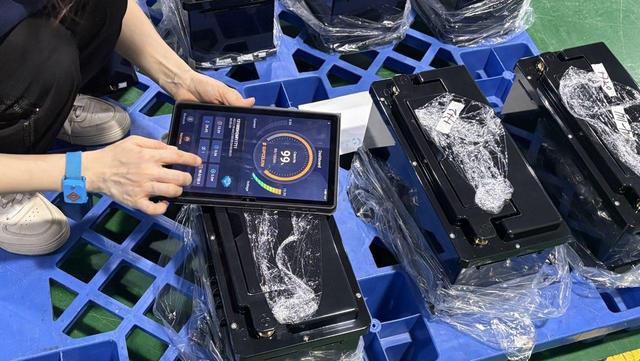
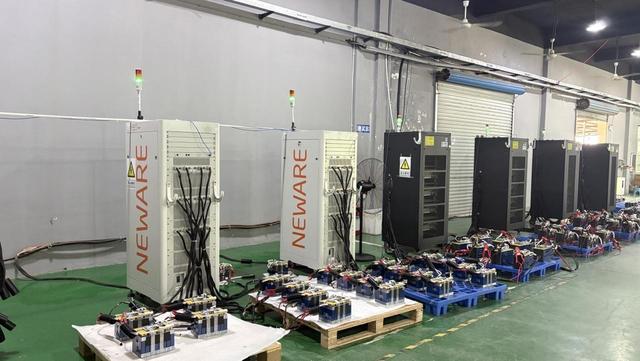
Every module undergoes prolonged high-temperature aging cycles, vibration tests, and high-voltage isolation analysis prior to shipment.
Proprietary software integration supporting CANbus, Modbus TCP/RTU, and customizable dry contact inputs for flawless EMS compatibility.
Modern microgrid architectures vary based on geographical and commercial constraints. Rather than a one-size-fits-all product, our energy storage solutions are optimized for distinct localized operational environments:
Islands and extreme northern/southern zones rely heavily on diesel generation. Our systems offer hybrid integration capability, automatically starting diesel generators only during extreme multi-day cloud covers while running on 100% solar and storage during standard operating conditions, drastically cutting fuel expenditures.
High-power inductive machinery (e.g. CNC centers, heavy cranes, compressors) introduces substantial inrush currents. High-C-rate discharge options and dynamic reactive power compensation prevent local voltage drops and protect sensitive electronics from harmonics.
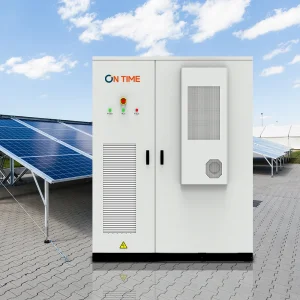
The rapid deployment of fast chargers strains the localized distribution transformer. Our containerized BESS buffers the grid by storing power during low usage periods and discharging at ultra-high currents when multiple EVs plug in, bypassing expensive grid upgrade requirements.
Shenzhen GAF Energy Co., Ltd. is a professional Lithium Battery Manufacturer | LiFePO4, Energy Storage & Renewable Power Solutions dedicated to delivering advanced energy storage technologies for residential, commercial, industrial, and renewable energy applications worldwide. With a focus on innovation, safety, and sustainability, the company provides high-performance lithium battery solutions that support the growing global demand for clean and reliable energy.
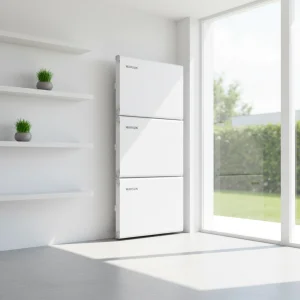
Headquartered in Shenzhen, China, GAF Energy operates modern manufacturing facilities equipped with advanced production equipment, automated assembly lines, and comprehensive quality management systems. The company specializes in the research, development, and production of LiFePO4 batteries, lithium-ion battery systems, residential energy storage batteries, commercial and industrial energy storage systems (ESS), solar storage batteries, rack-mounted battery systems, high-voltage battery solutions, and customized battery packs.
GAF Energy places strong emphasis on product quality and technological innovation. By utilizing premium battery cells, intelligent battery management systems (BMS), and rigorous testing procedures, the company ensures excellent safety, long cycle life, stable performance, and high energy efficiency. Every battery system is designed to meet the demanding requirements of renewable energy integration, backup power applications, and modern energy management solutions.
In addition to standard product offerings, GAF Energy provides comprehensive OEM and ODM services for distributors, energy solution providers, solar installers, system integrators, and private-label brands. From product design and engineering to manufacturing and technical support, the company delivers flexible solutions tailored to specific project requirements.
Serving customers across North America, Europe, Australia, Southeast Asia, Africa, and the Middle East, Shenzhen GAF Energy Co., Ltd. has established long-term partnerships based on product reliability, competitive pricing, and responsive customer service. Committed to accelerating the transition toward sustainable energy, the company continues to invest in advanced battery technologies and renewable energy innovations, helping customers achieve greater energy independence and long-term environmental benefits.
The energy storage industry is undergoing rapid technical evolution. To remain competitive, modern enterprise buyers must align their procurement strategies with upcoming changes in electrochemical hardware and software:
By transitioning from low-voltage systems to high-voltage layouts, systems drastically minimize line transmission losses, optimize inverter output, and reduce overall balance of system (BOS) copper costs.
Energy Management Systems (EMS) are increasingly integrating cloud machine learning algorithms to evaluate weather forecasts, analyze local pricing tariffs, and predict future building load profiles to dynamic optimize battery cycling decisions.
Advanced liquid-cooled plates maintain precise temperature uniformity across every cell in large containerized configurations (within ±2°C), preventing thermal degradation and unlocking superior lifecycle capacities.
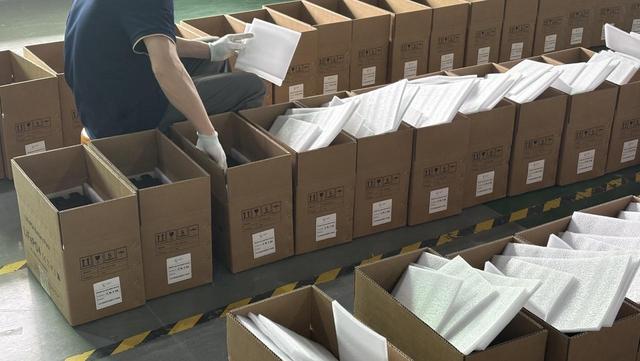
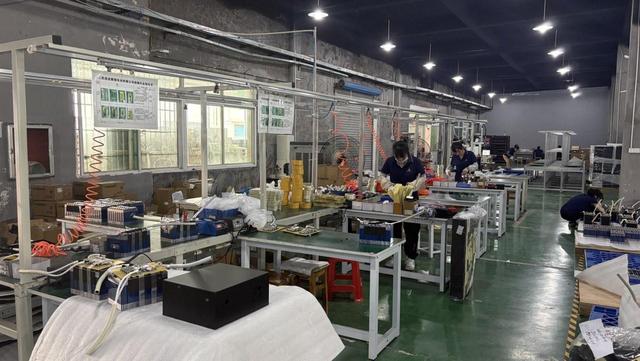
A detailed visual representation of our manufacturing capability, quality control labs, automated assembly lines, and testing equipment in Shenzhen, China.
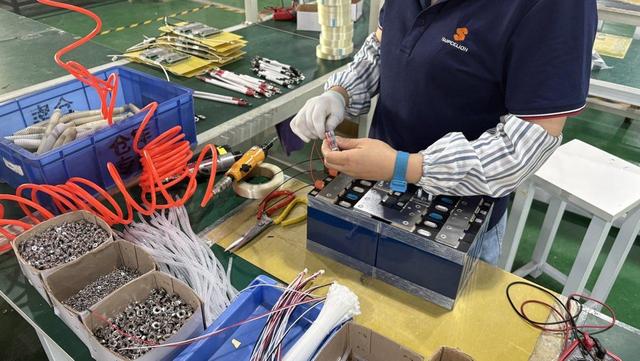
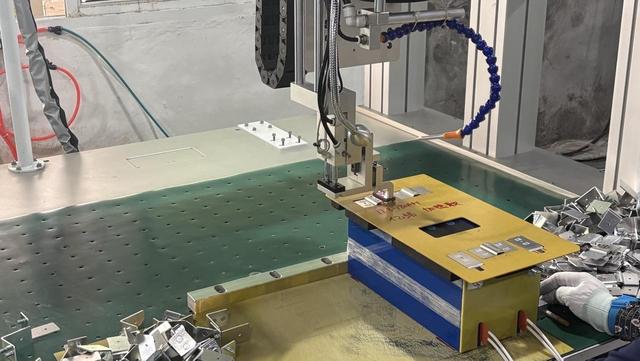
Sourcing large-scale energy storage units requires meticulous verification of multiple electrical and structural specifications. Below is an engineering checklist designed for procurement officers and technical leads:
Verify full test reports under CE, EN/IEC 62619 (for safe industrial operation), IEC 63056, and UN38.3 (for international freight transport). These guarantee structural integrity under extreme fault conditions.
Ensure native support for fieldbus topologies. Our integrated solutions offer programmable Modbus TCP/RTU, CANbus, and optional IEC 61850 parameters to enable seamless telemetry sharing with centralized scada or hybrid solar inverters.
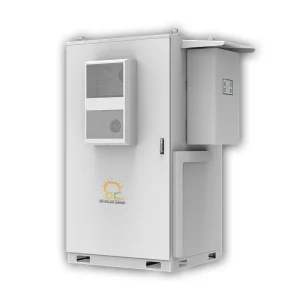
Assess localized climate conditions. Outdoor cabinets must include HVAC or liquid cooling loops configured to handle extreme temperature fluctuations without shifting cells outside their optimal 15°C to 35°C operating range.
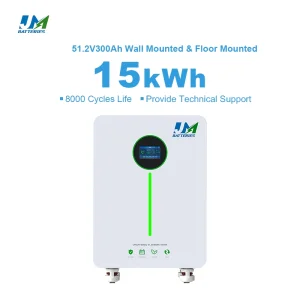
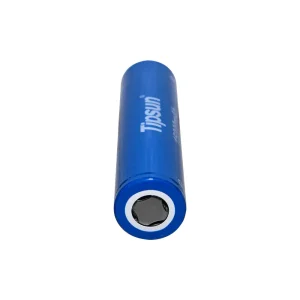
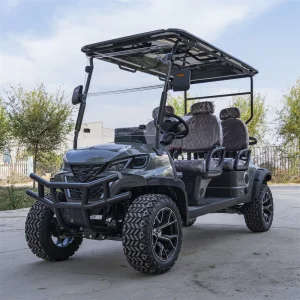
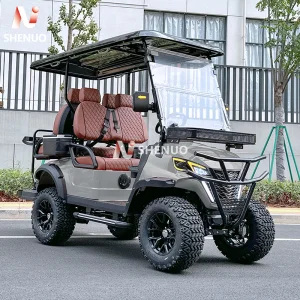
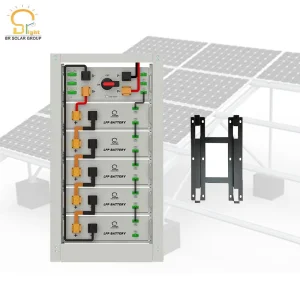
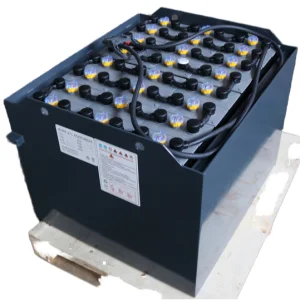
Complete list of custom solutions including high-voltage racks, alternative monocrystalline solar panels, replacement golf cart batteries, and industrial forklift traction packs.