GAF Energy
GAF Energy
GAF Energy
Direct supply of certified, ultra-reliable deep cycle lithium solutions. Engineered for sailing yachts, catamarans, and electric utility boats along the French Riviera and Atlantic ports.
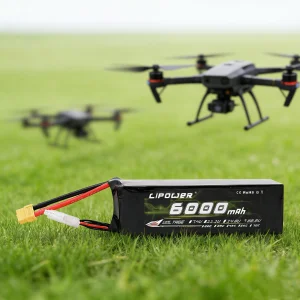
France is leading the maritime energy transition with ambitious regulatory goals, including the European Union's "Fit for 55" and the deployment of local low-emission maritime zones (ZAPA). From the heavy-traffic commercial canals of the Seine-Nord Europe Canal to the luxury mega-yachts docked in Antibes, Monaco, and Cannes, the replacement of conventional combustion generators with clean, dependable battery banks is no longer optional.
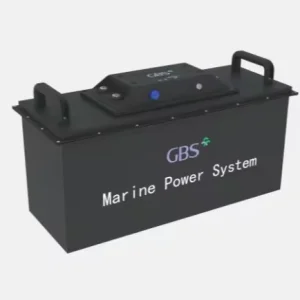
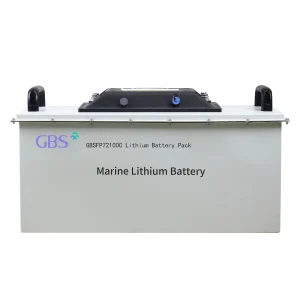
Shenzhen GAF Energy Co., Ltd. addresses this transition by delivering high-safety Lithium Iron Phosphate (LiFePO4) systems. These products are engineered to withstand extreme vibrations, salt spray, and fast-charging requirements, aligning perfectly with French maritime standards.
An in-depth look at local dynamics, maritime regulations, and application-specific demands driving the adoption of advanced LFP battery solutions in France.
France boasts the world's leading leisure yacht builders. Catamarans built by prominent French shipyards in the Vendée region require reliable house batteries to run complex navigation systems, watermakers, air conditioning, and induction hobs without running diesel generators overnight. LiFePO4 batteries provide stable voltage and eliminate noise, smoke, and odors at anchorage.
Decarbonization targets for French rivers, such as the Seine in Paris and the Rhône in Lyon, require electric propulsion or hybrid solutions for tourism cruises, barges, and ferries. Strict emissions guidelines make large-scale, high-voltage battery packs essential to support heavy operations while complying with green port mandates.
For high-performance regattas like the Vendée Globe, French sailing teams demand ultra-lightweight, extremely durable lithium setups. Solid-state and semi-solid LFP batteries are preferred due to their high energy-to-weight ratio and ability to power critical communication and autopilot systems under extreme physical impact.
For decades, marine operators relied on Absorbed Glass Mat (AGM) or Gel lead-acid batteries. However, modern operations require higher efficiency. Comparing the key parameters highlights why French commercial fleets and private operators are migrating to Lithium Iron Phosphate:
Marine safety is paramount. Saltwater is a highly conductive medium, making thermal runaway and structural corrosion significant risks. Shenzhen GAF Energy Co., Ltd. addresses these challenges by incorporating advanced Battery Management Systems (BMS) with multi-layered safety features:
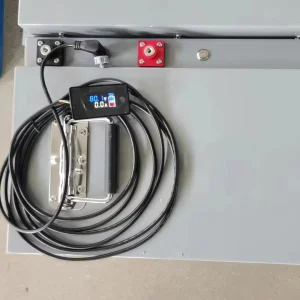
Our intelligent BMS continuously monitors cell voltages, currents, and temperatures. It provides active protection against overcharge, over-discharge, short circuits, and thermal runaway. Additionally, our battery packs support CANbus, Modbus, and NMEA 2000 communication protocols, enabling direct integration into onboard marine networks (like Raymarine, Garmin, or Simrad multifunction displays).
In addition to standard LiFePO4 technology, GAF Energy produces semi-solid state lithium batteries. These batteries feature a gel-polymer or solid-state electrolyte, significantly reducing the risk of internal short-circuits. They also deliver higher energy density and stable performance in low-temperature conditions—ideal for cold-season operations in the English Channel and the North Sea.
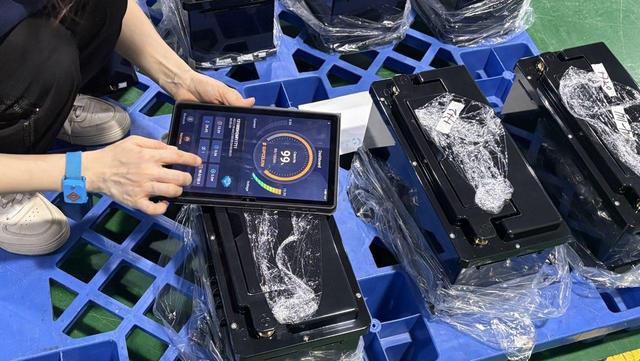
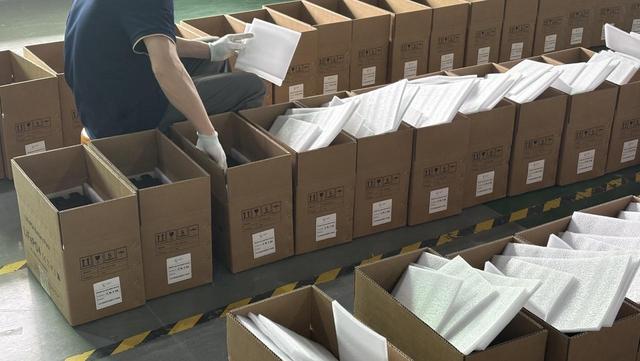
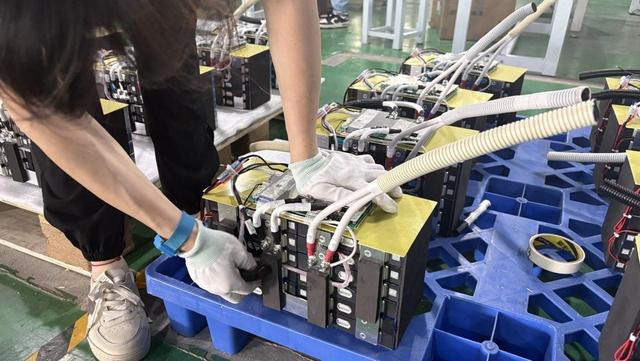
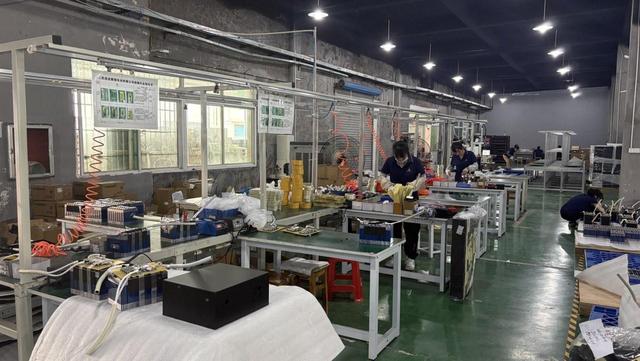
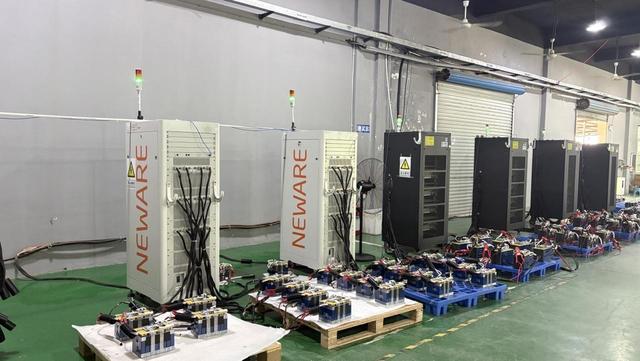
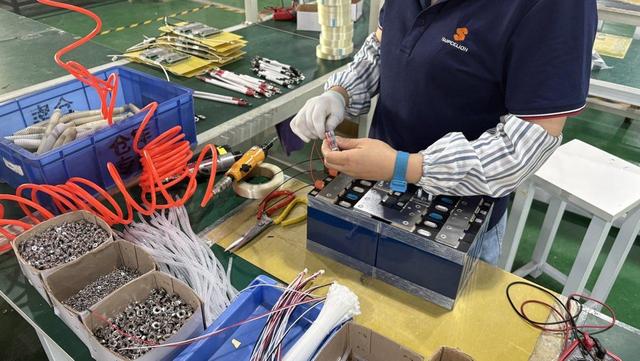
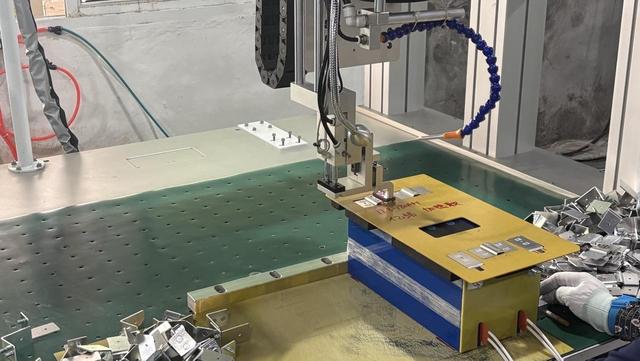
Equipped with advanced production machinery, automated assembly lines, and comprehensive quality control. Here is a look inside our high-tech Chinese manufacturing facility.
Headquartered in Shenzhen, China's high-tech manufacturing capital, GAF Energy operates a state-of-the-art facility dedicated to R&D and battery assembly. Our production process combines advanced automation with rigorous manual quality checks at every critical stage. From initial cell sorting and capacity matching to automated laser welding of copper busbars and multi-day environmental aging tests, we ensure each marine battery is built to perform in harsh ocean environments.
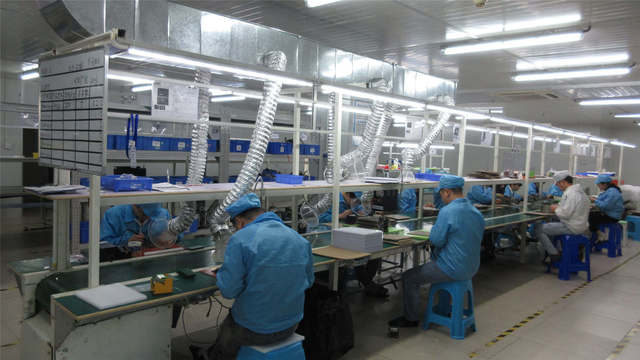
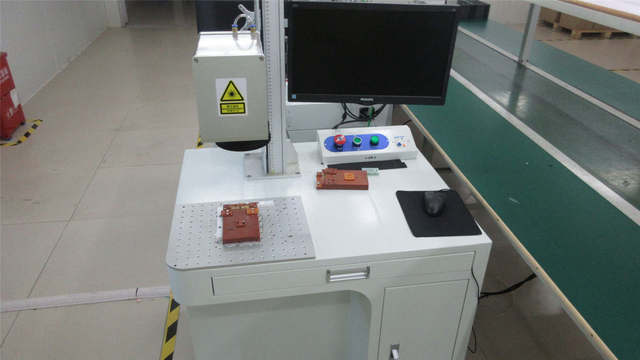
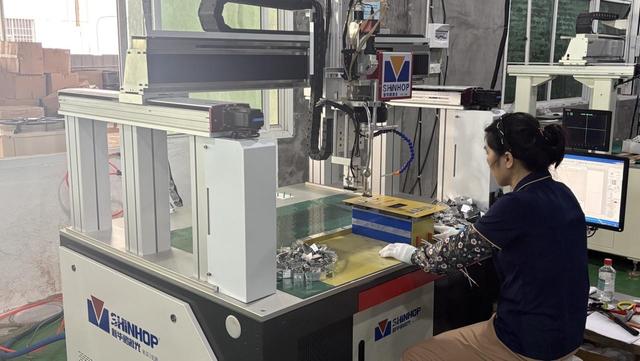
Ensuring hassle-free imports, customs clearing, and safe installation according to French and EU laws.
Operating and selling batteries in France requires compliance with European safety regulations. Every marine battery pack shipped from GAF Energy features a CE mark and complies with the following standards:
We handle the logistics required to ship Class 9 dangerous goods from Shenzhen to French distribution networks and shipyards. We offer DDP (Delivered Duty Paid) and FOB options, shipping directly to major ports including:
Discover how GAF Energy's customized marine battery packs perform in diverse marine applications across France.
Solution: 48V 200Ah parallel connected system providing 40.9 kWh capacity.
Result: Zero carbon emissions, silent operation near historical monuments, and compliance with the zero-emission target for passenger boats in urban Paris waterways.
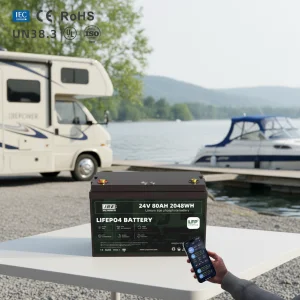
Solution: Custom 24V 100Ah LiFePO4 house battery system integrated with solar arrays.
Result: Sustained power for refrigeration, navigation tools, and autopilot during multi-day Atlantic crossings without running generators.
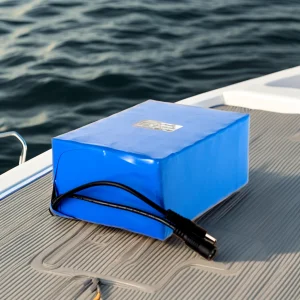
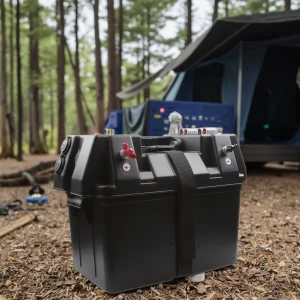
Solution: High-safety 12V 200Ah IP67 waterproof lithium battery pack.
Result: Safe power delivery in high-humidity, high-vibration conditions, lowering starter battery wear and cutting fuel costs.
Clear, direct answers regarding marine lithium conversion, regulations, safety, and supply chain logistics.
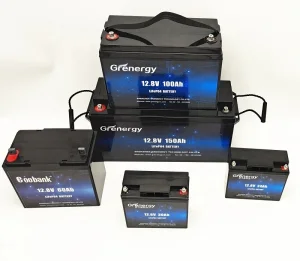
Explore our full catalog of deep cycle marine batteries, trolling motor power systems, and portable storage solutions built for long voyages.
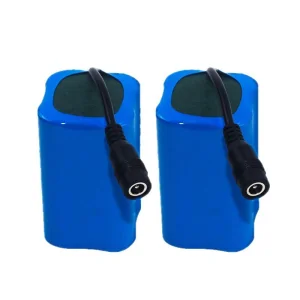
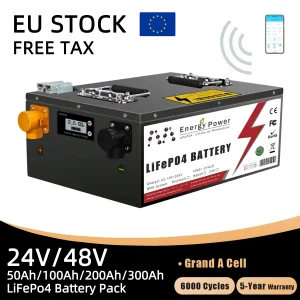
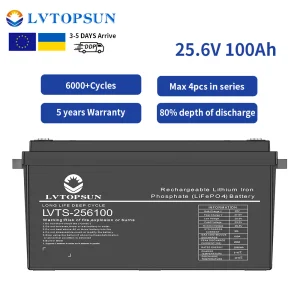
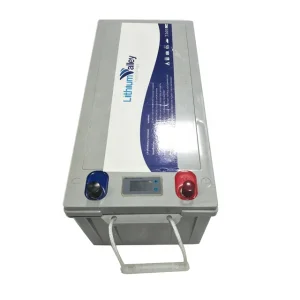
Get in touch with our technical sales engineers to discuss custom battery sizing, NMEA integration, or volume pricing for the French market.
Send Inquiry Now