GAF Energy
GAF Energy
GAF Energy
Explore our high-performance, long-cycle lithium batteries engineered for mobile power stations, marine systems, and off-grid reliability.
An Industrial Deep Dive into Lithium Iron Phosphate (LiFePO4) Technologies and Global Supply Chain Excellence
As the global community faces unprecedented energy transition pressure and decentralized grid transformations, Shenzhen GAF Energy Co., Ltd. stands at the vanguard as a professional Lithium Battery Manufacturer. We specialize in delivering high-efficiency LiFePO4, Energy Storage, & Renewable Power Solutions designed to fulfill the rigorous demands of residential, commercial, industrial, and mobile clean energy sectors worldwide. By addressing the critical bottleneck of off-grid infrastructure—highly durable, stable, and high-density battery cell technology—we enable next-generation Portable Power Station configurations to maintain efficiency even under extreme operational environments.
Modern applications require much more than a simple assembly of lithium cells. From outdoor micro-grids to high-capacity drone stations, our engineering focuses on the entire lifecycle of power output. By incorporating advanced intelligent Battery Management Systems (BMS), high-precision thermal run-off channels, and premium structural protection, GAF Energy optimizes every watt-hour. Headquartered in the hardware capital of the world, Shenzhen, China, we bridge the gap between scientific innovation and mass manufacturing capability, providing global partners with unmatched information gain, cost transparency, and reliable engineering execution.
The transition from conventional liquid-electrolyte cells to semi-solid state LiFePO4 batteries has rewritten performance limitations. With up to 9000 cycles at 80% DOD, commercial and private system operators can achieve amortization cycles extending beyond 10 years, drastically lowering the total cost of ownership (TCO).
How the Shenzhen industrial cluster powers global supply chain efficiency and product consistency.
Shenzhen hosts the most dense concentration of active raw material processors, anode/cathode synthetic plants, and precision casing manufacturers. This geographic proximity cuts logistics latency to virtually zero and allows rapid prototyping of custom cell matrices.
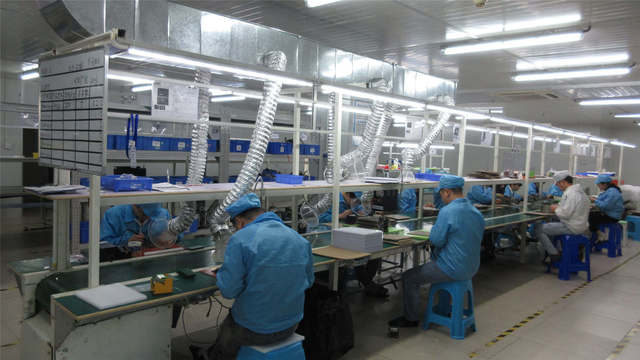
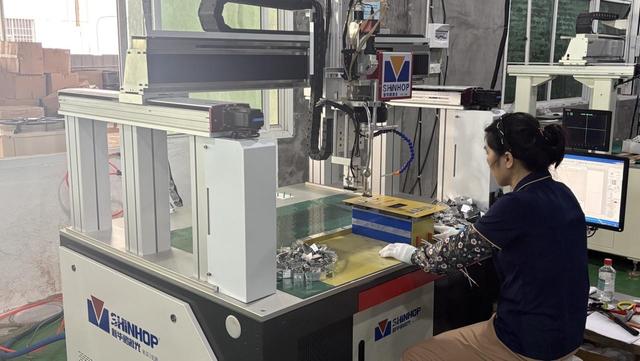
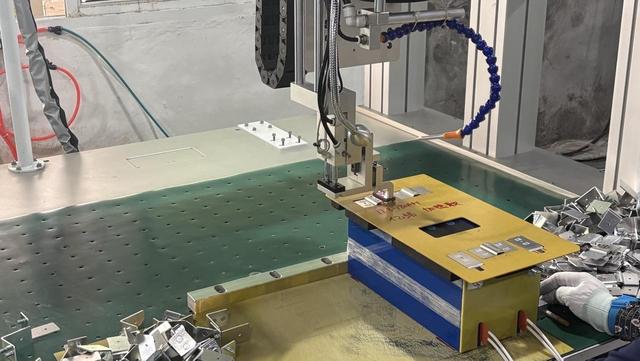
Our modern factory utilizes high-speed automated winding systems, laser welding setups, and AI-driven optical scanners. By minimizing human intervention during delicate cell assembly, we achieve a baseline internal resistance deviance of less than 0.5mΩ.
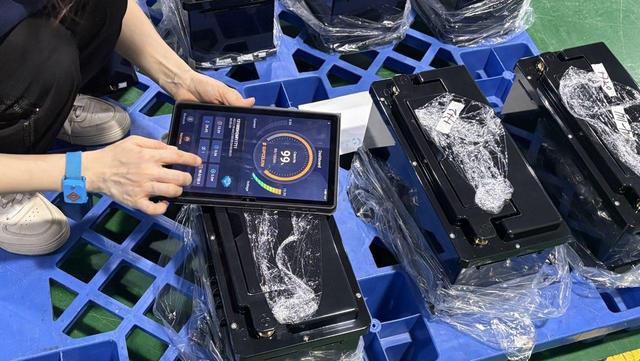
China's regulatory frameworks for lithium-ion storage technologies align with international guidelines. Every batch manufactured at GAF Energy undergoes comprehensive thermal abuse testing, puncture testing, overcharge testing, and long-term environmental chamber simulations.
An authoritative analysis of emerging technologies defining the portable energy market.
Traditional liquid electrolytes are prone to localized dendrite growth and potential leakage under extreme kinetic impacts. Semi-solid state chemistry incorporates solid-state conductors with a minimal liquid catalyst. This significantly reduces thermal runaway propagation while elevating volumetric energy density to over 190 Wh/kg. This breakthrough allows portable power stations to be lighter, safer, and remarkably long-lasting, achieving up to 9,000 charge-discharge cycles.
Modern commercial users require real-time system monitoring. Advanced BMS modules now support cloud connectivity (OTA updates, Bluetooth 5.0, CANbus, RS485 communication protocols). These parameters enable microgrid operators to track State of Charge (SoC) and State of Health (SoH) metrics, ensuring preventive maintenance schedules before a single node undergoes voltage depression.
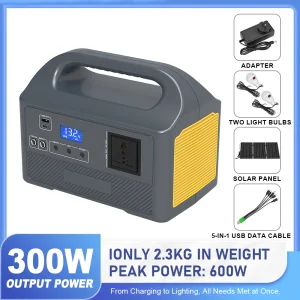
The days of bulky, external adapters are over. Contemporary portable power designs integrate bidirectional inverter technology directly with the battery matrix. This allows AC power to charge the battery bank at ultra-high speeds without thermal overload, bridging the gap between solar photovoltaic (PV) input and immediate AC home output.
Providing custom, scalable architectures for municipal, industrial, and recreational environments.
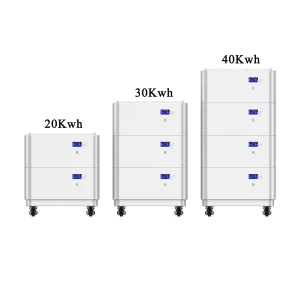
With increasing grid instability and utility price hikes, homeowners implement stackable LiFePO4 batteries (such as the ZTGF 5Kwh-15Kwh system) coupled with hybrid inverters. This provides automated emergency failover during blackouts, reducing reliance on fossil-fuel generators.
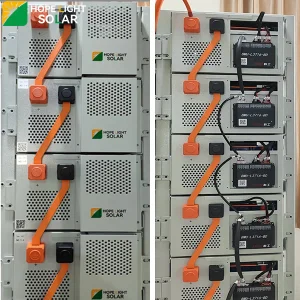
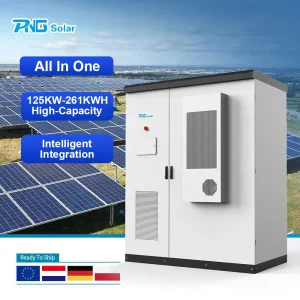
For large-scale processing facilities, our 261kwh Liquid Cooling Cabinet systems regulate cell temperatures efficiently, minimizing degradation during heavy-load machinery starts and peak-shaving operations.
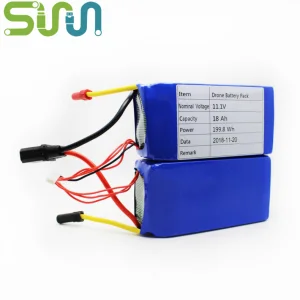
Logistics, mapping, and agricultural drones require intensive instant power delivery. Our customized 30C high-rate lithium packs supply the extreme discharge currents needed for stable heavy-lift drone flights under windy conditions.
Marine environments require salt-spray resistance, moisture-proofing, and vibration absorption. Utilizing iron-shell LiFePO4 structures ensures that internal battery connections remain physically integral despite constant wave impact and thermal shifts common in nautical transport.
Establishing key criteria for sourcing industrial battery configurations.
When procurement managers evaluate Lithium Battery Manufacturers, simple cost-per-watt estimates are insufficient. A holistic procurement strategy must account for security compliance, logistics safety, and functional customization:
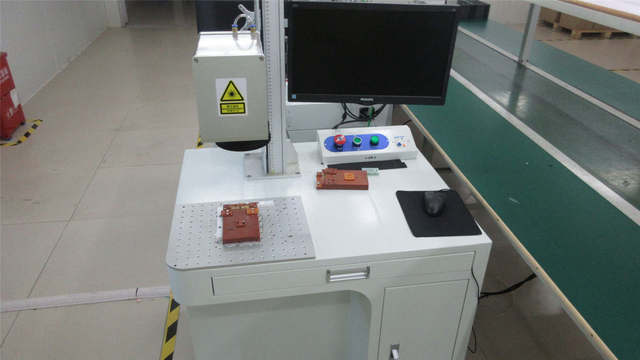
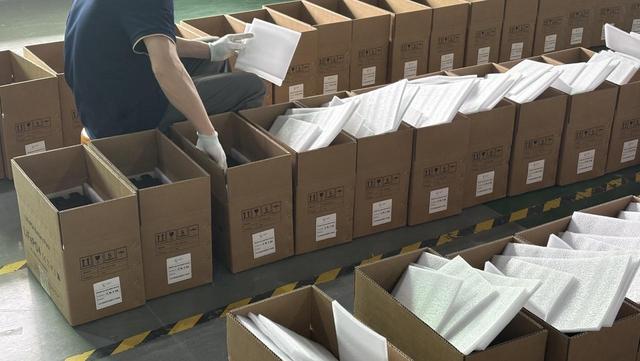
Tour our advanced manufacturing facilities, R&D laboratories, and cleanroom production environments.
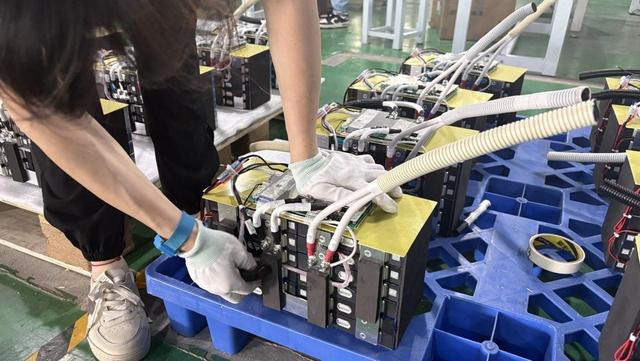
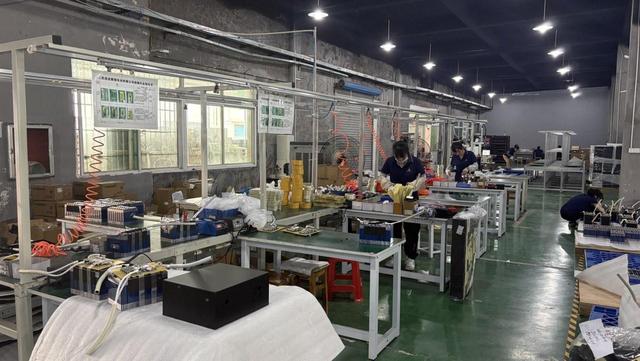
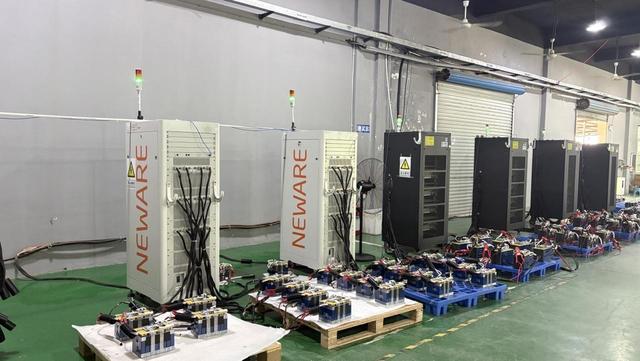
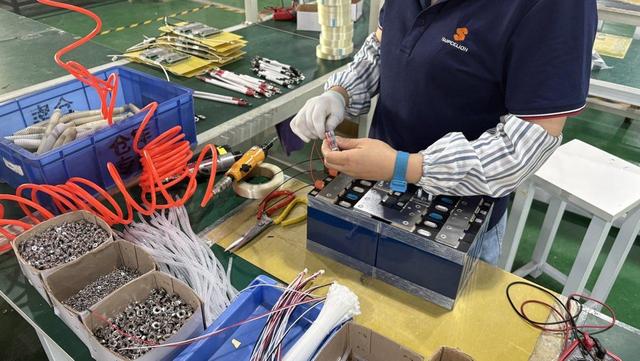
Headquartered in the technological hub of Shenzhen, China, GAF Energy operates modern manufacturing facilities equipped with automated assembly lines, comprehensive quality management systems, and high-precision inspection tools. The company specializes in the research, development, and production of LiFePO4 batteries, lithium-ion battery systems, residential energy storage batteries, commercial and industrial energy storage systems (ESS), solar storage batteries, rack-mounted battery systems, high-voltage battery solutions, and customized battery packs.
By utilizing premium battery cells, intelligent battery management systems (BMS), and rigorous testing procedures, the company ensures excellent safety, long cycle life, stable performance, and high energy efficiency. GAF Energy provides comprehensive OEM and ODM services for distributors, energy solution providers, solar installers, system integrators, and private-label brands globally.
Direct answers from our senior engineering team regarding product deployment, structural choices, and procurement logistics.
Explore specialized industrial, agricultural, and commercial lithium battery configurations.