GAF Energy
GAF Energy
GAF Energy
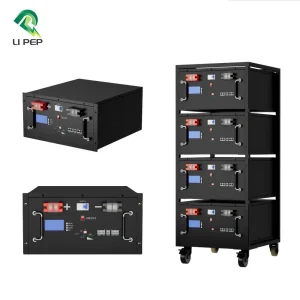
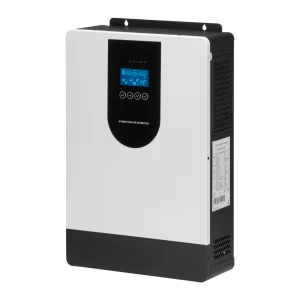
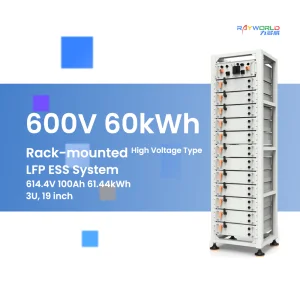
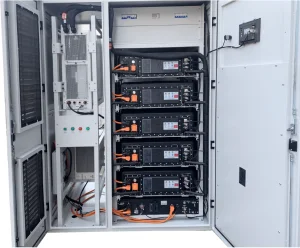
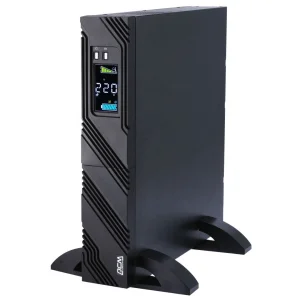
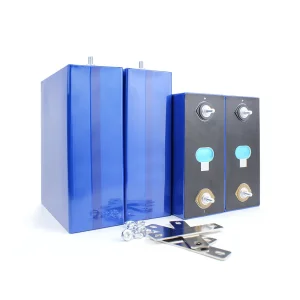
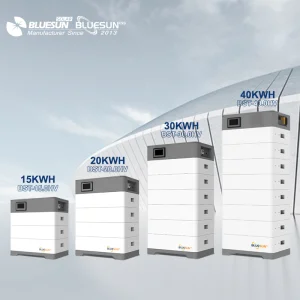
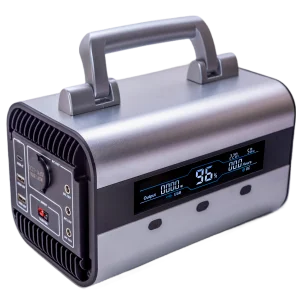
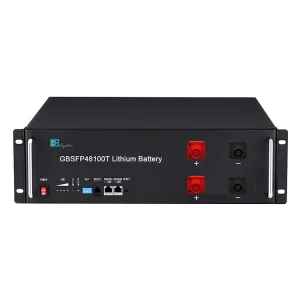
Explore our flagship high-voltage battery storage packs, line-interactive UPS systems, and heavy-duty industrial electric solutions engineered for mission-critical operations.
Analyzing key drivers, grid requirements, and infrastructure challenges pushing industrial enterprises toward rapid charging solutions.
As the global transition to renewable energy gathers momentum, industrial and commercial sectors face unprecedented demand for high-performance Fast Charging Solutions. Rapid charging is no longer just a luxury for passenger electric vehicles (EVs); it has become a fundamental operational requirement for modern logistics fleets, material handling equipment, port terminals, public transportation networks, and large-scale industrial machinery. The capacity to safely and efficiently inject massive amounts of electrical power into lithium-based battery systems within minutes defines the productivity frontier of modern enterprises.
To support this high-power energy transfer, the upstream electrical infrastructure must undergo a paradigm shift. Standard grid linkages often fall short under the transient stress loads generated by ultra-fast chargers. Without stabilizing buffers, local grids can suffer severe voltage drops, harmonic distortions, and accelerated transformer degradation. This has propelled the adoption of localized Commercial & Industrial Battery Energy Storage Systems (BESS) that serve as dynamic power buffers. By slowly drawing power from the grid or solar PV systems and rapidly discharging during high-demand vehicle replenishment periods, these localized units bypass local grid bottlenecks and avoid hefty demand chargers from power utility providers.
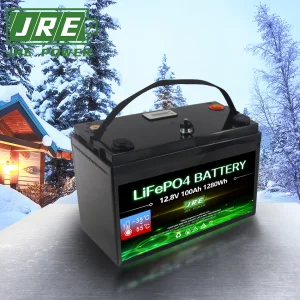
Utilize integrated LiFePO4 batteries to buffer power, capping peak demand costs and ensuring uninterrupted facility operations during high-power fast-charging sessions.
Proprietary active thermal monitoring and multi-layer structural enclosures minimize risks of runaway events, meeting strict European and North American safety standards.
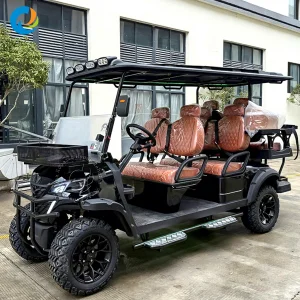
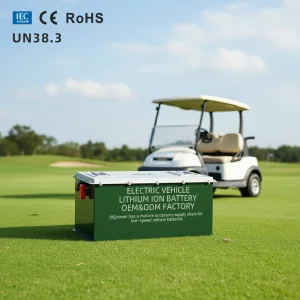
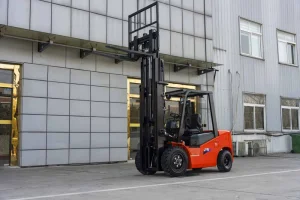
Custom engineering for niche industrial vehicles (forklifts, AGVs, golf carts) and high-voltage grid integration schemes, tailored to site-specific technical envelopes.
A technical overview of current trends spanning cell chemistry improvements, high C-rate charging profiles, and advanced thermal management.
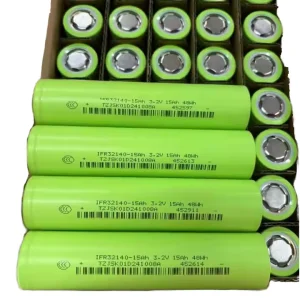
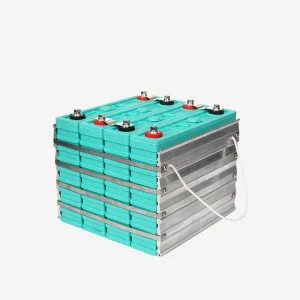
The core of fast-charging technology lies in the electrochemical optimization of lithium-ion cells. Traditional chemistries suffer from accelerated degradation, solid electrolyte interphase (SEI) layer breakdown, and dangerous lithium plating when exposed to sustained currents above 2C. To mitigate this, leading global manufacturers like Shenzhen GAF Energy Co., Ltd. rely on high-grade Lithium Iron Phosphate (LiFePO4) formulations. LiFePO4 boasts superior structural integrity, an inherently high thermal runaway threshold (exceeding 270°C), and molecular pathways optimized for rapid lithium-ion insertion and extraction.
Modern fast charging solutions are moving away from lower-voltage architectures (such as 48V or 96V systems) toward high-voltage architectures ranging from 400V to over 800V DC. Operating at elevated voltages allows systems to achieve megawatt-level transfer rates while keeping current values low. This reduces copper wire weight, minimizes I²R heat losses, and improves overall system efficiency. Coupled with Liquid Cold Plates and active ventilation loops, modern charging stations keep operating temperatures within the optimal 25°C to 35°C window, prolonging battery life cycles up to 6000 cycles at 80% Depth of Discharge (DoD).
Furthermore, the incorporation of intelligent Battery Management Systems (BMS) with CAN/RS485 communication interfaces has revolutionized predictive maintenance. A smart BMS constantly communicates with the charging pile, dynamically modifying voltage and current curves based on the real-time State of Charge (SoC), State of Health (SoH), and cell-level temperature distribution. This closed-loop control loop is crucial for mitigating dendrite formation and preventing premature thermal cutoff under demanding environmental settings.
Our commitment to technical excellence and reliable delivery is reflected in these global metrics.
How fast-charging batteries and custom ESS solutions address regional, regulatory, and mechanical demands across continents.
Different regions present unique challenges that mandate localized solutions. In North America and Europe, grid code regulations (such as IEEE 1547 and EN 50549) impose strict power quality compliance rules. Industrial operators cannot simply connect multi-megawatt chargers directly to local distribution feeders. The ideal setup here requires dynamic local buffering: a large-scale LiFePO4 ESS unit absorbs energy during off-peak hours and releases it to ultra-fast EV charging nodes during high-frequency fleet turnaround periods. This layout effectively minimizes harmonic distortion and helps operations meet stringent grid safety standards.
In regions such as Southeast Asia, Africa, and parts of the Middle East, the focus shifts to grid resilience and microgrid stability. Remote mining facilities, off-grid agricultural operations, and localized telecom hubs frequently combine solar photovoltaic (PV) setups with industrial energy storage. Here, fast charging plays a dual role: fast absorption of excess solar energy during mid-day peak solar production, followed by efficient, high-current delivery to heavy transport machinery and localized forklift fleets, shielding the industrial infrastructure from frequent blackouts and utility phase imbalances.
In urban distribution hubs, material handling equipment (such as forklifts, reach trucks, and AGVs) operates on tight, around-the-clock schedules. Conventional lead-acid batteries require 8 to 12 hours of charging and separate charging rooms with specialized ventilation. Switching to LiFePO4 chemistry allows for "opportunity charging"—quick 15-to-30-minute top-ups during operator breaks. This approach eliminates the need for spare batteries and dedicated charging rooms, allowing warehouses to maximize usable square footage and maintain continuous logistics operations.
A trusted global leader in Lithium Battery Manufacturing, LiFePO4 technology, Energy Storage, and Custom Renewable Solutions.
Shenzhen GAF Energy Co., Ltd. is a professional Lithium Battery Manufacturer | LiFePO4, Energy Storage & Renewable Power Solutions dedicated to delivering advanced energy storage technologies for residential, commercial, industrial, and renewable energy applications worldwide. With a focus on innovation, safety, and sustainability, the company provides high-performance lithium battery solutions that support the growing global demand for clean and reliable energy.
Headquartered in Shenzhen, China, GAF Energy operates modern manufacturing facilities equipped with advanced production equipment, automated assembly lines, and comprehensive quality management systems. The company specializes in the research, development, and production of LiFePO4 batteries, lithium-ion battery systems, residential energy storage batteries, commercial and industrial energy storage systems (ESS), solar storage batteries, rack-mounted battery systems, high-voltage battery solutions, and customized battery packs.
GAF Energy places strong emphasis on product quality and technological innovation. By utilizing premium battery cells, intelligent battery management systems (BMS), and rigorous testing procedures, the company ensures excellent safety, long cycle life, stable performance, and high energy efficiency. Every battery system is designed to meet the demanding requirements of renewable energy integration, backup power applications, and modern energy management solutions.
In addition to standard product offerings, GAF Energy provides comprehensive OEM and ODM services for distributors, energy solution providers, solar installers, system integrators, and private-label brands. From product design and engineering to manufacturing and technical support, the company delivers flexible solutions tailored to specific project requirements.
Serving customers across North America, Europe, Australia, Southeast Asia, Africa, and the Middle East, Shenzhen GAF Energy Co., Ltd. has established long-term partnerships based on product reliability, competitive pricing, and responsive customer service. Committed to accelerating the transition toward sustainable energy, the company continues to invest in advanced battery technologies and renewable energy innovations, helping customers achieve greater energy independence and long-term environmental benefits.
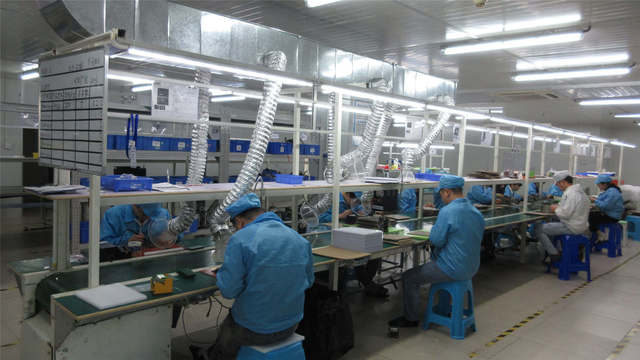
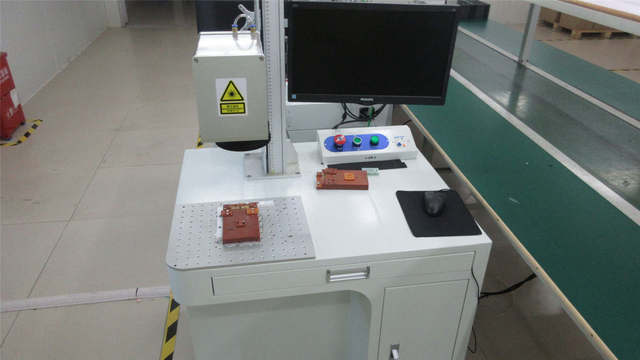
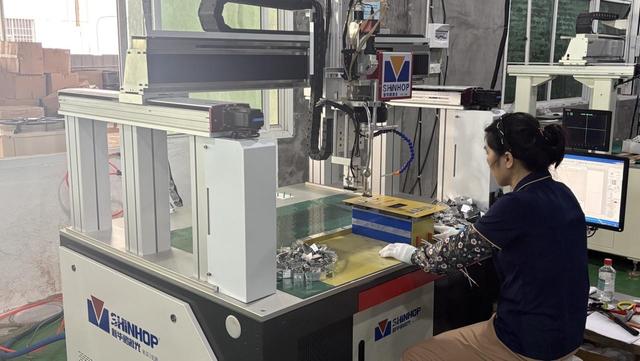
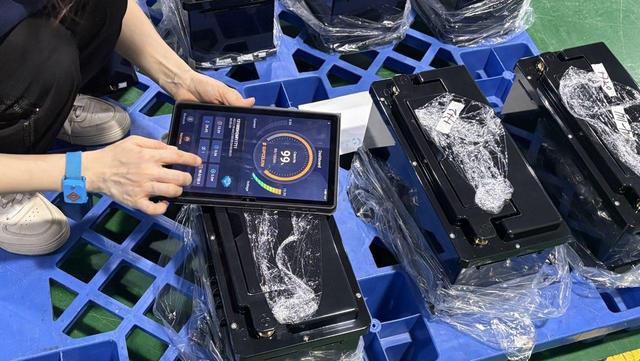

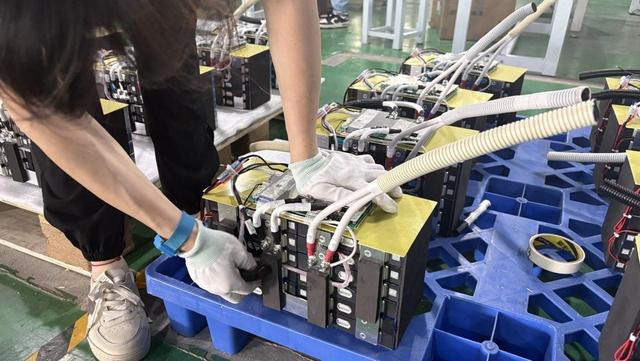
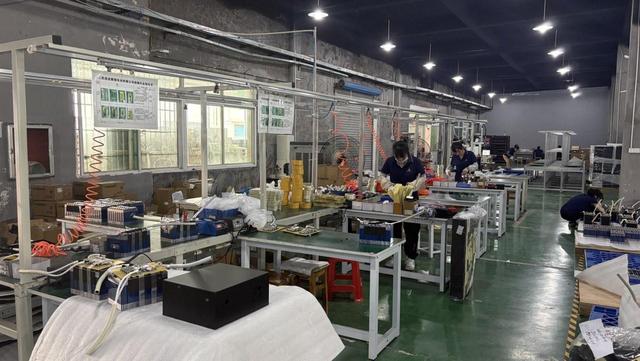
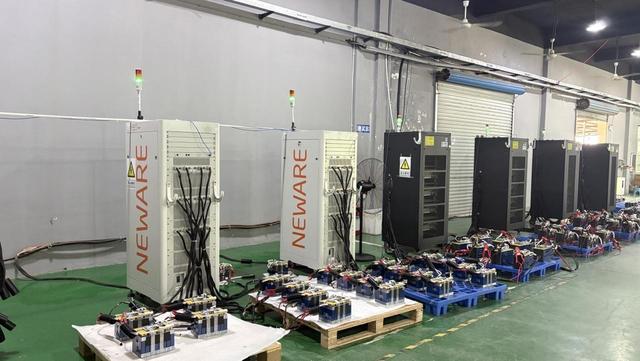
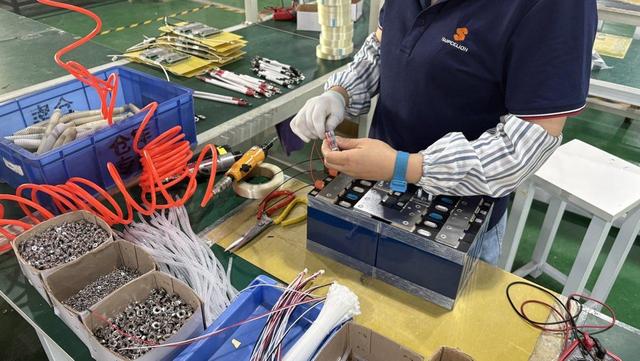
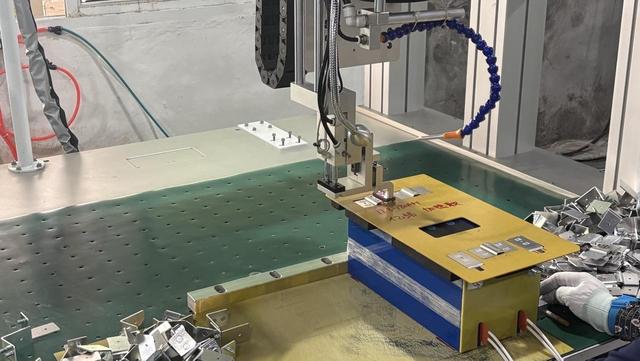
Combining heavy-duty battery chemistry, smart hardware, and cloud diagnostics into a unified industrial solution.
Addressing the fast-charging challenge requires a holistic system-level approach. Large-scale microgrids, industrial logistics parks, and high-throughput distribution centers must coordinate multiple physical and digital sub-systems to maintain grid stability and peak operational efficiency:
1. Electrochemical Layer (Cell Selection): Using grade-A LiFePO4 cells with low internal resistance is crucial. Lower internal resistance minimizes heat generation during high-power charging, maintaining battery health and safety under demanding cycles.
2. Structural Layer (Enclosure and Heat Control): Designing battery packs with efficient heat dissipation pathways is critical. Advanced configurations feature active air cooling channels or integrated liquid cold plates to maintain uniform cell temperatures, preventing hot spots and thermal runaway.
3. Electrical Control Layer (BMS & Safety Interlocks): The Battery Management System acts as the primary safety controller. It actively monitors voltage, current, and temperature at the cell level. In the event of an anomaly, the BMS communicates with external breakers to isolate the affected battery modules within milliseconds, preventing fault propagation.
4. Digital Layer (Telemetry & IoT): Industrial power systems leverage cloud-based telemetry to track performance metrics in real time. Remote operators can monitor State of Charge (SoC) and State of Health (SoH) metrics, allowing maintenance teams to address potential issues before they cause system downtime.
Get professional, engineering-focused answers to common questions about industrial LiFePO4 battery systems and fast-charging technologies.
Explore our industrial-grade split-rack batteries, hybrid solar-UPS systems, and heavy-duty electric vehicle battery packs.