GAF Energy
GAF Energy
GAF Energy
Explore our top-performing CE & international standard compliant battery systems engineered for off-grid operations, electric utility vehicles, and heavy-duty storage applications.
The global agricultural sector is undergoing a profound paradigm shift. Driven by carbon neutrality goals, strict European and American emission regulations, and the urgent economic need to lower operational expenses, manufacturers of agricultural machinery are actively transitioning from traditional internal combustion engines (ICE) to clean, electric, and hybrid powertrains. Within this landscape, CE certified batteries for agricultural equipment stand out as the cornerstone of modern mechanical engineering.
As a global leader in power systems, Shenzhen GAF Energy Co., Ltd. is at the forefront of this industrial transformation. We specialize in the research, design, engineering, and mass-scale production of Lithium Iron Phosphate (LiFePO4) and customized lithium-ion battery packs that meet the exact requirements of agricultural original equipment manufacturers (OEMs) and international suppliers. From compact electric utility vehicles (UTVs), specialty orchard tractors, and autonomous agricultural robots to massive combines, harvesters, and off-grid smart irrigation systems, our battery systems deliver the required performance, safety, and reliability.
Every battery pack that rolls out of our state-of-the-art facilities in Shenzhen, China, is built using premium cells, advanced Battery Management Systems (BMS), and robust enclosure designs to withstand the harsh environments typical of agricultural operations—extreme vibrations, dust exposure, thermal variations, and prolonged heavy duty cycles.
A comprehensive macro analysis of how electrification is reshaping the global farming industry, demanding higher energy standards and specialized power solutions.
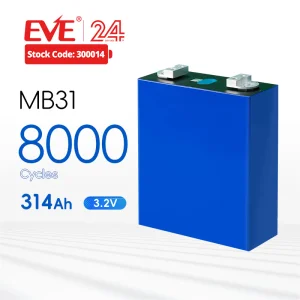
The shortage of skilled agricultural labor, combined with the precision requirements of modern organic and chemical-free weeding, has led to a boom in autonomous field robots (ag-bots). These machines operate continuously for 8 to 16 hours a day. Our high-capacity LiFePO4 configurations, built with EVE 314Ah or customized high-energy-density cells, provide the sustained power necessary to run onboard computer vision processing units, GPS RTK guidance modules, and electric actuators, ensuring seamless continuous field operations.
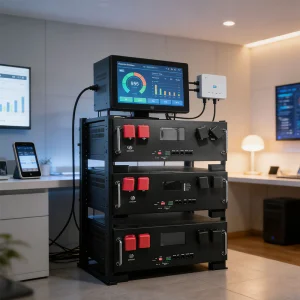
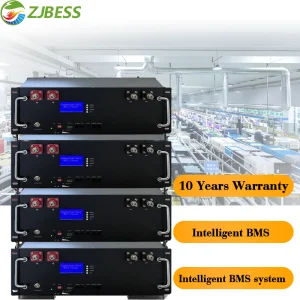
Modern agricultural machinery is transitioning from traditional low-voltage systems (12V-48V) to high-voltage setups (typically 400V to 800V). Higher operating voltages reduce current flow, allowing for lighter, thinner internal wiring and significantly reduced copper usage. This design dramatically minimizes thermal generation and maximizes system efficiency. Shenzhen GAF Energy's modular high-voltage battery storage systems and rack-mounted industrial battery configurations support this high-performance shift.
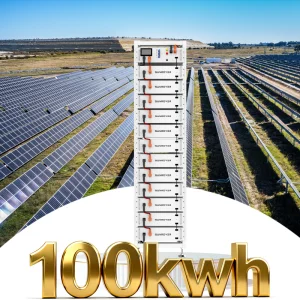
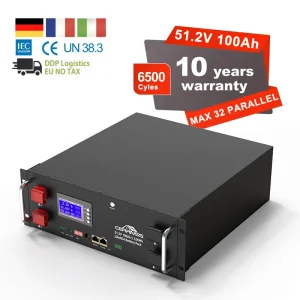
Agricultural environments are fundamentally decentralized, often miles away from municipal power grids. Modern operations require mobile fast-charging stations and large-scale battery energy storage systems (BESS) installed directly on farm properties. Integrating solar arrays with GAF Energy's 51.2V rack-mounted containers and high-voltage energy storage systems enables local microgrids. These microgrids charge electric tractors and utility vehicles using 100% self-generated solar energy, completing a zero-emission lifecycle.
Addressing the technical and regulatory bottlenecks that procurement managers face when selecting battery solutions for agricultural machinery.
Tractors and harvesters operate on uneven, rocky, and compacted terrain. Standard consumer-grade or light commercial battery frames will quickly fail under continuous, high-amplitude vibrations. Such failures can lead to cell misalignment, broken busbars, and internal short-circuits. GAF Energy implements robust mechanical cell-clamping fixtures, thick laser-welded pure copper busbars, and shock-absorbing polyurethane potting compounds to ensure complete compliance with rigorous vibration standards.
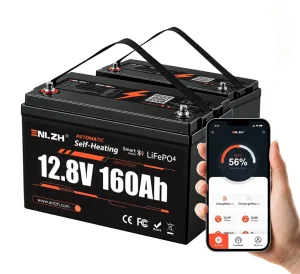
Agricultural work occurs across a wide range of temperatures, from intense summer heat to freezing winter mornings. Standard lithium chemistries suffer from reduced discharge capacities and struggle to charge safely below freezing. To address this, GAF Energy offers specialized self-heating low-temperature LiFePO4 batteries. Integrated heating elements warm the cells to safe levels before accepting charge, preventing lithium plating and maintaining optimal performance in any weather.
Agricultural machinery is exposed to fine soil dust, chemical fertilizers, pesticides, and high-pressure hot water washdowns. Standard enclosures do not offer sufficient protection for high-voltage systems. Our battery solutions are housed in robust, heavy-gauge steel or reinforced IP67/IP69K polymer casings, featuring custom silicone seals and waterproof pressure relief valves. This ensures that moisture and dust are kept out, protecting internal electronics from corrosion.
How Shenzhen GAF Energy matches advanced product lines to complete agricultural applications.
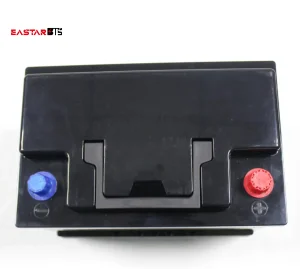
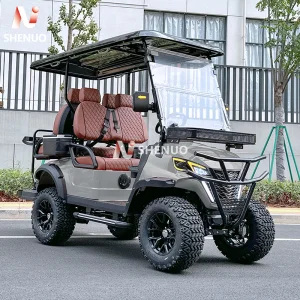
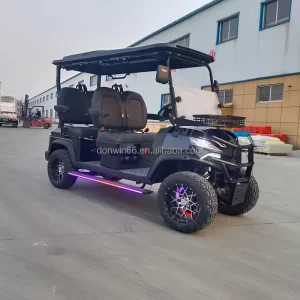
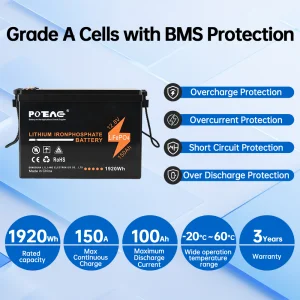
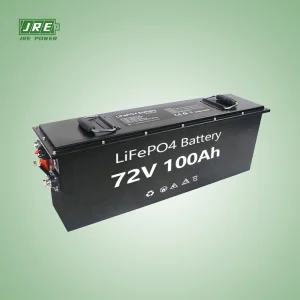
Electric utility vehicles, golf carts, and small field tractors require reliable starting currents and sustained discharge capabilities under heavy loads. Our customized lithium-ion and LiFePO4 battery packs (such as the 60V/72V golf cart series and 12.8V direct lead-acid replacements) feature integrated smart BMS. This setup allows for high-current discharge and regenerative braking support, ensuring efficient and reliable operation.
Remote water pump systems and automated drip irrigation networks rely heavily on consistent solar power. When cloud cover or nighttime occurs, GAF Energy’s rack-mounted 51.2V 100Ah-200Ah battery containers act as reliable energy buffers. These units store excess energy during the day and discharge it as needed, preventing crop dehydration due to power outages.
Modern seeding and harvesting implements require significant electrical power to run onboard sensors, actuators, and seed distribution motors. Utilizing long power cords run from the tractor cabin can lead to voltage drops and clutter. Mounting our compact, low-temperature 12.8V 160Ah battery packs directly onto these implements provides dedicated, stable power, simplifying operations and reducing electrical drag.
A visual overview of Shenzhen GAF Energy's manufacturing plants, automated assembly lines, testing centers, and high-performance battery packs.
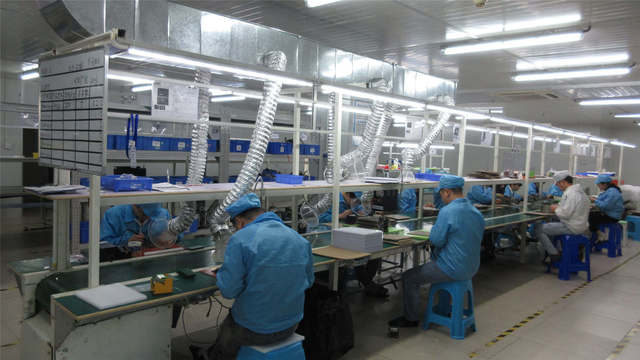
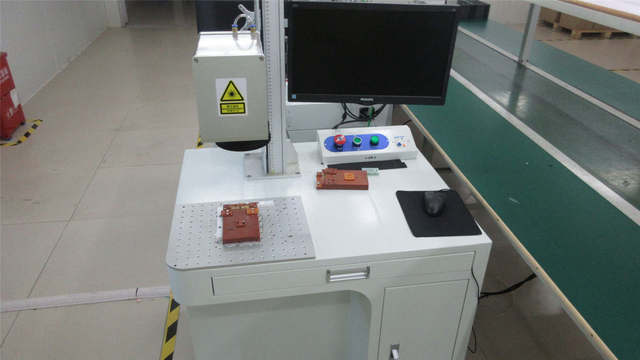
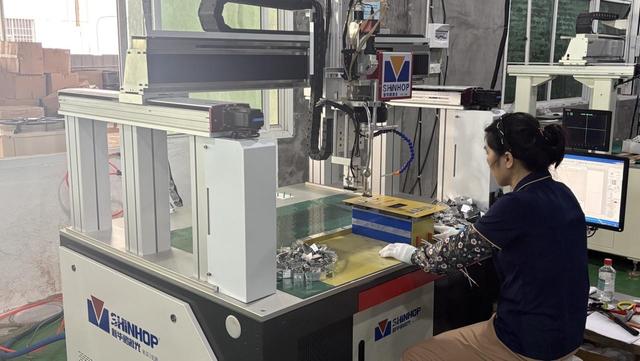
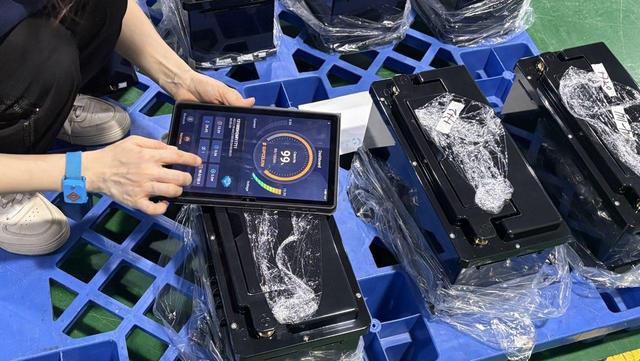
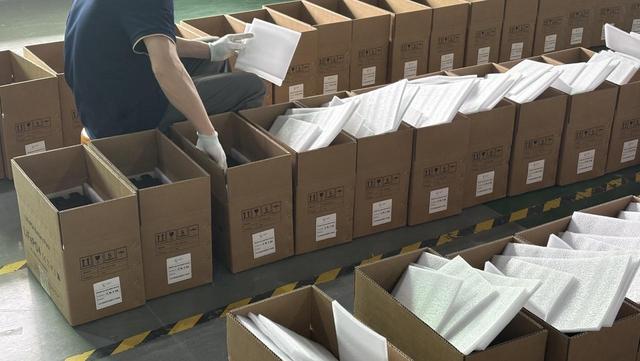
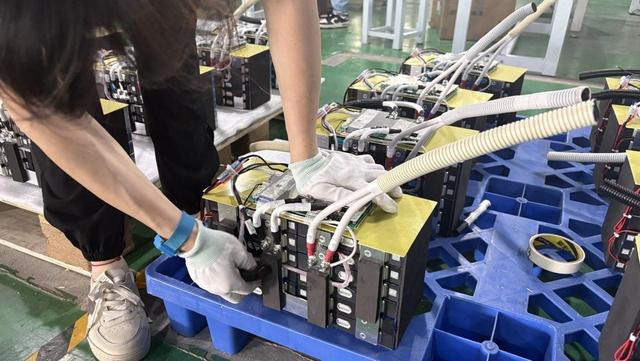
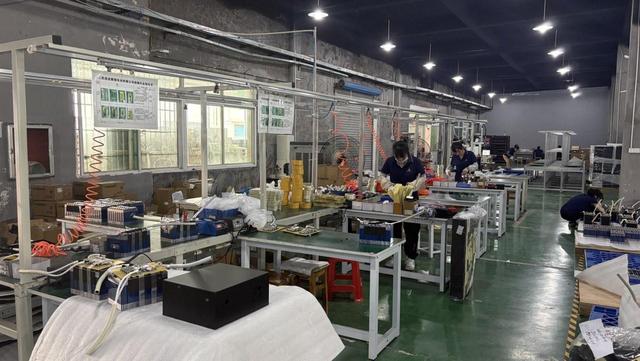
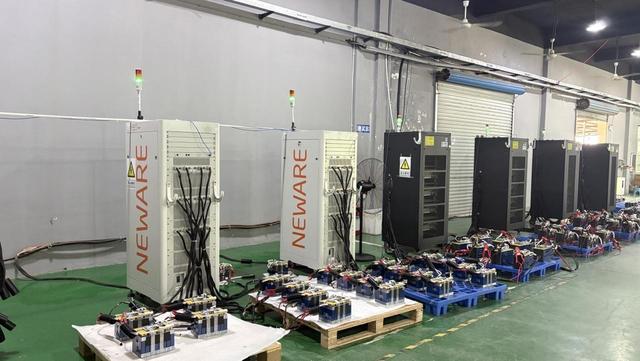
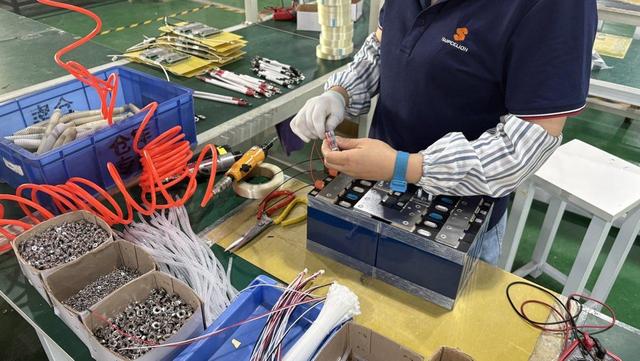
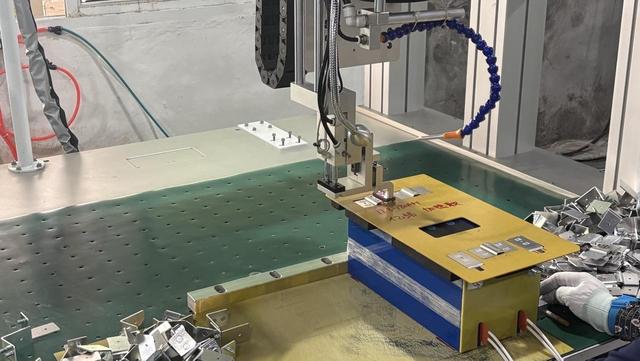
A closer look at our manufacturing processes, strict quality standards, and comprehensive customer support networks.
Headquartered in Shenzhen, China, Shenzhen GAF Energy Co., Ltd. operates modern manufacturing facilities equipped with automated assembly lines, high-precision laser-welding robots, and comprehensive quality management systems. We specialize in the R&D and production of LiFePO4 batteries, lithium-ion battery systems, residential energy storage batteries, commercial and industrial energy storage systems (ESS), solar storage batteries, rack-mounted battery systems, high-voltage battery solutions, and customized battery packs.
Our facilities utilize premium cells from top-tier suppliers like EVE, CATL, and BYD, paired with our proprietary Intelligent Battery Management Systems (BMS). Every step of our production process, from cell sorting to final functional tests, is documented and traceable under ISO 9001, ISO 14001, and ISO 45001 management standards. This ensures high level of safety, long cycle life, stable performance, and high energy efficiency for our battery systems.
We offer comprehensive OEM and ODM services to distributors, energy solution providers, solar installers, system integrators, and private-label brands worldwide. Our engineering team can customize battery solutions to match specific vehicle compartments, voltage levels, current profiles, and communication protocols (such as CAN bus, RS485, and Modbus). This ensures seamless integration with your existing equipment architectures.
With key target markets in North America, Europe, Australia, Southeast Asia, Africa, and the Middle East, GAF Energy has established long-term logistics partnerships. This allows us to handle complex battery shipping regulations, offering Class 9 dangerous goods transport, customs clearance, and delivery directly to your factory doors.
Meeting regulatory standards is crucial for market entry, liability prevention, and user safety.
To be sold and operated within the European Economic Area (EEA), agricultural machinery must meet strict CE guidelines. Our battery systems are tested to comply with the CE Electromagnetic Compatibility (EMC) Directive (2014/30/EU) and the Low Voltage Directive (LVD) (2014/35/EU). This certification guarantees that our batteries will not interfere with vehicle electronics and are safe from electrical shock, short circuits, and thermal hazards.
All GAF Energy battery shipments carry valid UN38.3 test reports, ensuring they are safe for air, sea, and land transport. Additionally, our battery packs are engineered to meet UL9540A (for thermal runaway safety) and IEC 62133 standards. This gives developers, insurers, and users peace of mind during operation.
Unlike older battery options, our LiFePO4 cells do not contain toxic heavy metals like lead, cadmium, or mercury. They comply with the EU RoHS and REACH regulations, allowing manufacturers to meet their environmental and sustainability goals.
A forward-looking view of GAF Energy's ongoing R&D efforts to improve energy densities, safety systems, and smart grid integrations.
We are actively researching solid-state battery technologies to replace liquid electrolytes with solid alternatives. This transition will help eliminate risk of thermal runaway and significantly increase volumetric energy density, enabling longer runtimes for heavy-duty electric tractors without increasing battery size.
Our next-generation BMS systems feature integrated 4G/5G and IoT modules. This allows for real-time monitoring of cell voltages, temperatures, and state-of-charge (SoC) via a cloud-based diagnostic platform. Machine learning models analyze this data to predict maintenance needs, prevent unexpected downtime, and extend battery lifespans.
To minimize downtime during planting and harvest seasons, we are developing fast-charging solutions that can recharge batteries to 80% capacity in under 45 minutes, without causing cell degradation or compromising safety.
Detailed technical answers to common questions asked by engineers, procurement managers, and distributors.
Explore our high-performance cells, customized lithium-ion configurations, and storage modules for commercial and industrial use.