GAF Energy
GAF Energy
GAF Energy
Explore our elite selection of high-voltage industrial battery systems, long-lifecycle prismatic cells, and off-grid utility platforms designed for enterprise deployment.
Modern telecommunication networks are undergoing a massive transformation. As 5G microcells and dense macro stations deploy globally, the load demands on backup power systems have intensified exponentially. Traditional Valve Regulated Lead-Acid (VRLA) batteries, which dominated the telecom sector for decades, are no longer capable of meeting the rigorous operational demands of 5G infrastructure. Issues like limited cycle life, temperature sensitivity, high weight, and large footprints have rendered lead-acid obsolete.
To ensure uninterrupted connectivity, major telecom manufacturers and system integrators are transitioning to custom-configured lithium battery packs. These advanced systems provide not only high energy density but also smart communication protocols, enabling remote site monitoring and predictive maintenance that save millions in operational expenditures.
Technology pathways that are shaping the future of reliable network operations worldwide.
Leveraging premium Grade-A chemistry allows cells to exceed 6,000 cycles at 80% Depth of Discharge (DoD), supporting multi-cycle peak shaving daily.
Integrated microprocessors monitor voltage, temperature, and current in real time, preventing thermal runaway and reporting health stats dynamically.
Direct coupling with renewable energy inputs (Solar PV/Wind) facilitates remote telecommunication setups where grid connectivity is unstable or absent.
Sourcing components for carrier-grade infrastructure is incredibly strict. Telecom network providers, Tower Companies (TowerCos), and infrastructure developers look for highly specialized manufacturing protocols. The sourcing process focuses heavily on standardizing specifications and meeting precise requirements:
To meet these requirements, manufacturers must source cells from verified operations with stable supply chains. Companies look for trace-verified cell components to ensure all safety standards are met, lowering risk during high-load performance windows.
Tailored energy backup paradigms designed for diverse deployment environments.
Maximize rack-space efficiency by replacing heavy lead-acid blocks with slim 48V/100Ah or 48V/200Ah LiFePO4 rack modules. Ideal for central offices and core switching nodes.
IP65-rated battery enclosures with integrated heaters protect networks against freezing winters and burning desert heat, reducing HVAC cost by up to 80%.
For areas with poor grid stability, our systems store excess solar energy during the day to power base stations at night, replacing diesel generators.
Batteries used in national defense, public safety, and consumer communications infrastructure must adhere to strict safety codes. At GAF Energy, our systems undergo rigorous testing to ensure absolute reliability and safety across global markets.
Compliance ensures that when telecom systems undergo grid anomalies or environmental stresses, our battery systems remain secure. Intelligent protective circuits automatically isolate cells during voltage or current spikes, keeping base stations online without risk of failure or fire hazards.
Shenzhen GAF Energy Co., Ltd. is a professional Lithium Battery Manufacturer | LiFePO4, Energy Storage & Renewable Power Solutions dedicated to delivering advanced energy storage technologies for residential, commercial, industrial, and renewable energy applications worldwide. With a focus on innovation, safety, and sustainability, the company provides high-performance lithium battery solutions that support the growing global demand for clean and reliable energy.
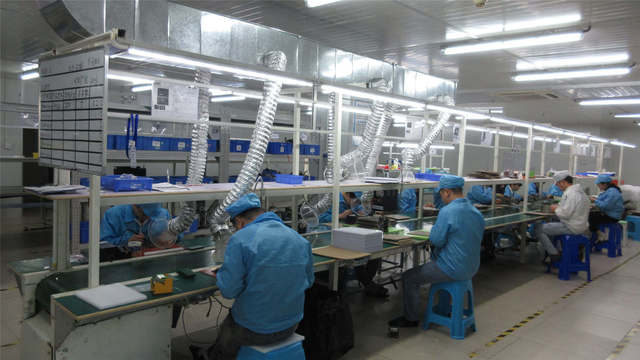
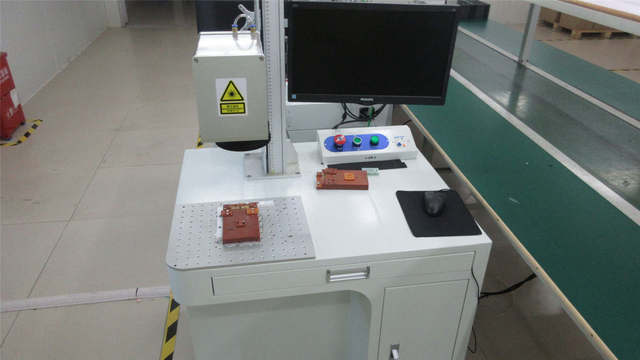
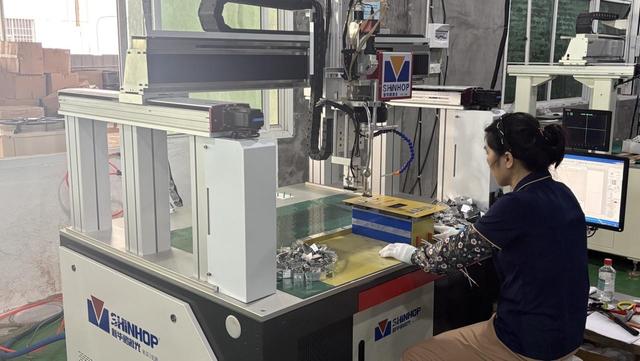
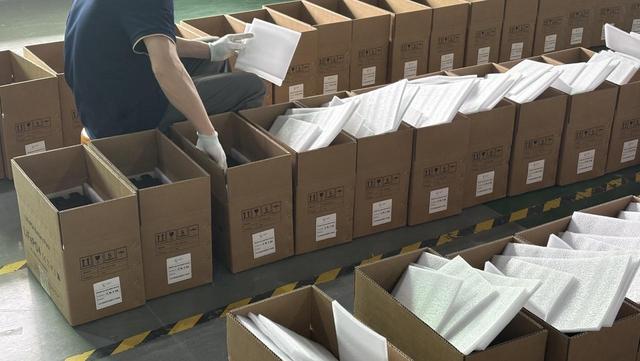
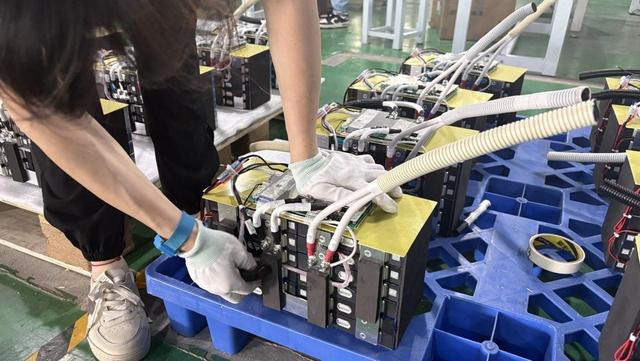
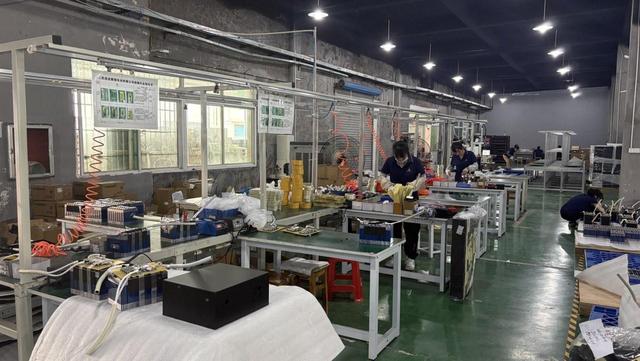
Headquartered in Shenzhen, China, GAF Energy operates modern manufacturing facilities equipped with advanced production equipment, automated assembly lines, and comprehensive quality management systems. The company specializes in the research, development, and production of LiFePO4 batteries, lithium-ion battery systems, residential energy storage batteries, commercial and industrial energy storage systems (ESS), solar storage batteries, rack-mounted battery systems, high-voltage battery solutions, and customized battery packs.
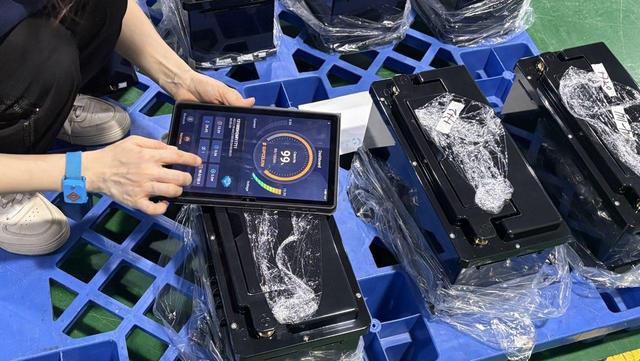
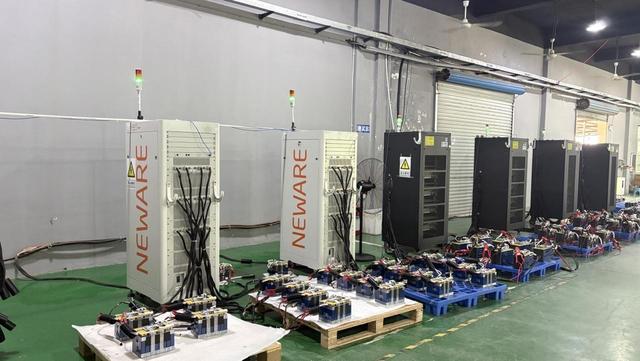
GAF Energy places strong emphasis on product quality and technological innovation. By utilizing premium battery cells, intelligent battery management systems (BMS), and rigorous testing procedures, the company ensures excellent safety, long cycle life, stable performance, and high energy efficiency. Every battery system is designed to meet the demanding requirements of renewable energy integration, backup power applications, and modern energy management solutions.
In addition to standard product offerings, GAF Energy provides comprehensive OEM and ODM services for distributors, energy solution providers, solar installers, system integrators, and private-label brands. From product design and engineering to manufacturing and technical support, the company delivers flexible solutions tailored to specific project requirements.
Serving customers across North America, Europe, Australia, Southeast Asia, Africa, and the Middle East, Shenzhen GAF Energy Co., Ltd. has established long-term partnerships based on product reliability, competitive pricing, and responsive customer service. Committed to accelerating the transition toward sustainable energy, the company continues to invest in advanced battery technologies and renewable energy innovations, helping customers achieve greater energy independence and long-term environmental benefits.
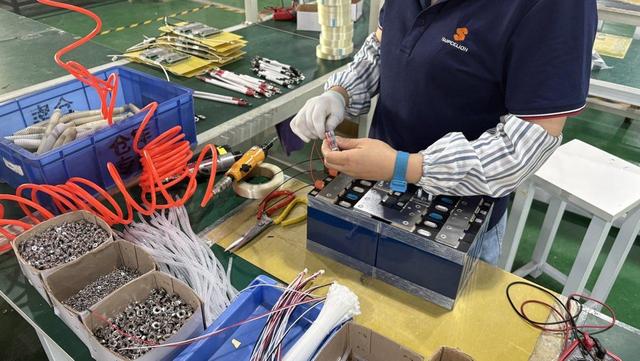
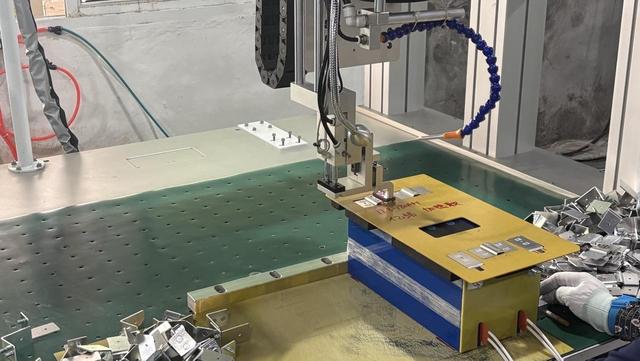
As standard lithium-ion setups mature, the battery industry is moving toward higher safety and lower costs. GAF Energy's research roadmap focuses on three main developments:
With these innovations, telecommunication manufacturers and suppliers can ensure their systems remain relevant, reliable, and compliant with evolving global regulations.
Technical inquiries answered by our senior engineering division.
Explore our specialized cell options, energy generators, custom battery packs, and commercial solar energy storage solutions.