GAF Energy
GAF Energy
GAF Energy
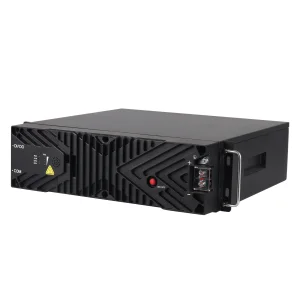
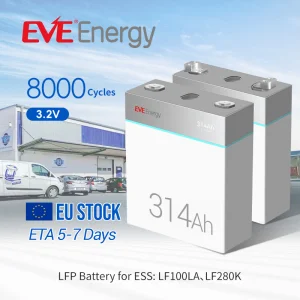
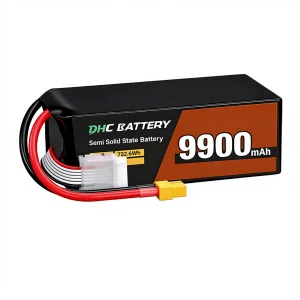
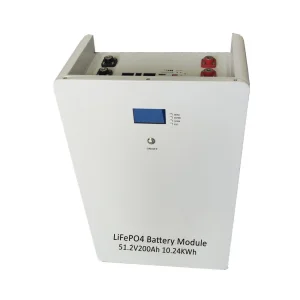
As the world transitions rapidly toward dynamic energy landscapes, the demand for stable, efficient, and CE certified installable energy storage systems has grown exponentially. Integrating renewable generation sources, like solar photovoltaics (PV) and wind, into domestic and industrial grids requires robust buffer mechanisms. Without local energy storage, grid instability, voltage fluctuations, and high peak energy tariffs pose significant challenges for businesses and homeowners alike. Large-scale battery energy storage systems (BESS) offer key capabilities such as frequency regulation, peak-to-valley load shifting, and guaranteed backup power, transforming clean energy from an intermittent alternative into a highly reliable baseload resource.
Shenzhen GAF Energy Co., Ltd. is a professional Lithium Battery Manufacturer | LiFePO4, Energy Storage & Renewable Power Solutions dedicated to delivering advanced energy storage technologies for residential, commercial, industrial, and renewable energy applications worldwide. With a focus on innovation, safety, and sustainability, the company provides high-performance lithium battery solutions that support the growing global demand for clean and reliable energy.
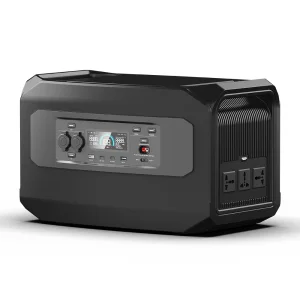
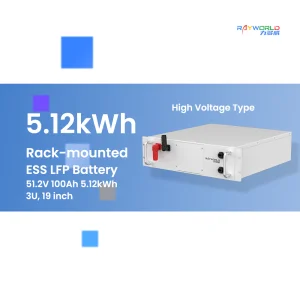
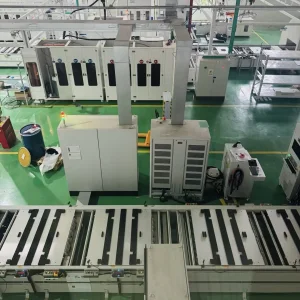
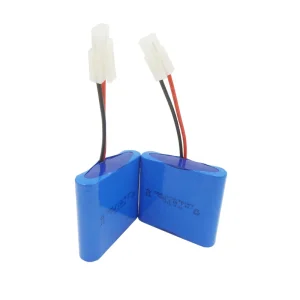
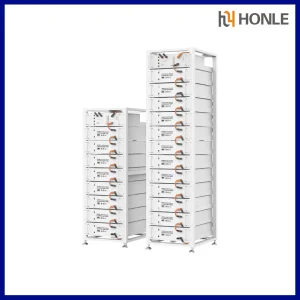
Headquartered in Shenzhen, China, GAF Energy operates modern manufacturing facilities equipped with advanced production equipment, automated assembly lines, and comprehensive quality management systems. The company specializes in the research, development, and production of LiFePO4 batteries, lithium-ion battery systems, residential energy storage batteries, commercial and industrial energy storage systems (ESS), solar storage batteries, rack-mounted battery systems, high-voltage battery solutions, and customized battery packs.
GAF Energy places strong emphasis on product quality and technological innovation. By utilizing premium battery cells, intelligent battery management systems (BMS), and rigorous testing procedures, the company ensures excellent safety, long cycle life, stable performance, and high energy efficiency. Every battery system is designed to meet the demanding requirements of renewable energy integration, backup power applications, and modern energy management solutions.
In addition to standard product offerings, GAF Energy provides comprehensive OEM and ODM services for distributors, energy solution providers, solar installers, system integrators, and private-label brands. From product design and engineering to manufacturing and technical support, the company delivers flexible solutions tailored to specific project requirements.
Serving customers across North America, Europe, Australia, Southeast Asia, Africa, and the Middle East, Shenzhen GAF Energy Co., Ltd. has established long-term partnerships based on product reliability, competitive pricing, and responsive customer service. Committed to accelerating the transition toward sustainable energy, the company continues to invest in advanced battery technologies and renewable energy innovations, helping customers achieve greater energy independence and long-term environmental benefits.
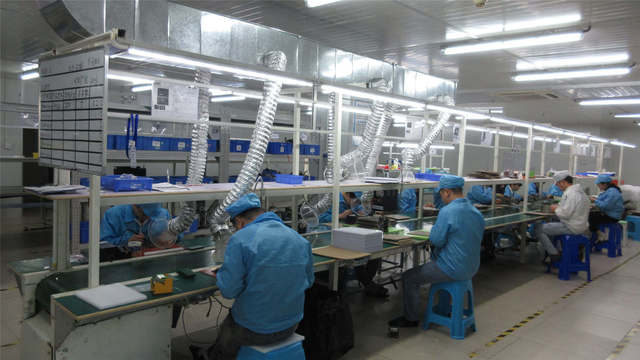
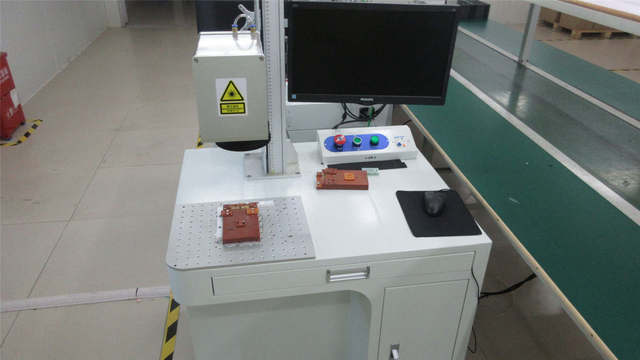
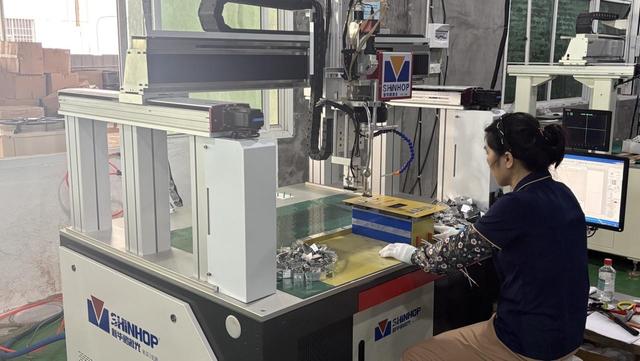
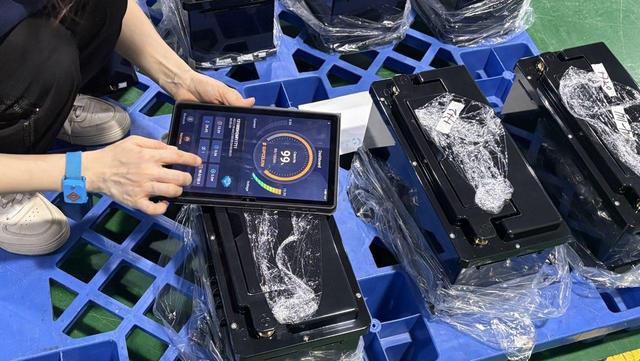
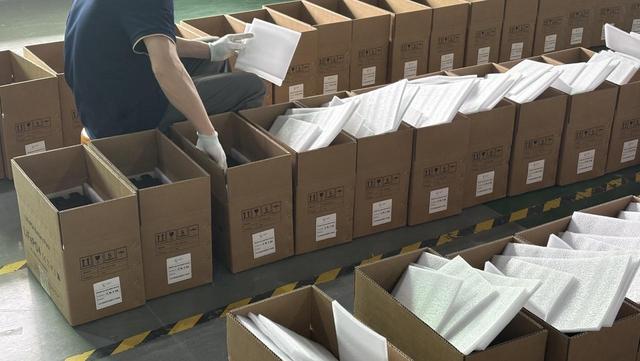
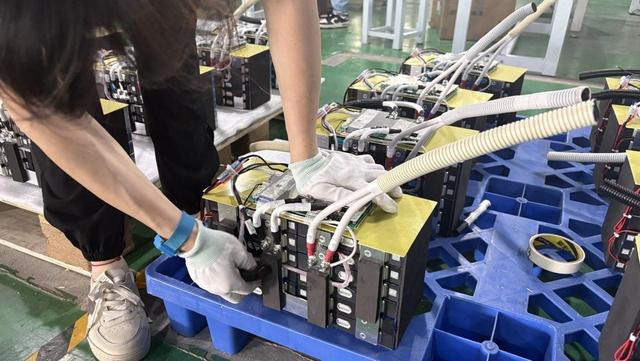
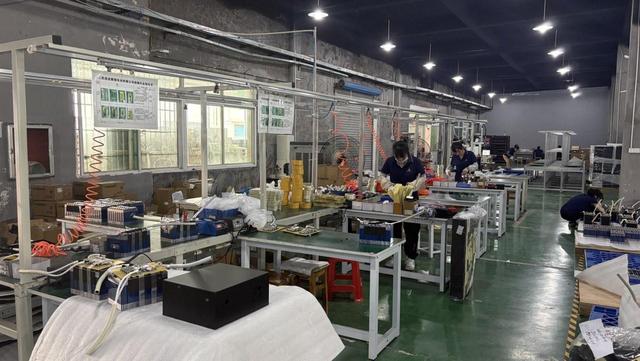
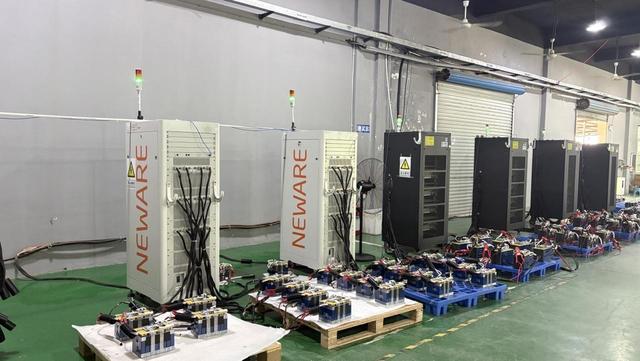
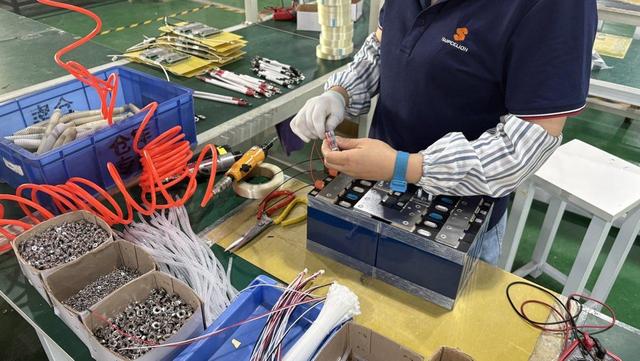
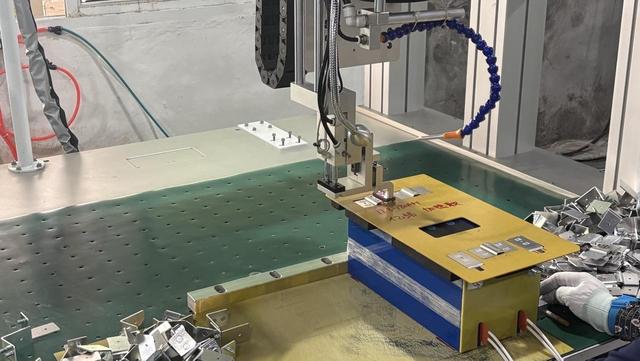
China stands as the global epicentre of the lithium-ion supply chain, controlling over 75% of the world's refining capacity for key battery materials, including lithium, cobalt, and synthetic graphite. This unparalleled concentration of material processing, combined with massive engineering clusters, provides GAF Energy's manufacturing plants with an absolute advantage in terms of vertical integration, quality control, and cost optimization.
Located in Shenzhen's tech corridor, we maintain direct partnerships with leading cell producers (like Eve and Dyness) to secure Tier-1 A-grade cells with minimal logistics lead times.
From automated cylindrical winding to laser busbar welding, our robotic assembly minimizes human error and guarantees consistent pack resistance.
High economies of scale allow GAF Energy to deliver customized battery systems with lower Levelized Cost of Storage (LCOS) per lifetime kWh.
Deploying commercial, industrial, or residential energy storage in highly regulated regions like Europe and North America requires strict adherence to international safety frameworks. The CE Certification (Conformité Européenne) acts as the fundamental passport, proving compliance with European safety, health, and environmental protection requirements.
GAF Energy’s battery packs and fully integrated systems are designed to satisfy key international guidelines:
Procurement departments of multinational enterprises, EPC contractors, and utility operators look beyond simple pricing when selecting partners. Key factors include design adaptability, long-term performance guarantees, and communication protocol compatibility. Standard off-the-shelf solutions rarely fit all site layouts, voltage requirements, or local regulatory restrictions.
Through extensive OEM/ODM support, GAF Energy simplifies integration:
From 3U/4U rack-mounted formats to floor-standing modular towers and outdoor IP55/IP65 climate-controlled storage containers.
Pre-configured communication with global tier-1 inverters (Solis, Victron, Deye, Growatt, SMA) via CAN, RS485, Modbus, or custom LAN networks.
Integrated aerosol fire-suppression systems, active thermal management, and circuit protection (fuses/breakers) for multi-megawatt systems.
The electrochemical energy storage sector is moving rapidly toward higher energy density, increased safety, and intelligent software integration. Keeping pace with these changes helps GAF Energy clients future-proof their capital investments:
The Rise of High-Capacity 314Ah LFP Cells: Moving from standard 280Ah cells to newer 314Ah cell structures represents a significant density improvement. By packing more active material into the same form factor, these cells allow for 5MWh+ utility containers in standard 20-foot footprints, lowering land acquisition and installation costs.
Semi-Solid-State Batteries: By replacing liquid electrolytes with semi-solid gel polymers or ceramic matrices, these batteries offer energy densities up to 350 Wh/kg. This technology offers improved thermal safety, prevents dendrite growth, and is well-suited for high-stress applications such as long-range drones, remote telecom backup, and heavy-duty industrial vehicles.
Transition to High-Voltage Stackable Designs: While traditional residential storage operates at 48V/51.2V, modern systems are shifting toward high-voltage configurations (150V to 800V+). High-voltage architectures minimize conversion losses, reduce cable thickness, improve inverter efficiency, and enable high-power charging and discharging.
Every installation environment presents unique challenges. Deploying energy storage systems in harsh outdoor environments, remote regions, or space-constrained urban facilities requires specialized system engineering:
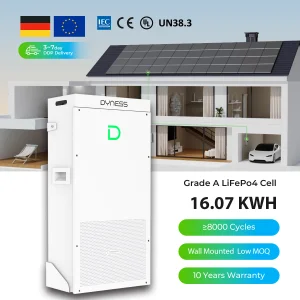
Homeowners require space-saving designs with long cycle lives. Wall-mounted lithium batteries and floor-standing high-voltage systems store excess solar energy to provide clean backup power during blackouts, reducing reliance on the grid.
Off-grid base stations and clinics in remote locations require modular, rack-mounted LiFePO4 modules. With support for CAN communication and wide operating temperatures, these systems ensure constant uptime with minimal maintenance.
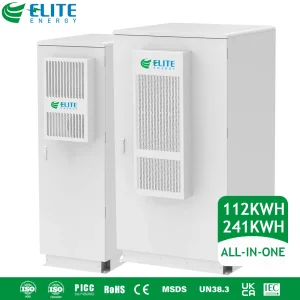
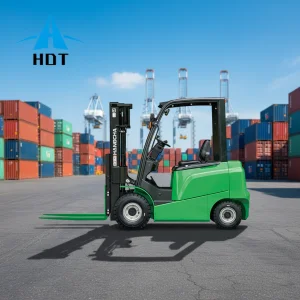
Industrial facilities use all-in-one containerized systems to manage peak demand, discharge battery power during peak tariff hours, avoid utility penalties, and support high-load EV fleet charging infrastructure.
CE certification indicates that an energy storage system complies with European Union directives covering electrical safety (Low Voltage Directive 2014/35/EU), electromagnetic compatibility (EMC 2014/30/EU), and battery safety regulations. Without CE certification, installers cannot legally connect batteries to the grid, insurance companies will not cover the property in the event of an incident, and local utility providers will reject dynamic connection requests.
Every cell goes through rigorous testing, including initial capacity screening, internal resistance measurement, open-circuit voltage checks, and aging testing. During assembly, advanced software checks internal resistance and cell voltages to ensure optimal balancing. This strict process ensures longer life, prevents localized hot spots, and reduces the risk of cell degradation.
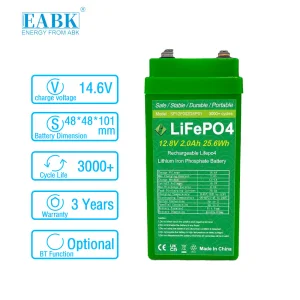
Traditional lead-acid replacement batteries are simple drops-in options with basic built-in analog protection. Dedicated, installable energy storage systems feature advanced active BMS modules, thermal control, and standard communications interfaces (CAN/RS485) to connect directly with industrial inverters and smart home managers. They support much deeper discharge rates (>80% DoD) and offer longer service lives (>6000 cycles).
Our intelligent Battery Management System continuously monitors cell-level parameters, including voltage, current, and temperature. If anomalies such as high cell temperatures or over-voltage are detected, the BMS isolates the faulty pack, sounds alarms, and notifies operators via GPRS/Wi-Fi to prevent safety risks.
Yes, our R&D team can program the BMS firmware to match custom communication protocols. Whether you require specific CAN identifiers, Modbus register maps, or custom JSON outputs for cloud-based EMS networks, GAF Energy provides full software design support.
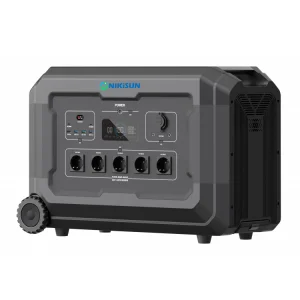
Semi-solid-state chemistry replaces most liquid electrolytes with a conductive gel matrix, enabling higher energy densities (up to 350 Wh/kg) while keeping packs lightweight. They offer excellent performance in weight-sensitive applications, including drones, mobile energy stations, and specialized high-stress industrial equipment.