GAF Energy
GAF Energy
GAF Energy
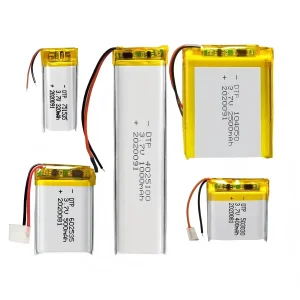

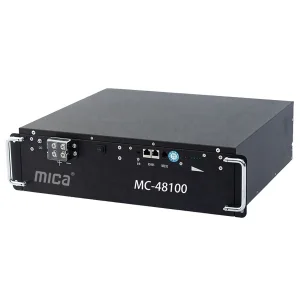
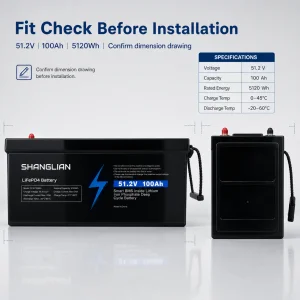
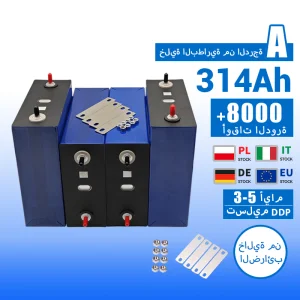
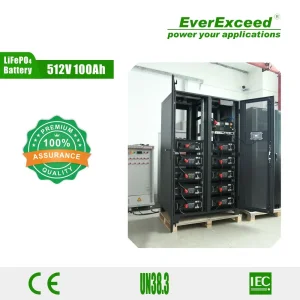
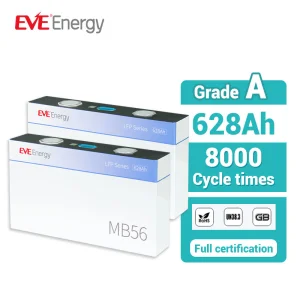
The global transition toward green mobility and grid resilience has triggered a paradigm shift in energy asset management. At the center of this transformation is Battery-as-a-Service (BaaS), a commercial framework decoupling battery acquisition from vehicle or asset purchase. By converting high upfront Capital Expenditures (CapEx) into predictable Operational Expenditures (OpEx), BaaS mitigates the technological risk of battery degradation, enhances residual asset value, and accelerates corporate ESG alignment. This white paper analyzes the leading battery leasing ecosystems, manufacturing enablers, and technological roadmaps shaping the industry today.
Industrial and commercial sectors require robust power supply configurations that avoid grid congestion. Under traditional procurement models, heavy fleet operators and commercial facility developers bear the direct depreciation risk of battery cells. A structured battery leasing service relocates this risk to the service provider or dedicated asset holding company (AssetCo). The service provider uses continuous cloud diagnostics, predictive balancing, and controlled ambient charging environments to extend cell lifespans far beyond typical field-deployed configurations.
Leased battery storage systems (BESS) deployed in industrial parks double as nodes for local grid balancing. Through smart BMS interfaces, leased assets participate in frequency response markets, yielding auxiliary revenue that offsets leasing fees.
Once a leased battery degrades to 75-80% State of Health (SoH) for high-rate transport applications, it is seamlessly transitioned by the lessor into stationary energy storage systems (ESS), optimizing life-cycle return on investment.
Driven by regional policy initiatives, manufacturers are standardizing physical dimensions and protocol interfaces (such as CAN communication standards). This ensures interoperability across diverse equipment and vehicle classes.
Evaluating the deployment framework requires understanding the mechanics of top-tier leasing platforms, infrastructure builders, and cell manufacturers. The table below highlights standard commercial constructs of BaaS models utilized globally.
| Leasing Structure | Primary Target Asset | Maintenance Liability | Financial Mechanics | BMS Responsibility |
|---|---|---|---|---|
| Dry Lease (Asset-Only) | Commercial & Industrial (C&I) BESS, Solar Arrays | Lessee (End-User) | Fixed monthly rent over 5-10 year term | Provider integration, user monitoring |
| Wet Lease (Full-Service) | Heavy Logistics Fleets, Port Cranes, AGVs | Lessor (Manufacturer/Provider) | Variable rates based on cycle throughput | Continuous real-time cloud diagnostic monitoring |
| Pay-Per-Swap (Instant Swap) | Light EV, Delivery Fleets, Two/Three Wheelers | Infrastructure Operator | Per-transaction pricing based on energy consumed (kWh) | Automated testing at charging station |
| Shared Equity Model | Utility-Scale Storage Systems (VPP networks) | Co-managed (Operator / Manufacturer) | Revenue sharing of peak-shaving payouts | Integrated smart BMS with grid dispatch software |
Shenzhen GAF Energy Co., Ltd. is a professional Lithium Battery Manufacturer | LiFePO4, Energy Storage & Renewable Power Solutions dedicated to delivering advanced energy storage technologies for residential, commercial, industrial, and renewable energy applications worldwide. With a focus on innovation, safety, and sustainability, the company provides high-performance lithium battery solutions that support the growing global demand for clean and reliable energy.
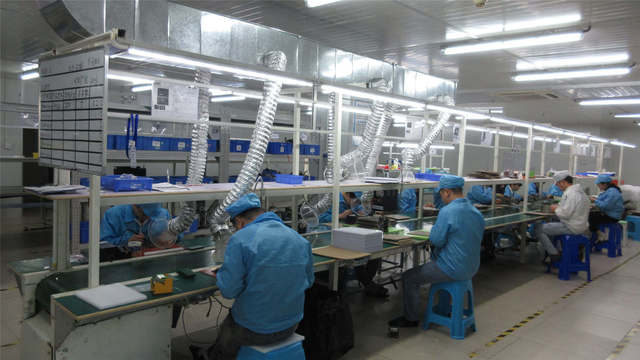
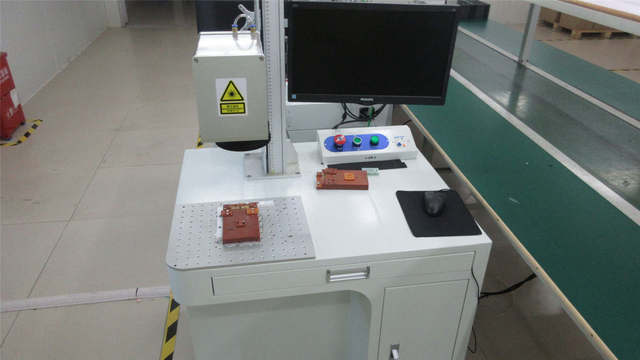
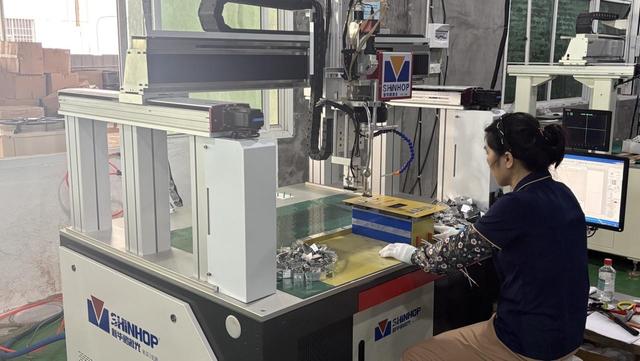
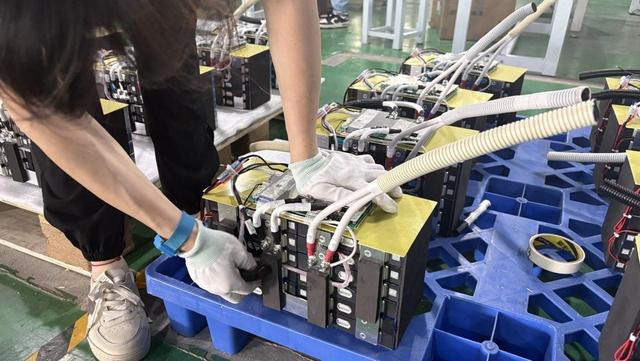
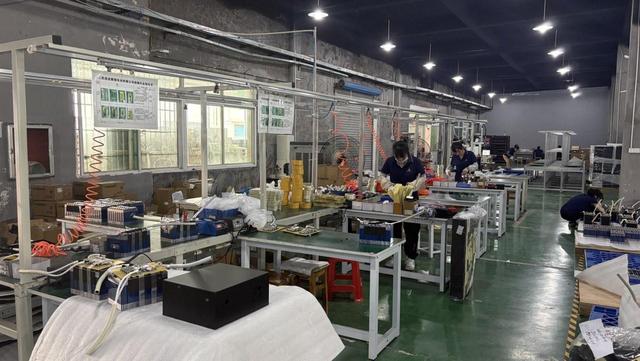
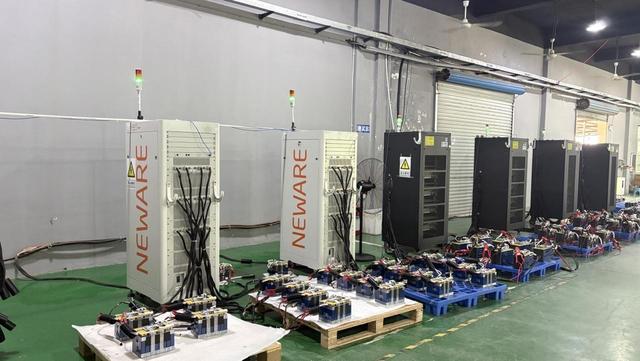
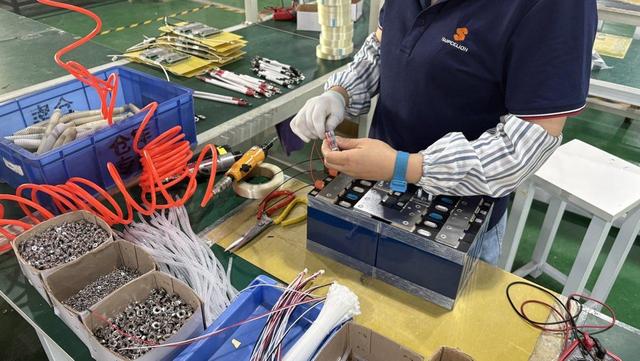
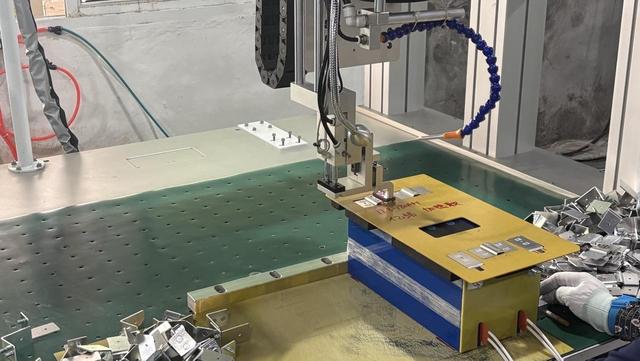
Headquartered in Shenzhen, China, GAF Energy operates modern manufacturing facilities equipped with advanced production equipment, automated assembly lines, and comprehensive quality management systems. The company specializes in the research, development, and production of LiFePO4 batteries, lithium-ion battery systems, residential energy storage batteries, commercial and industrial energy storage systems (ESS), solar storage batteries, rack-mounted battery systems, high-voltage battery solutions, and customized battery packs.
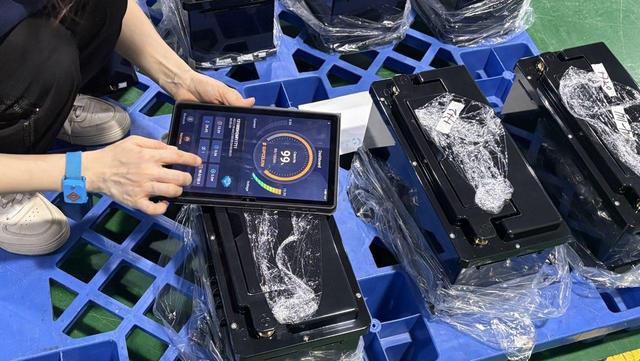
GAF Energy places strong emphasis on product quality and technological innovation. By utilizing premium battery cells, intelligent battery management systems (BMS), and rigorous testing procedures, the company ensures excellent safety, long cycle life, stable performance, and high energy efficiency. Every battery system is designed to meet the demanding requirements of renewable energy integration, backup power applications, and modern energy management solutions.
In addition to standard product offerings, GAF Energy provides comprehensive OEM and ODM services for distributors, energy solution providers, solar installers, system integrators, and private-label brands. From product design and engineering to manufacturing and technical support, the company delivers flexible solutions tailored to specific project requirements.
Serving customers across North America, Europe, Australia, Southeast Asia, Africa, and the Middle East, Shenzhen GAF Energy Co., Ltd. has established long-term partnerships based on product reliability, competitive pricing, and responsive customer service. Committed to accelerating the transition toward sustainable energy, the company continues to invest in advanced battery technologies and renewable energy innovations, helping customers achieve greater energy independence and long-term environmental benefits.
For commercial procurement officers, integrating leased assets into legacy operations involves evaluating complex structural dimensions. Procurement frameworks must prioritize safety certifications, chemistry selection, and digital interfaces over raw initial pricing:
Leased assets operate continuously across diverse environments. Procured systems must have global certifications like UL1973, IEC62133, CE, MSDS, and UN38.3 to meet insurance and local zoning regulations.
Procurement teams evaluate levelized cost of storage (LCOS). The evaluation must assess degradation curves, cell chemistry stability (such as premium grade LFP vs NMC), and thermal management to minimize downtime.
Ensuring cross-platform compatibility requires a Smart BMS with open API architectures. Operators must track State of Charge (SoC), State of Health (SoH), and internal temperatures to support predictive service dispatching.
Operating across international borders introduces regulatory and physical handling complexities. Under leasing models, where ownership remains with the lessor or manufacturer, maintaining regulatory compliance is vital to avoiding transport penalties and local operational issues.
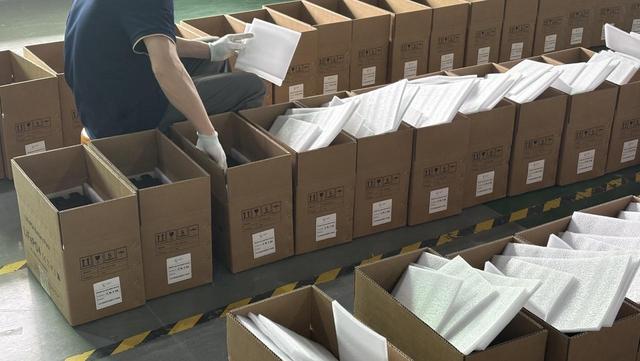
Lithium-ion batteries are classified as Class 9 Dangerous Goods. Cross-border transfers must adhere strictly to ADR (Europe), DOT (US), and IMDG regulations. Robust packaging, specialized impact monitoring, and valid UN38.3 test summaries are required for transit.
Stationary battery storage installations must comply with local grid codes (such as IEEE 1547 in North America or G99 in the UK). Service manufacturers must support system developers through thermal runaway modeling (UL 9540A) to satisfy local fire marshals.
Hardware failures disrupt operations. Leading leasing companies establish service level agreements (SLAs) with regional certified technicians to guarantee field diagnostics, swap-outs, and software updates within 4-12 hours.
The upcoming decade will bring significant changes in battery chemistry and tracking technologies, directly impacting the economics of battery leasing models:
Solid-state battery cells will largely eliminate thermal runaway risks and increase volumetric energy density, enabling longer lease cycles and reducing insurance costs for fleet operators.
Sodium-ion (Na-Ion) presents a cost-effective, lithium-free alternative for large stationary storage leasing, mitigating supply-chain bottlenecks and lowering raw material costs.
Advanced cloud algorithms model electrochemical degradation at the individual cell level, predicting cell anomalies prior to physical failure to minimize service downtime.
Below are technical answers to common questions about battery leasing, BaaS system integration, and global supply chain logistics.
Lithium Iron Phosphate (LiFePO4 / LFP) chemistry is preferred for leasing due to its long cycle life (often exceeding 6,000 to 10,000 cycles at 80% Depth of Discharge) and high thermal stability. Nickel Manganese Cobalt (NMC) provides higher energy density, making it suitable for applications with space and weight constraints, though it has a shorter overall cycle life.
Degradation is tracked in real-time by a smart Battery Management System (BMS) that measures State of Health (SoH) based on capacity fade and internal resistance increases. This data is uploaded to cloud diagnostic platforms to maintain accurate performance records.
At the end of the primary lease, batteries are evaluated. Those with sufficient capacity are repurposed for stationary second-life energy storage (ESS). Batteries below usable capacity limits are sent to certified recycling partners to recover raw materials like lithium, cobalt, and copper.
Yes. Modern battery systems use industry-standard communication protocols (such as Modbus TCP, CANbus, and SunSpec). This allows seamless integration with existing hybrid inverters, solar arrays, and energy management systems (EMS) for peak-shaving and backup applications.
Key global standards include UL 1973 (safety for stationary batteries), UL 9540A (thermal runaway evaluation), IEC 62619 (industrial safety compliance), and UN 38.3 (transportation testing). Ensuring these certifications helps streamline municipal permitting and insurance approval processes.