GAF Energy
GAF Energy
GAF Energy
Explore our high-performance lithium energy systems engineered for reliability, high lifecycle capacity, and seamless integration.

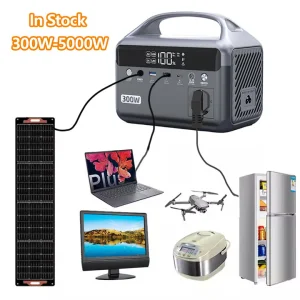
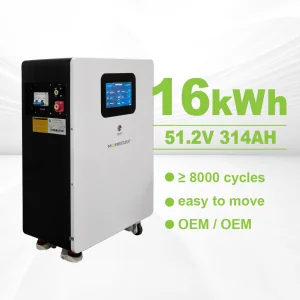
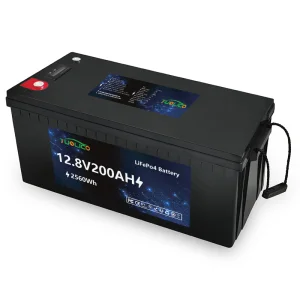
Shenzhen GAF Energy Co., Ltd. is a leading tier-one Lithium Battery Manufacturer | LiFePO4, Energy Storage & Renewable Power Solutions provider. Our commitment lies in delivering advanced, high-safety energy storage technologies engineered for residential, commercial, industrial, and utility-scale renewable energy installations worldwide. With an innovation-first development paradigm, we supply performance-oriented energy architecture to support the rapid transition toward grid independence.
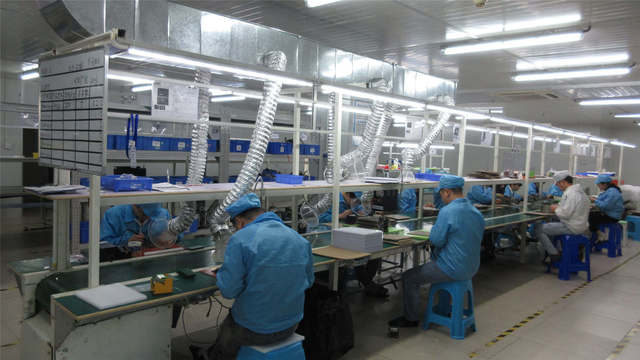
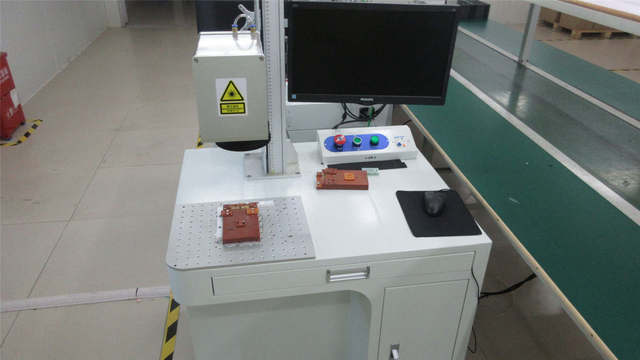
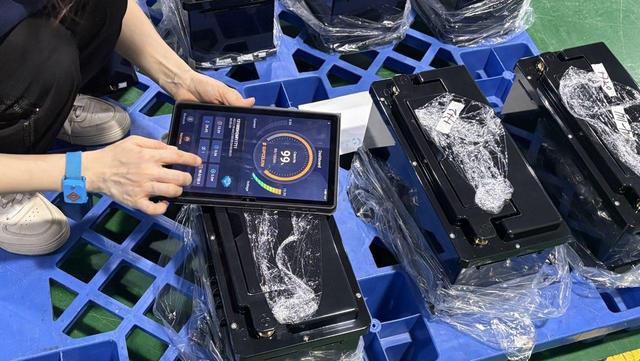
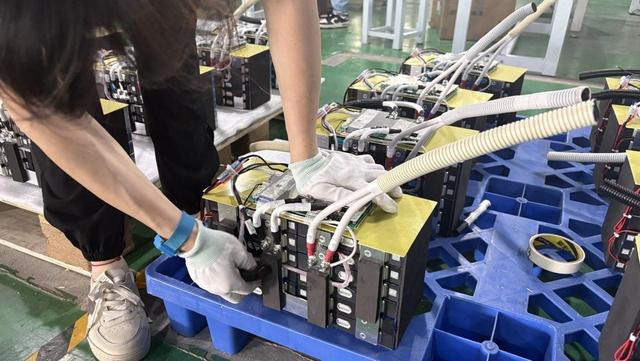
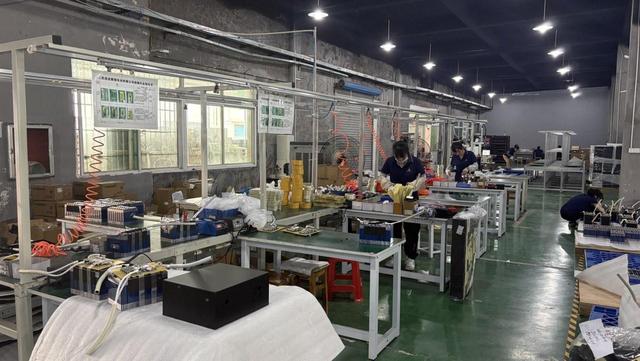
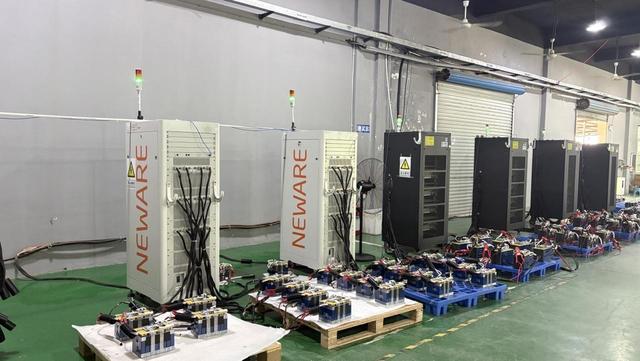
Headquartered in China's technology epicentre, Shenzhen, GAF Energy operates state-of-the-art manufacturing zones. Our lines feature highly automated assembly setups, intelligent quality assurance protocols, and automated battery aging verification chambers. Specializing in the research, engineering, and scalable production of LiFePO4 batteries, lithium-ion storage packs, rack-mounted battery blocks, and containerized industrial energy systems (ESS), GAF Energy equips projects with highly durable, cycle-stable backup technologies.
By relying on high-purity cells, robust battery management systems (BMS), and rigorous stress-testing environments, we deliver systems characterized by a high lifecycle capacity, excellent safety margins, and maximum efficiency. We provide comprehensive, bespoke OEM and ODM integration services, supplying custom solutions for international system distributors, large-scale EPC installers, grid developers, and industrial partners.
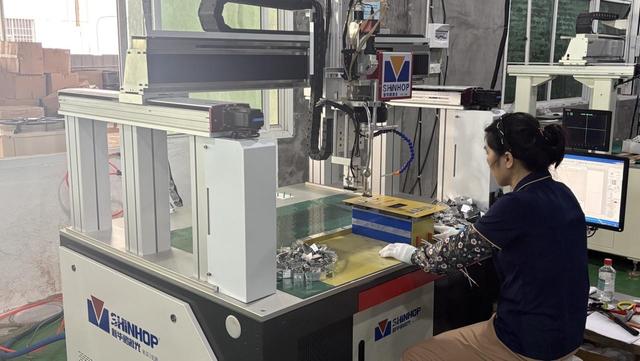
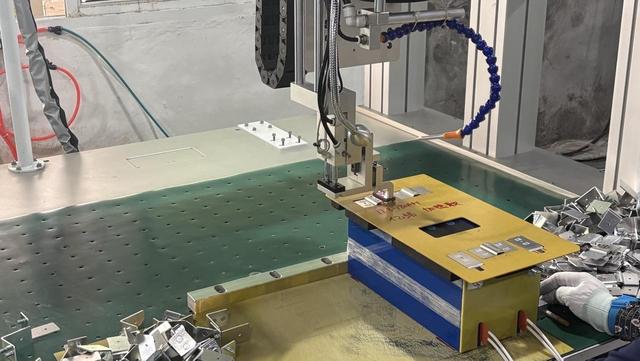
Our production facilities utilize modern cell sorting and laser welding lines that operate under cleanroom conditions to prevent internal cell impurities. The integration of high-grade BMS controllers provides deep battery health metrics, active balancing, and multiple thermal cutoff layers.
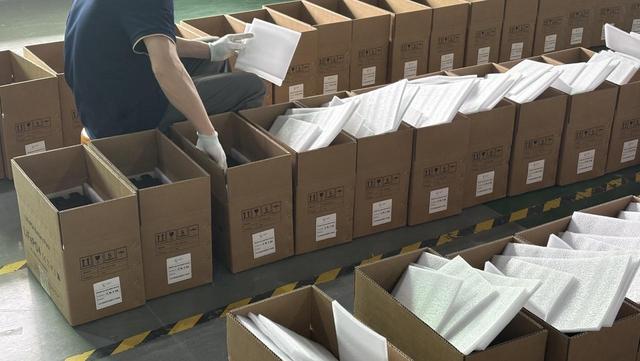
Through strategic alignment with premier logistics networks, GAF Energy manages standard and custom shipments safely under UN38.3 certifications, guaranteeing smooth customs clearance and secure end-to-end global deliveries.
An analytical overview of the technological and supply-chain elements positioning Chinese factories at the center of the global green energy transition.
China controls over 70% of the world's lithium refining capacity and dominates anode, cathode, and separator component manufacturing. This vertical integration allows suppliers like GAF Energy to source premium Grade-A raw components reliably, ensuring stable pricing structures, consistent quality controls, and shorter turnaround times compared to external assembly sites.
Modern Chinese factories run on highly automated assembly lines that incorporate computerized vision sorting, automated spot welding, and robotic stacking. This automation minimizes human error, decreases internal resistance variances across cells, and ensures each battery pack matches the intended design parameters.
Whether a project demands custom form factors, high-voltage battery stacking configurations, localized CAN/RS485 communication protocols, or private-label designs, Chinese manufacturers offer responsive engineering support. This agility accelerates time-to-market for international importers.
Understanding the technological shifts guiding the residential energy storage systems (BESS) sector over the next decade.
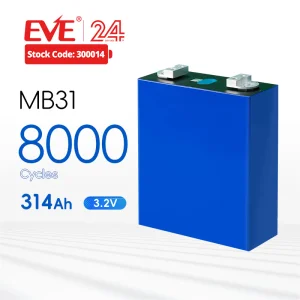
The residential market is moving rapidly from low-capacity prismatic cells toward unified high-capacity architectures, particularly 314Ah and 280Ah LiFePO4 cells. These configurations offer high energy density inside compact enclosure spaces, lowering installation costs per kilowatt-hour and decreasing system complexity by requiring fewer series-parallel links.
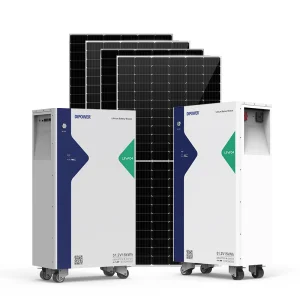
Furthermore, the shift from low-voltage (48V) setups to high-voltage (HV) stacked systems (exceeding 200V-400V DC) reduces transmission losses, enhances round-trip efficiency, and allows for direct integration with hybrid inverters.
Smart Energy Management Systems (EMS) featuring cloud communications are also becoming standard, allowing homeowners to participate in Virtual Power Plants (VPP) and dynamic load management based on real-time utility rates.
| Technology Vector | Legacy Standard | Modern Industry Trend |
|---|---|---|
| Cell Capacity | 50Ah - 100Ah Cells | 280Ah - 314Ah Grade A Cells |
| System Voltage | Low-Voltage 12V-48V Systems | High-Voltage 100V-400V stacked blocks |
| Lifecycle Targets | 2,500 - 3,500 cycles | 6,000 - 8,000 cycles (80% DoD) |
| Smart Features | Basic hardware protection | Active Cell Balancing, VPP integration, App control |
| Thermal Safety | Passive cooling pads | Aerogel insulation, liquid-cooled, self-heating |
Demonstrating how advanced lithium technology adapts to distinct operating environments and system requirements globally.
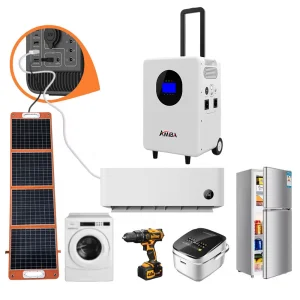
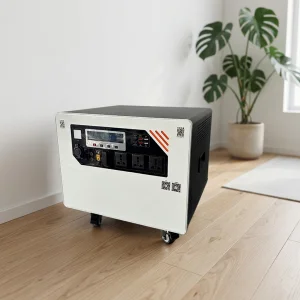
Our systems interface with residential solar arrays to capture surplus day-time energy. The high-capacity, low-resistance chemistry provides reliable discharge cycles during peak pricing hours, lowering home utility expenses and supplying seamless backup power during sudden grid outages.
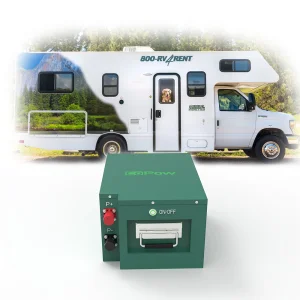
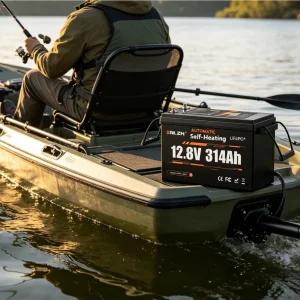
Mobile applications demand physical vibration resistance, light weight, and reliable performance across varying temperatures. Our self-heating LiFePO4 packs operate down to -20°C, ensuring consistent power for camper vans, marine craft, and remote cabins in demanding climates.
For larger operations, we scale modular racks to support microgrids, peak-shaving processes, and backup power for critical machinery. Integrated air/liquid cooling systems prevent thermal runaway, maintaining high round-trip efficiency across heavy duty cycles.
Purchasing industrial and residential battery storage equipment requires careful validation of safety standards, cell grading, and compliance records.
In-depth technical clarifications addressing installation, cell chemistries, cycle lifetimes, and safety systems.
314Ah cells provide higher single-cell capacity and volumetric energy density. By using larger-capacity cells, battery packs require fewer series-parallel connections to reach their target storage metrics. This reduces system wiring complexity, decreases potential points of failure, ensures more reliable internal resistance balance, and lowers the cumulative cost per kilowatt-hour (kWh).
Charging standard lithium batteries at sub-freezing temperatures can cause lithium plating on the anode, permanently degrading cell life and potentially creating safety risks. Our self-heating system uses energy from the incoming charging source (solar panel, alternator, or grid) to power internal heating elements first. Once the core cell temperature reaches a safe operating level (typically above 5°C), the system routes current to charge the battery cells, maintaining overall health in cold weather.
The BMS serves as the primary safety controller. It actively monitors single-cell voltage, overall pack voltage, charge/discharge currents, and internal temperatures. The BMS prevents overcharging, overdischarging, overcurrent, short circuits, and thermal runaway by isolating the circuit if safety boundaries are exceeded. Higher-grade systems also feature active cell balancing to maximize total pack runtime and lifespan.
Our manufacturing processes source strictly Grade-A, factory-certified cells. Before assembly, every cell passes through computerized sorting equipment that measures capacities, open-circuit voltage, and AC internal resistance. Following pack construction, the system completes full charge-discharge cycles under continuous thermal imaging monitoring. This guarantees that only balanced, defect-free units are sent to shipping.
Low-voltage systems (48V) are a mature technology, easy to install, and well-suited for small to mid-sized off-grid systems. High-voltage stacked systems (100V-400V+) offer higher round-trip efficiency, less energy loss in transmission, and direct integration with high-voltage hybrid inverters. This design simplifies wiring for large systems and reduces the required cable thickness.
We do not recommend mixing batteries of different capacities, chemistries, brands, or age groups in a single system. Doing so causes uneven current distribution, forcing the weakest battery to work harder. This leads to premature degradation, uneven heating, and potential BMS safety cutoffs. For expansion, we recommend using modular packs designed for scalable integration.
For Europe, systems typically require CE, MSDS, and IEC 62619 certifications. North American markets require UN38.3 for transport safety, along with UL 1973 for battery modules and UL 9540A testing for thermal runaway propagation. GAF Energy maintains up-to-date compliance records to support international imports and distribution.
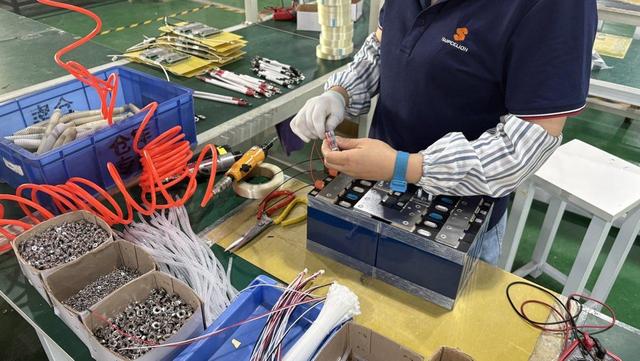
A look inside our modern production floor, automated assembly lines, aging chambers, and quality control departments.
Explore our advanced battery designs engineered for industrial equipment, off-grid storage, and long-cycle performance.