GAF Energy
GAF Energy
GAF Energy
Premium high-capacity batteries engineered to serve as dynamic buffers for advanced wireless energy transfer systems, industrial machinery, and microgrids.
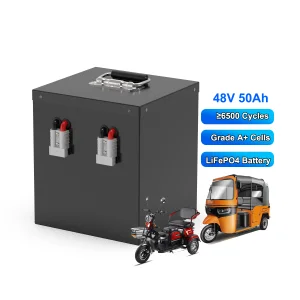
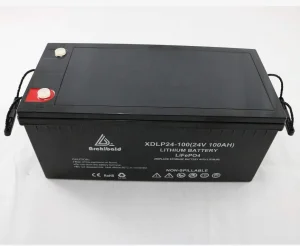
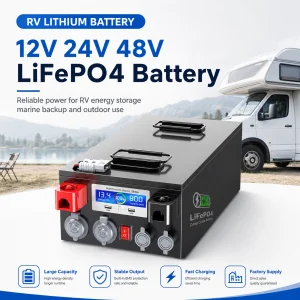
As global industrial systems migrate toward comprehensive automation, the demands on power supply architectures have shifted radically. Conventional physical contact connectors (cables, slip rings, pantographs) present critical failure points: mechanical wear, sparking risks in hazardous environments, and maintenance bottlenecks. To address these vulnerabilities, Wireless Energy Transfer (WET)—predominantly realized via high-power electromagnetic induction and magnetic resonance coupling—has transitioned from niche applications to mainstream industrial operations.
However, wireless power transmission is inherently dynamic and sensitive to alignment, distance, and load variations. To optimize transmission efficiency, prevent thermal spikes, and secure uninterrupted operations, high-performance battery systems are integrated as essential buffers on both the transmitter and receiver sides. As a leading China Wireless Energy Transfer Battery Supplier & Exporter, Shenzhen GAF Energy Co., Ltd. has developed specialized LiFePO4 and lithium-ion solutions optimized for high-power wireless charging interfaces.
Wireless Power Transfer (WPT) systems operating in megawatt ranges for industrial applications require precise impedance matching. When an AGV or EV approaches a wireless charging pad, the load impedance fluctuates instantaneously. GAF Energy's custom-engineered LiFePO4 battery packs integrate advanced telemetry BMS that enables rapid dynamic discharge/charge compensation, maintaining system efficiency above 92%.
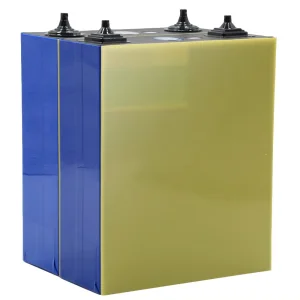
Standard lithium-ion cells fail to withstand the high thermal stress and pulsed current profiles characteristic of magnetic resonant energy transfer. Wireless charging systems transfer power in highly condensed intervals, demanding cells capable of fast-charge acceptance and reliable thermal dissipation. GAF Energy utilizes grade-A prismatic LiFePO4 cells with structural cooling plates to secure safe operation under high-frequency electromagnetic fields.
| Parameters | Traditional Lead-Acid | Standard Li-ion | GAF Advanced LiFePO4 (WET Optimized) |
|---|---|---|---|
| Charge Cycle Life (80% DoD) | 300 - 500 | 1,000 - 2,000 | 6,000 - 8,000+ |
| Fast Charging Capability | Poor (8-10 Hours) | Moderate (1-2 Hours) | Excellent (0.5 - 1 Hour via Resonant Coil) |
| Thermal Threshold | Low (Susceptible to venting) | Moderate (Needs active cooling) | High (Extremely stable up to 60°C) |
| BMS Integration | None / Basic | Standard Analog BMS | Smart Digital BMS with RF Noise Immunity |
Access engineering drawings, step models, and RF compliance reports from our expert R&D department.
Download R&D SheetHow Shenzhen GAF Energy Co., Ltd. capitalizes on China's premier industrial ecosystem to deliver world-class wireless energy battery products.
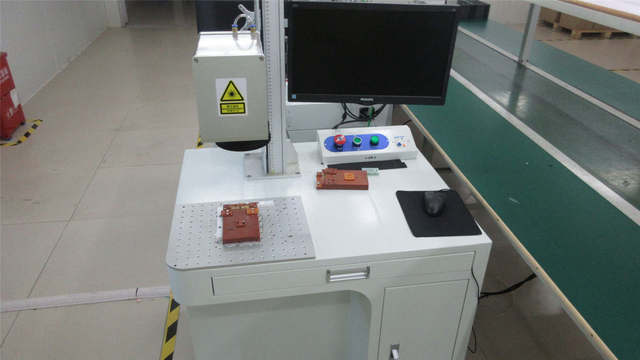
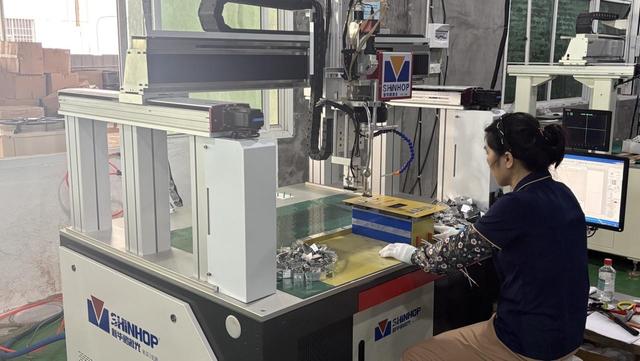
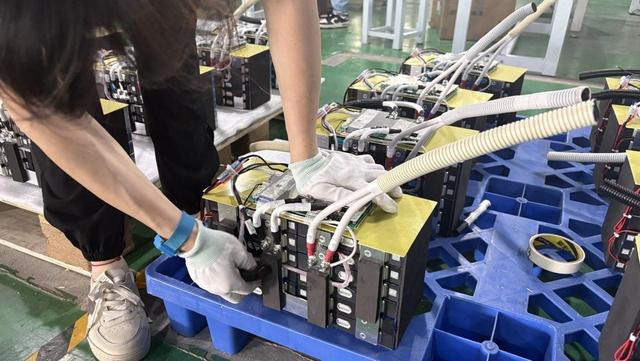
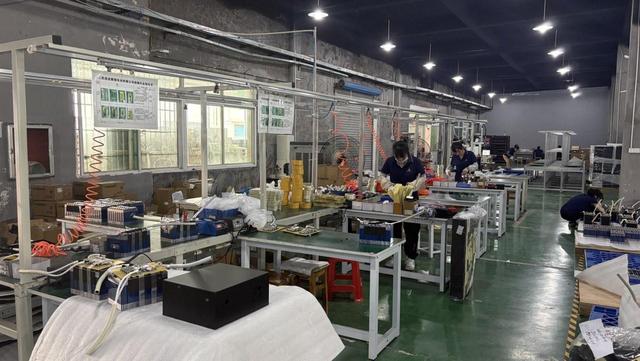
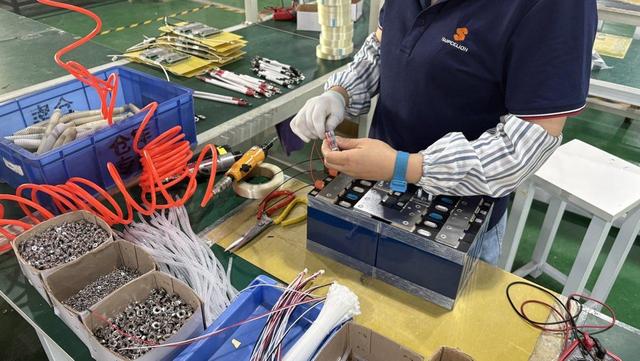
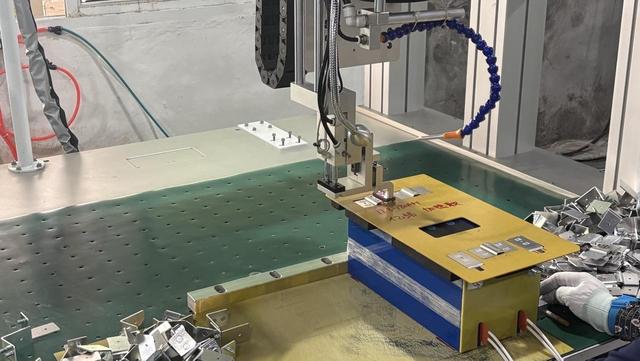
Operating from Shenzhen, the global hub of battery innovations, GAF Energy utilizes fully automated laser welding and high-precision sorting lines. We procure only new, top-tier prismatic cells, eliminating internal resistance mismatch and ensuring an 8,000-cycle threshold.
Wireless charging coils radiate high-frequency electromagnetic fields. GAF Energy's engineers design proprietary Mu-metal and ferrite sheets into battery enclosures to prevent eddy current heating in the battery housing, ensuring absolute safety.
From internal BMS architecture design and firmware coding to sheet metal fabrication and thermal testing, our vertical integration reduces manufacturing lead times by up to 35% and allows full customization for OEM/ODM clients.
Navigating international import regulations for lithium batteries and wireless power equipment requires absolute precision. Shenzhen GAF Energy Co., Ltd. ensures that all exported battery solutions strictly conform to regional safety directives. We offer specialized certifications including UN38.3, IEC 62133, CE, FCC, UL 1973, and RoHS, ensuring frictionless customs clearance and compliant commercial deployment.
To provide robust local support, we partner with regional system integrators in North America, Western Europe, and Australia. This enables prompt technical assistance, spare parts distribution, and field troubleshooting, solving the traditional distance barrier of buying directly from China.
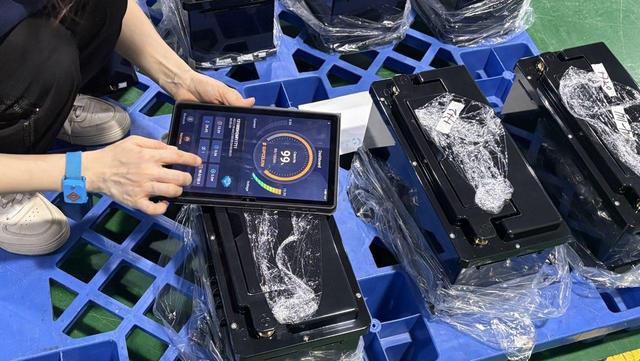
Every batch of batteries sent out by GAF Energy undergoes rigorous quality assurance steps before shipment, including:
Discover how wireless energy transfer and high-capacity battery units interact in real-world scenarios across the globe.
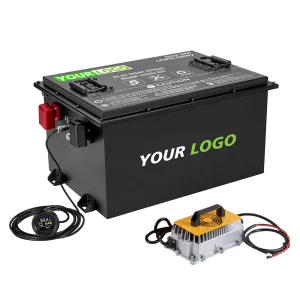
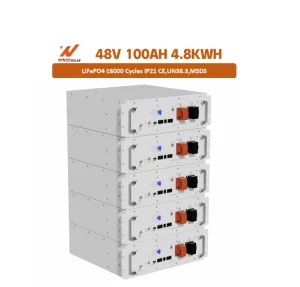
Modern distribution centers in Europe and the US utilize automated guided vehicles that run 24/7. Instead of docking manually, AGVs hover over wireless magnetic charging pads during short pauses. GAF Energy's fast-charge lithium batteries (like our 48V 100Ah and 24V units) absorb high currents in 10-minute bursts, minimizing downtime.
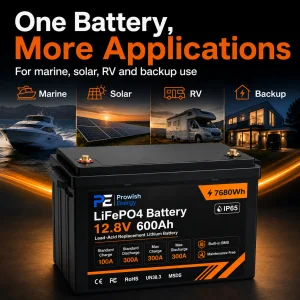
Corrosive saltwater environments quickly degrade physical copper charging pins. Wireless energy charging resolves this issue entirely by sealing transmitter and receiver components inside waterproof enclosures. GAF's deep-cycle LiFePO4 battery systems (e.g. 12.8V 600Ah) act as reliable storage systems for marine wireless docks.
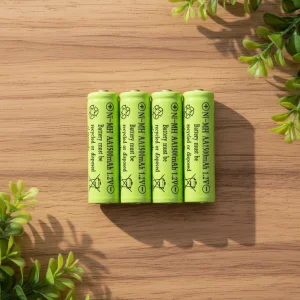
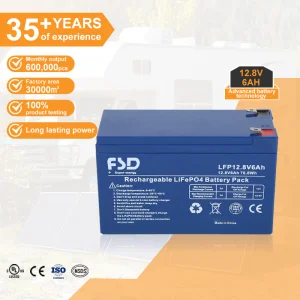
Off-grid warning lamps and smart highway sensors rely on weather-sealed wireless induction circuits to receive power from ground-based solar hubs. Compact nickel-hydrogen and low-capacity LiFePO4 cells buffer this energy, ensuring operational continuity even in zero-light conditions.
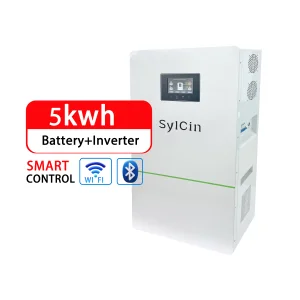
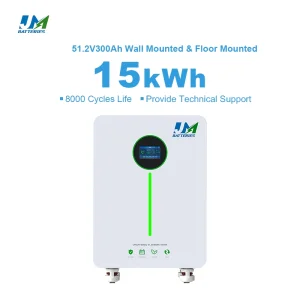
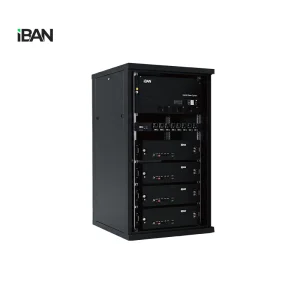
Future commercial buildings are integrating wireless power grids into tables and walls, supplying continuous energy to laptops and smart appliances. GAF Energy's wall-mounted systems and low-voltage hybrid inverter integrations serve as the central backbone for building-wide wireless energy systems.
Expert answers regarding wireless energy transfer compatibility, battery configurations, and logistics details.
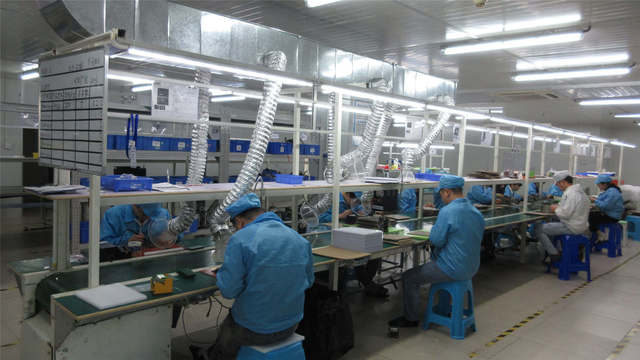
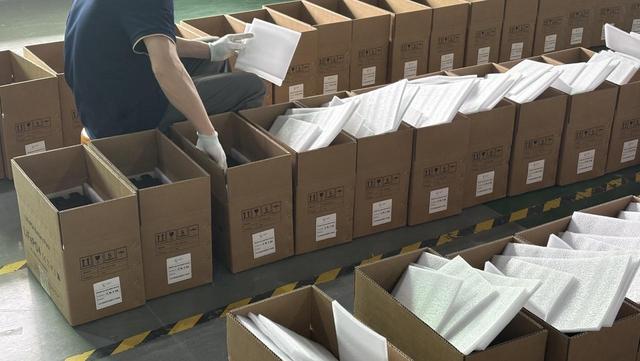
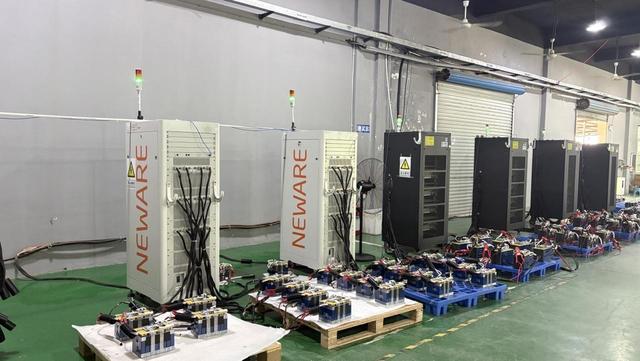
Our modern manufacturing facilities are equipped with automated cell grading, laser welding, and automated performance testing systems.
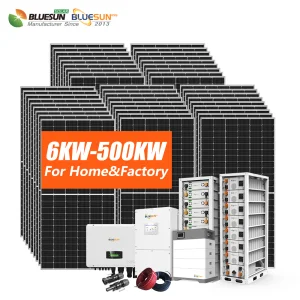
Explore our high-durability setups engineered for harsh industrial cycles, telecom backup, and household clean energy microgrids.